
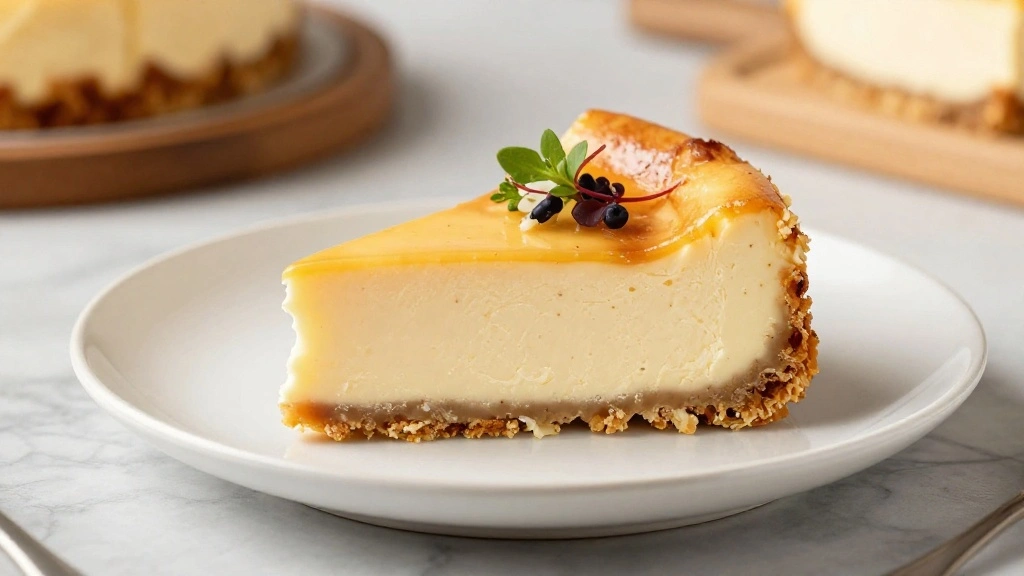
The classic cheesecake recipe brings together centuries of culinary tradition with modern techniques to create a dessert that’s both comforting and elegant.
Rich and creamy, with a smooth texture that melts in your mouth, this cheesecake is a true indulgence for dessert lovers.
I discovered this recipe during my travels through New York, where local chefs have perfected it through generations of careful refinement.
Whether you’re preparing a casual family dinner or hosting a special celebration, this cheesecake delivers impressive results with straightforward preparation.
The History and Cultural Significance
• Cheesecake traces its origins to ancient Greece, where it was originally created by Greek bakers as early as 2000 BC.
• The dish evolved over decades as Romans brought the recipe to Europe, eventually becoming the beloved version we know today with the addition of cream cheese in 19th century America.
• In American culture, this dish traditionally appears at holiday gatherings and celebrations, symbolizing indulgence and festivity.
• While many variations exist across different regions, the authentic version maintains a dense yet creamy texture that sets it apart from imitations.
Recipe Overview
Nutritional Information (per serving)


Essential Equipment Guide
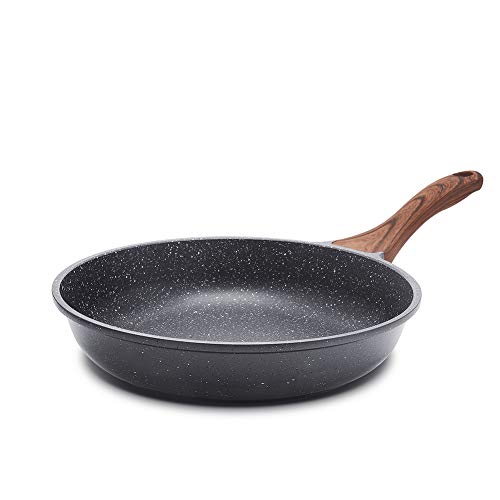
Springform Pan: A springform pan is crucial for achieving the classic cheesecake shape and ensuring easy removal without damage. Alternatives like regular cake pans can work but may require lining with parchment paper for easier release. Look for a pan with a non-stick coating and a secure latch to prevent leaking.
Electric Mixer: An electric mixer, either stand or hand-held, is important for achieving a smooth and creamy batter by thoroughly blending the cream cheese and sugar. A whisk can be used as an alternative but requires more effort and may not achieve the same consistency. Choose a mixer with multiple speed settings for better control.
Water Bath: A water bath is essential for evenly cooking the cheesecake and preventing cracks. You can use a large roasting pan filled with hot water for this purpose. Ensure your springform pan is securely wrapped in foil to prevent water from seeping in.


Ingredients
For the Crust
|
| Amount | Ingredient | Notes |
|---|---|---|
| 1.5 cups | graham cracker crumbs | provides a crunchy base |
| 1/4 cup | sugar | adds sweetness |
| 1/2 cup | unsalted butter | melted, binds the crust |
For the Filling
| Amount | Ingredient | Notes |
|---|---|---|
| 4 packages | cream cheese | softened, forms the main body of the cheesecake |
| 1 cup | sugar | sweetens the filling |
| 1 teaspoon | vanilla extract | adds flavor depth |
| 4 large | eggs | room temperature, helps set the filling |
| 2/3 cup | sour cream | adds creaminess |
| 2/3 cup | heavy cream | enhances the texture |
For the Topping
| Amount | Ingredient | Notes |
|---|---|---|
| 1 cup | sour cream | smooth layer for the top |
| 2 tablespoons | sugar | sweetens the topping |
| 1 teaspoon | vanilla extract | adds flavor |


Preparation Methods
Water Bath Technique: A water bath, or bain-marie, involves placing the cheesecake in a larger pan filled with hot water during baking. This technique is crucial for even heat distribution and preventing the top of the cheesecake from cracking. Ensure the springform pan is tightly wrapped in aluminum foil to avoid water leakage.
Creaming Method: The creaming method involves beating the cream cheese until smooth before gradually incorporating sugar. This technique is essential for creating a creamy and lump-free batter. Ensure the cream cheese is softened and use an electric mixer for best results.
Chilling Process: After baking, the cheesecake must be chilled for several hours or overnight to fully set. This step is vital for achieving the dense, creamy texture that is characteristic of a classic cheesecake. To expedite the process, allow the cheesecake to cool at room temperature before refrigerating.
Step 1: Prepare the Crust
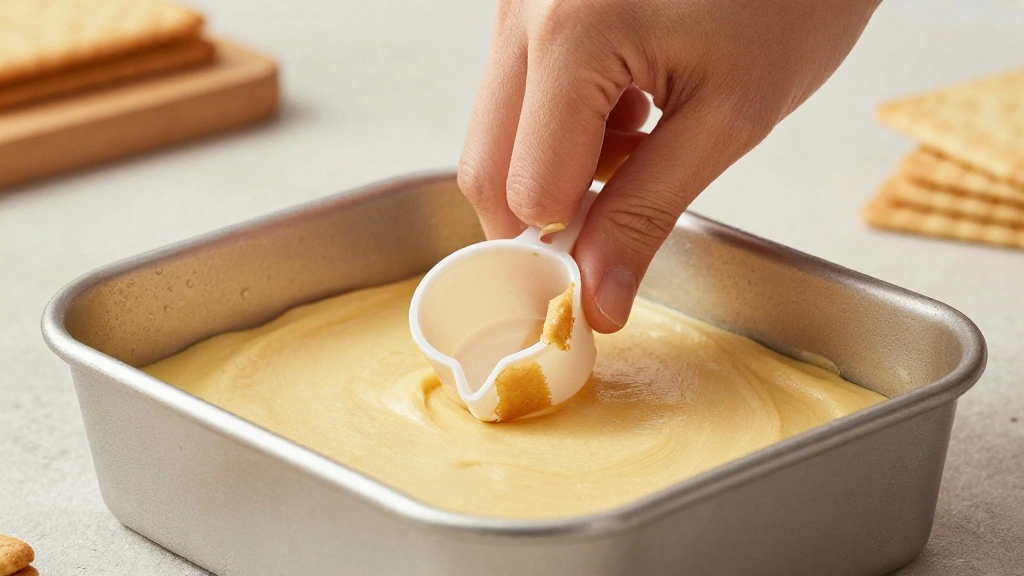
Preheat your oven to 325°F (162°C).
Combine graham cracker crumbs, sugar, and melted butter in a bowl.
Mix until the crumbs are evenly coated and resemble wet sand.
Press the mixture firmly into the bottom of a 9-inch springform pan.


Step 2: Bake the Crust
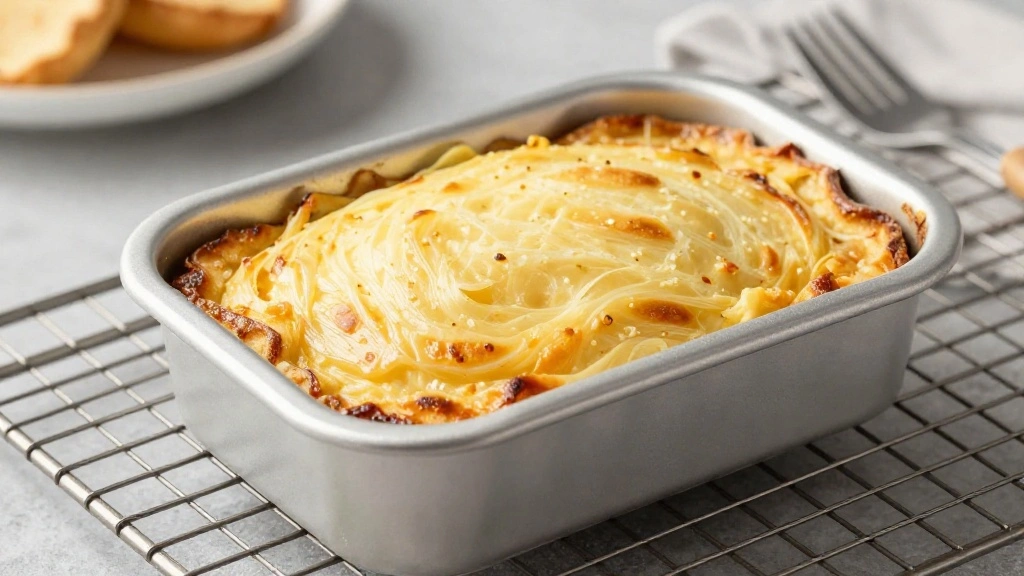
Place the prepared crust in the preheated oven.
Bake for 10 minutes until lightly golden.
Remove from the oven and let cool completely.
Set aside while preparing the filling.
Step 3: Beat the Cream Cheese
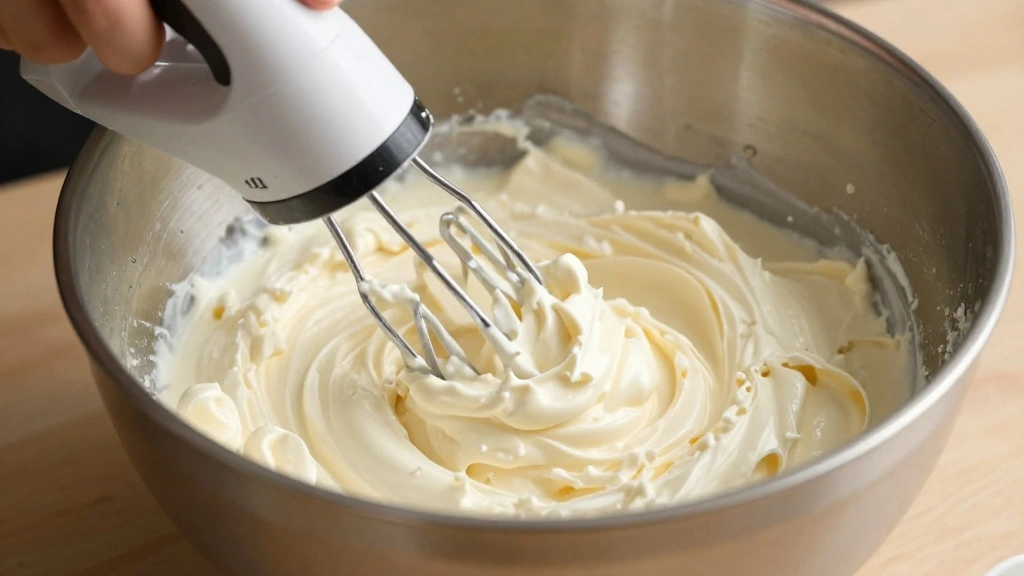
In a large mixing bowl, beat the softened cream cheese with an electric mixer.
Start at low speed to prevent splattering and gradually increase to medium-high.
Continue beating until the cream cheese is smooth and free of lumps.
Scrape down the sides of the bowl as needed.
Step 4: Add Sugar and Vanilla
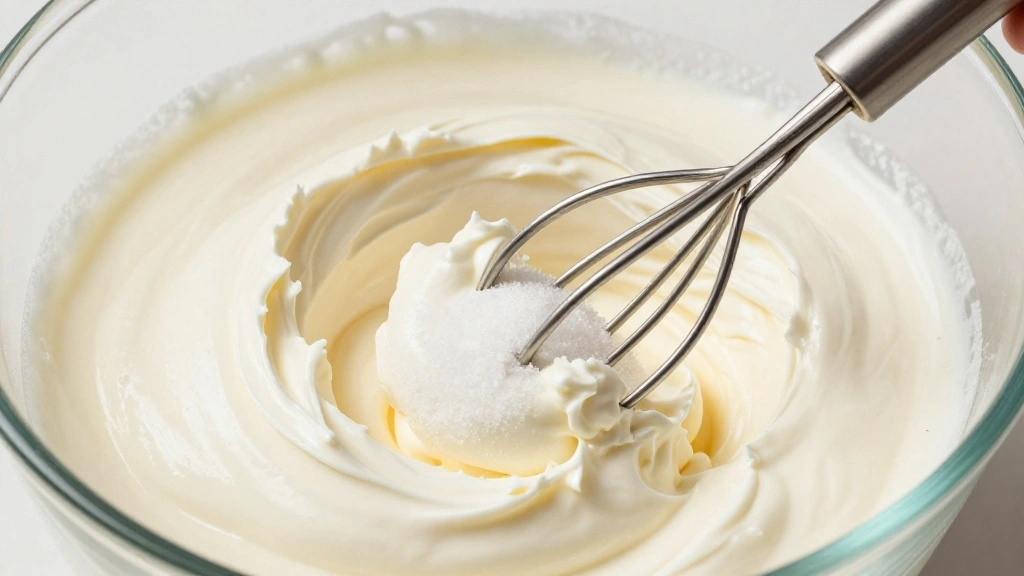
Gradually add sugar to the cream cheese while continuing to mix.
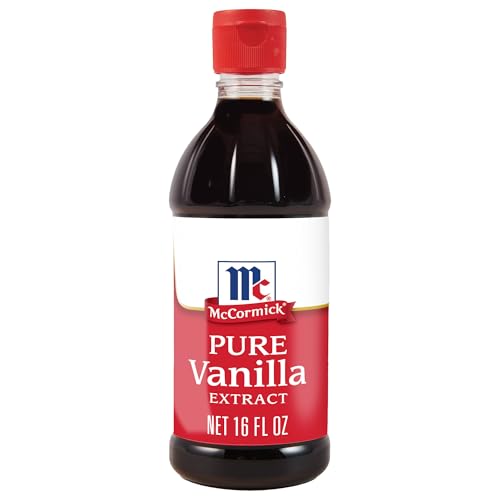
Pour in the vanilla extract for added flavor.
Beat until the sugar is fully incorporated and the mixture is smooth.
Ensure the mixture is creamy without any visible grains.


Step 5: Incorporate Eggs
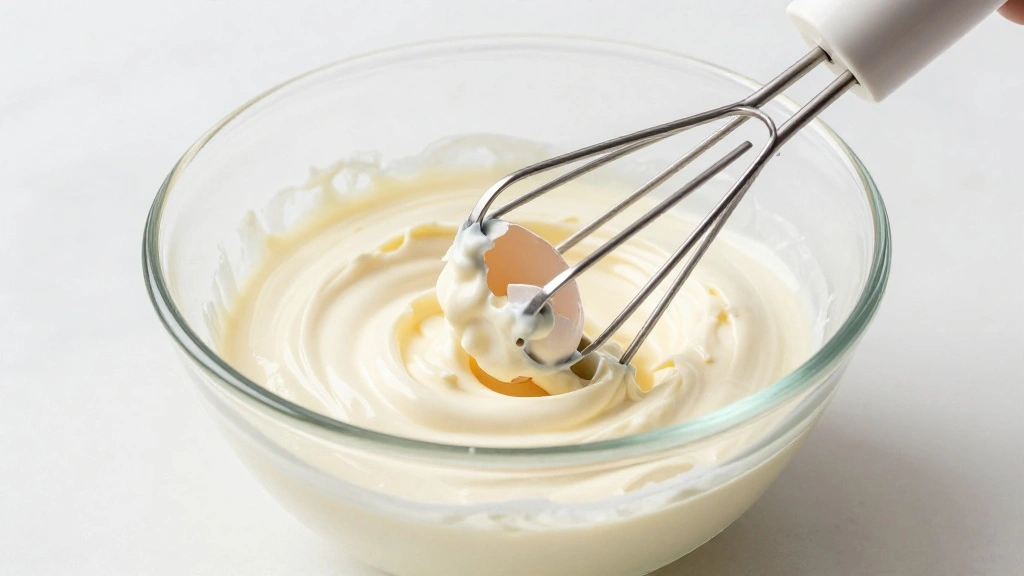
Add the eggs one at a time, mixing well after each addition.
Ensure each egg is fully incorporated before adding the next.
Scrape the sides of the bowl to ensure even mixing.
Avoid overbeating to prevent excess air incorporation.


Step 6: Blend in Sour Cream and Heavy Cream
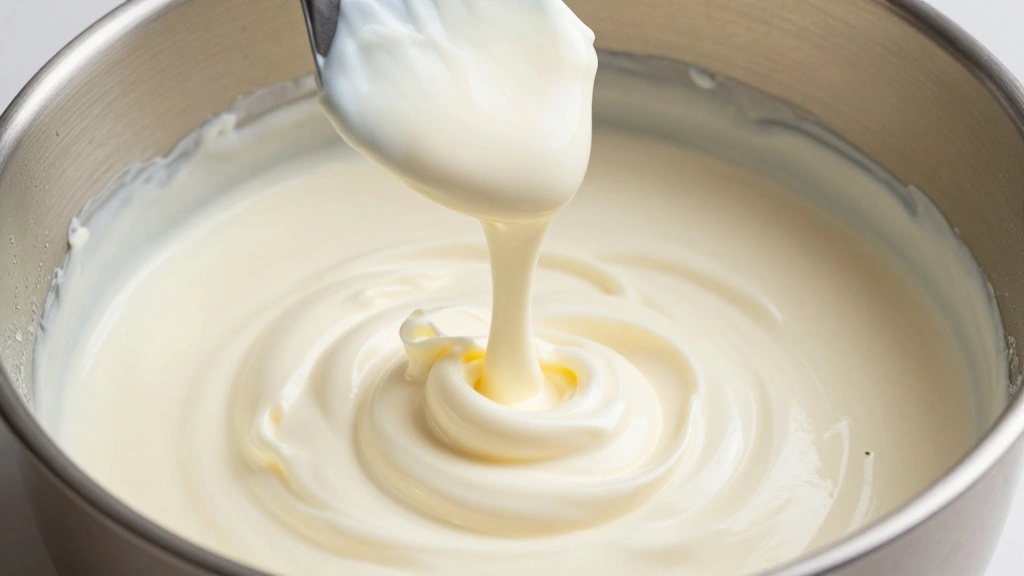
Add sour cream and heavy cream to the mixture.
Mix at low speed until combined, ensuring a smooth consistency.
Do not overmix to maintain a creamy texture.
The batter should be thick and silky.
Step 7: Pour Filling into Crust
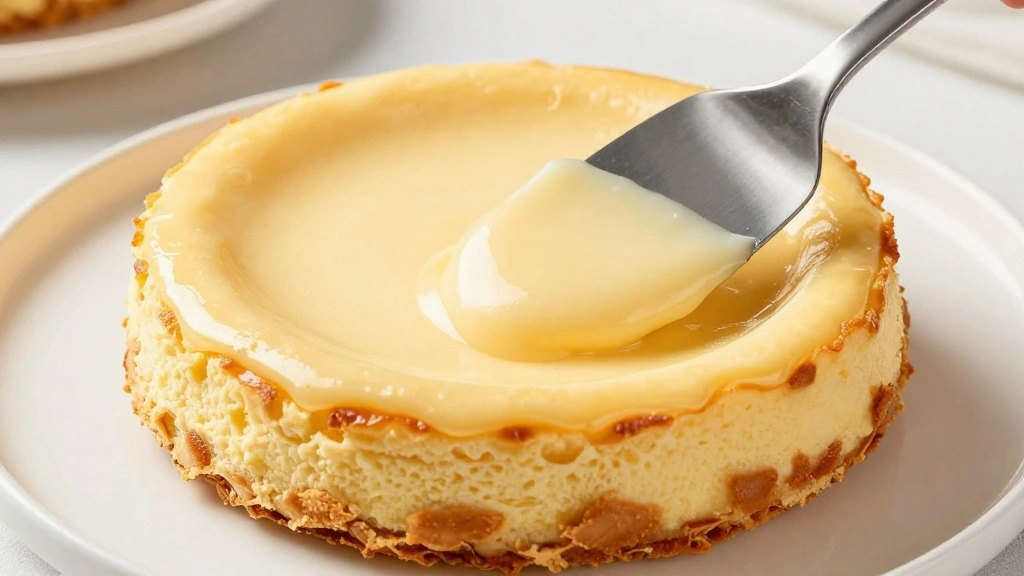
Pour the prepared filling over the cooled crust in the springform pan.
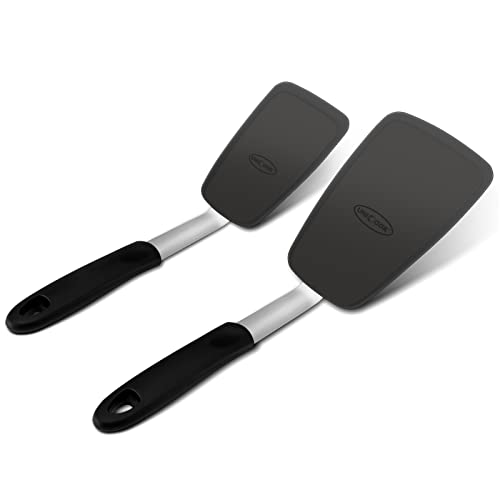
Smooth the top with a spatula for an even surface.
Ensure the filling is evenly distributed.
Tap the pan gently to remove any air bubbles.


Step 8: Prepare and Bake in Water Bath
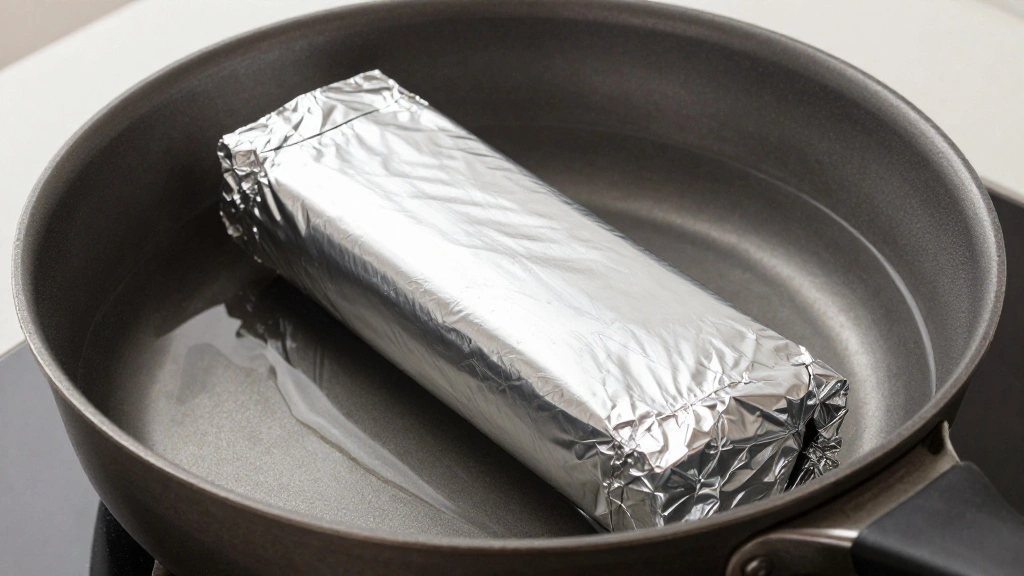
Wrap the bottom of the springform pan with aluminum foil.
Place the pan in a larger roasting pan.
Fill the roasting pan with hot water halfway up the sides of the springform pan.
Bake in the preheated oven for 60 minutes, or until set.
Step 9: Cool the Cheesecake
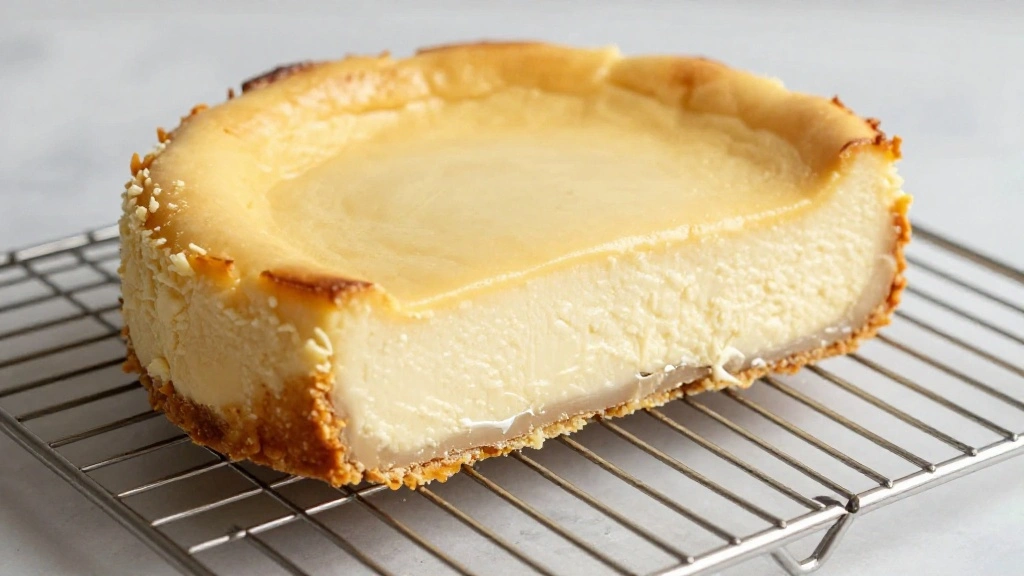
Turn off the oven and open the door slightly.
Allow the cheesecake to cool in the oven for 1 hour.
Remove from the oven and let cool completely at room temperature.
Refrigerate for at least 4 hours or overnight to set.
Step 10: Prepare the Topping
In a small bowl, combine sour cream, sugar, and vanilla extract.
Mix until smooth and well combined.
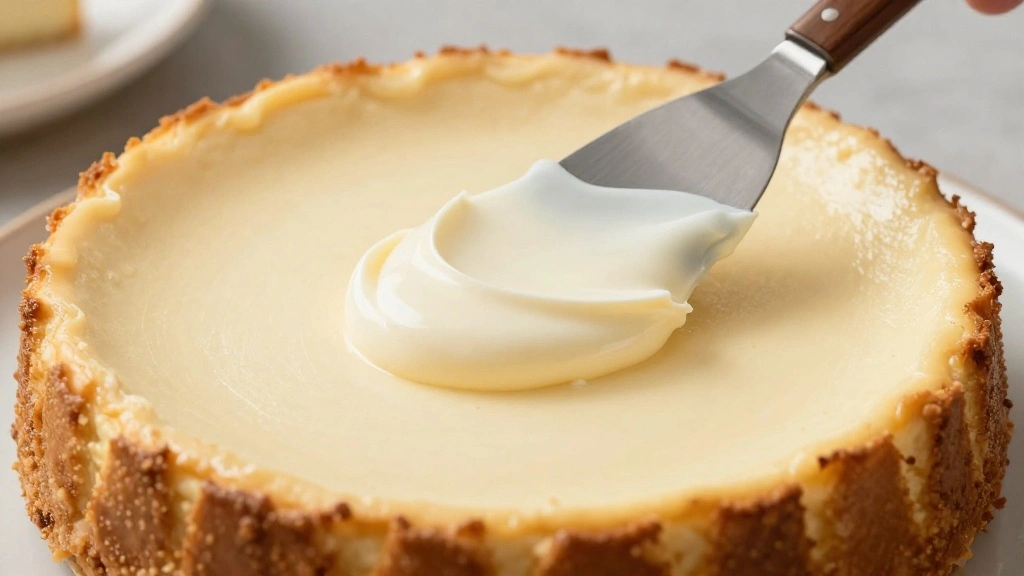
Spread the topping evenly over the chilled cheesecake.
Use a spatula to create a smooth finish.
Critical Timing and Temperature Guide
Baking: Bake the cheesecake at 325°F (162°C) for 60 minutes. The edges should be firm while the center remains slightly wobbly. Avoid overbaking to prevent cracks.
Cooling: Cool the cheesecake in the oven for 1 hour, then at room temperature. This gradual cooling helps prevent surface cracks. Avoid sudden temperature changes.
Chilling: Refrigerate for a minimum of 4 hours or overnight. Proper chilling ensures the cheesecake sets completely and achieves the desired texture.
Pro Tips for Cheesecake Recipe (Creamy,
• Ingredient Selection: Choose high-quality cream cheese for the best flavor and texture. Fresh, full-fat cream cheese yields superior results.
• Preparation Secret: Allow cream cheese and eggs to reach room temperature before mixing. This ensures a smoother, lump-free batter.
• Temperature Management: Keep all ingredients at similar temperatures to prevent curdling or separation.
• Texture Enhancement: Beat the cream cheese until completely smooth before adding other ingredients. This step is crucial for achieving a creamy texture.
• Flavor Layering: Use real vanilla extract for depth of flavor. Avoid artificial extracts which can taste synthetic.
• Make-Ahead Strategies: Prepare the crust and filling a day in advance. Store separately in the refrigerator until ready to bake.
• Restaurant-Quality Finishing Touches: Garnish with fresh berries or a dusting of powdered sugar for an elegant presentation.
• Equipment Optimization: Ensure your electric mixer is functioning properly to avoid uneven mixing, which can lead to lumps.
Troubleshooting Common Issues
• Cracked Surface: Cracks can occur due to overbaking or rapid temperature changes. Cool gradually and use a water bath to prevent this issue.
• Dense Texture: A dense cheesecake may result from overmixing or using cold ingredients. Ensure ingredients are at room temperature and mix just until combined.
• Undercooked Center: If the center remains undercooked, bake for additional time in 5-minute increments, checking frequently to avoid overbaking.
• Leaking Water Bath: Water leakage into the cheesecake can be prevented by tightly wrapping the pan with multiple layers of foil.
• Uneven Browning: Rotate the cheesecake halfway through baking to ensure even browning. Use an oven thermometer to verify accurate temperature.


Variations and Regional Differences
• New York Style: Characterized by its dense and rich texture, often made with heavy cream and extra egg yolks for added richness.
• Italian Style: Uses ricotta cheese instead of cream cheese, resulting in a lighter and slightly grainy texture.
• Japanese Style: Known for its fluffy, soufflé-like texture, achieved by folding in whipped egg whites and baking in a water bath.
• German Style: Incorporates a quark cheese base, leading to a tangy flavor and lighter consistency.


Food Science Behind the Recipe
• Protein Coagulation: During baking, proteins in the eggs coagulate, setting the structure of the cheesecake. Understanding this helps achieve the perfect set without overbaking.
• Emulsification: Cream cheese acts as an emulsifier, allowing fats and liquids to mix smoothly, which is crucial for a creamy texture.
• Maillard Reaction: This browning reaction enhances flavor and color on the surface of the cheesecake, contributing to its appetizing appearance.
Frequently Asked Questions
What's the most common mistake people make when preparing cheesecake? Overmixing the batter, which incorporates too much air, can cause the cheesecake to rise and crack.
Can I use low-fat cream cheese? Low-fat cream cheese can be used but may result in a less creamy and rich texture.
How do I prevent my cheesecake from cracking? Use a water bath and cool gradually to prevent surface cracks.
Why is my cheesecake too dense? Dense texture can be due to overmixing or using cold ingredients. Ensure everything is at room temperature.
Can I freeze cheesecake? Yes, wrap the cheesecake tightly in plastic wrap and foil before freezing. Thaw in the refrigerator before serving.
How do I know when my cheesecake is done? The edges should be set, and the center should still have a slight wobble.
What toppings work well with cheesecake? Fresh berries, fruit compotes, or a drizzle of chocolate or caramel sauce are popular choices.
How far in advance can I make cheesecake? Cheesecake can be made up to 3 days in advance and stored in the refrigerator.
Serving and Presentation Guide
• Traditional Presentation: Serve chilled on a cake stand, garnished with a dollop of whipped cream and fresh berries.
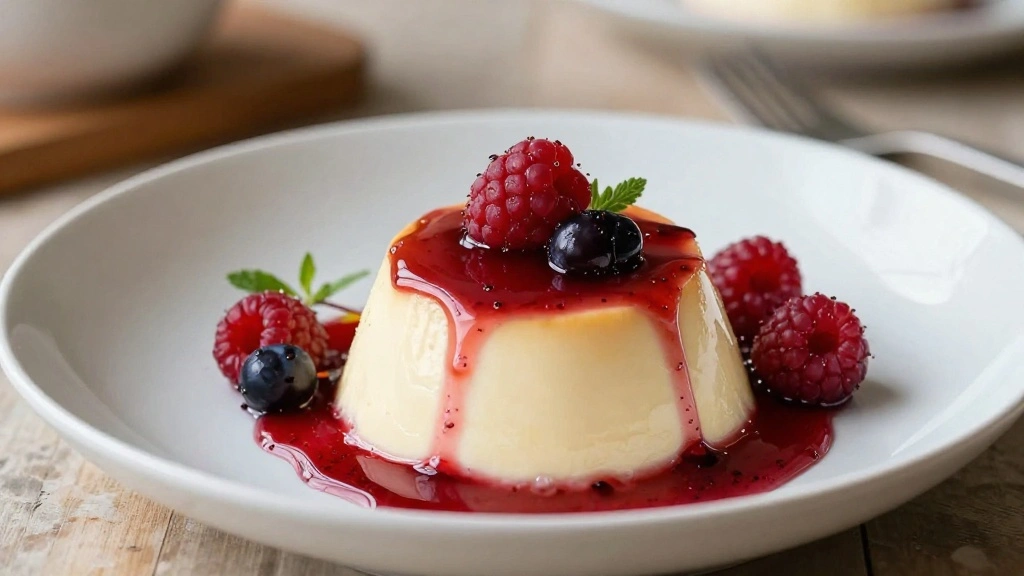
• Individual Portions: Cut into even slices, each served on a dessert plate with a fruit coulis drizzle.
• Rustic Style: Present on a wooden board with a selection of fresh fruits and mint leaves for a casual look.
• Elegant Plating: Use a stencil to dust powdered sugar or cocoa powder in a decorative pattern over the top.


Conclusion
Whether you're a seasoned baker or a novice in the kitchen, this classic cheesecake recipe promises to impress with its creamy texture and delightful flavor.
By following the detailed steps and tips provided, you can create a restaurant-quality dessert that will wow your guests.
Try this foolproof recipe today and enjoy the timeless delight of a perfect cheesecake.