
There’s something magical about sipping on a perfectly chilled iced coffee on a warm day.
The rich, bold flavors of the coffee combined with the slight sweetness and creaminess create a refreshing experience that’s hard to resist.
I discovered this easy iced coffee recipe while experimenting in my home kitchen, and it quickly became a staple in my morning routine.
This recipe brings a touch of cafe sophistication to your home without the hefty price tag.
Whether you’re an iced coffee aficionado or a casual drinker, this recipe will surprise you with its simplicity and flavor.
Get ready to elevate your coffee game effortlessly.
The History and Cultural Significance
• Iced Coffee Recipe traces its origins to Algeria in the early 19th century, where it was originally created by French soldiers.
• The dish evolved over decades as brewing techniques improved and cold beverages became popular, eventually becoming the beloved version we know today.
• In Vietnam, this dish traditionally appears at breakfast, symbolizing the fusion of French and Vietnamese cultures.
• While many variations exist across different regions, the authentic version maintains a balance of strong coffee and sweetness that sets it apart from imitations.
Recipe Overview
Nutritional Information (per serving)


Essential Equipment Guide
French Press: A French press is crucial for making strong coffee with a robust flavor. An alternative could be a drip coffee maker, but the intensity might differ. Look for a French press with a fine mesh filter for the best results.
Ice Cube Tray: Essential for making ice cubes that won’t dilute your coffee too much. Silicone trays are easy to remove ice from and are recommended.
Blender: If you prefer a frothy iced coffee, a blender can help mix the ingredients thoroughly. A handheld milk frother can be an alternative for small batches.


Ingredients
For the Coffee
| Amount | Ingredient | Notes |
|---|---|---|
| 1 cup | strong brewed coffee | preferably from a French press |
| 1 cup | ice cubes | made from filtered water |
For the Sweetener
| Amount | Ingredient | Notes |
|---|---|---|
| 1 tablespoon | sugar | adjust to taste |
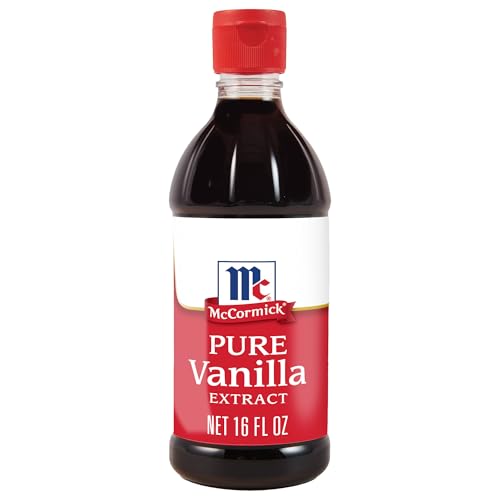
| 1 teaspoon | vanilla extract | adds depth of flavor |
For the Cream
| Amount | Ingredient | Notes |
|---|---|---|
| 1/4 cup | milk or cream | provides creaminess and richness |


Preparation Methods
Cold Brewing: Cold brewing enhances the flavor of iced coffee by extracting a smoother, less acidic brew. This method involves steeping coffee grounds in cold water for an extended period, usually 12-24 hours. Mastering cold brewing requires patience and experimentation with steeping times.
Sweetening Technique: Dissolving sugar in hot coffee ensures even sweetness without graininess. This technique matters for maintaining a smooth texture in the final drink.
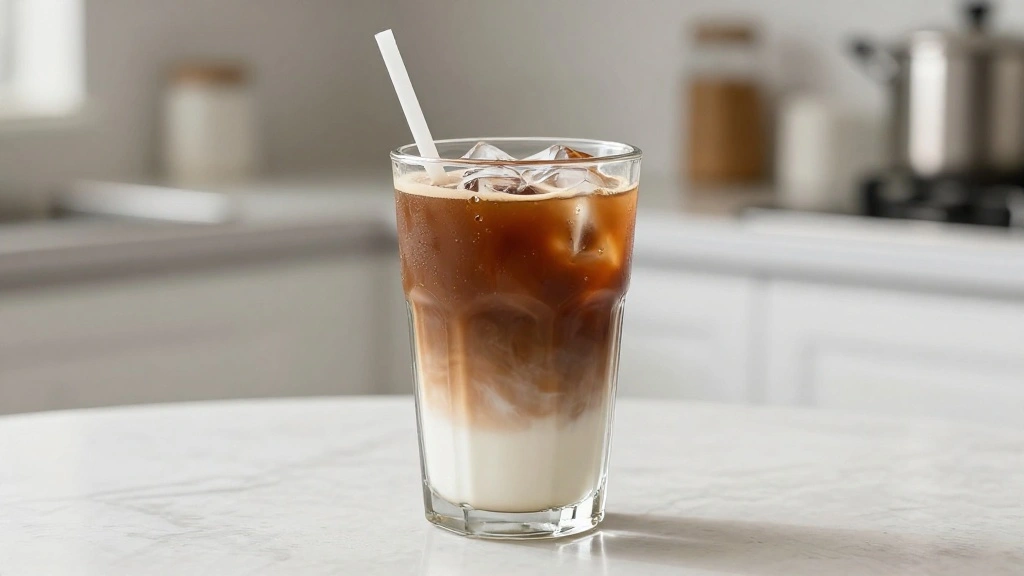
Layering: Pouring coffee over ice and then adding milk creates visually appealing layers. This technique adds an aesthetic touch, making the drink more inviting.
Step 1: Brew the Coffee

Brew a strong cup of coffee using your preferred method.
Ensure the coffee is hot, as it will help dissolve the sugar better.
Use a French press for a robust and full-bodied flavor.
Let the coffee cool slightly before proceeding to the next step.
Step 2: Sweeten the Coffee
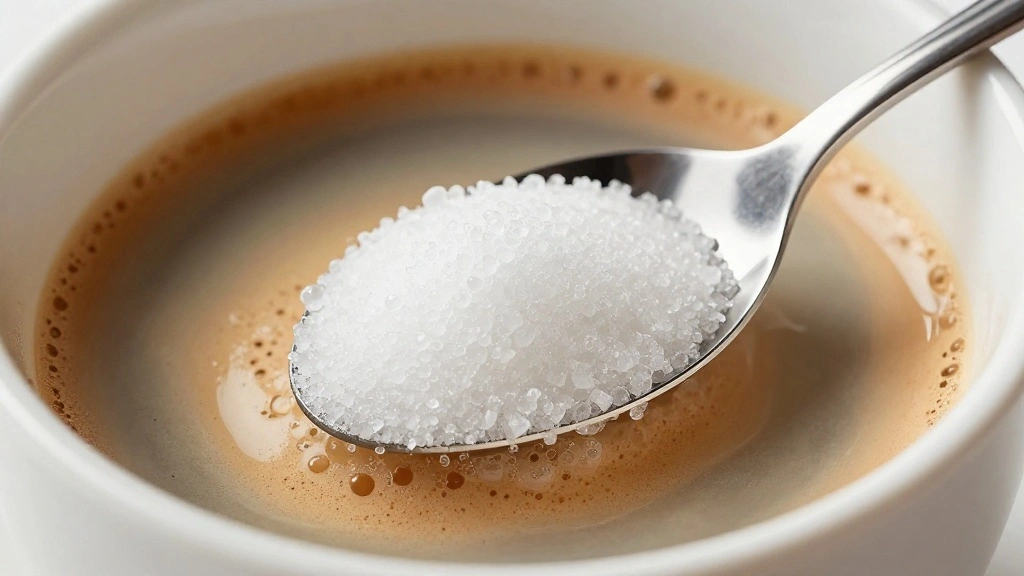
Add sugar to the hot coffee and stir until fully dissolved.
Ensure there are no sugar granules left undissolved.
Taste and adjust the sweetness according to your preference.
The goal is to achieve a smooth, sweet taste without overpowering the coffee.
Step 3: Cool the Coffee

Allow the sweetened coffee to cool to room temperature.
Transfer the coffee to a fridge if you want to speed up the cooling process.
Cooling the coffee prevents it from melting the ice too quickly.
This step is crucial for maintaining the integrity of the iced coffee.
Step 4: Prepare the Ice
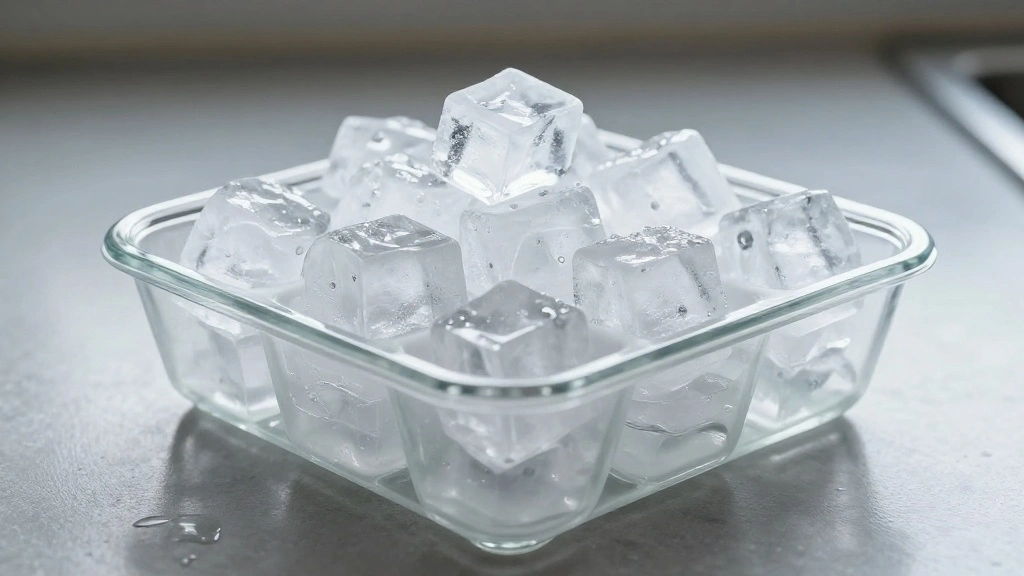
Fill a glass with ice cubes made from filtered water.
Ensure the ice cubes are fresh and free from freezer odors.
Using filtered water prevents unwanted flavors in the ice.
The ice should fill the glass about halfway to three-quarters full.
Step 5: Combine Coffee and Ice

Pour the cooled coffee over the prepared ice cubes in the glass.
Allow the coffee to chill further as it interacts with the ice.
The ice will start to melt slightly, balancing the coffee’s strength.
Make sure not to overflow the glass with coffee.
Step 6: Add Vanilla Extract

Add a teaspoon of vanilla extract to the coffee.
Stir gently to incorporate the vanilla evenly.
The vanilla will add a subtle depth and aroma to the drink.
Ensure the vanilla is well mixed for consistent flavor throughout.
Step 7: Add the Cream
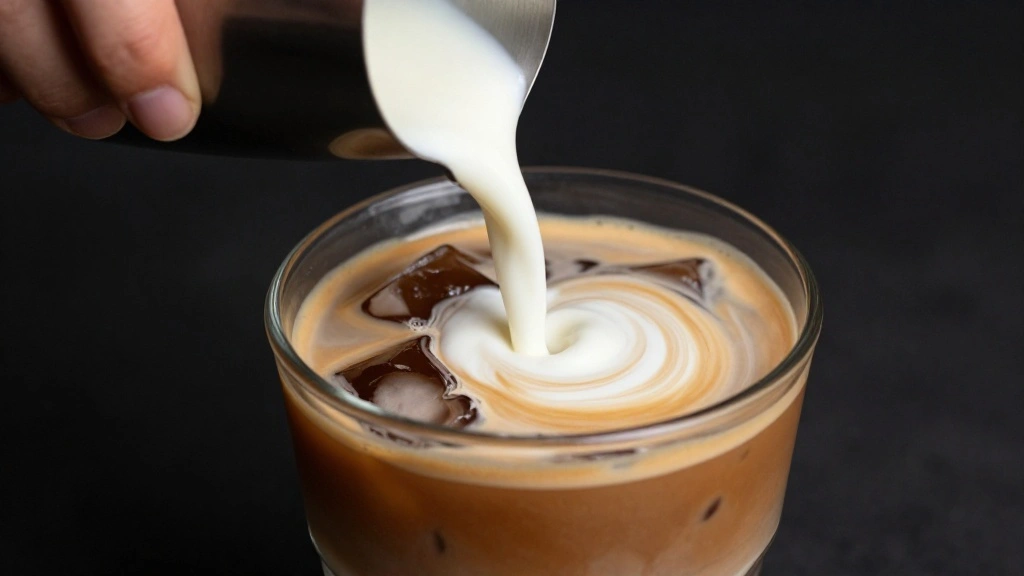
Pour milk or cream into the glass over the coffee and ice.
Observe the beautiful swirling effect as the cream mixes.
Stir gently to combine all the components evenly.
Ensure the cream is distributed for a balanced taste.
Step 8: Serve and Enjoy
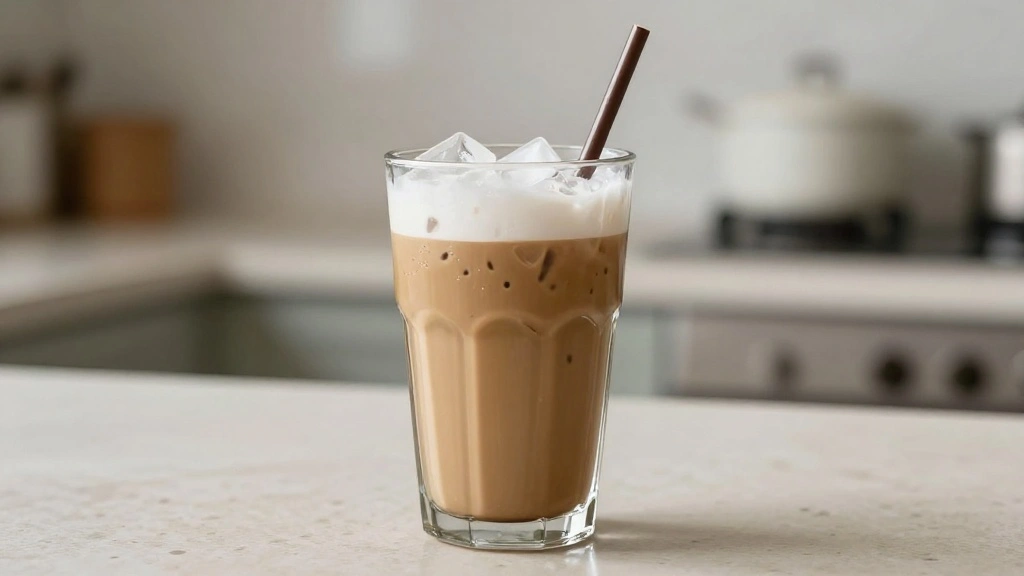
Place a straw in the glass for easy sipping.
Taste and adjust sweetness or creaminess if necessary.
Enjoy your homemade iced coffee immediately for the best experience.
Relish the rewarding taste of a cafe-quality drink at home.
Critical Timing and Temperature Guide
Brewing Coffee: Brew coffee at around 200°F for optimal flavor extraction. Avoid over-brewing to prevent bitterness.
Cooling Coffee: Cool sweetened coffee to room temperature before adding ice to prevent excessive dilution. Rapid cooling in the fridge is effective.
Serving Temperature: Serve the iced coffee immediately after preparation for the best flavor and texture. Delays can lead to watered-down results.
Pro Tips for Iced Coffee Recipe
• Ingredient Selection: Choose high-quality, freshly ground coffee beans as they dramatically influence the final taste.
• Preparation Secret: Use coffee ice cubes instead of water ice cubes to prevent dilution and enhance flavor.
• Temperature Management: Keep coffee and milk cold until the moment of serving to maintain optimal temperature.
• Texture Enhancement: Froth the milk before adding it to achieve a creamy, latte-like texture.
• Flavor Layering: Add a pinch of sea salt to the coffee to balance sweetness and enhance flavors subtly.
• Make-Ahead Strategies: Brew and sweeten coffee in advance, storing it in the fridge for up to two days for quick assembly.
• Restaurant-Quality Finishing Touches: Garnish with a sprinkle of cinnamon or a dollop of whipped cream for a professional touch.
• Equipment Optimization: Use a blender for a quick froth if you don't have a milk frother, ensuring a well-mixed drink.


Troubleshooting Common Issues
• Coffee Too Weak: This issue often arises from under-brewing or using too little coffee. Use a higher coffee-to-water ratio and ensure proper brewing time.
• Flavors Unbalanced: Overpowering sweetness or bitterness can occur from incorrect sugar or coffee measurements. Adjust sugar levels gradually and taste frequently.
• Texture Too Watery: This happens if coffee is not cooled before adding ice. Always cool coffee to room temperature to avoid excessive ice melting.
• Poor Cream Incorporation: Uneven mixing can lead to clumps or separation. Stir thoroughly and consider using a frother for even distribution.
• Overly Bitter Coffee: Excessive brewing time or high temperature can cause bitterness. Maintain the correct brewing temperature and time.
Variations and Regional Differences
• Vietnamese Iced Coffee: Uses sweetened condensed milk instead of sugar and cream, resulting in a rich and sweet flavor profile.
• Thai Iced Coffee: Incorporates cardamom and sometimes star anise, offering a spiced and aromatic twist on the classic.
• Greek Frappe: Made with instant coffee, sugar, and milk, shaken to create a frothy, cold beverage.
• Japanese Iced Coffee: Brewed directly over ice, capturing intense flavors without dilution, often served with a touch of syrup.
Food Science Behind the Recipe
• Flavor Extraction: Understanding the role of temperature in coffee brewing helps optimize flavor extraction without bitterness.
• Solubility of Sugar: Sugar dissolves more readily in hot liquids, ensuring even sweetness without graininess in the final drink.
• Cooling Dynamics: Rapid cooling of coffee helps preserve volatile compounds that contribute to its aroma and complex flavor profile.
Frequently Asked Questions
What's the most common mistake people make when preparing iced coffee? Overlooking the importance of cooling the coffee before adding ice, leading to excessive dilution.
Can I use any type of coffee for iced coffee? While any coffee can technically be used, freshly ground, high-quality coffee beans yield the best flavor.
How can I make my iced coffee less bitter? Ensure correct brewing temperature and time, and consider adding a pinch of salt to balance bitterness.
Is there a way to make iced coffee without it getting watery? Use coffee ice cubes instead of regular ice to maintain the coffee's strength.
How long can I store brewed coffee in the fridge? Brewed coffee can be stored in the fridge for up to 48 hours for optimal freshness.
Can I use flavored syrups in my iced coffee? Yes, flavored syrups can enhance the drink's taste and offer variety.
What's the best milk to use for iced coffee? Whole milk or cream provides the richest texture, but alternatives like almond or oat milk can be used for a different flavor profile.
How do I prevent my iced coffee from separating? Stir well or use a blender to ensure even mixing of all ingredients.
Serving and Presentation Guide
• Traditional Presentation: Serve in a clear glass with a straw, showcasing the layers of coffee, cream, and ice.
• Modern Minimalist: Use a mason jar for a trendy, rustic look, topped with a minimal garnish like a single mint leaf.
• Gourmet Style: Add a dollop of whipped cream and a sprinkle of cocoa powder for an indulgent touch.
• On-the-Go: Prepare in a travel mug with an insulated lid for easy transportation while maintaining temperature.


Conclusion
Creating an iced coffee at home that rivals your favorite cafe is both satisfying and simple.
With this recipe, you can enjoy a refreshing, delicious drink tailored to your taste preferences.
Try this recipe and bring a little bit of barista magic to your own kitchen.