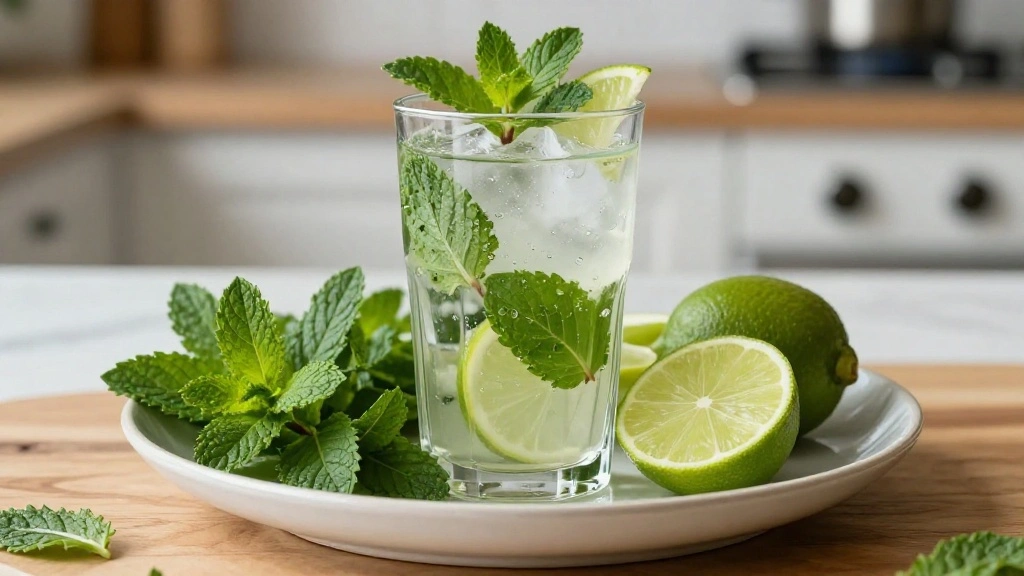

This classic Easy Red Wine Sangria Recipe with Fresh Fruit brings together centuries of culinary tradition with modern techniques to create a drink that’s both refreshing and sophisticated.
The harmonious balance of robust red wine, citrus, and fresh fruit creates a memorable beverage experience that will have everyone asking for your secret.
I discovered this recipe during a summer visit to Spain, where local chefs have perfected it through generations of careful refinement.
Whether you’re preparing a casual family dinner or hosting a special celebration, this Easy Red Wine Sangria delivers impressive results with straightforward preparation.
The History and Cultural Significance
• Red Wine Sangria traces its origins to Spain, where it was originally created by local farmers in the 18th century.
• The dish evolved over decades as it incorporated local fruits and spices, eventually becoming the beloved version we know today.
• In Spanish culture, this dish traditionally appears at summer festivals and family gatherings, symbolizing community and celebration.
• While many variations exist across different regions, the authentic version maintains the use of robust red wine and fresh citrus that sets it apart from imitations.
Recipe Overview
Nutritional Information (per serving)


Essential Equipment Guide
Large Pitcher: A large pitcher is essential for mixing and serving the sangria, allowing ample space for the wine and fruit to mingle and infuse.
Sharp Knife: A sharp knife is crucial for slicing fruits thinly and evenly, ensuring consistent flavor distribution and an attractive presentation.
Wooden Spoon: A wooden spoon is perfect for gently stirring the sangria, helping to combine the ingredients without damaging the fruit.



Ingredients
For the Sangria
|
| Amount | Ingredient | Notes |
|---|---|---|
| 1 bottle | red wine | preferably Spanish, such as Tempranillo |
| 1 cup | orange juice | freshly squeezed for natural sweetness |
| 1/4 cup | brandy | adds depth of flavor |
| 2 tablespoons | sugar | adjust to taste |
| 1 medium | orange | sliced into rounds |
| 1 medium | lemon | sliced into rounds |
| 1 medium | lime | sliced into rounds |
| 1 cup | mixed berries | such as strawberries, raspberries, and blueberries |
| 1 cup | sparkling water | for a refreshing finish |
Preparation Methods
Infusion: Infusing the wine with fruits is crucial for developing the complex flavors of sangria. Allow the mixture to rest in the fridge for at least 2 hours, but overnight is best for a deeper taste.
Balancing Sweetness: Balance the sweetness by adjusting the sugar and orange juice according to taste. Taste the mixture after the initial infusion and adjust as needed.
Chilling: Serving sangria chilled is essential. Ensure the mixture is well-refrigerated before serving to enhance the refreshing qualities of the drink.
Step 1: Prepare the Fruits
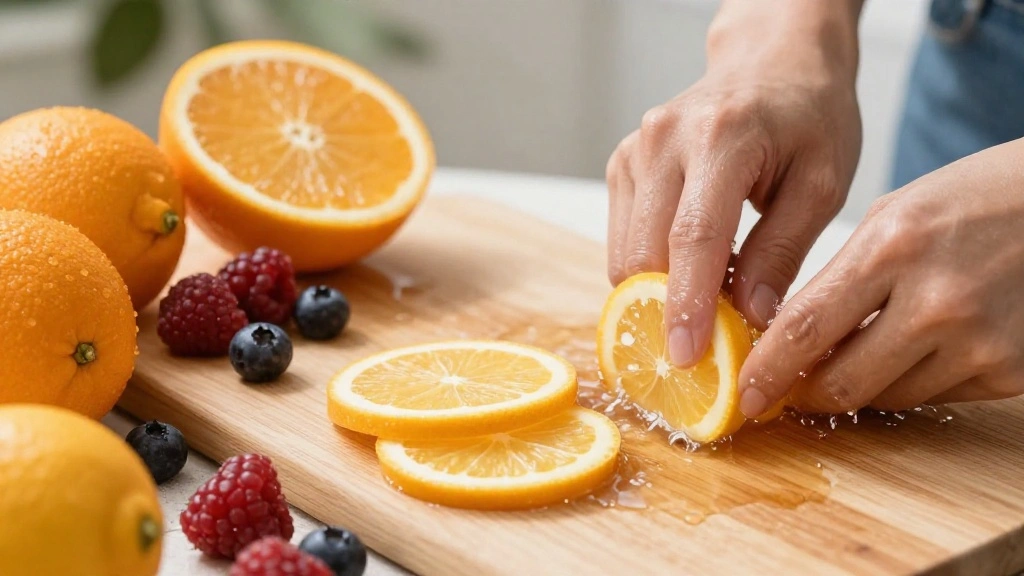
Wash all the fruits thoroughly under cold running water.
Using a sharp knife, slice the orange, lemon, and lime into thin rounds.
Hull and slice the strawberries if using.
Ensure the fruits are fresh and ripe for the best flavor infusion.
Step 2: Combine the Base Ingredients
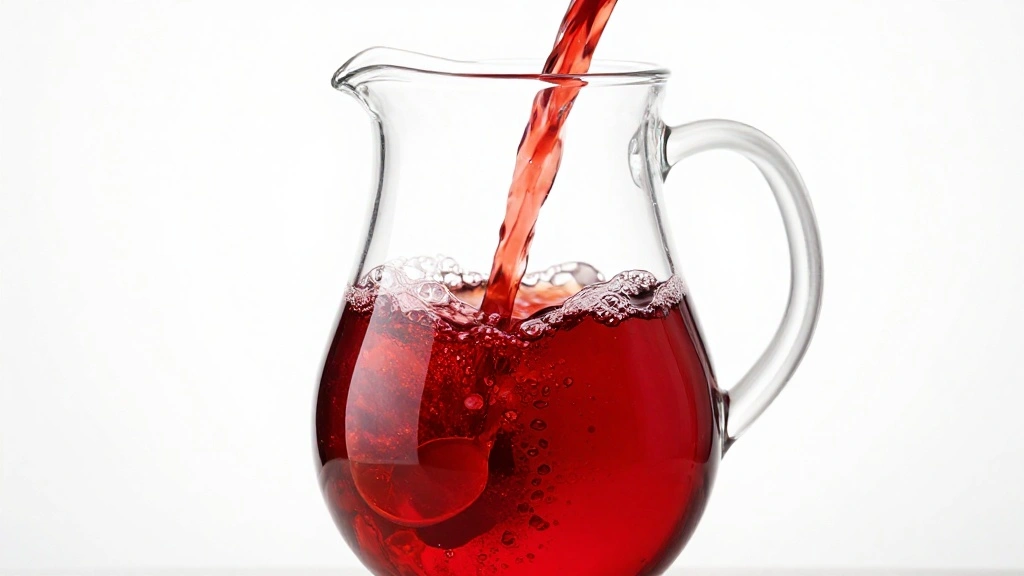
In a large pitcher, pour the entire bottle of red wine.
Add the orange juice and brandy to the pitcher.
Stir in the sugar until it dissolves completely.
Ensure the liquid base is well-mixed before adding fruit.
Step 3: Add the Sliced Fruits
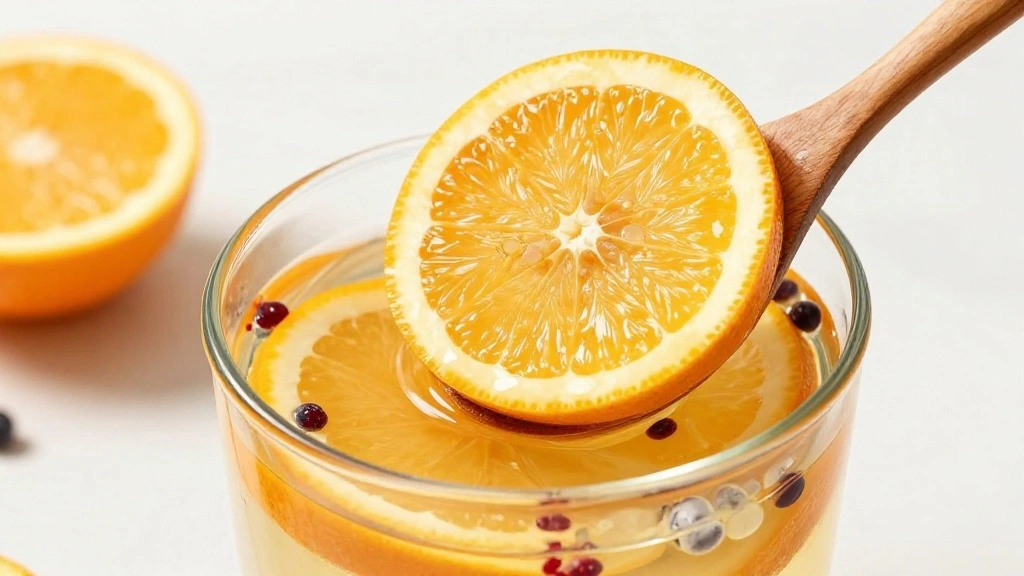
Carefully add the sliced oranges, lemons, and limes to the pitcher.
Gently add the mixed berries to the wine mixture.
Stir the fruits into the liquid base with a wooden spoon, ensuring even distribution.
Be gentle to avoid bruising the fruits.
Step 4: Infuse the Sangria
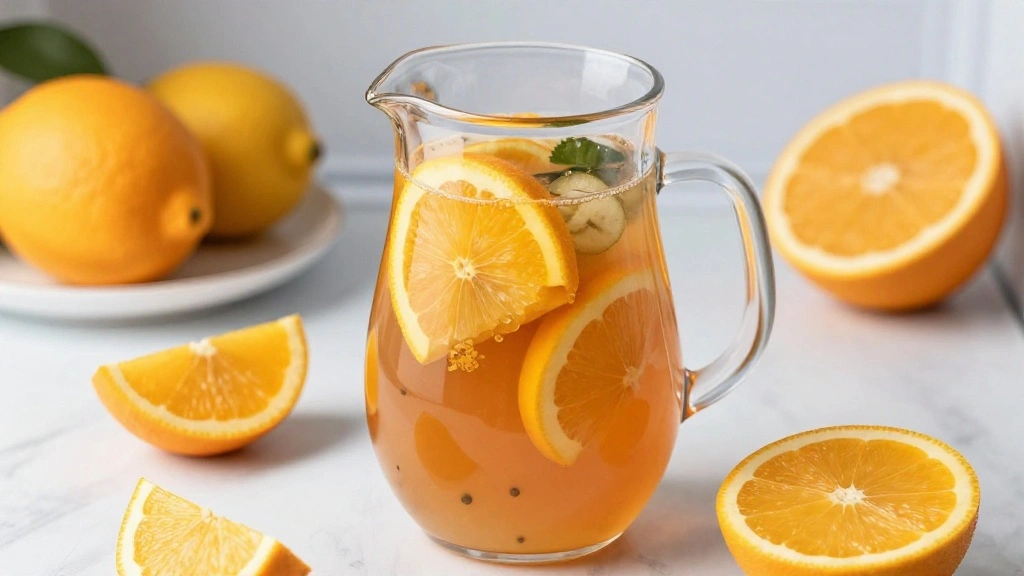
Cover the pitcher with plastic wrap or a lid to prevent odors from the fridge.
Place the pitcher in the refrigerator to chill and infuse for at least 2 hours.
For best results, let it infuse overnight for a richer flavor.
Check occasionally to ensure the fruits are fully submerged.
Step 5: Adjust the Flavor
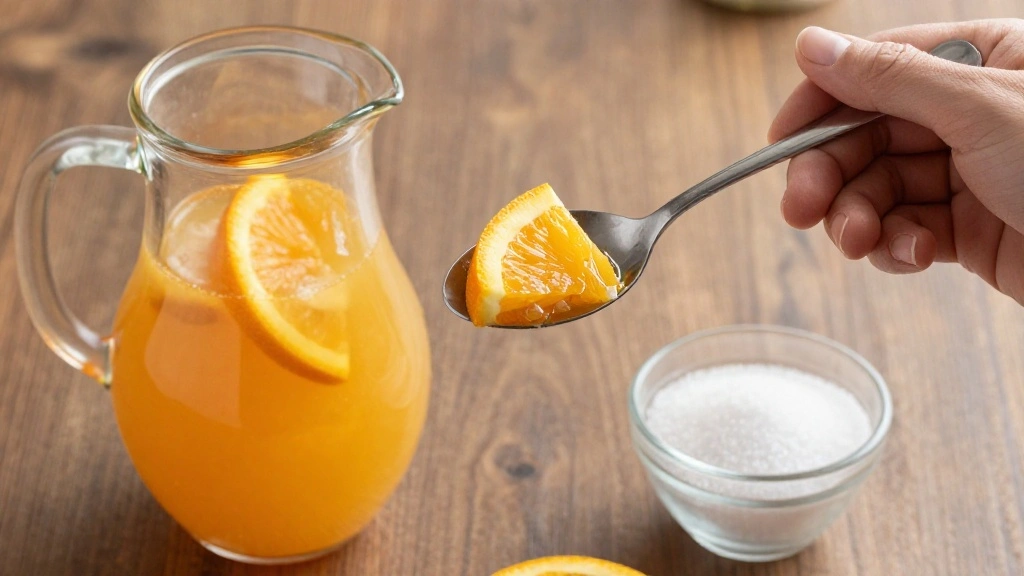
After chilling, taste the sangria to assess sweetness and flavor balance.
If needed, add more sugar or orange juice to adjust sweetness.
Stir well to incorporate any additional ingredients.
Ensure the taste is well-balanced before serving.
Step 6: Add Sparkling Water

Just before serving, gently stir in the sparkling water to the sangria.
This adds a refreshing effervescence to the drink.
Ensure not to over-stir to preserve the carbonation.
The sangria should have a light, bubbly texture.
Step 7: Serve the Sangria
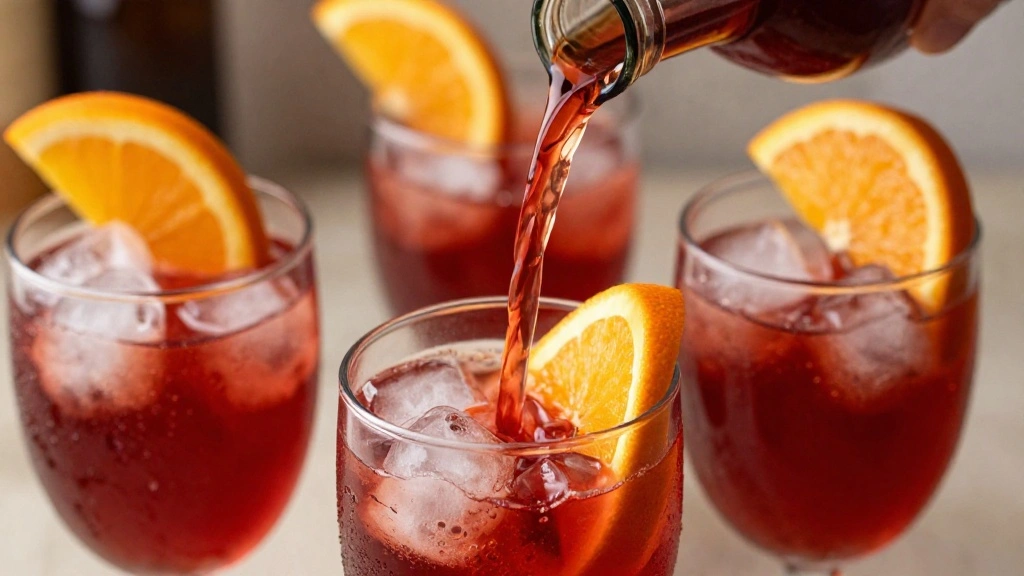
Fill glasses with ice cubes to keep the sangria chilled longer.
Pour the sangria over the ice, ensuring some fruit pieces are included in each glass.
Garnish each glass with a slice of citrus for an elegant touch.
Serve immediately to enjoy at its freshest.
Step 8: Enjoy and Store Leftovers

Enjoy the sangria with friends and family, savoring the vibrant flavors.
Store any leftovers in the fridge, covered, for up to two days.
Flavors may become more intense as it sits.
Serve over fresh ice when enjoying again.
Critical Timing and Temperature Guide
Infusion Time: Allow the sangria to infuse for at least 2 hours, with overnight being optimal for deep flavor development. Ensure the fridge temperature is set between 35-40°F to keep the ingredients fresh.
Chill Time: Always serve sangria chilled. Keep it refrigerated until just before serving to maintain its refreshing quality. Avoid leaving it out for extended periods.
Sparkling Water Addition: Add sparkling water just before serving to maintain its fizz. Adding it too early will result in a flat drink. Look for light bubbles indicating it's fresh.
Pro Tips for Red Wine Sangria
• Ingredient Selection: Choose a good quality, robust Spanish red wine like Tempranillo for authenticity. Fresh, ripe fruits will make a significant difference in flavor.
• Preparation Secret: Muddling a few berries at the bottom of the pitcher before adding the liquid can release additional flavors and aromas.
• Temperature Management: Ensure all ingredients are chilled before preparation to maintain the sangria's refreshing quality.
• Texture Enhancement: Use fruits of varying textures—such as firm apples, juicy oranges, and soft berries—to add complexity to each sip.
• Flavor Layering: Combine citrus with berries for a layered taste profile. Adding a cinnamon stick during infusion adds warmth.
• Make-Ahead Strategies: Prepare the fruit and liquid base a day ahead. Store them separately and combine them with sparkling water just before serving.
• Restaurant-Quality Finishing Touches: Garnish with a sprig of mint or a cinnamon stick for a professional touch.
• Equipment Optimization: Use a glass pitcher to showcase the vibrant colors of the sangria and fruits.
Troubleshooting Common Issues
• Flavors Unbalanced: If the sangria tastes too harsh, add a bit more sugar or orange juice to balance acidity. Taste and adjust gradually.
• Fruit Sinking: If the fruits sink, the sangria may be too dense. Add a bit more sparkling water to lighten the mixture.
• Flat Sangria: Ensure sparkling water is added just before serving. If it's flat, it may have been added too early.
• Overly Sweet: Balance overly sweet sangria by adding more citrus slices or a splash of lemon juice.
• Bland Taste: If the flavor is bland, allow the sangria more time to infuse. Overnight infusion can enhance the depth of flavors.
Variations and Regional Differences
• Spanish Cava Sangria: This version uses sparkling Cava wine instead of red wine, with citrus fruits and a touch of elderflower liqueur for a delicate twist.
• Portuguese Sangria: Incorporates port wine and white wine with cinnamon and apples for a sweeter, spicier variation.
• Mexican Sangria: Often includes tropical fruits like mango and pineapple, with a splash of tequila for a unique flavor.
• White Wine Sangria: Uses white wine, like a crisp Sauvignon Blanc, with green apples and peaches for a lighter, summer-friendly version.
Food Science Behind the Recipe
• Alcohol and Flavor Extraction: Alcohol acts as a solvent, extracting flavors and oils from the fruits, enhancing the overall taste of the sangria.
• Sugar's Role: Sugar helps to balance the acidity of the wine and citrus, creating a harmonious overall flavor.
• Infusion Dynamics: The longer the fruits infuse in the wine, the more complex and integrated the flavors become, thanks to the gradual release of fruit juices and oils.
Frequently Asked Questions
What's the most common mistake people make when preparing Easy Red Wine Sangria? Overlooking the importance of infusion time is a common mistake. Allowing the sangria to infuse adequately ensures the flavors meld properly.
Can I use any type of red wine for sangria? While you can use any red wine, choosing a robust Spanish variety like Tempranillo enhances the authenticity and flavor.
How can I make sangria less sweet? Reduce the amount of sugar and orange juice, and consider adding more citrus or a splash of soda water.
Is it necessary to refrigerate the sangria before serving? Yes, chilling is crucial for flavor development and refreshing quality. It should be served cold.
Can I make sangria without alcohol? Yes, you can substitute the wine with grape juice and the brandy with a splash of apple juice for a non-alcoholic version.
What fruits are best for sangria? Citrus fruits, berries, and apples are traditional choices, but you can experiment with seasonal fruits like peaches or plums.
How long can I store leftover sangria? Leftover sangria can be stored in the refrigerator for up to 2 days. However, the flavors may intensify over time.
Serving and Presentation Guide
• Traditional Presentation: Serve in a large, clear glass pitcher to showcase the vibrant colors of the fruit. Use stemless wine glasses for a casual yet elegant feel.
• Elegant Touch: Add a cinnamon stick or a sprig of fresh mint to each glass for a touch of sophistication.
• Summer Vibe: Serve with a slice of citrus on the rim of each glass, and pair with light appetizers like tapas.
• Festive Option: Use festive straws and colorful glassware to enhance the celebratory atmosphere.
Conclusion
With its rich history and vibrant flavors, this Easy Red Wine Sangria Recipe with Fresh Fruit is sure to be a hit at any gathering.
By following these detailed instructions, you can create a refreshing and sophisticated drink that captures the essence of summer.
Don't hesitate to try this recipe and share it with friends and family for a delightful experience.