
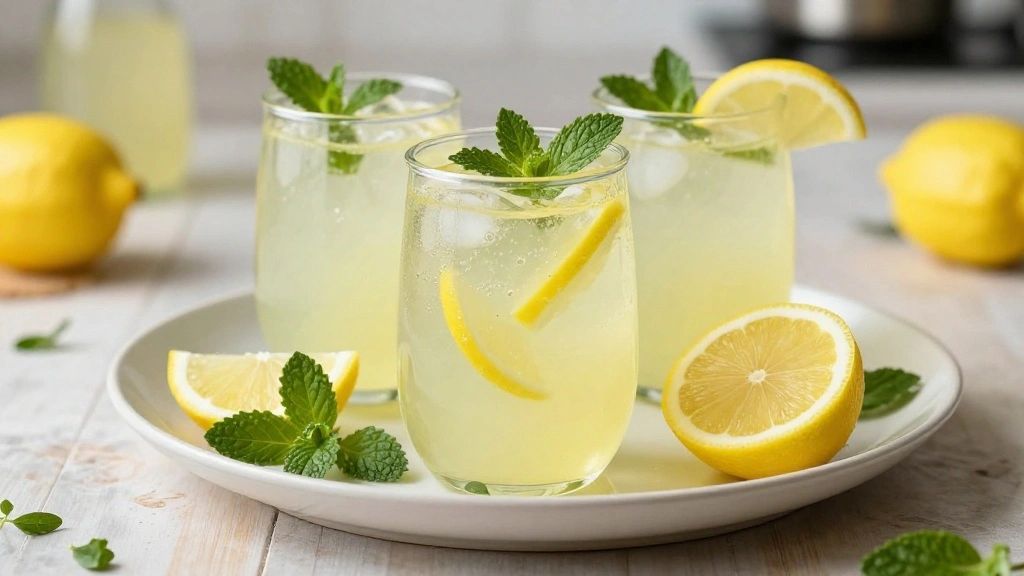


Nothing says summer quite like a cold glass of homemade lemonade.
The perfect balance of sweet and tangy notes creates a refreshing drink that quenches thirst and delights the senses.
I remember my grandmother making lemonade during hot summer afternoons, and the taste instantly brings me back to those cherished moments.
This recipe is simple yet authentic, promising a delightful experience that will leave your guests smiling.
Whether you’re hosting a backyard barbecue or enjoying a quiet afternoon on the porch, this homemade lemonade is the ideal companion.
Join me in rediscovering a classic that never goes out of style.
The History and Cultural Significance
• Lemonade traces its origins to medieval Egypt, where it was originally created by combining lemon juice with sugar and water.
• The dish evolved over decades as different cultures added their twist with herbs and sweeteners, eventually becoming the beloved version we know today.
• In many cultures, this drink traditionally appears at summer gatherings and picnics, symbolizing hospitality and refreshment.
• While many variations exist across different regions, the authentic version maintains the classic 3-ingredient simplicity that sets it apart from imitations.
Recommended Products

Maximum Juice, Minimal Effort – Patented dual-gear mechanism delivers up to 20% more juice than standard citrus squeezers with less hand strain.
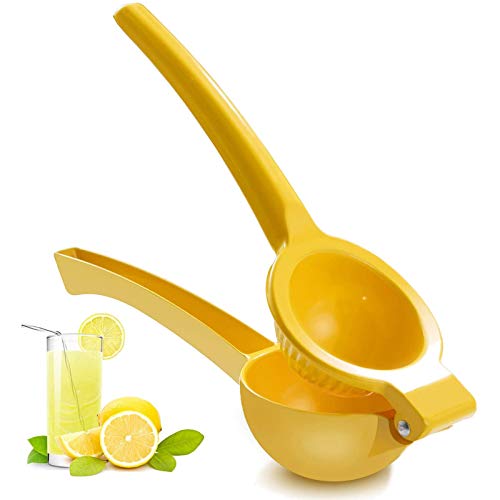
MAXIMUM JUICE, MINIMUM WASTE – This lemon squeezer is designed to extract more juice from lemons and limes with less effort. The deep bowl design helps capture every drop while keeping seeds and excess pulp out of your juice, delivering fresh flavor without the mess.

SQUEEZE OUT EVERY DROP OF JUICE: Our 2-in-1 lemon squeezer won’t waste a single drop from your favorite fruit! We have designed this lime juicer to be easy on hands. Watch limes, lemons, and small oranges beg for mercy, even with a soft squeeze. The holes at the bottom of the citrus juicer serve as a seed filter to prevent the pulp and seeds from getting in your way.
Recipe Overview
Recommended Products

MORE POWER THAN STANDARD 25W MODELS: Equipped with a stronger 40W motor and auto-reversing extraction for faster juice yield vs. typical 25W citrus juicers. Designed for smooth, efficient home juicing.

Auto-reversing juicing cones provide maximum juice extraction

🍊 MORE JUICE WITHIN SECONDS - WITHOUT ANY FORCES : Orange Juicer Electric with two directions of rotation ensures maximum juice yield for every fruit - Simply press lightly and enjoy fresh juice without any muscle power
Nutritional Information (per serving)
Recommended Products

1-GALLON PITCHER WITH LID: Great for storing lemonade, iced tea, juice, mixed drinks, water, and more in the refrigerator

Airtight and Leakproof Storage: Our Mason Jar Pitcher features an airtight and leakproof silicone seal, ensuring a seamless and mess-free storage experience. Keep your contents fresh and prevent leaks and drips, whether you store it in the fridge, on the counter, or in the pantry.

Airtight and Leakproof Storage: Our Mason Jar Pitcher features an airtight and leakproof silicone seal, ensuring a seamless and mess-free storage experience. Keep your contents fresh and prevent leaks and drips, whether you store it in the fridge, on the counter, or in the pantry.
Essential Equipment Guide
Juicer: A manual or electric juicer is essential for efficiently extracting juice from lemons without losing any flavorful zest. Alternatives like squeezing by hand might work but can be less effective.
Pitcher: A large glass or plastic pitcher is needed for mixing and serving. Look for one with a spout for easy pouring.
Measuring Cup: Accurate measurements of water and sugar ensure the right balance of flavors. A clear measuring cup with marked lines is ideal.
Recommended Products
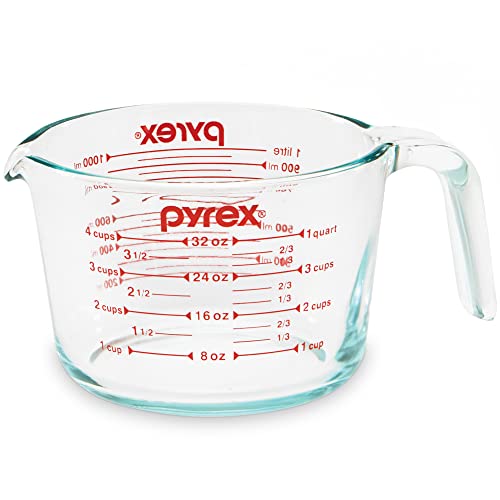
ESSENTIAL KITCHEN TOOL: 4-cup measuring cups that are perfect for baking, cooking, mixing and more!

Capacity: 34 oz (1000 ml), equivalent to 4 cups.
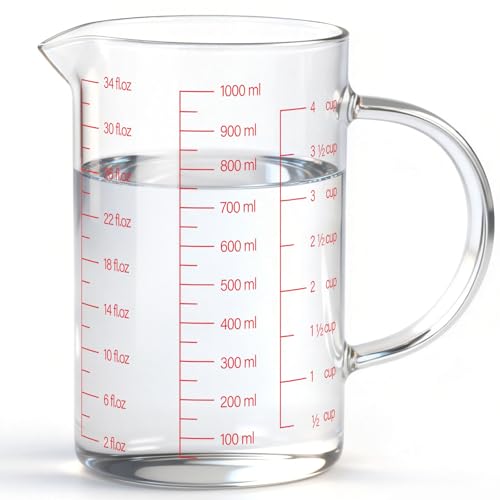
【Large Capacity】Experience culinary freedom with our 4 cup glass measuring cup with a large capacity for all your kitchen needs. Whether you're measuring, mixing or pouring, this large measuring cup glass ensures that it will meet any of your culinary needs.


Ingredients
Recommended Products

16.9OZ LARGE CAPACITY & PRECISE SCALES: No more constant emptying during juicing! Our lemon squeezer boasts an upgraded 16.9OZ capacity - 40% larger than the 12OZ capacity of most similar products on the market! Perfect for camping, parties, or daily family use with this citrus juicer. The clear, durable plastic cup features ml markings on the body, letting you measure fruit juice precisely - ideal for marinades, dishes, mixed drinks, or cocktails. No extra measuring cups needed; just squeeze with this lemon squeezer and pour!
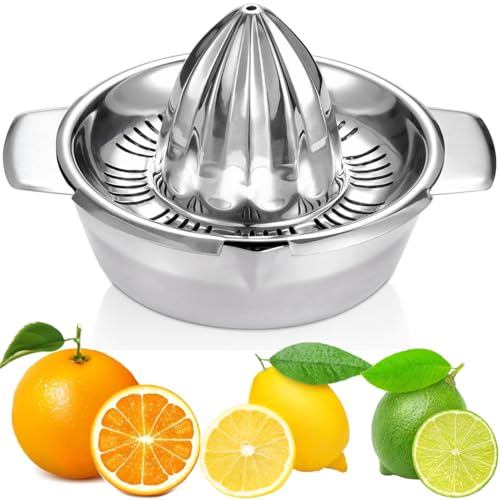
【Sturdy & Efficient】 Manual citrus juicer made of robust 304 (18/8 ) stainless steel, is food-grade, solid, stable and sturdy, anti-rust&anti-citric acid corrosion, can resist prolonged intensive use, much sturdier than plastics. Pointed cone with 11-tooth reamer can extract thoroughly the juice out, help you get maximum vitamins, ideal for daily use to squeeze lemons, key limes, oranges, small grapefruits, madarins, tangerines and other citrus fruits
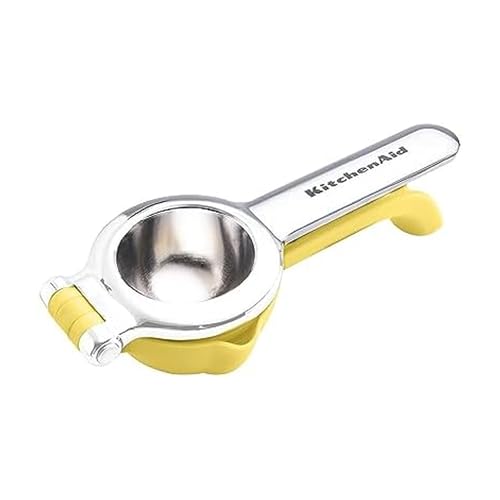
NO MESS: Featuring a unique hopper, all the juice is contained within the citrus press and has an integrated spout for easy pouring
For the Lemonade
|
| Amount | Ingredient | Notes |
|---|---|---|
| 1 cup | freshly squeezed lemon juice | from about 5-6 lemons |
| 1 cup | granulated sugar | to sweeten |
| 4 cups | cold water | to dilute |
| 1 cup | ice cubes | to chill and serve |
Optional Garnishes
| Amount | Ingredient | Notes |
|---|---|---|
| 1 slice | lemon | for garnish |
| 1 sprig | mint | for an aromatic touch |
Preparation Methods
Juicing Lemons: Roll each lemon on the countertop to break down the pulp, then cut in half and use a juicer to extract all the juice. This technique ensures maximum juice yield with minimal pulp.
Creating Simple Syrup: Dissolve sugar in a small amount of hot water before mixing with cold water and lemon juice. This helps the sugar integrate smoothly without graininess.
Chilling Techniques: Add ice cubes directly to the pitcher or chill in the refrigerator before serving. This step ensures a refreshing, cold beverage.
Recommended Products

Effortless Electric Citrus Juicer: The auto-reversing reamer helps extract more juice from oranges, lemons, limes, and grapefruits—make fresh OJ, lemonade, and more right at home in seconds

🍊MAXIMUM EXTRACTION & CORDLESS FREEDOM : Upgrade your healthy lifestyle with this rechargeable electric citrus juicer. Equipped with a 60W powerful motor and USB-C charging, this cordless orange juicer allows you to squeeze dozens of oranges on a single charge. It is the ultimate portable juicer for your backyard, camping trips, or RV, offering the power of an electric juice extractor without being tethered to a wall outlet.

MAKE FRESH, HEALTHY JUICE – Whether you’re preparing a zesty dressing, marinating your favorite dish or enjoying a fresh-squeezed drink, this citrus juicer makes it easy to extract pure, flavorful juice from all your favorite fruits. It comes with 2 interchangeable squeezing cones to accommodate both small and large fruits for versatile juicing.
Step 1: Prepare the Lemons
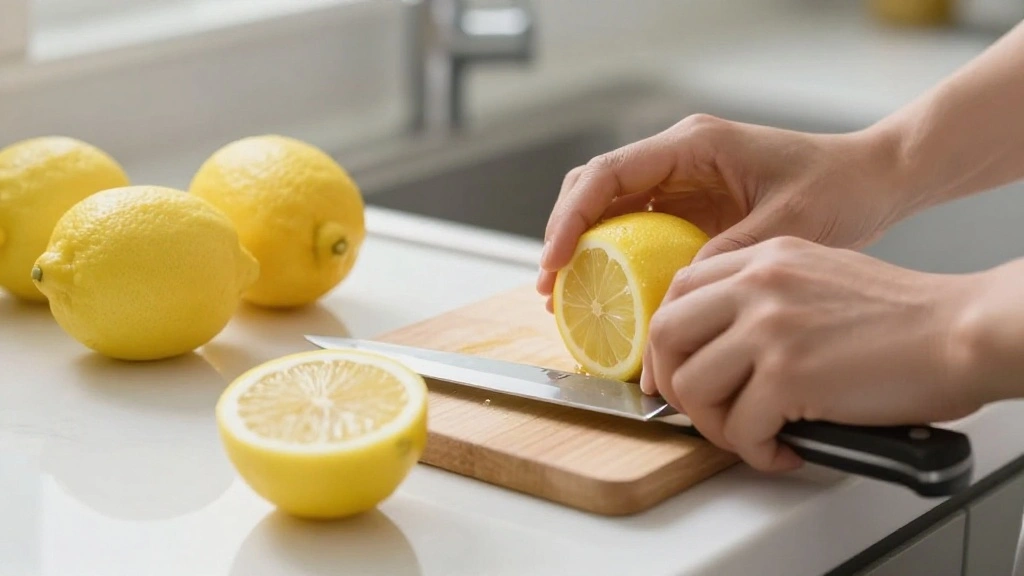
Begin by selecting 5-6 fresh, ripe lemons.
Roll each lemon on the countertop to loosen the juices inside.
Cut each lemon in half crosswise.
Set aside for juicing in the next step.
Recommended Products

【⚠️ Important Usage Warning】: Do not pour boiling water directly into the container; the maximum safe operating temperature is 60°C (140°F). Avoid drastic sudden temperature shifts to stop cracking damage.

【Mason Jars Pour Spout Lid】 Turn your wide mouth Mason jars into a versatile liquid pitcher for iced tea, lemonade, iced coffee, and more. It's also the perfect choice for storing other liquids, with a drip-free pouring spout

Airtight and Leakproof Storage: Our Mason Jar Pitcher features an airtight and leakproof silicone seal, ensuring a seamless and mess-free storage experience. Keep your contents fresh and prevent leaks and drips, whether you store it in the fridge, on the counter, or in the pantry.


Step 2: Juice the Lemons
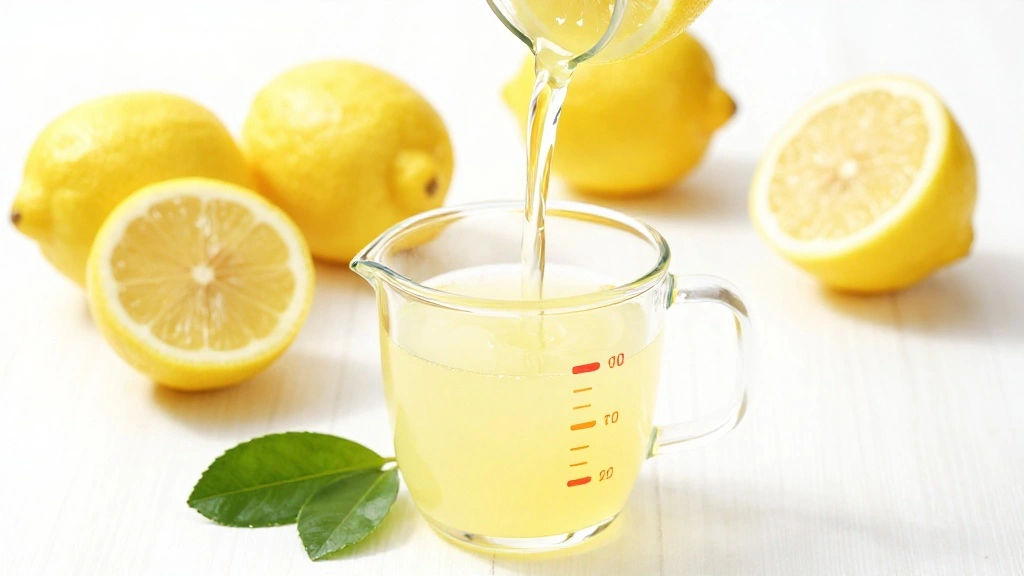
Use a juicer to extract juice from each lemon half.
Ensure all seeds are removed from the juice.
Collect the juice in a measuring cup until you have 1 cup.
Strain the juice if necessary to remove pulp.
Recommended Products

Patented angled surface allows measurements to be read from above
![77L 4 Cup Glass Measuring Cup, [Insulated handle, V-Shaped Spout], High Borosilicate Glass Measuring Cup for Kitchen or Restaurant, Easy To Read, 1000 ML (1 Liter, 4 Cup)](https://m.media-amazon.com/images/I/41uo6Ei+gPL._SL500_.jpg)
1000ML [4 CUP]. Made from high borosilicate glass. Apply to Microwave and Refrigerator. Not suitable for direct heating over an open flame (Please note: dishwasher safe, yet best to wash by hand since, over time, dishwashers can affect measurement markers.) 3 different measurement scales, including Cup, ML, OZ.

What You Will Receive:1 x 4-cup(1000ml)glass measuring cup, 1 x matching plastic lid
Step 3: Dissolve the Sugar
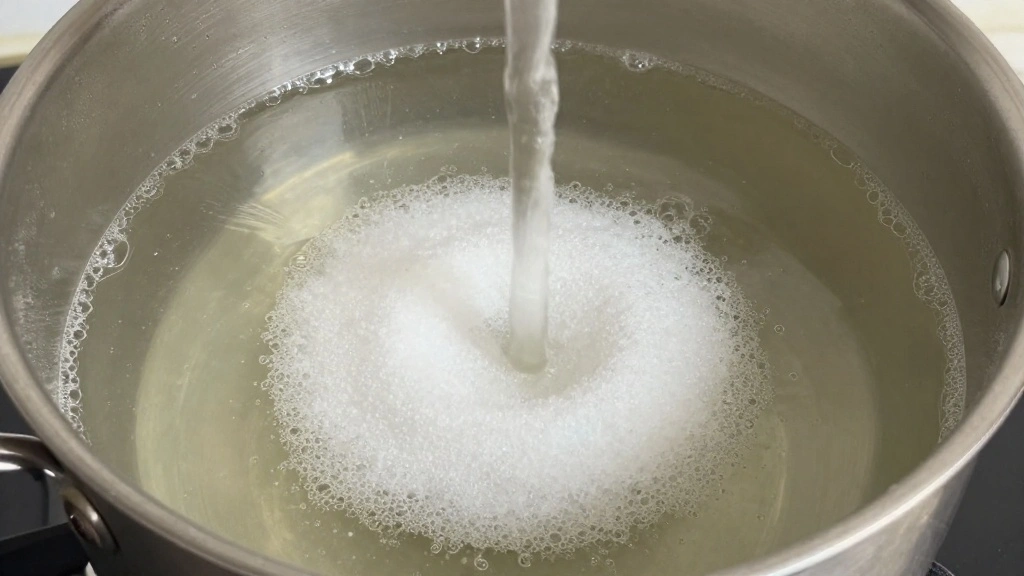
In a small saucepan, heat 1/2 cup of water until warm.
Add 1 cup of granulated sugar to the warm water.
Stir until the sugar is completely dissolved, forming a simple syrup.
Set aside to cool slightly.
Recommended Products
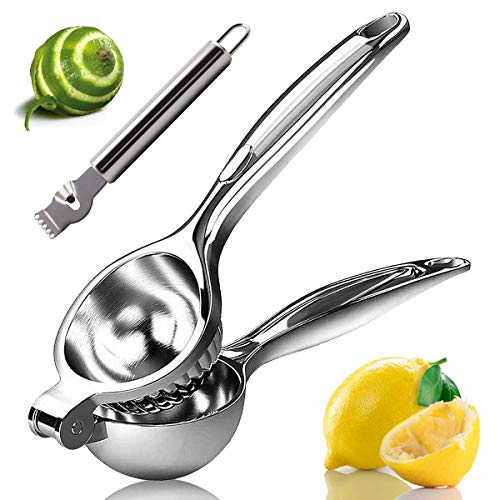
【MAXIMUM JUICE EXTRACTION IN SECONDS – SEED-FREE & NO MESS】The multi-directional juice hole design at the bottom with a 2.76 inch diameter round bowl, this manual citrus juicer delivers smooth, seed-free, and pulp-free juice in one easy press. Engineered with a precision-fit structure that allows optimal contact between the pressing surfaces and the fruit, it fully compresses the fruit for maximum juice extraction with minimal residue.
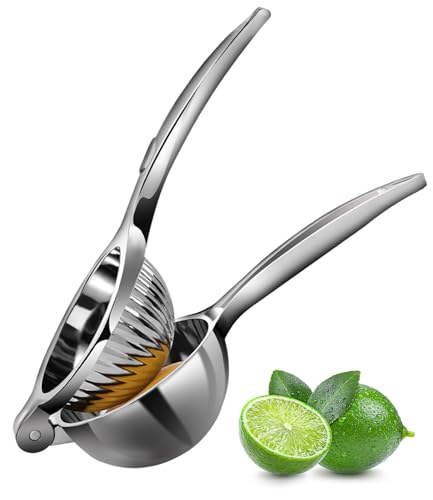
GET ALL JUICE FROM YOUR FRUIT: Unleash the full potential of your favorite fruits with Rekix's Lemon Squeezer. Extract every last drop of liquid, leaving no juice behind. Transform limes, lemons, and even small oranges into liquid bursts of flavor. Say goodbye to wasted fruit and hello to a citrusy symphony in your glass.

Max Extraction - Squeeze out every last drop with this lemon and lime hand juicer that produces 20% more juice than other citrus juicers.


Step 4: Mix the Lemonade
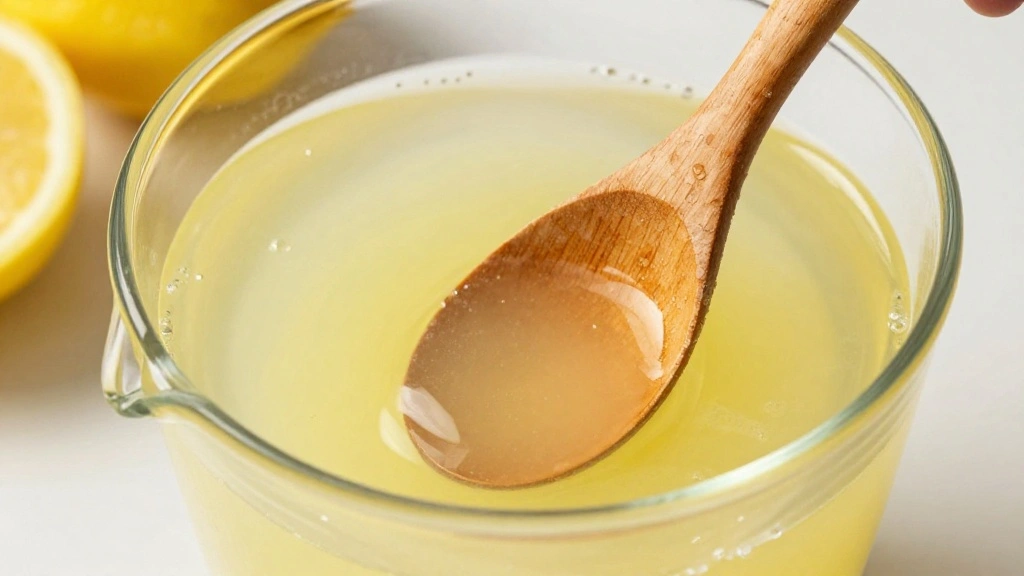
In a large pitcher, combine the freshly squeezed lemon juice.
Add the simple syrup and stir until well mixed.
Pour in 4 cups of cold water.
Stir until all ingredients are thoroughly combined.
Recommended Products

FIGHTING CHILDHOOD CANCER ONE CUP AT A TIME: One dollar of every purchase goes directly to Alex's Lemonade Stand Foundation. We're proud to support this foundation that funds childhood cancer research and provides support to children with cancer.

Quiet & Powerful Performance — Enjoy smooth, quiet juicing with a 300W motor that runs at 110 RPM for high-efficiency citrus extraction. Ideal for oranges, lemons, and limes, this juicer minimizes noise while delivering maximum juice output—perfect for early mornings or shared living spaces.

PULP CONTROL CITRUS JUICER: The Cuisinart Pulp Control Citrus Juicer is not only an orange juicer and lemon juicer, but also accommodates the smallest lime to the largest grapefruit for all your citrus juicing needs.
Step 5: Add Ice
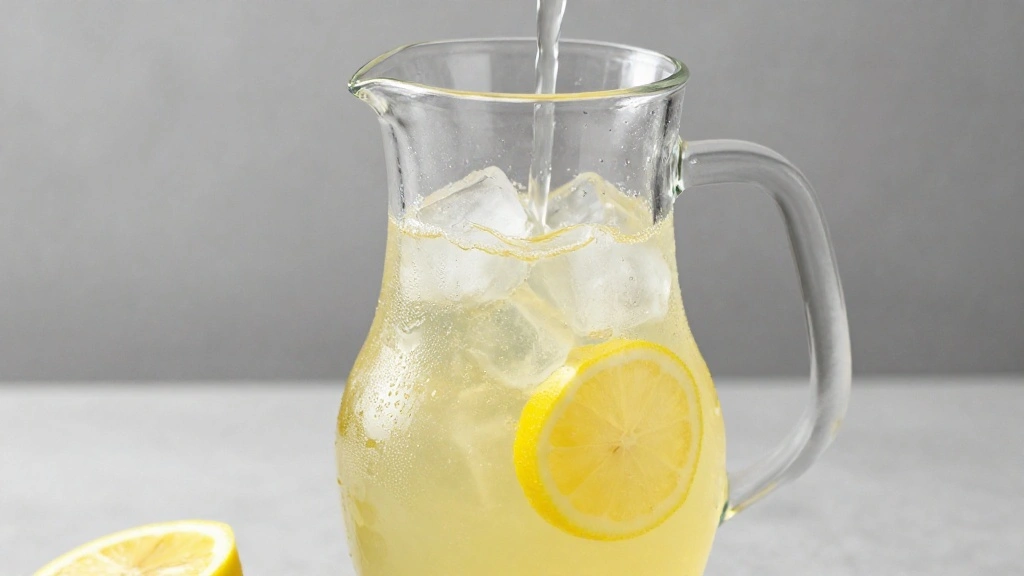
Add 1 cup of ice cubes directly into the pitcher.
Stir gently to mix the ice with the lemonade.
Ensure the lemonade is chilled properly before serving.
Adjust the amount of ice according to your preference.
Step 6: Taste and Adjust
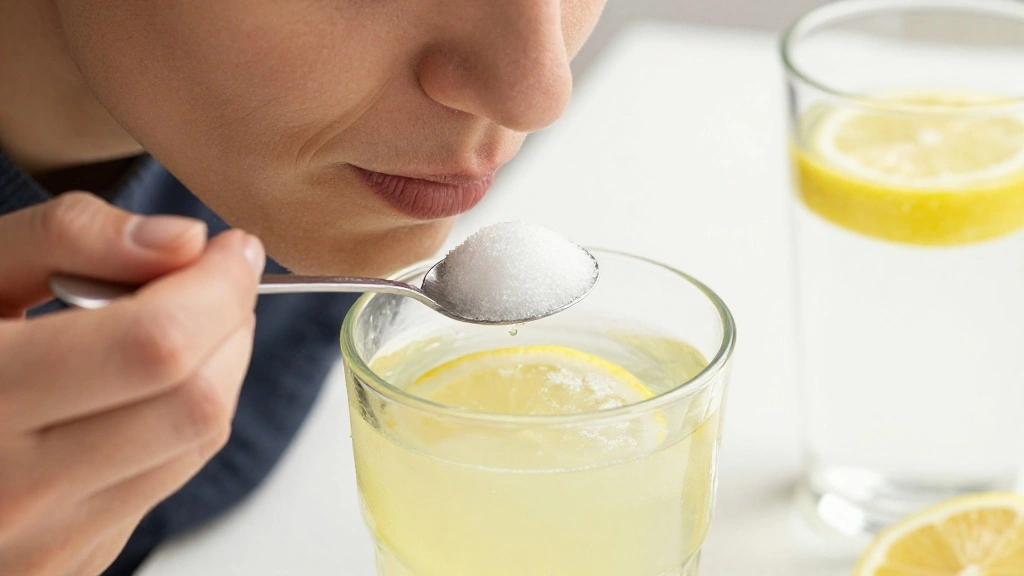
Taste the lemonade to check for sweetness and tanginess.
If desired, add more sugar or water to adjust the flavor.
Stir again to integrate any additional ingredients.
Ensure the balance of flavors suits your taste.
Step 7: Prepare Optional Garnishes
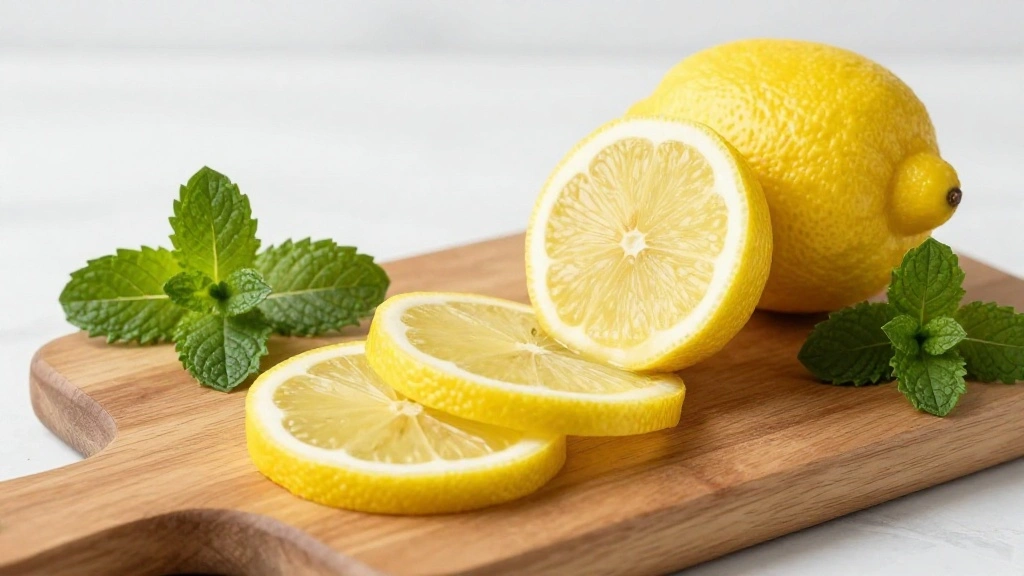
Slice a lemon thinly to create rounds for garnish.
Rinse a sprig of fresh mint under cold water.
Set aside the lemon slices and mint for serving.
These garnishes add a visual and aromatic touch.
Step 8: Serve the Lemonade

Pour the freshly prepared lemonade into individual glasses.
Garnish each glass with a lemon slice on the rim.
Add a sprig of mint for an aromatic touch.
Serve immediately for the best refreshing experience.
Critical Timing and Temperature Guide
Juicing Lemons: Ensure lemons are at room temperature for maximum juice yield. Roll on the counter to warm slightly.
Dissolving Sugar: Sugar should dissolve in warm water within 3-5 minutes. Avoid boiling, which can alter flavor.
Serving Temperature: Lemonade should be chilled to about 40°F (4°C) for optimal refreshment. Too warm, and it loses its cooling effect.
Pro Tips for Lemonade Recipe (Sweet)
• Ingredient Selection: Choose fresh, plump lemons with a bright yellow color for the best flavor.
• Preparation Secret: Dissolve sugar in hot water to create a simple syrup, ensuring smooth integration without graininess.
• Temperature Management: Use cold water and ice to maintain the chill and prevent dilution from melting ice.
• Texture Enhancement: Strain the lemon juice to remove pulp for a smoother drink.
• Flavor Layering: Add a pinch of salt to enhance the sweetness and tanginess without overpowering.
• Make-Ahead Strategies: Prepare lemonade in advance and store in the fridge for up to 3 days. Add ice just before serving.
• Restaurant-Quality Finishing Touches: Garnish with lemon slices and fresh mint for a professional presentation.
• Equipment Optimization: Use a citrus press for efficient juicing and minimal waste.


Troubleshooting Common Issues
• Lemonade Too Tart: This can happen if the lemons are too sour. Adjust by adding more sugar or diluting with water.
• Too Sweet: Occurs when too much sugar is added. Add more lemon juice or water to balance.
• Watery Taste: Caused by excessive ice or water. Ensure the ratio of lemon juice to water is correct.
• Grainy Texture: Results from undissolved sugar. Use simple syrup to ensure smoothness.
• Flat Flavor: May occur if the lemonade lacks freshness. Use fresh lemons and avoid storing too long.
• Lack of Aroma: Add fresh mint or lemon zest to enhance the scent and flavor.
Variations and Regional Differences
• Italian Limonata: Uses sparkling water instead of still, offering a fizzy twist on the classic recipe.
• Middle Eastern Limonana: Incorporates fresh mint leaves blended into the drink for a unique aromatic experience.
• Brazilian Lemonade: Made with limes instead of lemons, often including condensed milk for a creamy version.
• Southern Sweet Lemonade: A regional favorite in the U.S., typically sweeter and sometimes includes a splash of iced tea.


Food Science Behind the Recipe
• Acid and Sugar Balance: The interplay between citric acid in lemons and sugar creates a balanced flavor profile, essential for refreshing taste.
• Temperature and Flavor Perception: Cold temperatures reduce sweetness perception, so chilling affects how sweet the lemonade tastes.
• Simple Syrup Integration: Dissolving sugar in warm water (simple syrup) prevents crystallization and ensures even distribution in cold beverages.
Frequently Asked Questions
What's the most common mistake people make when preparing lemonade? The most common mistake is not balancing the sugar and lemon juice, leading to overly tart or too-sweet lemonade.
Can I use bottled lemon juice? While it's possible, fresh lemon juice provides a brighter, more authentic flavor.
How can I make my lemonade less sweet? Simply add more water or lemon juice to reduce sweetness.
Is it necessary to strain the lemon juice? Straining removes pulp and seeds, resulting in a smoother drink.
Can I prepare lemonade in advance? Yes, you can make it a day ahead and refrigerate, but add ice only before serving.
What can I add for extra flavor? Fresh herbs like mint or basil, or a splash of fruit juice can add interesting flavor notes.
How do I ensure my lemonade is cold without watering it down? Chill the lemonade in the refrigerator and add ice only when serving.
Serving and Presentation Guide
• Traditional Presentation: Serve in tall glasses with a lemon slice on the rim and a sprig of mint.
• Casual Gathering: Use mason jars for a rustic touch, with colorful straws for a fun element.
• Elegant Event: Use crystal glasses, garnished with a twist of lemon peel for sophistication.
• Picnic or Outdoor Event: Serve in a large dispenser with sliced lemons floating inside for easy self-serve.
Conclusion
I hope this homemade lemonade recipe inspires you to capture the essence of summer in a glass.
The simplicity and freshness of this drink make it a timeless classic.
Whether for a special occasion or an everyday refreshment, homemade lemonade is always a good idea.
Try this recipe and enjoy the perfect balance of sweet, tangy, and refreshing flavors.