
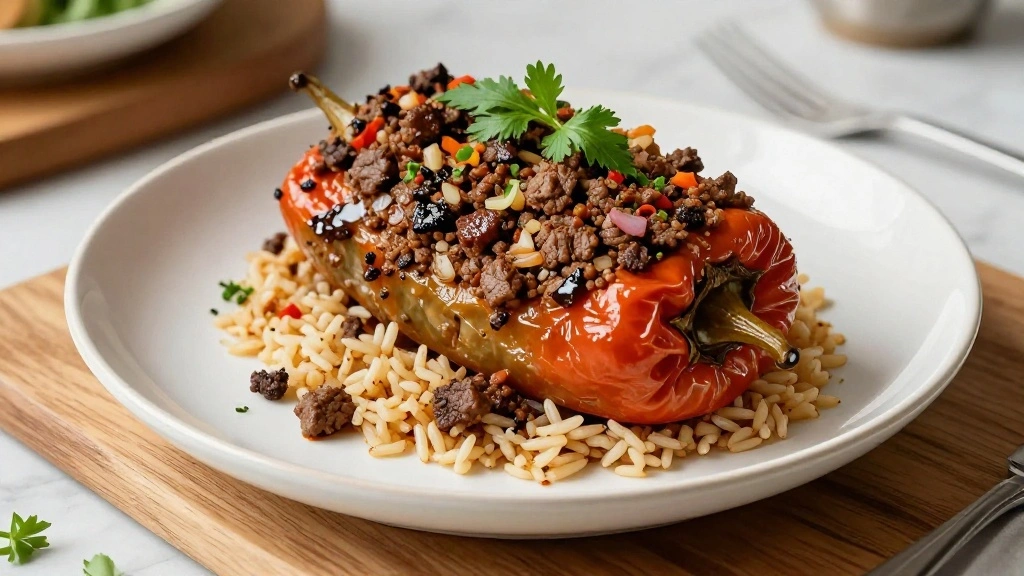


Classic Stuffed Peppers with Ground Beef and Rice
1 pound ground beef
1 cup cooked rice
4 large bell peppers
1 large onion
1 teaspoon salt
1 teaspoon pepper
2 teaspoons Italian seasoning
1 cup tomato sauce
PT80M
4 servings
There’s something undeniably comforting about a plate of stuffed peppers, filled with savory ground beef and tender rice.
The blend of spices and the sweetness of the peppers create a symphony of flavors that’s hard to resist.
Growing up, this dish was a staple at family gatherings, its aroma filling the air and whetting our appetites.
Whether during the chilly months of fall or a summer potluck, stuffed peppers fit any occasion beautifully.
This recipe promises not only ease of preparation but also a flavorful result that will make it a family favorite.
Dive into the nostalgic flavors of this classic dish and create new memories with every bite.
The History and Cultural Significance
• Stuffed Peppers trace their origins to the Mediterranean region, where they were originally created by resourceful cooks using available ingredients.
• The dish evolved over decades as spices and rice spread along trade routes, eventually becoming the beloved version we know today.
• In Hungarian culture, this dish traditionally appears at family gatherings, symbolizing hospitality and warmth.
• While many variations exist across different regions, the authentic version maintains a balance of meat and rice filling that sets it apart from imitations.
Recommended Products

One 3 count package of Rainbow Bell Peppers


SERVE UP COMFORT WITH EVERY BITE Gather around the table with your loved ones when you serve Stouffer’s Family Size Stuffed Peppers frozen dinner. It’s a delicious dish that will turn dinnertime into a joyful moment SNAP and EBT item in eligible states

Recipe Overview
Recommended Products

Includes 12 (6.8oz) boxes of Rice A Roni, Beef flavor

One 10 lb bag of BEN'S ORIGINAL Enriched Parboiled Long Grain White Rice

Low Fat & Low Sodium
Nutritional Information (per serving)
Recommended Products

Unpretentious Red Bell Pepper Powder in a resealable bag

Now Designs' Bell Pepper collection brings a touch of garden-fresh charm to your table with this vibrant, veggie-shaped bowl, perfect for summer gatherings.



Essential Equipment Guide
Large Skillet: A large skillet is crucial for properly browning the ground beef and onions, which develops deep, savory flavors. A non-stick alternative works, but a heavy-bottomed one is best for even heat distribution.
Baking Dish: A baking dish ensures even cooking of the peppers and prevents them from toppling over. Glass or ceramic dishes are recommended as they retain heat well and allow for easy cleaning.
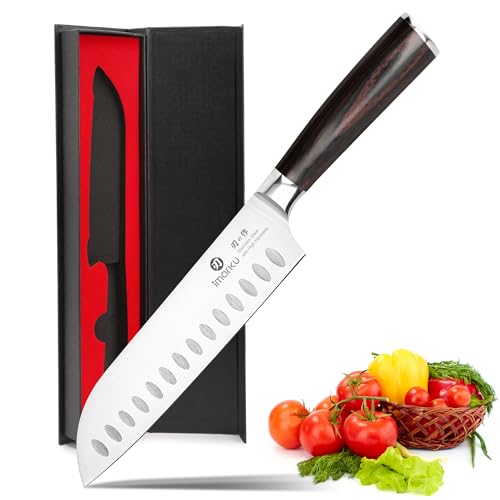
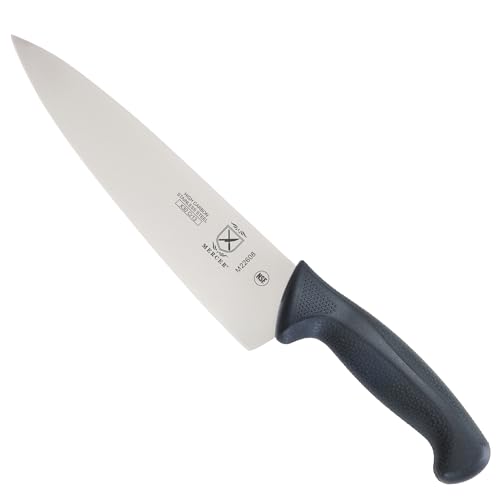
Sharp Knife: A sharp knife is essential for evenly slicing the tops off the peppers and finely chopping onions. A dull knife can crush vegetables, affecting texture.
Recommended Products

CROWD-PLEASING FLAVOR: A robust combination of of Italian-inspired herbs for adding a pop of color and flavor to favorite dishes.
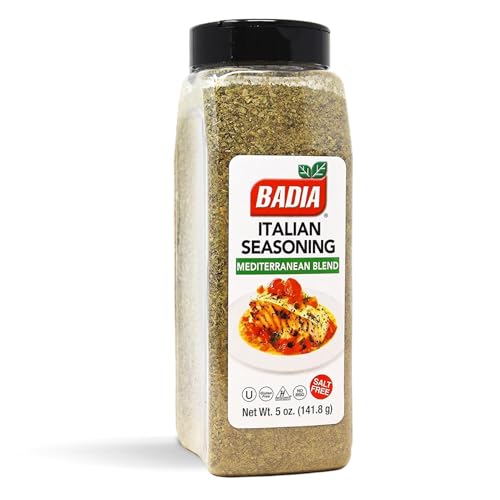
Authentic Mediterranean Herb Blend – Badia Italian Seasoning combines aromatic herbs like oregano, basil, thyme, rosemary, and marjoram – delivering a balanced, savory profile that brings traditional Italian flavor to your favorite dishes
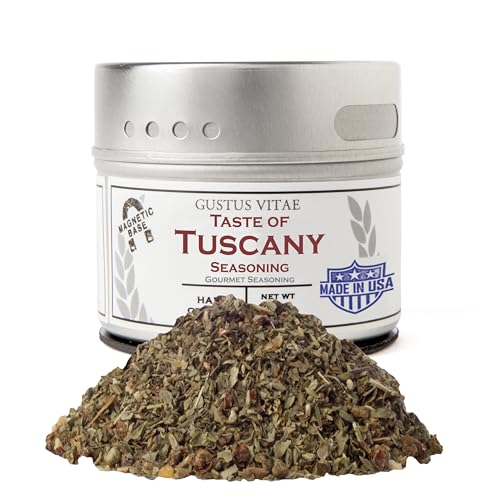
GOURMET TUSCAN SEASONING BLEND: Basil, oregano, red bell pepper, garlic, green bell pepper, black pepper, fennel, and rosemary, hand blended into a fragrant mix of rich, sweet, and peppery that brings the flavors of Italy straight into your kitchen.


Ingredients
Recommended Products
One 15 ounce can of Tomato Sauce

One 8 ounce can of Tomato Sauce

WHAT'S INSIDE: One 8 ounce can of Tomato Sauce, No Salt Added
For the Base
| Amount | Ingredient | Notes |
|---|---|---|
| 1 pound | ground beef | adds savory richness |
| 1 cup | cooked rice | provides texture and substance |
Vegetables
| Amount | Ingredient | Notes |
|---|---|---|
| 4 large | bell peppers | tops removed and seeded |
| 1 large | onion | finely chopped |
Seasonings
| Amount | Ingredient | Notes |
|---|---|---|
| 1 teaspoon | salt | enhances overall flavor |
| 1 teaspoon | pepper | adds mild heat |
| 2 teaspoons | Italian seasoning | offers an aromatic blend |
For the Sauce
| Amount | Ingredient | Notes |
|---|---|---|
| 1 cup | tomato sauce | moistens the filling and adds acidity |


Preparation Methods
Browning: Browning the ground beef is a critical step that enhances the depth of flavor. This caramelization process creates a complex taste profile that forms the backbone of the dish. Ensure the beef is spread evenly in the skillet to brown thoroughly.
Pre-cooking Rice: Pre-cooking the rice ensures it integrates well with the beef and absorbs the flavors fully. Use slightly undercooked rice as it will finish cooking with the peppers, preventing it from becoming mushy.
Stuffing: Proper stuffing technique involves gently packing the filling into the peppers without overfilling, allowing the flavors to meld and the filling to heat evenly. Avoid compacting too tightly to maintain a tender texture.
Recommended Products


Selected and stored fresh

Only from Whole Foods Market, our Sourced for Good program helps support workers, communities and environmental stewardship where our products are sourced.
Step 1: Prepare Ingredients
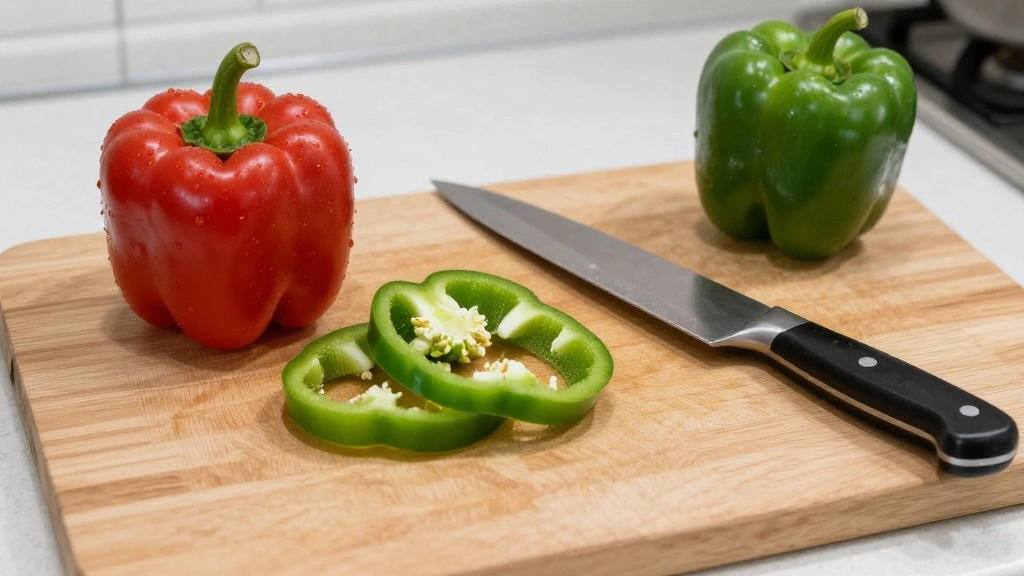
Begin by gathering all your ingredients and equipment.
Wash the bell peppers thoroughly under running water.
Use a sharp knife to carefully slice off the tops of the peppers and remove any seeds and membranes inside.
Ensure the peppers stand upright by slicing a thin layer off the bottom if needed.
Recommended Products

Savory stuffing mix made without gluten Delicious blend of herbs and spices for rich flavor Perfect for holiday meals or weeknight dinners Easy to prepare in under 30 minutes...


Step 2: Cook the Rice
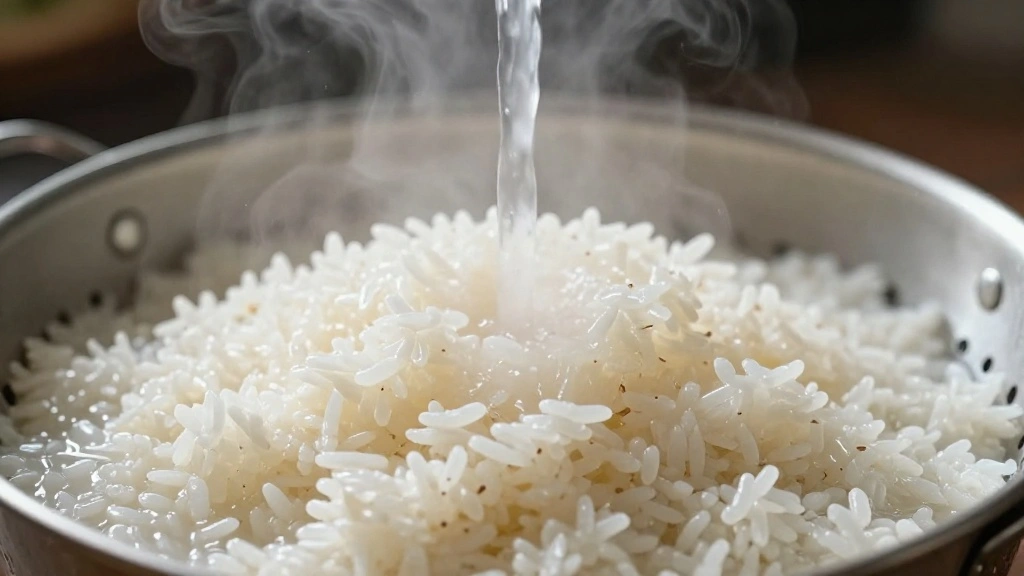
Rinse the rice under cold water until the water runs clear.
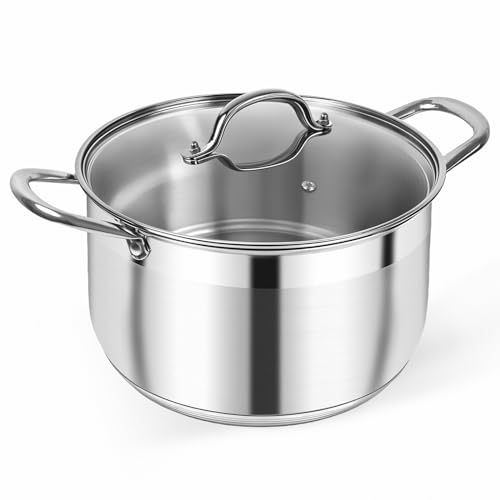
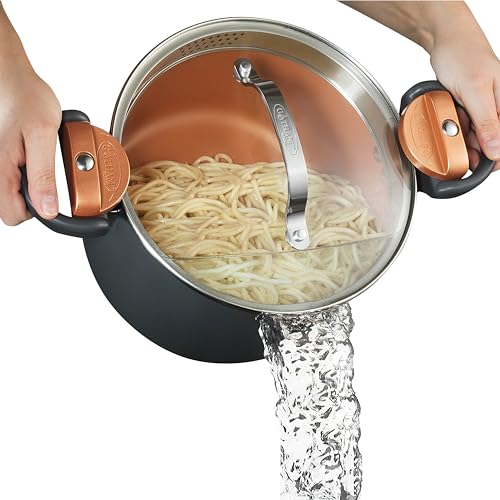
Cook the rice in a pot of boiling water until just underdone.
Drain the rice and set it aside to cool slightly.
Ensure the rice is not completely cooked to avoid it becoming mushy during baking.
Recommended Products


Unpretentious Baker Red Bell Pepper Powder in a convenient shaker jar

GranAroma Red Bell Pepper Powder comes in convenient packaging options for easy pantry storage

Step 3: Brown the Beef
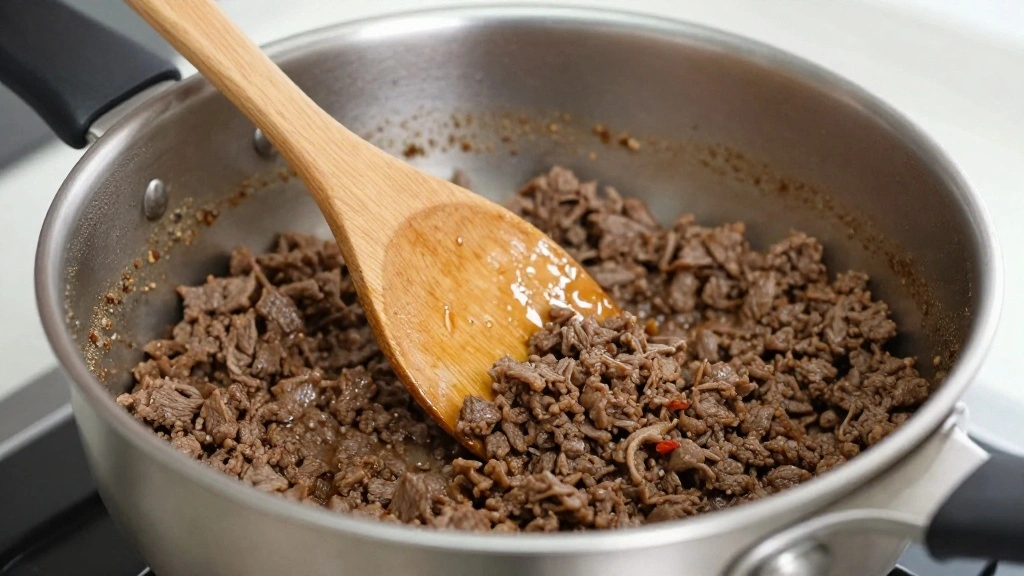
Heat a large skillet over medium-high heat and add the ground beef.
Cook the beef, stirring occasionally, until it is browned and no longer pink.
Drain any excess fat to prevent the filling from being greasy.
Season the beef with salt, pepper, and Italian seasoning.
Recommended Products

ROBUST, MEDITERRANEAN FLAVOR: Spice Classics Italian Seasoning adds a robust Mediterranean taste to any dish for a delicious meal; thyme, oregano and other herbs and spices in this Italian seasoning blend complete an unforgettable recipe

Authentic Italian flavor – Crafted with oregano, basil, garlic, and salt for a savory herb blend that enhances pasta, pizza, meats, vegetables, and more

Unlock the flavors of Italy with our Italian Seasoning, a blend of oregano, thyme, basil, rosemary and sage.


Step 4: Sauté the Onions
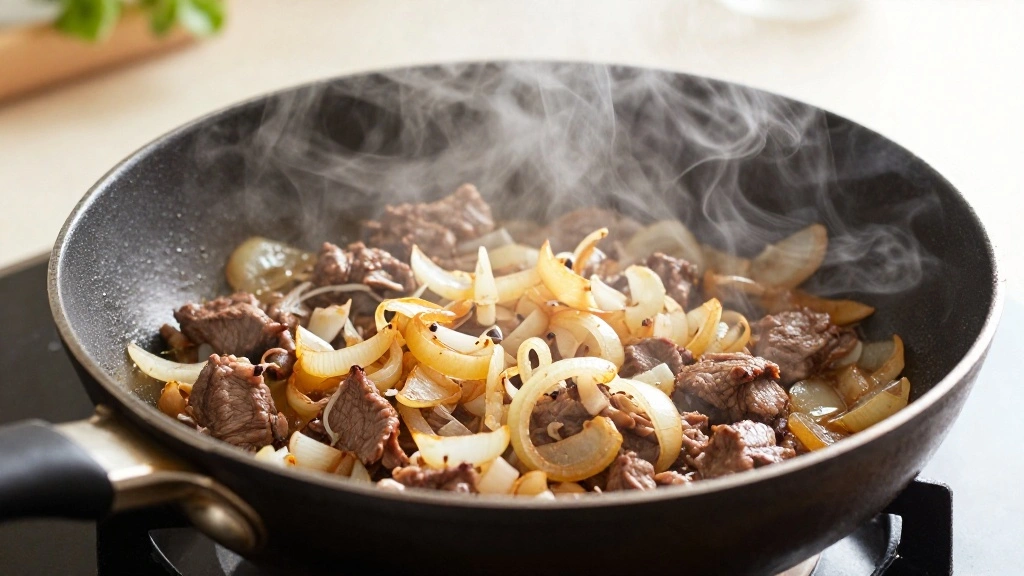
In the same skillet, add the chopped onions to the browned beef.
Cook until the onions are translucent and fragrant.
Ensure the onions are evenly coated in the beef drippings for flavor.
Stir frequently to prevent the onions from burning.
Recommended Products

Organic tomato basil pasta sauce with no added sugar

Organic tomato sauce

DEL FUERTE Tomato Sauce seasoned with red bell pepper

Step 5: Mix the Filling
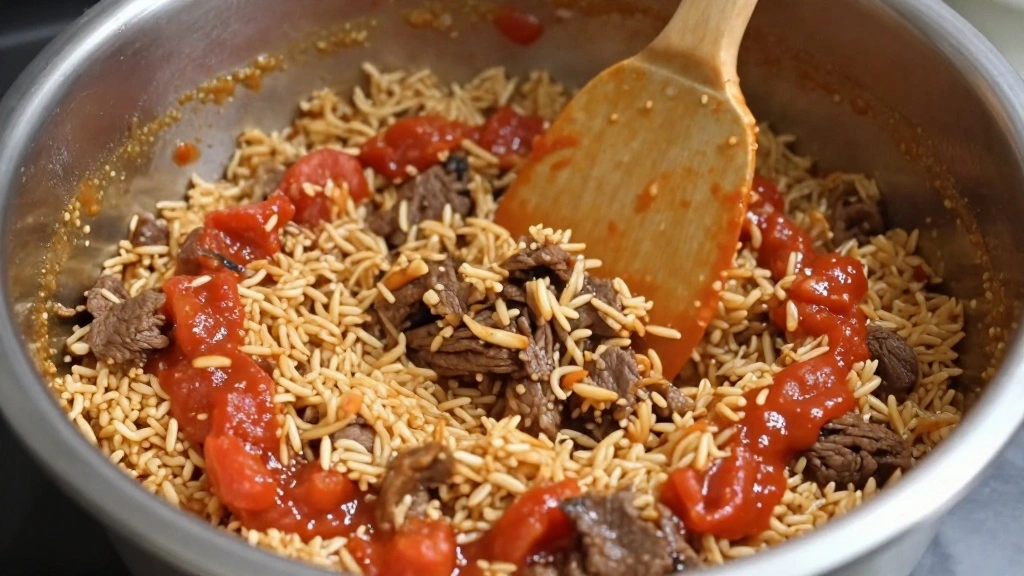
In a large bowl, combine the cooked rice with the beef and onion mixture.
Add the tomato sauce and stir until everything is well combined.
Taste the mixture and adjust seasoning if necessary.
The filling should be moist but not watery.


Step 6: Stuff the Peppers
Preheat the oven to 375°F (190°C).
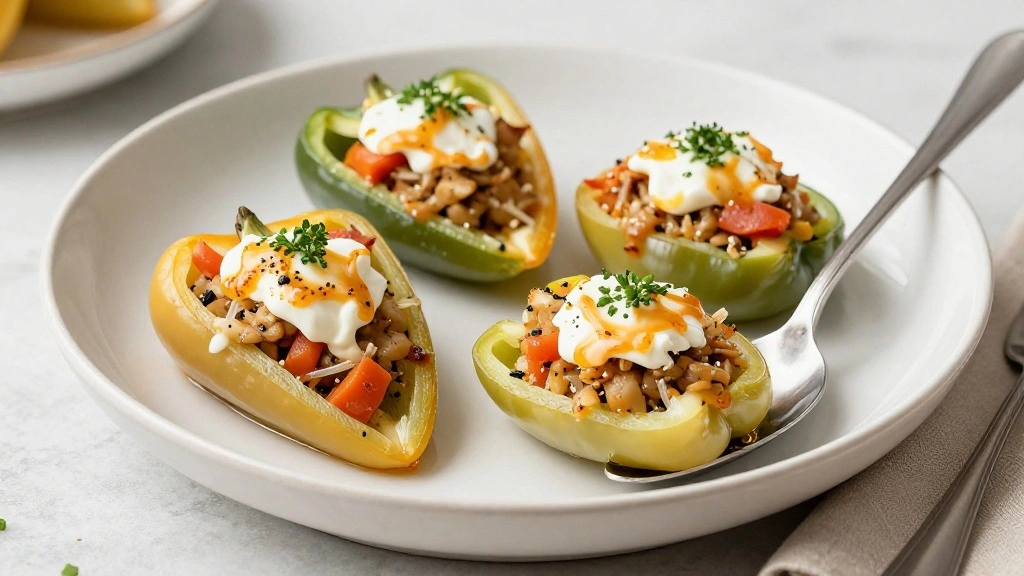
Spoon the filling into each prepared pepper, pressing down gently to ensure it’s filled completely.
Leave a small gap at the top to allow for expansion as the filling cooks.
Place the stuffed peppers upright in a baking dish.

Step 7: Bake the Peppers
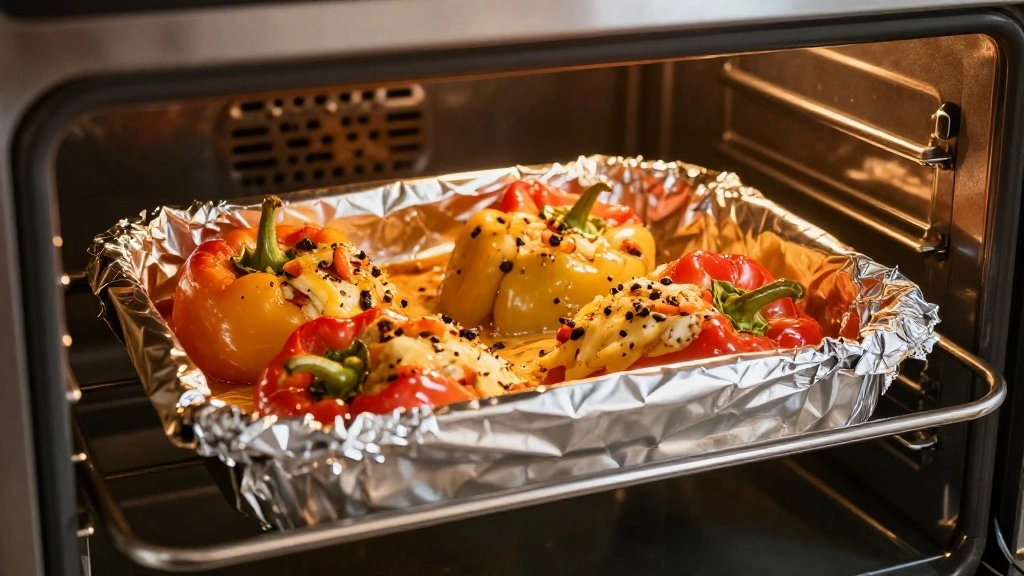
Cover the baking dish with aluminum foil to prevent the peppers from drying out.
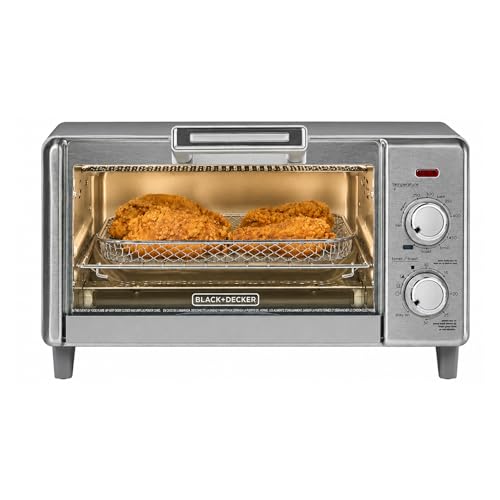
Place the dish in the preheated oven and bake for 45 minutes.
Remove the foil for the last 10 minutes to allow the tops to brown slightly.
Check that the peppers are tender by inserting a knife into the side.

Step 8: Serve and Enjoy
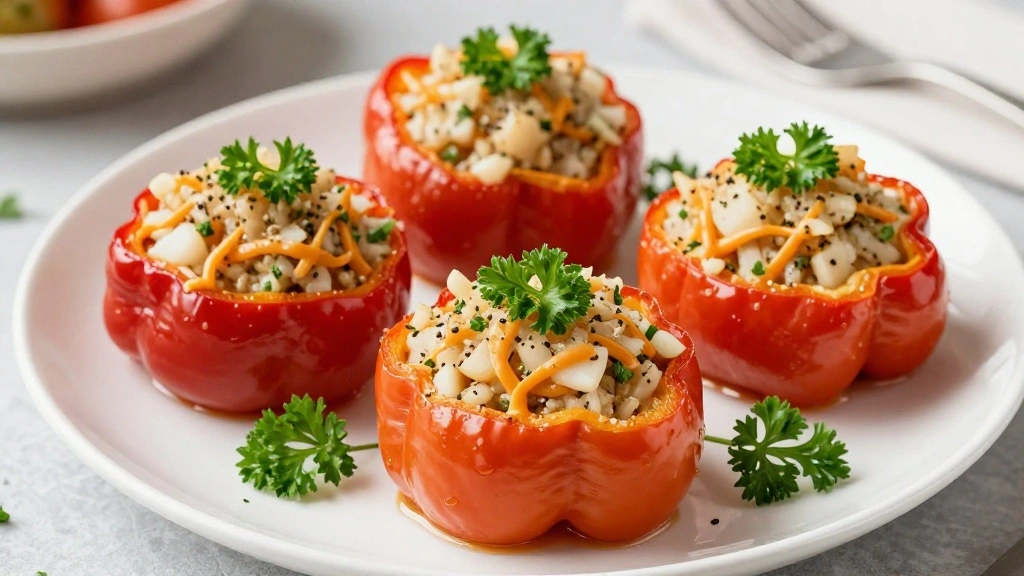
Carefully remove the baking dish from the oven using oven mitts.
Let the peppers cool slightly before serving to allow the flavors to settle.
Transfer each pepper to a serving plate using a spatula.
Garnish with fresh parsley or grated cheese if desired.


Critical Timing and Temperature Guide
Browning the Beef: Cook on medium-high heat for 6-8 minutes until fully browned; avoid overcrowding the skillet to ensure even cooking.
Baking the Peppers: Bake at 375°F (190°C) for 45-50 minutes; look for tender peppers and bubbling sauce as indicators of doneness.
Final Browning: Uncover peppers for the last 10 minutes; tops should be lightly browned without burning.
Pro Tips for Stuffed Peppers
• Ingredient Selection: Opt for fresh, firm bell peppers and high-quality ground beef for the best results.
• Preparation Secret: Slightly undercook the rice to prevent it from becoming mushy during baking.
• Temperature Management: Ensure the oven is fully preheated to maintain consistent cooking temperatures.
• Texture Enhancement: Allow the filling to cool slightly before stuffing to improve infusion of flavors.
• Flavor Layering: Add a dash of Worcestershire sauce to the filling for an extra depth of flavor.
• Make-Ahead Strategies: Prepare the filling a day in advance and refrigerate it; stuff and bake just before serving.
• Restaurant-Quality Finishing Touches: Garnish with a sprinkle of chopped fresh herbs or grated Parmesan.
• Equipment Optimization: Use a large baking dish to prevent overcrowding and ensure even heat distribution.
Troubleshooting Common Issues
• Peppers Too Soft: Avoid overbaking; check for doneness early and remove from oven once tender but firm.
• Filling Too Dry: Ensure sufficient tomato sauce is added to the filling; add a splash of broth if needed.
• Filling Overflowing: Do not overstuff peppers; leave space for expansion.
• Undercooked Rice: Use pre-cooked rice and ensure it’s adequately cooked before mixing.
• Flavors Unbalanced: Adjust seasoning by adding salt, pepper, or herbs to taste before stuffing.
Variations and Regional Differences
• Mexican Style: Incorporate black beans, corn, and a sprinkle of cumin for a Southwestern twist.
• Greek Variation: Use lamb instead of beef and add feta cheese and oregano for Mediterranean flair.
• Spanish Influence: Add chorizo sausage and smoked paprika for a robust, spicy flavor profile.
• Vegetarian Option: Substitute beef with lentils or chickpeas, maintaining the classic flavor with a plant-based approach.


Food Science Behind the Recipe
• Maillard Reaction: Browning the beef initiates the Maillard reaction, enhancing flavor complexity and aroma.
• Gelatinization of Starch: Pre-cooked rice undergoes gelatinization, allowing it to absorb flavors and maintain structure.
• Heat Transfer: Baking evenly distributes heat to cook the peppers and filling uniformly, ensuring a well-integrated dish.
Frequently Asked Questions
What’s the most common mistake people make when preparing stuffed peppers? Overstuffing the peppers, leading to uneven cooking and potential spillage.
Can I use a different type of meat? Yes, ground turkey or chicken can be substituted, though they may alter the flavor profile slightly.
How do I prevent the peppers from falling over? Slice a small flat section off the bottom to ensure they stand upright.
Can I freeze stuffed peppers? Absolutely, freeze before baking for up to three months; thaw in the fridge overnight before cooking.
How do I ensure the filling is flavorful? Taste and adjust seasonings before stuffing the peppers for the best flavor.
What can I serve with stuffed peppers? A side salad or crusty bread complements the dish well, offering a balance of textures.
Is it necessary to pre-cook the rice? Yes, to ensure it cooks properly within the pepper and absorbs flavors.
Serving and Presentation Guide
• Traditional Presentation: Serve in the baking dish directly at the table for a rustic family-style meal.
• Individual Plating: Place each pepper on a plate with a drizzle of sauce and a sprinkle of parsley.
• Buffet Style: Slice peppers in half and arrange on a platter for easy serving at gatherings.
• Gourmet Touch: Add a dollop of sour cream or yogurt on top for a creamy contrast.
Conclusion
Classic stuffed peppers embody a blend of comfort and culinary tradition.
With each bite, the harmonious flavors remind us of home-cooked meals and cherished memories.
Try this recipe and bring a taste of warmth and hospitality to your dining table.