
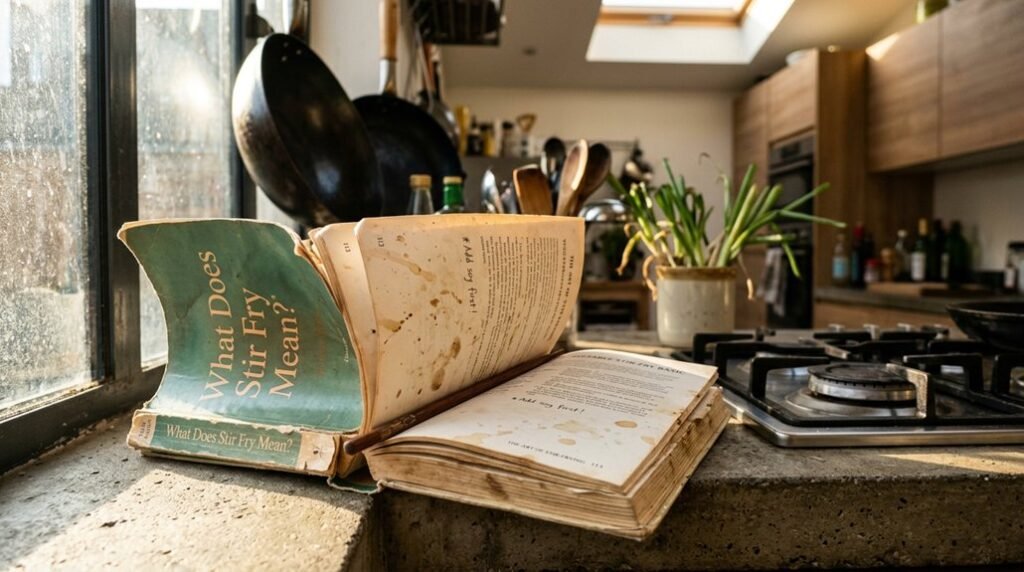


You stand at your stove, watching a $12 carbon steel wok smoke over blistering heat, and you realize stir fry isn’t just cooking, it’s controlled chaos.
You toss ginger and garlic into oil that shatters into flavor, then protein hits metal with a hiss that promises crisp edges, not cloying sauce bombs.
You move fast, you trust your senses, and you wonder why takeout ever seemed worth the wait. The answer, you’ll find, changes everything.
What Stir Fry Is (And Why It Beats Takeout)
Why settle for takeout when you can master a technique that’s faster, cheaper, and infinitely more satisfying? You grab a wok, you crank the burner to high heat, and in fifteen minutes you’ve got dinner that doesn’t taste like regret and a foil container.
Stir-fry is quick-cooking at its finest. You’ll toss bite-sized pieces in screaming-hot oil, longest-cooking items first, aromatics early, sauces at the end. That smoky wok hei flavor beats anything that survived a twenty-minute delivery window. You’re not eating cloying, corn-syrupy glazes; you’re controlling your own umami.
The technique comes from Chinese “chao,” popularized in English back in 1945. It’s healthy, it’s fast, and that $12 takeout fee? You’re keeping it.
Plus, nothing beats the satisfaction of nailing that perfect, single-motion flip.
Recommended Products
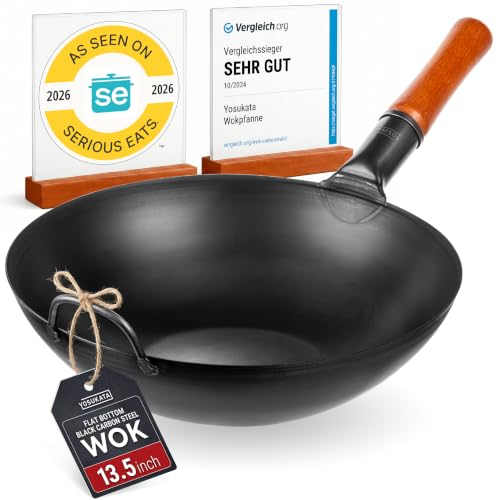
GENUINE TASTE: Bring authentic wok flavor to your kitchen or outdoor cooking with the YOSUKATA 13.5” flat-bottom carbon steel wok. Designed to lock in juices and flavors, this deep wok pan is ideal for preparing Chinese, Japanese, Thai, and other Asian dishes — the perfect fried rice pan for home or professional use

GENUINE TASTE: Bring rich, traditional Asian flavors to your kitchen or campsite. The YOSUKATA 14-inch carbon steel authentic wok with round bottom is specially crafted to lock in moisture and flavor. Ideal for Chinese and Japanese cuisine, this xl wok is designed for use as a camping wok, open fire cookware and BBQ wok

🔥 READY TO USE, ZERO COATING NON-STICK: Skip the complicated seasoning process! Our Sanho wok is pre-seasoned using advanced micro-nano technology, creating a durable, 0-coating physical non-stick surface right out of the box. Unlike traditional woks that rely on PTFE or PFOA-based chemicals, our wok is 100% non-toxic. Just rinse, heat, and cook – it’s that simple. The non-stick performance will only improve with proper care, becoming your most reliable kitchen companion


The Gear That Actually Matters (And What You Can Skip)
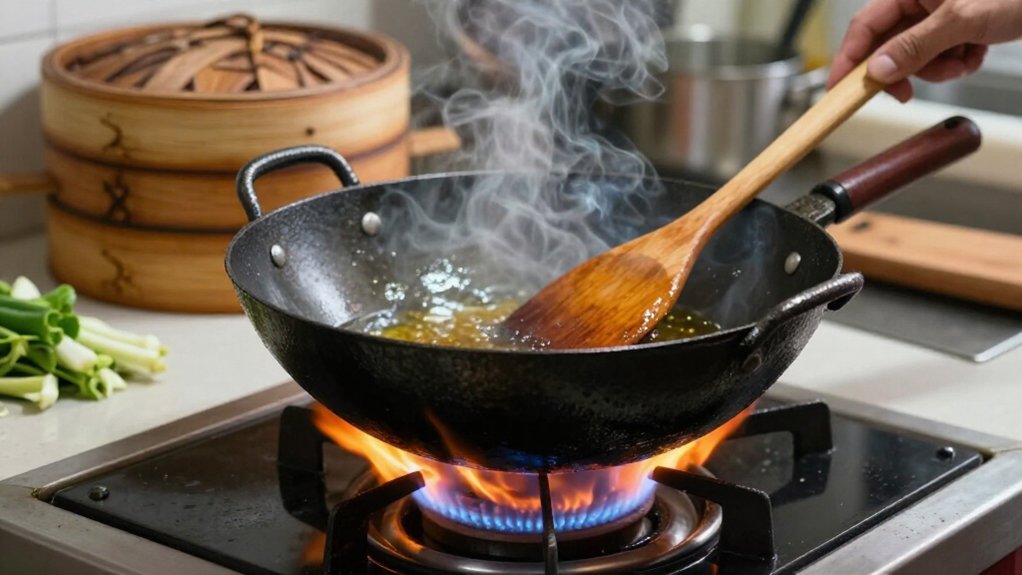
How much gear do you actually need to nail stir-fry at home? You’ll want a wok first; its curved walls create moving heat zones you can’t replicate with standard pans. No round-bottom rig? Grab a flat-bottom wok or even a hefty skillet, but you’ll sacrifice some wok hei, that elusive umami char.
Heat management separates dinner from disaster. Crank your burner to high heat, wait for oil to smoke, then work fast. You’re controlling thermal chaos here, not stirring cloying sauces.
Don’t overcrowd, you’ll steam vegetables into sad, limp shadows. Prep uniformly, add by cooking time. Master this cooking technique, and your ingredients caramelize, not burn. Skip the $300 carbon steel; your existing stove’s the real bottleneck.
Recommended Products
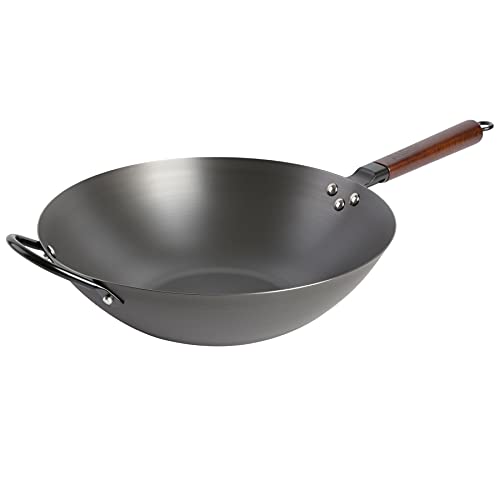
Consumer Reports Top Rated Wok 26': Babish 14 Inch Carbon Steel Wok (6" Flat Bottom)


【Safe Material, Lock Natural Flavor】Carbon steel wok is no PFOA, no PFAS. Just pure carbon steel, hardened through high-temperature nitriding. You can deglaze with wine, toss in acidic tomatoes, or simmer a lemony broth. The flavor stays true to your ingredients, not your cookware. Whether you're stir-frying for families or meal-prepping for the week, this wok pan delivers cleaner meals with every toss


Two Ways to Stir Fry: Chao and Bao Explained
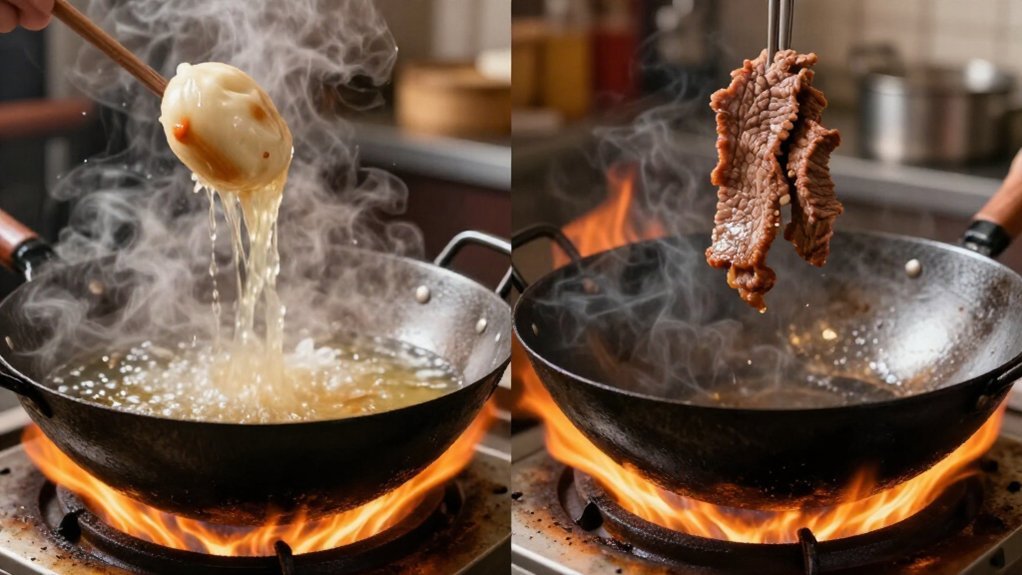
Once you’ve got your wok screaming hot and your mise en place locked down, you’re ready for the real split in stir-fry philosophy. You’re choosing between two high-heat cooking siblings that deliver completely different plates.
- Chao (炒) lets you soften ingredients in hot oil first, then introduce liquids later. Think saucy, tender results where soy sauce and starches cling beautifully at the finish.
- Bao (爆) demands your wok hits a dull red glow. You’re tossing continuously, keeping juices locked inside meat without drowning it. Dry, seared, immeasurably crisp.
- The texture gap is unmistakable: chao yields sauced, almost stewed satisfaction; bao gives you naked char and concentrated umami.
Know both techniques by heart, and your stir-fry cooking moves from one-note to borderline telepathic.
Recommended Products

Savory blend crafted for classic stir fry dishes
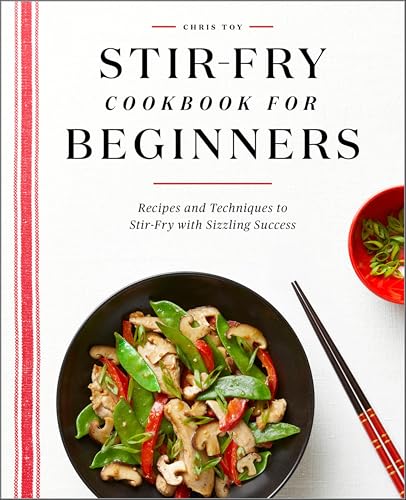

Includes one 11.5 oz bottle of HOUSE OF TSANG Classic Stir-Fry Sauce to make your next meal extra delicious and flavorful


The 15-Minute Method: How to Stir Fry Any Vegetable or Protein
Where does a Tuesday night dinner go to die? Not in your wok, if you master this 15-minute method.
You’ll preheat your pan until it’s screaming hot, because high heat separates vibrant stir fry from sad, steamed regrets. Cut everything into bite-sized pieces, no exceptions, uniform cubes that cook evenly and fast.
Add oil, flash-fry your aromatics, then sear protein until it’s three-quarters done. Remove it. Yes, actually remove it.
Quick cooking demands patience between steps. Toss in vegetables by cook time, longest first, keeping them crisp, not cloying. Reunite protein and veg, splash in a light sauce with real umami depth. Don’t overcrowd, you’ll kill the Maillard reaction that makes dinner worth eating.
Fifteen minutes. That’s it. You’ll never microwave rice again.
Recommended Products

PRODUCT BASICS: Round Bottom Heavy 14-Inch, 15-gauge (1.8mm) carbon steel wok, commercial grade. Original design by Craft Wok since 2014, with proven quality over the years. Chinese iron wok pan featuring a round bottom for home gas stovetops, professional wok jet turbo fast burners, open fire, BBQ, grills.
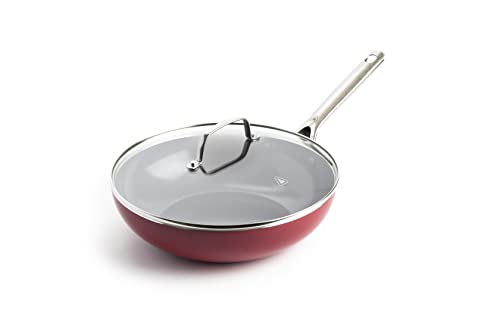
Go with the Flow: Unique Lavaflow coating fuses ceramic nonstick with plutonic rock, a dynamic substance formed by unbelievable heat and pressure that can stand temperatures up to 1400°F!

[Wok Set & Cookwares] - KAQINU 14 piece wok pan set includes wok pan with lid, wok spatula, wok brush, wok ring, drain oil rack, chopstick, slotted spatula, spaghetti spoon, slotted spoon, rice spoon, soup ladle, carving fork and apron. Owning this all-in-one Chinese wok pan, make cooking easier, faster and more efficient, then your cooking life will be more handy.

How Stir Fry Took Over the World
Why did a technique born in Chinese home kitchens suddenly command prime real estate on every continent? You can trace the answer to 1945, when Buwei Yang Chao coined “stir-fry,” giving Western cooks a name for the fast cooking they’d soon crave.
The takeover wasn’t accidental. You turned to stir-fry because it delivered three undeniable wins:
- Speed: High heat and constant motion finish dinner in under ten minutes, no cloying sauces required.
- Health: Minimal oil, maximum vegetables, and wok hei’s smoky umami without the calorie bomb.
- Adaptability: Your wok handles Italian sausage, Mexican peppers, or leftover rotisserie chicken with equal confidence.
Recommended Products

House of Tsang Stir-Fry Oil 10 Oz (Pack of 2)
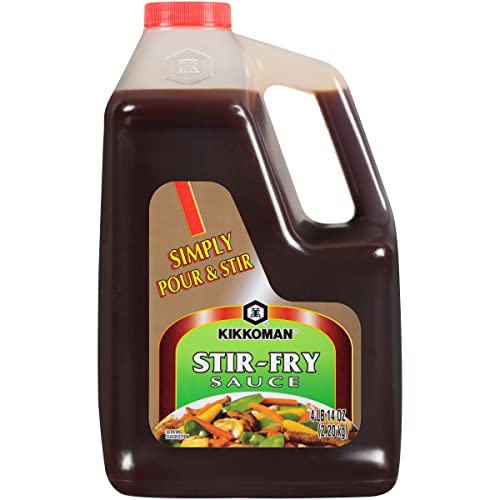
CLASSIC STIR FRY SAUCE:One-step Kikkoman Stir-Fry Sauce takes the guesswork out of adding popular and profitable stir-fry items to your menu. It’s a perfectly balanced combination of Kikkoman Soy Sauce, sherry, garlic, oyster extract and authentic Asian seasonings. Pre-thickened and ready to use right from the bottle, it saves time and labor, and gives you consistent results every time. Just stir-fry meat, poultry, seafood or vegetables, then add Kikkoman Stir-Fry Sauce, heat and serve.