
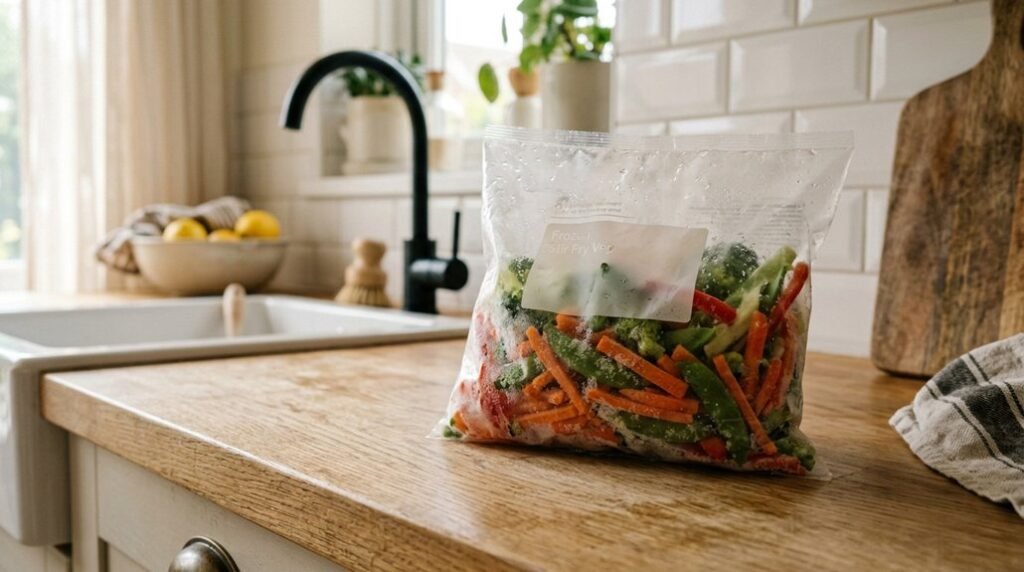


You probably don’t know that freezing your stir-fry after cooking locks in umami better than raw prep ever could. Most home cooks assume fresh equals superior, but that’s where they miss the mark; blanching vegetables first halts enzymatic breakdown, and flash-freezing prevents that cloying, mushy texture everyone dreads.
The real secret, cost about $12 for a sheet pan setup, lies in separating components, proteins on one tray, peppers on another, so they don’t fuse into an unappetizing brick. So why does the reheating method make or break your weeknight dinner?
Can You Freeze Stir Fry? Yes: Here’s How It Actually Works
Why stress over wilted produce when your freezer can save dinner? You absolutely can freeze stir fry, and you’ll thank yourself later.
Start with blanched vegetables, cooled fast in an ice bath. Don’t skip this; it’s what separates passable freezer meals from genuinely great ones. Flash-freeze your spread on a baking sheet first, about 30 minutes, then portion into meal-sized portions. You’ll want separate bagging for each vegetable: carrots here, peppers there. This prevents clumping and preserves texture retention when you finally toss everything in a hot wok.
Vacuum seal if you’ve got one, or press out every whisper of air with a straw trick. High-water vegetables like lettuce? Skip them; they turn to slime. Broccoli, snap peas, and carrots freeze reliably.
Label your bags, freeze flat, and savor the umami later.
Recommended Products

Package Includes—Seventy four (74) Hefty Slider Quart Freezer Bags for meal prepping, lunch packing, camping, traveling, freezer storage, organizing, and more
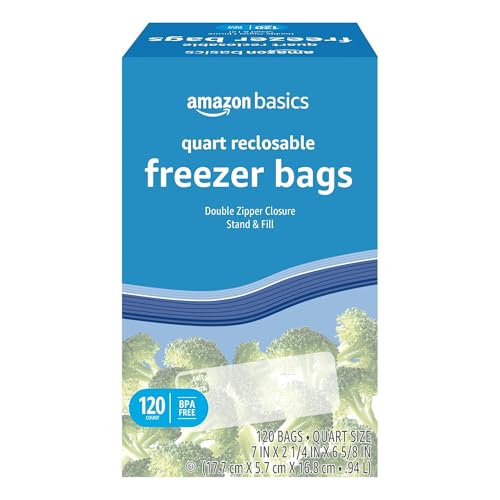
Includes 120 freezer food bags, each holding 1 quart

Includes 120 storage food bags, each holding 1 quart


Blanch Your Vegetables First (Here’s Why It Matters)
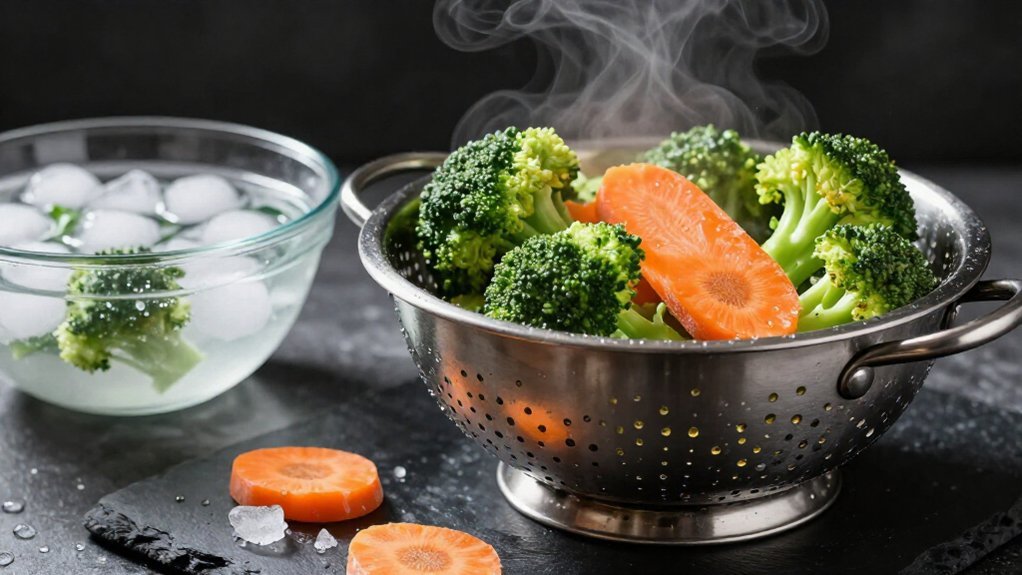
You can throw raw vegetables straight into the freezer, but you’ll regret it. Without blanching, enzymes keep breaking down your vegetables, turning vibrant colors muddy and flavors flat, almost cloying in their lifelessness. The texture suffers too, becoming limp and disappointing when you finally cook them.
Blanching halts this enzyme activity, locking in color, umami depth, and that satisfying snap you want. It also wilts vegetables slightly, letting you pack them tighter and reclaim precious freezer space.
Blanching locks in color, umami, and snap—while shrinking vegetables to reclaim freezer space.
You’ll need to respect blanch times, though. Each vegetable demands its own timing, so don’t toss carrots and broccoli together unless you enjoy mushy disasters.
After blanching, quick cooling stops the cooking instantly. Drain thoroughly, spread on trays to air-dry, then freeze. Your future stir fry deserves better than soggy mediocrity.
Recommended Products
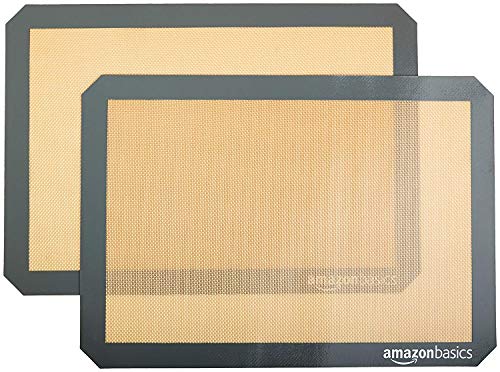
Baking mat (2-pack) for easy and convenient baking, roasting, or food prep

Perfect Fit for Half Sheet Pans: Sized at 16.54" x 11.62", these reusable silicone baking mats fit all standard half sheet trays. Ideal for baking cookies, bread, pastries, or roasting vegetables — no parchment paper or foil needed.

【Premium Food-Grade Material】Our silicone baking mat roll is made from food-grade silicone that is BPA-free, PFOA-free, and non-toxic. This makes it a safe choice for you and your family, as well as a great alternative to traditional baking papers

How to Package Stir Fry for Freezer Storage
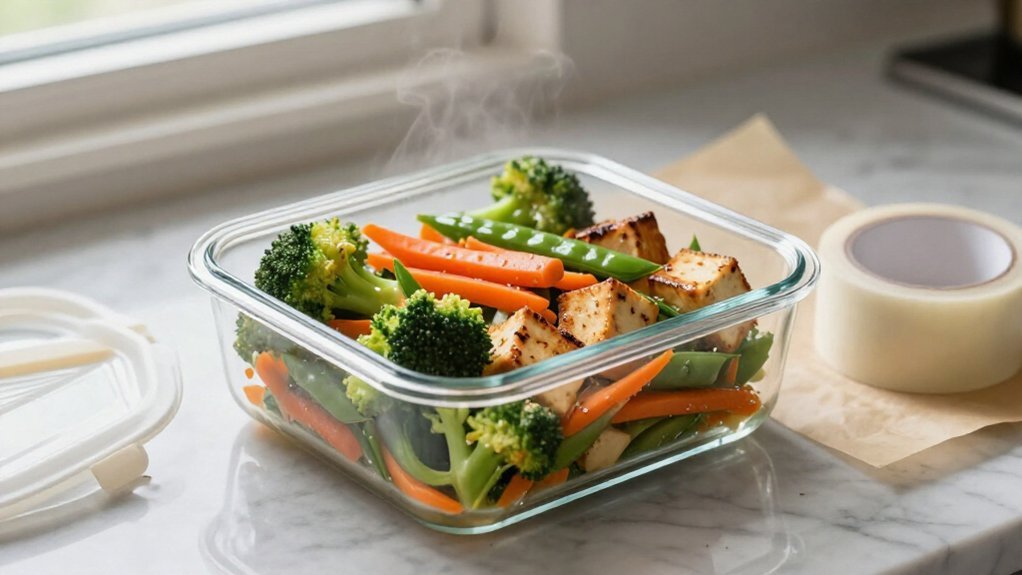
A sloppy freezer bag is the graveyard of good stir fry intentions. You’ll nail freezer storage by working in single-ingredient portions, not jumbled chaos.
Spread your blanched vegetables on a parchment tray, giving them room to breathe. Flash-freeze for two to three hours until they’re firm; this stops the cloying nightmare of frozen broccoli fused into an iceberg. You’ll thank yourself later.
Pack proteins with separate packaging: nestle marinated chicken or shrimp in airtight bags, then tuck that pouch inside the larger bag. Layer rice separately, flat and thin.
Label everything. Date it. Squeeze out every breath of air. Store flat, like stacked gold bars, up to three months. Your defrost reheating will taste like intention, not apology.
Recommended Products

Made in USA: Proudly manufactured in the United States

Easy Use Design: No scissors required for these bags. Just align to seal and tear to open.

FRESHNESS THAT LASTS FOR WEEKS, NOT DAYS: BPA-free multilayer design is constructed of durable yet pliable material that creates an airtight barrier around foods, extending freshness and locking in flavors


How to Cook Frozen Stir Fry: Crispy Results Every Time
Most frozen stir-fries collapse into sad, steamed shadows of themselves because home cooks commit the cardinal sin of thawing. You want that crispy texture, so cook directly from frozen, no exceptions.
Start with a ripping hot wok and two tablespoons of neutral oil until it shimmers. Add frozen vegetables; resist the urge to stir constantly. Let them sear undisturbed for 90 seconds, then toss. Work in batches if needed; overcrowding kills the crunch.
When you prep ahead, flash-freeze harvest vegetables on a sheet pan before bagging. This prevents clumping and ensures even cooking.
Separate proteins from the start. Sear your chicken or beef, remove it, then add veg. Return meat at the end with your sauce.
Finish with a two-minute simmer. The result is vivid color, genuine umami, and vegetables that snap between your teeth.
Recommended Products

Smart Food Safety System--3 rolls supply labels for 365+ meals – track expiration dates for meats, leftovers & baby foods,BPA-free labels track expiration dates Color-coded system: red=raw meat, blue=seafood, yellow=cooked food – matches USDA guidelines
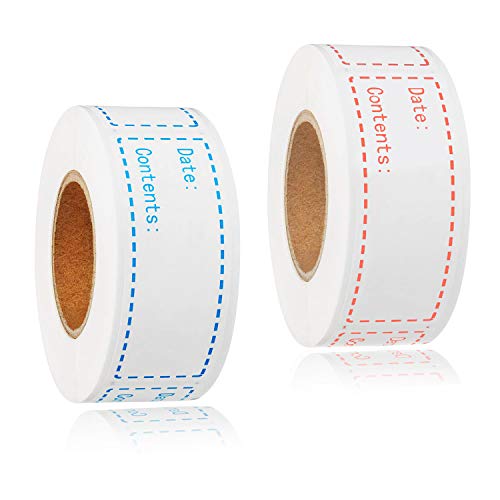
【Full Confidence for the freezer food】Just a quick glance to get the food validity with our food labels, which makes sure food fresh and highly prevent spoilage and freezer burn. Widely used for plastic containers, aluminum foil, food packaging bags, glass jars and more.