


Like the Trojan Horse, your stir-fry noodles might harbor hidden enemies. You think you’re safe with rice noodles, but wheat sneaks into flavor packets and cross-contaminated facilities.
You’ll pay $4 to $8 for certified gluten-free brands, while cheap alternatives risk a cloying, gummy texture and digestive betrayal. The real villain isn’t always obvious: malt vinegar, hydrolyzed wheat protein, and even “umami-rich” miso paste can ambush your plate. Your wok deserves better than guesswork, and so does your gut.
Why Most Noodles Aren’t Gluten-Free for Stir-Fry
Why do so many noodles fail the gluten-free test? You’re staring at wheat-based noodles, and they’re packed with gluten. It’s cloying, really, how wheat-containing ingredients dominate stir-fry culture.
Wheat-based noodles are packed with gluten, and it’s cloying how they dominate stir-fry culture.
You grab soy sauce or tamari, thinking you’re safe, but most brands sneak gluten into the bottle unless you hunt for that gluten-free label. Cross-contamination lurks everywhere: shared factories, questionable thickeners, mystery miso.
Even rice noodles, which seem innocent, sometimes absorb sauce unevenly, turning your umami bomb into a gummy mess.
You’ve got to read labels like a detective. Barley, rye, hidden wheat, they’re all traps. Some brands charge $4.99 for 8 ounces of certified gluten-free noodles, and honestly? That price stings less than accidentally glutening yourself.
Recommended Products

Thai Kitchen Thin Rice Noodles are made from rice using a traditional steam-cooked method

No hydrogenated fats or high fructose corn syrup allowed in any food

GLUTEN FREE RAMEN NOODLES: Try our whole grain ramen noodles with brown rice and millet flour. They're certified gluten-free, made with ethically sourced ingredients, and taste simply incredible


Rice, Buckwheat, and Legume Noodles for Gluten-Free Stir-Fry
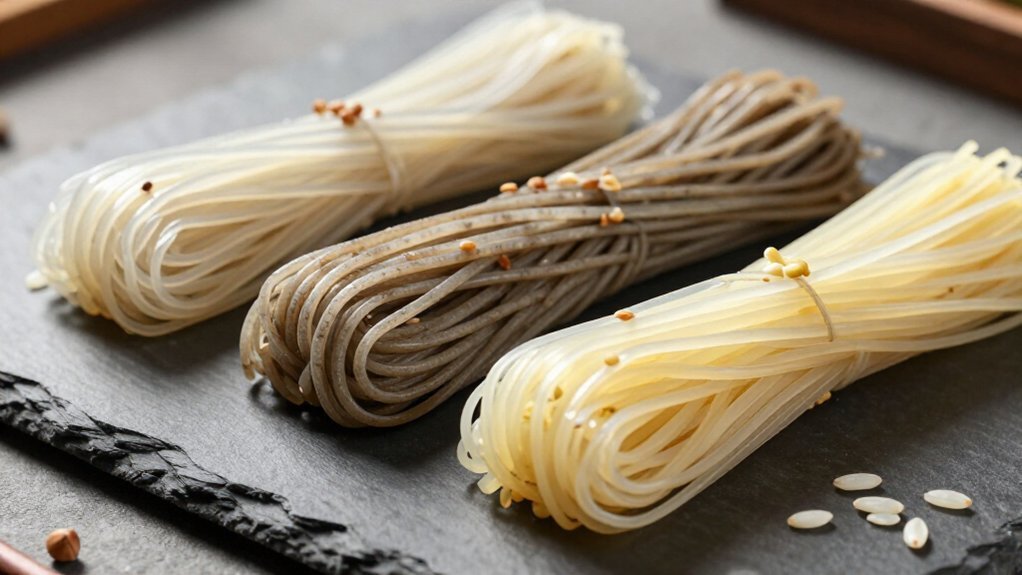
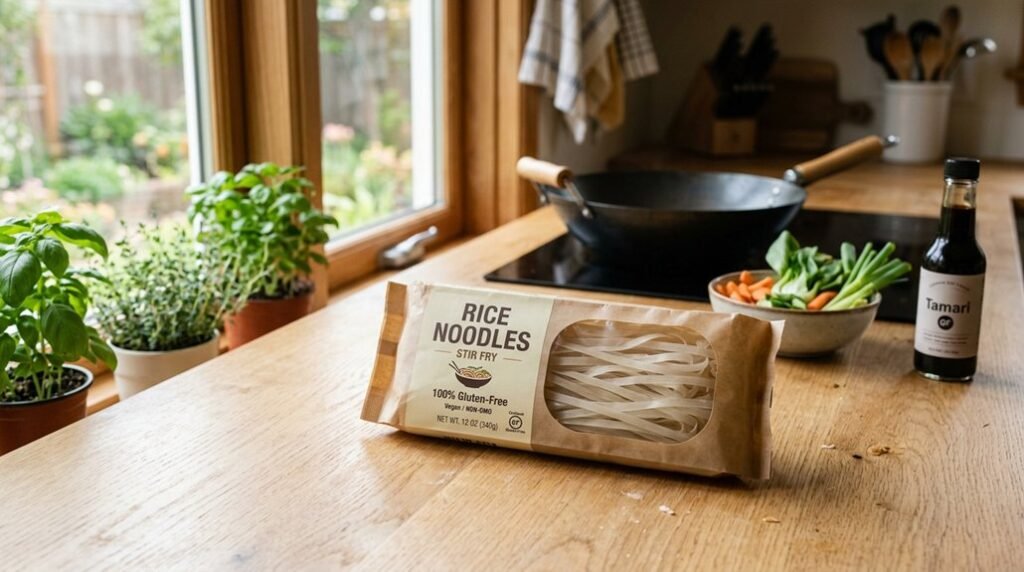
Where do you turn when wheat’s off the table? Rice noodles deliver, period. They’re inherently gluten-free, crafted simply from rice flour and water, though you’ll want to scrutinize labels for cross-contamination risks before committing.
Buckwheat noodles tempt with earthy depth, but don’t let the name fool you. Many brands cut corners, blending buckwheat with wheat flour for cloying, gummy results. Pure buckwheat soba, authentically gluten-free, rewards the careful shopper with robust umami that stands up to aggressive stir-fry techniques.
Legume-based noodles, chickpea and mung bean varieties especially, bring protein density and satisfying chew. They demand attention to cooking times, needing precise soaking to avoid mush.
Pair any winner with certified gluten-free sauce, authentic tamari preferred, and verify your entire pipeline stays clean from grain to plate.
Recommended Products

Rich, nourishing soba noodles made from 100 percent buckwheat flour, an ancient health food; despite the name, buckwheat is not wheat and not related to wheat

Rich, nourishing soba noodles made from 100 percent buckwheat flour, an ancient health food; despite the name, buckwheat is not wheat and not related to wheat.
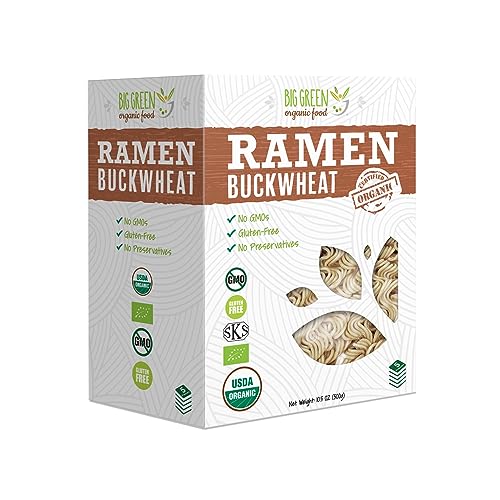
[SINGLE INGREDIENT & GLUTEN FREE]: Big Green Organic Food brings to you organic buckwheat ramen, where we use only 100% organic buckwheat flour, nothing else. You can finally enjoy eating the most pure organic soba. Take care of your guts starting with Big Green Organic Food.


Where Gluten Hides in Stir-Fry Noodle Labels
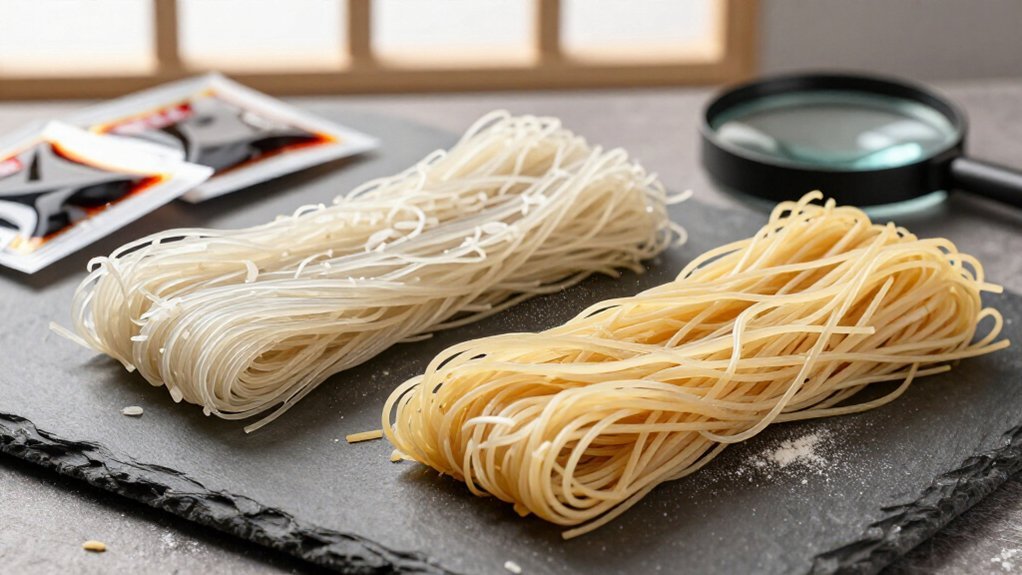
When you grab a package off the shelf, you’d better know what you’re really getting. “Rice noodles” sounds harmless enough, but that label’s hiding plenty of truth in the fine print.
You’re scanning for “gluten-free” claims, yet manufacturers slip wheat into flavor packets marked soy sauce, tamari, or umami-rich miso. That buckwheat soba you’re eyeing? It often harbors wheat flour unless the package screams 100% buckwheat or certified gluten-free.
Cross-contamination lurks in shared facilities, so hunt down “gluten-free facility” assurances. Even cloying pre-seasoned noodles betray you with barley malt or enriched wheat flour tucked mid-ingredient list. Rice-based options generally pass muster, but verify they haven’t encountered shared equipment with wheat products.
Your vigilance pays off. Require explicit gluten-free labels, never assumptions.
Recommended Products

STEAMED NOT FRIED: Every batch of rice noodles is steam cooked and slowly dried

GREAT TASTING SINCE 1970s: More than 50 years of heritage to deliver delicious foods and sauces.

Steamed rice noodles, not fried


Which Stir-Fry Sauces Are Actually Gluten-Free?
How do you know your stir-fry sauce won’t betray you? You reach for gluten-free soy sauce or tamari, but only after confirming gluten-free certification seals the deal. Label reading saves you from wheat-based impostors lurking in bottles.
You can build a knockout brown sauce at home: tamari, miso paste (gluten-free variety), rice vinegar, and sesame oil create deep umami without cloying sweetness. Thicken with cornstarch or arrowroot starch, whisking vigorously to banish lumps. The result clings beautifully, never gluey.
Coconut aminos offers a milder, soy-free path, subtle and slightly sweet, though you’ll sacrifice some savory punch. Store-bought shortcuts demand vigilance; malt vinegar and hidden wheat thickeners sabotage the unwary.
Prep batches ahead, refrigerate up to a week, and shake before using. Separation happens. You know what to do.
Recommended Products

Brewed in the USA and made with non-GMO soybeans.

Kikkoman Preservative-Free Gluten-Free Tamari Soy Sauce has all the rich, savory taste and umami of our regular Kikkoman Tamari Soy Sauce without the gluten

Ancient Traditions, Extraordinary Flavors. At Yamasa, we have been brewing artisanal shoyu (Japanese soy sauce) for four centuries.


How to Prevent Gluten Cross-Contact at Home and Restaurants
The enemy isn’t always wheat itself; it’s the invisible crumbs hiding in your colander. You scrub that pasta pot like your life depends on it, because cross-contact prevention demands strict kitchen hygiene. Store your gluten-free noodles in sealed containers, far from wheat’s cloying reach, and grab dedicated utensils for every stir-fry session.
Check gluten-free labeling twice on tamari soy sauce; some brands sneak wheat into that umami bomb. You’ll want separate cookware, too, not just a hopeful rinse.
At restaurants, ask the staff detailed questions about their practices. Request clean cutting boards, fresh oil, and confirmation that no shared flour touches your plate. Gluten-free sauces deserve careful examination, not blind trust. Your attention changes worry into confidence, one verified ingredient at a time.
Recommended Products

MADE IN ITALY - Our Gluten Free Pastas are handcrafted in Italy & are as similar to traditional pasta as gluten free can be. They cook firm & have a flavor that tastes great with all types of sauces

2 PACK GF PASTA FOR ADULTS, TEENS AND KIDS. Corn pasta can be used by consumers that are intolerant to wheat products.

Includes Two (2) 10 Ounce Bags of Noodles


Build a Gluten-Free Stir-Fry Step by Step
You’ve learned to guard your kitchen like a fortress; now it’s time to cook. Start with rice noodles or brown rice noodles, checking labels to confirm they’re truly gluten-free noodles, never wheat-based impostors.
Heat your pan separately. Cross-contamination lurks in shared utensils, so grab clean tongs and dedicate this equipment. Your stir-fry sauce matters: blend tamari labeled gluten-free with cornstarch, not arrowroot if you’re pinching pennies, both thicken without gluten risk. Skip cloying store-bought bottles; most hide wheat derivatives. Build umami depth with fresh garlic, ginger, maybe a splash of rice vinegar.
Kitchen safety demands vigilance. Double-check every gluten-free ingredient, read labels twice, and never assume. You’re doing something delicious, not gambling with your health.
Recommended Products

Real Naturals gluten free ramen noodles 10 pack I can finally eat ramen again
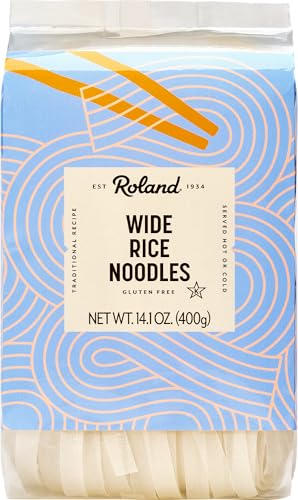
Made from 100% rice flour, Roland Wide Rice Noodles are naturally gluten-free.

GLUTEN-FREE, ORGANIC QUINOA PENNE: From hearty spaghetti and lasagna to every kid's favorite, macaroni, pasta is a wholesome, versatile, and convenient choice


Ready-Made Gluten-Free Noodle Brands You Can Trust
Where do you turn when the rice noodle aisle feels like a minefield? You reach for ready-made brands that earn your trust through gluten-free certification, not wishful thinking. Dynasty Maifun delivers reliable vermicelli that you soak, not boil, preserving that springy chew.
Annie Chuns Maifun offers broader strands that you panfry into golden, soy-rich nests without cloying sauce pooling. Lotus Foods mills heirloom rice into wide rice noodles, those pappardelle-style ribbons you crave for weeknight pad see ew.
You scan for cross-contamination warnings because some factories play loose with wheat dust. You follow package directions precisely, since texture varies, grain by grain. You check for gluten-free certification stamps, never assuming plain rice noodles stay pure.
Three brands, three textures, zero doubt:
- Dynasty Maifun: fine, fast, foolproof vermicelli
- Annie Chuns Maifun: medium width, moderate chew
- Lotus Foods: wide, heirloom, worth the price
You cook, you stir-fry, you eat without fear.
Recommended Products

[SINGLE INGREDIENT & GLUTEN FREE]: Big Green Organic Food brings to you organic buckwheat capellini, where we use only 100% organic buckwheat flour, nothing else. You can finally enjoy eating the most pure organic soba. Take care of your guts starting with Big Green Organic Food.

Made from premium buckwheat
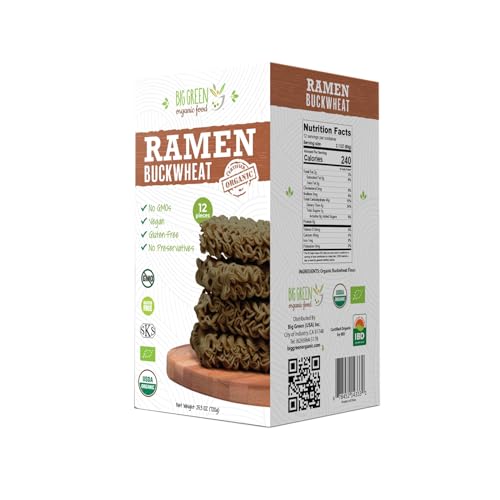
🌱 Organic Buckwheat: Our buckwheat ramen is crafted from premium, non-GMO organic buckwheat, ensuring you savor the true, natural flavors of this ancient grain. Say goodbye to synthetic pesticides and GMOs and embrace the goodness of organic ingredients.
Can You Make Gluten-Free Lo Mein and Chow Mein?
How do you rescue lo mein and chow mein from their wheat-heavy origins? You swap in gluten-free noodles, and suddenly these classics sing again. For lo mein, you’ll boil rice noodles, like Dynasty Maifun or Thai Kitchen, until they yield with just enough resistance. Toss them with a gluten-free sauce built from tamari, not soy sauce; its umami deep but never cloying, thickened with a starch thickener such as cornstarch or arrowroot for that glossy sheen.
For chow mein, you pan-fry those same gluten-free brands until crispy edges form, then pile on vegetables. The distinction matters: soft versus crunchy, both demanding gluten-free sauce attention. Most gluten-free brands run $3-5 per package, a small price for reclaiming these stir fry noodles without compromise.
Recommended Products

TRUE TO THAILAND - Our Pad Thai Rice Noodles are made using traditional methods from heirloom brown rice to create nutritious noodles rich in flavor


20g of plant-based protein per serving, which is 50% more than the leading traditional pasta brand.