
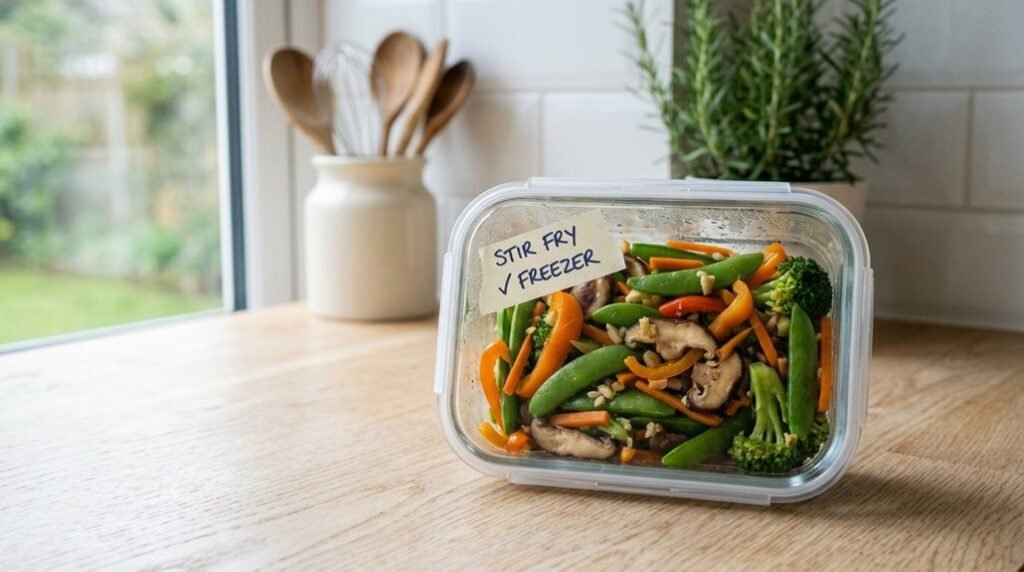


Like Prometheus stealing fire, you’re reaching for that freezer bag, hoping to preserve your stir-fry bounty for another day. You can freeze those vegetables, but don’t expect miracles.
Broccoli and snap peas will emerge crisp and bright, while lettuce collapses into something cloying and sad.
The secret lies in blanching 90 seconds, cooling fast, and packing flat. Your future self will thank you, or curse you, depending on what you chose to save.
Does Freezing Ruin Stir-Fry Vegetables? What Actually Changes
Anyone who’s stared down a crisper drawer of sad, wilting produce knows the freezer feels like a guilty shortcut. But freezing doesn’t ruin your stir-fry vegetables; it changes them. You’ll notice texture differences, sure: cell walls break down, water expands, and that crisp snap becomes a tender give. High-water vegetables like lettuce turn cloying and limp, barely worth the freezer space. Kale and chard hold their structure far better than Bok Choy, which weeps too much.
Blanching before freezing slows enzyme activity, keeping color bright and that vegetal umami you crave. Skip it, and you’re inviting drab greens with flat flavor. Freeze vegetables separately, not mixed, so each keeps its distinct cooking time and bite. Single-variety bags mean you grab, toss, and stir-fry without thawing drama.
Recommended Products

Comfort grip, high-heat handle

Enjoy Delicious, Nutritious Foods; Use for steaming all kinds of vegetables, fish & more

FITS PRESSURE COOKERS, POTS & AIR FRYERS – Compatible with most pressure cookers, regular pots, and air fryer ovens. Designed for 6 and 8 quart sizes—covers most standard cookware.


Blanch or Freeze Raw: The Choice That Protects Texture
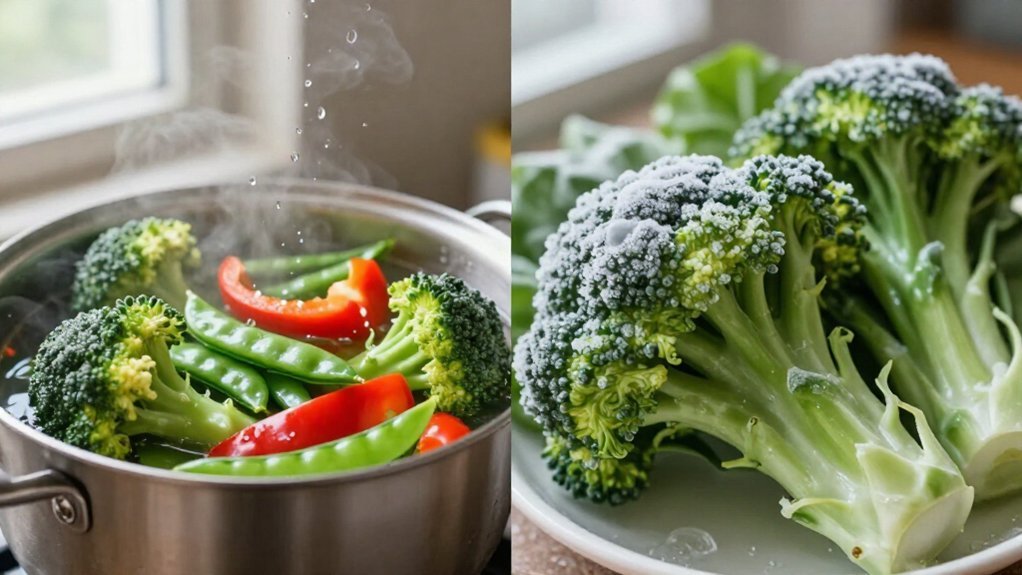
Why gamble with texture when a two-minute dunk in boiling water buys you months of better stir-fries? Blanching stops the enzymes that quietly wreck color, flavor, and snap while you’re not looking. You’ll lock in that fresh green crunch instead of watching your freezer turn produce into something cloying and limp.
Freezing vegetables raw invites faster decline, more ice crystals, and the sad, weeping results nobody wants in a hot wok. Blanching also wilts them slightly, so you pack bags tighter and reclaim precious freezer real estate.
Chill fast, drain well, and bag by meal size. Your future self, reaching for that umami-packed weeknight dinner, will thank you. The texture you preserve today determines whether tomorrow’s stir-fry sings or disappoints.
Recommended Products

DISHWASHER SAFE & EASY TO CLEAN: These reusable freezer bags are suitable for dishwasher. While put the reusable lunch bags on the top rack of the dishwasher, this upgraded food-grade PEVA material is dishwasher safe under 120℃/250℉. We recommend hand wash and air dry too. Not suitable for microwave.

One 20 count box of Ziploc Pint Food Storage Freezer Bags to store and transport fresh food, snacks, and other items

Food Grade Safe: Made of extra thick food-grade PE material and passed certified test to ensure the reusable bags are PVC, BPA, Chloride, and Lead free. They can be used as flat bags or stand up bags thanks to the special foldable bottom design, and are much more lightweight & portable than silicone food storage bags. Perfect reusable food storage bags in home & kitchen or on the go.


Which Vegetables Freeze Well (and Which Turn Mushy)
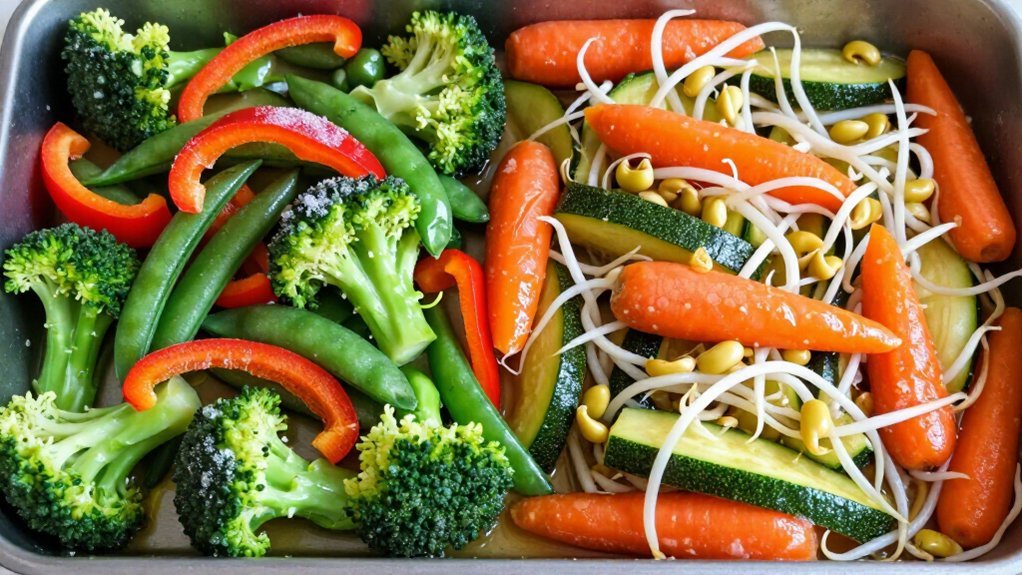
You’ve done the blanching, you’ve squeezed out the water, and now you’re staring at your vegetable haul wondering who makes the cut.
Broccoli and peas reward your effort with excellent texture retention, freezing well and bouncing back with snap and color that won’t betray you in the wok. Kale and chard follow close behind, more forgiving than you’d expect, their earthy backbone holding steady through the thaw.
But high-water-content produce, like lettuce and bok choy, will break your heart. Their cells burst, leaving you with cloying, limp strands that leak water into your sauce, diluting every trace of umami.
Skip the pre-mixed bags too; you’ll never unmix them cleanly. And potatoes? They’re a gamble, often turning mealy. Choose wisely, or your stir-fry suffers.
Recommended Products

One 12 ounce bag of Stir-Fry Vegetable Blend

One 12-ounce bag of Frozen California Vegetable Blend

One 52.2 oz bag of Birds Eye Asian Style Stir Fry Vegetables


How to Pack Vegetables to Prevent Freezer Burn
Freezer burn is the enemy of your carefully prepped vegetables, and air is its accomplice. You need freeze protection that actually works, not hope and a prayer.
You’ll weep when you find your peppers frostbitten and gray, their umami potential stolen by careless packing. That cloying smell of freezer-scorched broccoli haunts your nostrils, a betrayal of your Sunday prep session.
You vacuum seal with desperate precision, pressing out every bubble, yet doubt creeps in at 2 a.m. Three months later, you discover the bag you forgot, and your heart sinks at the crystallized shame.
Pack one pound per bag, flash-freeze flat, and label ruthlessly. Blanching buys you color insurance. Stack only after they’re solid. Keep your freezer at 0°F, rotate stock monthly, and respect the 3-month deadline.
Recommended Products

Extra Size Freezing Tray -1 CUP Freezing Tray Allow You to make & store one cup of food for later use. You can freeze 1 cup of sauces, leftovers, chicken stock and much...


Cook Frozen or Thaw First: Two Ways to Avoid Sogginess
When you pull that bag of frozen peppers from the icebox, you’re facing a crossroads that’ll make or break your Tuesday night stir-fry.
Thawing frozen vegetables gives you the edge against sogginess. Run them under hot water in a strainer for 30 seconds, or let them sweat briefly in your screaming-hot wok before saucing. This evaporates surface moisture that otherwise pools into cloying, flabby bites.
Cooking straight from frozen? Crank that burner higher and sear 90 seconds longer than fresh. You’re flash-evaporating ice crystals before they drown your umami.
Blanch and cool vegetables before freezing, then portion into single meals. Clumps trap water, guaranteeing sogginess.
Finish with a covered simmer; it coats evenly without steaming away that hard-won crispness.
Recommended Products

Our stainless steel strainer cast from high-quality stainless steel, electrolytic polishing on the surface, durable and useful, as bright as a mirror, rust and distortion resistant.

Helen's Asian Kitchen Deep Spider Strainer: safely scoops up foods and drains hot oil and boiling liquids quickly for crisp, flavorful foods without excess liquid or greasy finish; securely holds and transfers food for easy mess-free serving; an essential kitchen tool for authentic Japanese and Chinese dishes and everyday healthy cooking

BUILT-IN HANDLES FOR YOU CONVEINENCE- No more having to reach deep into your insta pot to retrieve your favorite accessory. Our patent-pending egg bite mold has permanently attached handles, that clip together, making removing this instantpot tray easily removable.