


You have stared at your wok a thousand times, paralyzed by the simplest choice in stir-fry history.
Rice promises fluffy, separate grains that soak up sauce slowly.
Noodles grab umami instantly with glossy, clingy strands that fight your chopsticks.
One base turns bold aromatics into harmony; the other lets them become cloying and heavy.
The wrong pick doesn’t ruin dinner, but it wastes your $12 worth of fresh ginger and sesame oil.
Here’s how you stop guessing and start building the plate you actually want.
Rice or Noodles: How to Choose Your Stir Fry Base
Why does choosing between rice and noodles feel like picking sides in a culinary civil war? You’re standing in your kitchen, wok smoking, and you’ve got to commit.
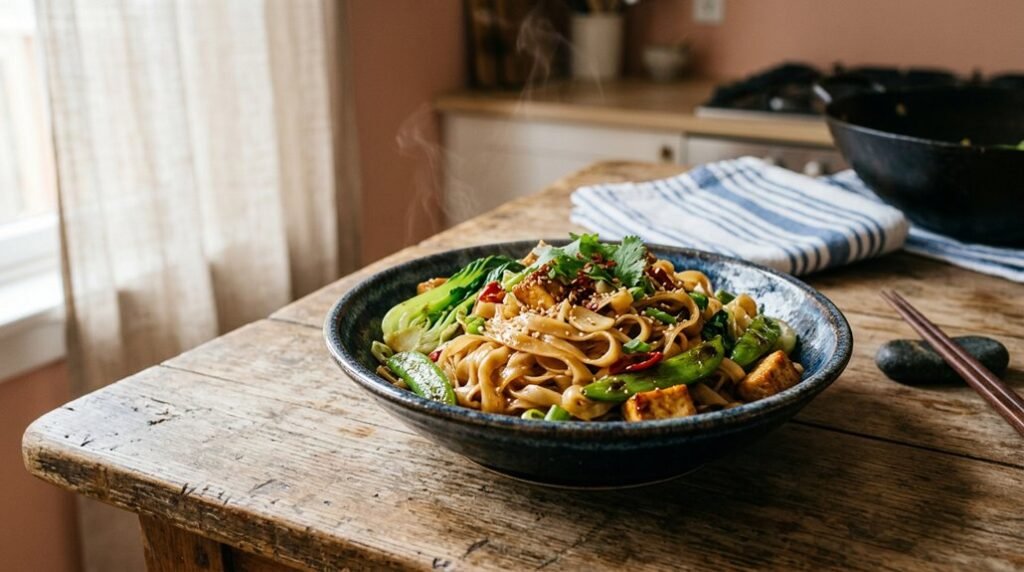
Your stir-fry base dictates everything. Rice gives you that fluffy, separate grain that lets sauce pool around it, each bite clean and distinct. Rice noodles demand more attention: you’ll soak them in warm water for 20 to 30 minutes, not boiling, then drain and toss. They reward patience with long, unbroken strands that cling to your chopsticks.
Here’s where sauce absorption becomes your deciding factor. Noodles drink up umami like sponges, turning every strand into flavor delivery. Rice stays politely separate, which works beautifully with cloying sweet-sour glazes that’d overwhelm otherwise. Match your base to your sauce’s personality, and you’ll never pick wrong.
Recommended Products
Locally grown & harvested: Sourced from the Cajun Prairie of Eunice, Louisiana.

32 ounces of organic long grain white rice

ORGANIC BROWN JASMINE RICE - Our gluten-free Brown Jasmine Rice is grown on family farms in Thailand with no additives, emulsifiers, sodium, or oil. This rice has an exceptional floral aroma


Texture Compared: How Each Base Absorbs Sauce and Feels
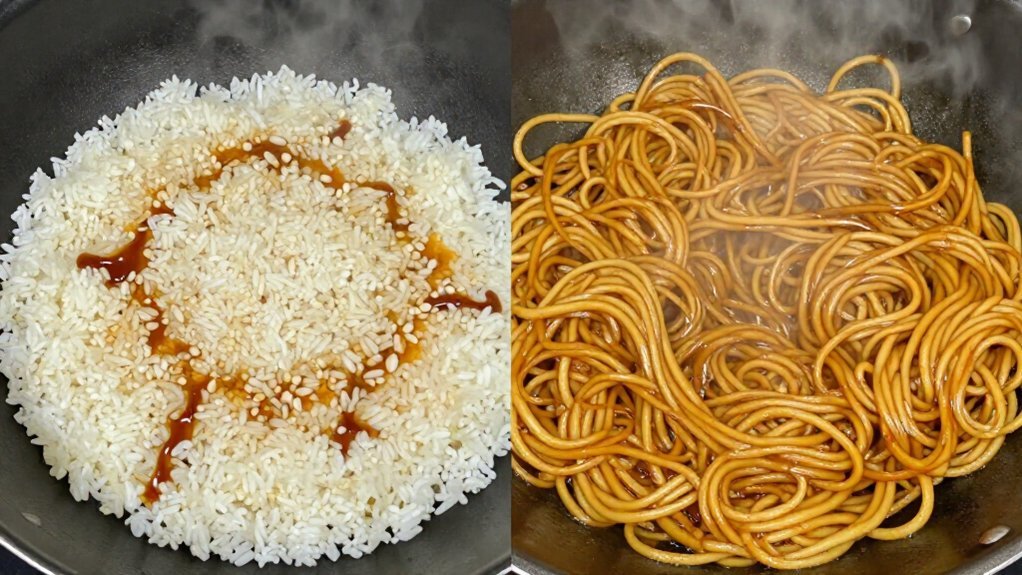
You’ll notice rice grains absorb sauce slowly, staying fluffy and distinct at about $0.50 per cup, while noodles soak up that umami bath almost instantly, turning silky and cohesive for roughly $1.20 per serving. Flat rice noodles keep a springy chew that steamed rice simply can’t match, though overcooked wheat noodles turn disappointingly mushy and cloying in under three minutes of excess heat.
Your mouthfeel choice matters: rice delivers a drier, grainy resistance, but noodles wrap each bite in smooth, bouncy adhesion that carries sauce faster to your palate.
Recommended Products

No hydrogenated fats or high fructose corn syrup allowed in any food

Crafted to perfection, this seasoning mix brings together soy sauce, ginger, garlic, and spices in a delightful symphony of flavors that enhance any stir-fry dish.

A blend of Kikkoman soy sauce, sesame oil, garlic, oyster sauce, and Asian seasonings
Rice Grain Texture
When you pile rice onto your fork, each grain stands alone, fluffy and distinct, soaking up sauce at its own stubborn pace. You notice the texture immediately: rice doesn’t cling, it receives. Each kernel absorbs umami gradually, releasing starch slowly so nothing turns cloying. You’re working with separate, tender bites, not cohesive ribbons.
Compared to noodles, rice offers less surface area, so sauce pools rather than coats. You get a drier, cleaner mouthfeel, almost stubborn in its independence.
Over-soak those grains, though, and you’ve got mush, no chew left to rescue.
That measured absorption means you control the experience. You taste the sauce and the rice as partners, not a merged mass. It’s texture with boundaries, and honestly, sometimes that’s exactly what you want.
Noodle Bite Feel
How do noodles stack up against rice’s stubborn independence? You’ll find noodles surrender to sauce absorption with delicious abandon.
Flat rice noodles soak up umami-rich sauces within minutes, developing that perfect tender, springy bite you crave. They’re clingy in the best way, coating every strand without feeling cloying. Wide pad Thai, style noodles glide smoothly across your tongue, while thinner varieties offer more resistance, more bite, before potentially turning mushy if you’re careless with timing.
Glass noodles play hard to get initially, absorbing less sauce at first. But watch them change, gaining slippery smoothness as they rehydrate, creating delightful contrast against crisp vegetables. Soba brings chewier resilience, stubbornly resisting sauce penetration longer than their rice counterparts.
You’ll learn rice noodles demand respect: over-sauce them, over-stir-fry them, and you’ve got a clumpy disaster. Nail the technique, though, and you’ll achieve glossy, separate perfection, each strand distinct yet harmoniously coated.


Flavor Delivery: Which Base Carries Seasoning Better
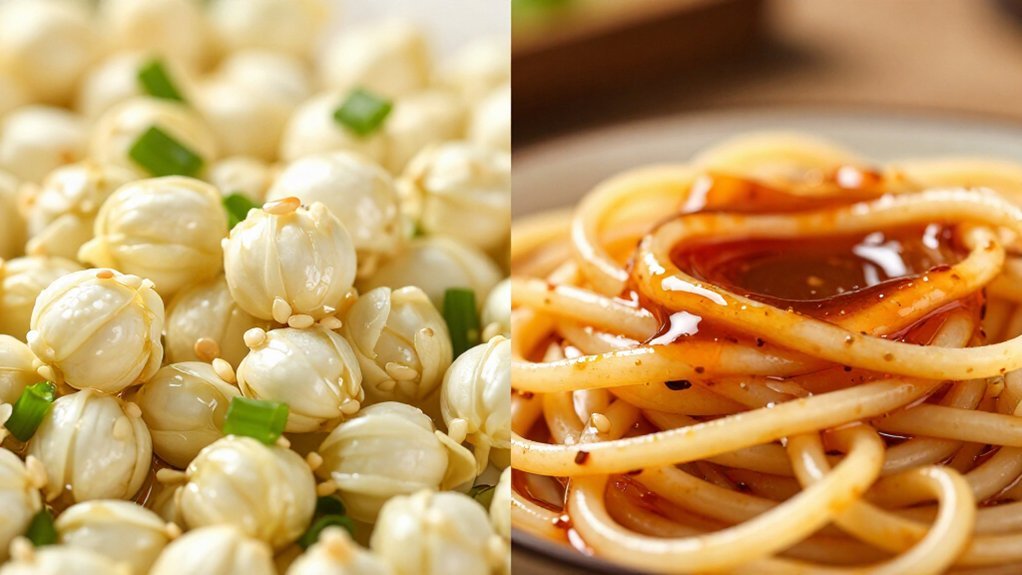
You’ll notice rice absorbs sauce slowly, giving you a mild, clean backdrop that lets bold umami notes shine without turning cloying. Flat rice noodles and soba grab seasoning fast, their slippery strands trapping aromatics between layers for a more pronounced, starchy glaze.
Which base actually wins depends on whether you want your sauce to whisper or sing, slightly firm noodles at $4 per pound versus well-drained jasmine rice at $2.50 per pound, each demanding precise moisture balance to avoid a gummy mess.
Recommended Products
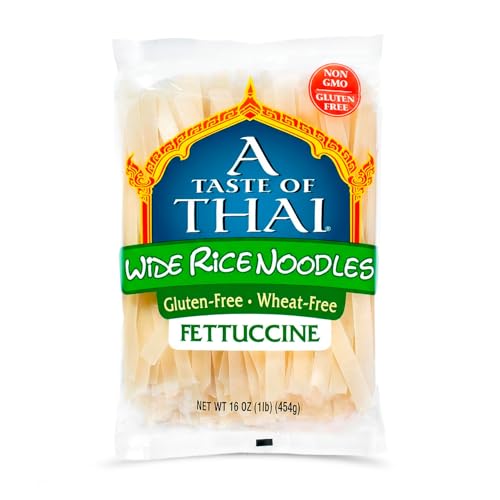
SUBSTANTIAL WIDE RIBBONS - Savor the satisfying width of our fettuccine-style rice noodles that provide a luxurious, hearty eating experience with their broad ribbons that perfectly showcase rich curries, creamy sauces, and bold stir-fry preparations.

TRUE TO THAILAND - Our Pad Thai Rice Noodles are made using traditional methods from heirloom brown rice to create nutritious noodles rich in flavor

Culinary Versatility - Make your favorite Vietnamese, Chinese, and Thai dishes at home with flat rice noodles! Use it as a base for flavorful soups, stir-fries, and a wide range of culinary creations.
Sauce Absorption Capacity
Why does sauce cling to some noodles like a desperate ex, while others let it slide right off? You’re dealing with sauce absorption, and rice noodles win this battle hands down. Their porous structure drinks up soy, stock, and aromatics fast, sometimes too fast, turning mushy if you blink.
The secret’s in the oil coating. You toss those translucent strands with sesame oil first, creating a barrier that slows absorption just enough. Then you pour your umami bomb: stock, soy, honey, ginger, chili, reducing it down until it clings without getting cloying. Thick rice noodles hold longer, their sturdy structure buying you time.
Vegetables and eggs return last, coating evenly after the noodles have absorbed their share. Skip this step, and you watch your sauce pool sadly at the bottom, wasted.
Texture And Mouthfeel
A forkful of noodles carries seasoning like a courier with a direct route, each strand coated edge to edge so you taste ginger, garlic, and soy in every bite.
You’ll notice rice noodles absorb sauce fast, giving you that softer, slurpier mouthfeel, but thicker flat noodles keep their chew and hold seasoning longer thanks to generous surface area. Thin vermicelli turns springy, even delicate, though over-soaking kills the texture and wrecks even flavor delivery.
Egg and wheat noodles bring extra chew, suspending oil-based sauces beautifully for that fatty-acid punch you crave.
Here’s the truth: noodles win on sauce adhesion. Their higher surface-toss efficiency means balanced salt, sweetness, and umami actually reach your palate. Rice grains clump, creating cohesive bites with minimal contact. You’re getting half the flavor potential, and that’s just disappointing.
Aroma Retention Properties
How does that first hit of garlic hit different when it clings to noodles versus rice? You’ll notice the stir-fry aroma lingers longer on wheat noodles, their expanded surface area trapping sesame oil and chili in a way rice simply can’t match. Your starch base determines everything: rice absorbs sauce fast but releases scent quicker, while noodles, especially flat rice varieties properly soaked, carry aromatics evenly across each strand.
Aromatics placement matters immensely. You must add ginger, garlic, and chili oil early, near the screaming-hot wok surface, or you’re wasting their potential. Rice delivers milder, quicker-released notes that can turn cloying without fat assistance. Noodles hold stronger scents through oil coating, delivering that umami punch bite after bite. Choose wisely: your nose knows the difference.


Prep and Timing: Cooking Speed for Rice vs Noodles
Because timing separates the crisp from the cloying, you’ll want to know exactly what you’re signing up for before the wok hits flame. Rice noodles demand patience: you’ll spend 20-30 minutes soaking in warm water before they even touch oil. That soaking directly drags down your cooking speed, though it rewards you with that perfect, springy bite.
Noodle-based stir-fries move faster. A quick 60-second blanch in boiling water, and you’re tossing soba or cellophane into a screaming hot wok. Rice versions drag longer, those starches need time to marry with sauce and umami depth.
Either way, you must prep everything first. Vegetables sliced, sauce stirred, wok preheated to blistering. Scramble eggs, coat with oil, then build. Rice noodles punish rushed soaking; other noodles forgive. Choose your pace, but don’t improvise mid-flame.
Recommended Products

Best Of Thailand Noodles

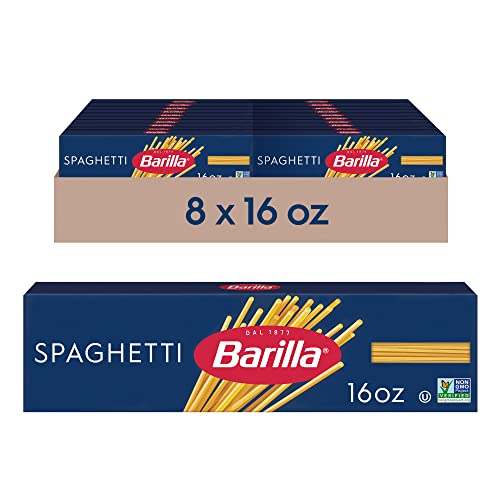
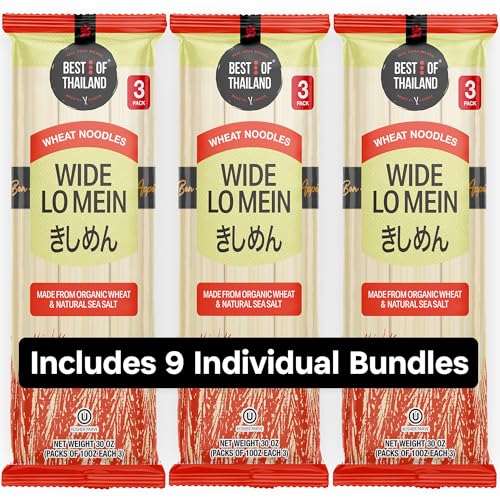
ORGANIC LO MEIN NOODLES - This flat Chinese-style pasta, resembles fettucine. Popular as the traditional staple food of North China and familiar to generations of Americans as the noodles used in Chinese restaurants.

Add a touch of Asian-inspired flavor to your favorite recipes with La Choy Chow Mein Noodles


Dish Matching: When Rice Works Best
You’ll appreciate rice’s absorbent texture advantage when you’re building a stir fry with bold, umami-heavy sauces, since each grain soaks up soy and garlic without turning cloying or soggy. Its neutral flavor base lets pork belly or shrimp take center stage, creating hearty, filling portions that satisfy without competing for attention.
Stick to day-old jasmine rice, cooled and fluffed, and you’ll get that ideal separate-but-saucy bite every single time.
Recommended Products

AUTHENTIC CARIBBEAN CHINESE FLAVOR Inspired by bold Caribbean Chinese cooking, this savory sauce helps recreate restaurant-style lo mein, chow mein, stir fry and fried rice dishes at home with rich flavor, satisfying depth and a distinctive takeout-style taste the whole family can enjoy.

Add a touch of Asian-inspired flavor to your favorite recipes with La Choy Chow Mein Noodles
Best Of Thailand Noodles
Absorbent Texture Advantage
Choosing rice for your stir-fry means putting its quiet superpower to work: that absorbent texture that turns every grain into a tiny flavor sponge. You’ll watch as each kernel drinks up soy-based sauces and savory broths, binding vegetables, eggs, and proteins into a cohesive, saucy masterpiece without turning cloying or soggy.
This absorbent texture works hardest when you’re building dishes with depth. Unlike noodles, which fight for attention with their chew, rice stays humble. It supports toppings without competing, letting umami-rich seasonings shine through. Your grains remain distinct and slightly firm, providing that essential textural contrast against tender-crisp vegetables and seared proteins.
When you want every bite evenly seasoned and satisfyingly separate, rice delivers. It’s the sturdy foundation that makes a good stir fry something genuinely crave-worthy.
Neutral Flavor Base
Rice doesn’t fight for the spotlight, and that’s exactly why you want it sometimes. You choose rice as your flavor base when you need the sauce, not the starch, to carry the umami. In a stir-fry built around delicate shrimp or subtle aromatics, rice steps back. It won’t coat your mouth with cloying starch or compete with the vegetables.
You get a lighter, quicker-absorbing bite that forgives uneven saucing. For gluten-free meals, rice keeps everything cohesive without demanding gluten-free noodles at $4.99 per package. The mild, almost dumpling-like texture pairs with chicken and gentle seasonings where bolder noodles would bully the dish.
Sometimes the best supporting actor wins the meal.
Hearty Portion Filling
When do you reach for rice instead of noodles? You grab it when you need a hearty, filling foundation that won’t fight your sauce for attention. Rice absorbs umami-rich drippings without turning cloying, letting pork belly or soy-glazed chicken shine.
You want that satisfying heft, so you cook jasmine or medium-grain rice until fluffy, then cool it completely. Warm rice clumps disastrously. Toss it with a teaspoon of oil before the stir-fry hits the wok. You’ll get separate grains that drink up every drop of sauce.
Rice-based stir-fry feeds crowds properly. It balances crisp vegetables, protein, and aromatics into one complete, filling plate. No one leaves hungry. That’s the point.


Dish Matching: When Noodles Work Better
You’ll want noodles when your sauce carries serious umami depth or cloying sweetness that rice can’t handle. Unlike rice, which sits beneath flavors, noodles wrap themselves around every strand.
Soba and cellophane noodles expand your options beyond basic wheat. Soba brings earthy nuttiness; cellophane offers slippery resilience. You control texture through technique: pre-soak or quick-blanch for firm strands that cook in 90 seconds flat. Skip this, and you’re eating mush. Nobody wants that.
Recommended Products

One 8.5 oz pouch of BEN'S ORIGINAL Ready Rice Fried Flavored Rice

WHAT'S INSIDE: One 12-ounce bag of frozen Long Grain White Rice with Mixed Vegetables

One 5 lb Bag of BEN'S ORIGINAL Whole Grain Brown Rice
Dietary Adaptations: Gluten-Free and Low-Carb Swaps
Sometimes you need to eat around your restrictions without feeling like you’re missing out. Going gluten-free doesn’t mean surrendering flavor; you just swap regular soy sauce for tamari or a certified gluten-free alternative.
Check your noodles carefully; rice vermicelli or millet-based options work beautifully, but wheat-based varieties will betray you. For the truly carb-conscious, shirataki noodles offer that slippery, satisfying chew with virtually no starch. You’ll want to balance them with extra vegetables and protein, building layers of umami without the cloying heaviness of too much grain.
When you do choose rice noodles, soak them just until pliable. Overcooking turns them mushy, and nobody wants that sad, gummy texture on their plate. These adaptations keep your stir fry vibrant, not victimized by dietary limits.
Recommended Products

What You Get: One 13.5 oz. bottle of P.F. Chang’s Home Menu Sesame Sauce


Contains one 14.5-ounce bottle of La Choy Teriyaki Stir Fry Sauce & Marinade


Fix Common Errors: Rice and Noodle Rescue Tips
How often have you watched your noodles dissolve into a sad, shapeless heap? You’re not alone. Texture separates memorable stir-fry from cloying mush, so you’ll rescue your dish with precise timing.
Soak rice noodles just until pliable, never longer. When packaging gives a range, choose the shorter time. You’ll preserve that essential chew. Pre-soak or blanch wheat noodles, toss with oil, then cook fast. Long strands absorb sauce without turning gummy.
If clumping strikes, rinse briefly in cold water. Separate strands with gentle tossing, adding a teaspoon of oil if needed.
Prep your sauce and vegetables first. The hot wok finishes everything in one rapid pass, preventing overcooked, limp disaster. Master these steps, and you’ll nail the stir-fry rescue every time.
Recommended Products

AUTHENTIC FLAT NOODLE PERFECTION - Experience the ideal width and texture for traditional Thai dishes with our linguine-style rice noodles that perfectly capture sauces and seasonings, delivering the authentic chewy-tender bite that makes Thai cuisine so irresistible.

SUBSTANTIAL WIDE RIBBONS - Savor the satisfying width of our fettuccine-style rice noodles that provide a luxurious, hearty eating experience with their broad ribbons that perfectly showcase rich curries, creamy sauces, and bold stir-fry preparations.

COMMITMENT TO AUTHENTIC ASIAN NOODLES: Four Elephants Rice Sticks for those who want authentic Asian flavors and understands the difference between (3MM, 5MM, 10MM) for delicate noodles commonly used in a variety of standout Asian dishes like Pad Thai (choose 3MM or 5MM), Pho (choose 3MM or 5MM), and Stir Fry (choose 10MM) and for those who have dietary restrictions and can’t eat wheat noodles.


Your Decision: 3 Questions to Pick the Right Base
Ask yourself three practical questions before you heat the wok.
First, how hungry are you? Rice delivers a sturdy, filling starch base that anchors heavier proteins, while noodles, especially cellophane or soba, offer lighter, quicker bites when you want something nimble.
Second, what’s your sauce situation? Sauce absorption varies dramatically by starch base: rice soaks up umami-rich gravies without turning cloying, but wide flat noodles can become gummy if overdressed.
Third, what texture do you crave? You want that satisfying chew, that springy resistance between your teeth. Noodles win on textural variety, from silky to toothsome. Rice plays it safer, more predictable. Choose wrong, and you’ll know. Choose right, and dinner sings.
Recommended Products

Asian style chow mein stir-fry noodles

Dried egg noodles made from egg white only

CHINESE STYLE LO MEIN NOODLES: Cylindrical wheat noodle similar in shape to spaghetti, but a bit thicker, that can be prepared right at home.
Recipe Pairings: Complete Meals With Rice or Noodles
Why settle for half a meal when the right pairing turns stir-fry into something you actually crave? You need to build your plate with intention, matching your starch to proteins that complement rather than compete.
Choose rice when you want a clean canvas that soaks up umami-rich sauces without getting cloying. Pair jasmine rice with ginger-scallion chicken, or go brown rice with five-spice tofu for $8-12 per pound. The grains stay distinct, letting vegetables shine.
Noodles demand bolder moves. Soba brings nutty chewiness that stands up to sesame beef, while cellophane noodles absorb every drop of garlicky shrimp broth. You’ll spend $3-5 on soba, $2-4 on glass noodles.
Balance matters most. Heavy proteins need lighter starches; delicate vegetables crave heartier bases. Get this right, and you’ve built dinner, not just assembled ingredients.
Recommended Products

Dried egg noodles made from egg white only.

The information below is per-pack only