


You probably don’t realize that your wok is sabotaging you the moment you overcrowd it. Steam becomes your enemy, not your tool, and those sad, cloying vegetables you’re pushing around? They’re drowning in their own juices instead of searing.
You need one cup of vegetables max per batch, 90 seconds of aggressive tossing over ripping high heat, and oil that shimmers like mercury, not pools like a puddle. Master this, and you’ll finally understand why restaurant stir-fries haunt your dreams.
Stop Settling for Soggy Stir-Fry Vegetables
You’ve been there, staring at a plate of limp broccoli that tastes like hot, wet sadness, wondering where it all went wrong. The culprit isn’t your ambition but your technique. You’re drowning vegetables in a crowded pan, and they’re steaming instead of searing.
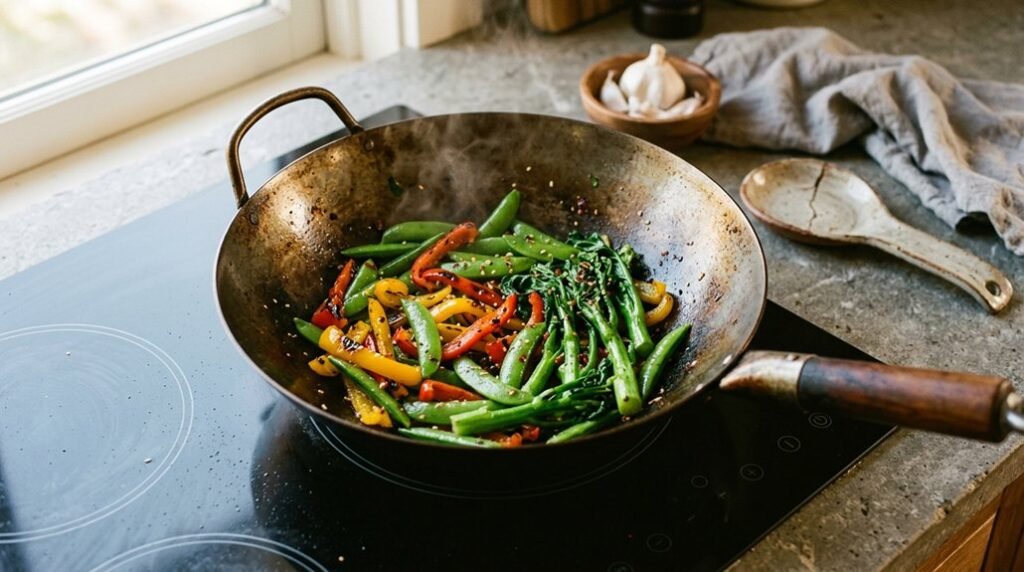
Stop that. Grab your wok, crank it to high heat, and start cooking in batches. A blazing hot surface changes vegetables, creating blistered edges and that elusive crisp-tender bite you’re after. Work in small handfuls: two cups max per round, ninety seconds of aggressive tossing, then out they come. No cloying sauce baths yet. You’ll finish everything together at the end with a quick umami glaze.
Your patience will crackle with reward, literally. The sound alone, vegetables singing against carbon steel, confirms you’re winning.
Recommended Products
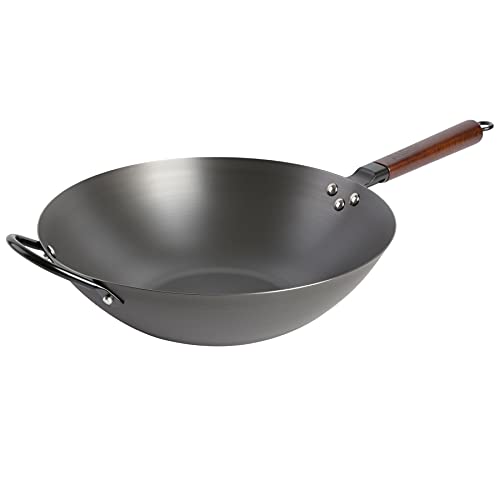
Consumer Reports Top Rated Wok 26': Babish 14 Inch Carbon Steel Wok (6" Flat Bottom)

PRE SEASONED & NONSTICK: Tired of rusty woks? SUMEIGUAN carbon steel wok is pre-cured and engineered with advanced Nitriding technology. This treatment fundamentally transforms the steel, creating a dense, molecular-level shield against rust. The result is a wok with exceptional resistance to rust, scratches, and corrosion—ready to cook right out of the box. Built to last up to 3 times longer than ordinary wok pans, this is the only wok you’ll need in your kitchen.
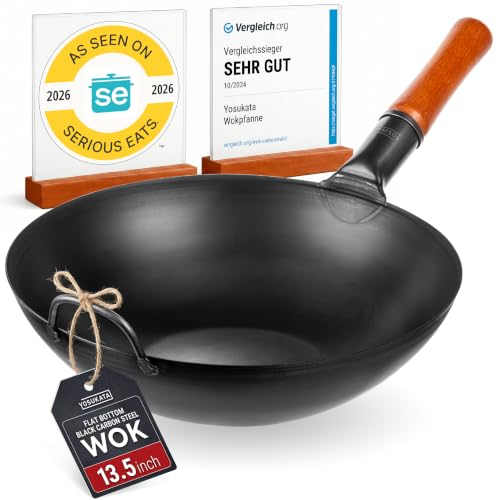
GENUINE TASTE: Bring authentic wok flavor to your kitchen or outdoor cooking with the YOSUKATA 13.5” flat-bottom carbon steel wok. Designed to lock in juices and flavors, this deep wok pan is ideal for preparing Chinese, Japanese, Thai, and other Asian dishes — the perfect fried rice pan for home or professional use


Cut Vegetables to One Size (And Know When to Blanch)
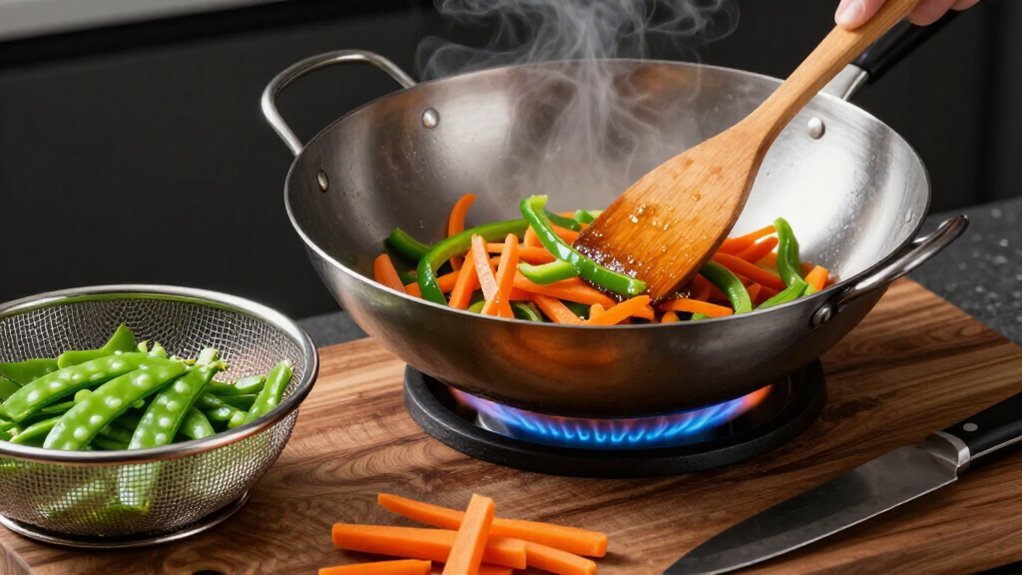
Why do half your carrots still crunch while your peppers dissolve into mush? You’re not cutting to uniform size, and uneven cooking wreaks havoc on texture. Slice everything into matching bite-sized pieces: one-inch broccoli florets, thin carrot coins, pepper strips of equal width. This ensures even heat penetration so nothing turns cloying or underdone.
For stubbornly dense vegetables, try blanching. Boil carrots or broccoli stems for ninety seconds until crisp-tender, then shock them in ice water. This sets their snap and preserves that fresh, vegetal brightness without the sulfurous dullness of overcooking. You can blanch hours ahead, then toss them into your final stir-fry for quick reheating.
Skip batch cooking at your peril. Overcrowding steams instead of sears, yielding that dreaded soggy mediocrity. Work in two-cup portions, let the pan rage hot, and build layers of caramelized umami.
Recommended Products

These medium-length 12-inch tongs provide ultimate control while keeping hands far enough from hot surfaces and oils

PREMIUM FOOD-GRADE STAINLESS STEEL - Professional kitchen tongs feature heavy-duty 1mm thick stainless steel for exceptional durability. The seamless design eliminates weak joints, providing superior heat resistance (up to 600°F), rust-proof performance, and effortless cleaning. Unlike flimsy tongs, our tongs maintain perfect balance with lightweight ergonomic handles for comfortable, precise control during cooking. Dishwasher safe and odor-resistant for lasting kitchen performance.

These medium-length 12-inch tongs provide ultimate control while keeping hands far enough from hot surfaces and oils


Cook Dense Vegetables First: The Complete Order
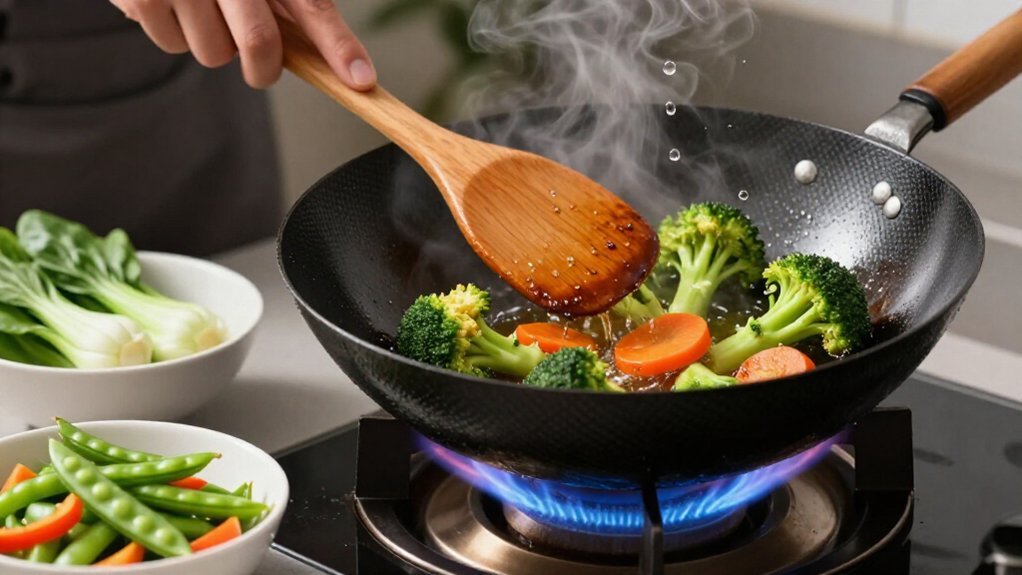
Density determines timing, doesn’t it? You’ll toss carrots and broccoli stems into the wok first, letting their sugars develop that subtle umami before anything cloying happens. Root vegetables lead the charge, then you layer in bell peppers, snap peas, and finally spinach, each hitting the pan at precise 45-second intervals so nothing turns to mush.
Recommended Products

Designed for Outdoorsmen: Make your outdoor cooking sessions more enjoyable and cook like a pro with the Gas One outdoor burner propane! Our single propane grilling side burner is durable, reliable and safe, making cooking more enjoyable during your outdoor adventures!
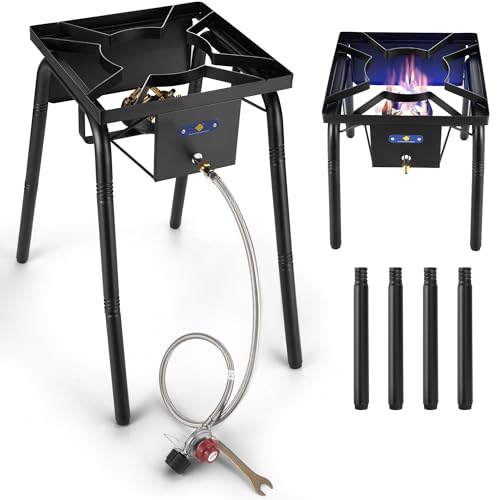
High-Pressure Jet Burner - ARC's 4038s wok burner features a precision-engineered high-pressure jet burner designed to deliver blazing-fast, heat output of 220,000 btu/hr, even heat for demanding cooking tasks. Whether you're boiling giant stockpots for seafood boils, deep-frying turkeys, or running a commercial outdoor kitchen.

Heavy-duty fast stove is built with a burner that can quickly be adjusted to low and high settings
Density Determines Timing
How do you keep your stir-fry from turning into a sad, cloying mess of overcooked mush? You master density and timing. Batch-crying isn’t just a cooking technique, it’s your weapon against uneven vegetables.
Start with dense contenders like carrots and broccoli. They demand three full minutes to hit that perfect crisp-tender sweet spot. You’re not patient enough for soggy broccoli, and neither is your wok. Cook these heavyweight vegetables first, before the pan loses its searing edge.
Less dense players, onions, peppers, celery, join the party later. Add them too early, and you’ll watch them collapse into limp, umami-deficient shadows of themselves. You deserve better.
Crowding kills the crunch. Cook in batches, maintain that scorching heat, and build your density-based sequence: dense, medium, then leafy finishers.
Root Vegetables Lead
Where do you start when your wok’s screaming hot and your vegetables are staging a rebellion against texture? You start with root vegetables, the stubborn dense ones that demand heat and time before they’ll surrender that crisp-tender texture you’re chasing.
Here’s how you win:
- Cut carrots into 1/4-inch uniform cuts so they cook evenly, no cloying raw centers
- Par-cook hard roots for 90 seconds; nothing’s worse than crunchy disappointment
- Stick to batch cooking, crowding kills the sear and steams everything soggy
- Sear until you spot caramelization, that’s your umami developing
- Deglaze with a splash of water, then stage your next wave
You’ll taste the difference. Root vegetables lead because they must, and you’re too smart to let density dictate defeat.
Layered Cooking Sequence
Why do so many stir-fries end up with mushy broccoli and carrots that fight back when you bite? You’ve botched the stir-fry sequence, and your vegetables are paying the price.
Start with the densest players: carrots, broccoli stems, anything that would survive a nuclear winter. Give them three to five minutes of solo time in blazing oil.
Uniform cutting isn’t negotiable; mismatched chunks mean half your pan goes cloying-soft while the other half stays raw as January. Par-cook particularly stubborn specimens to al dente before the main event.
Batch cooking saves you from steamed sadness. Crowd that wok, and you’ll kill the high-heat frying that builds umami char.
Toss in onions, peppers, leafy greens at the finish. Thirty seconds, maybe sixty. They’ll wilt just enough, keep their crunch, and respect you in the morning.


Get Your Pan Hot Enough Without Burning Everything
What separates a transcendent stir-fry from a sad, cloying mess? You nail the temperature, that’s what. High heat changes your wok into a searing engine of umami.
Master your fire with these essentials:
Heat your wok until water drops dance and vanish in two seconds flat; anything less and you’re steaming, not searing. Add in batches; crowding kills the crust and leaves you with limp disappointment. Start harder vegetables first, building layers of texture without temperature crashes. Keep oil skimming the surface, enough to shimmer, never enough to pool. Toss constantly; hesitation means charred garlic and bitter regret.
Respect the heat, and vegetables stay crisp, caramelized, alive. Ignore it, and dinner becomes exactly what you’re trying to escape: bland, soggy, forgettable.
Recommended Products

One 8 ounce package of Sliced White Mushrooms
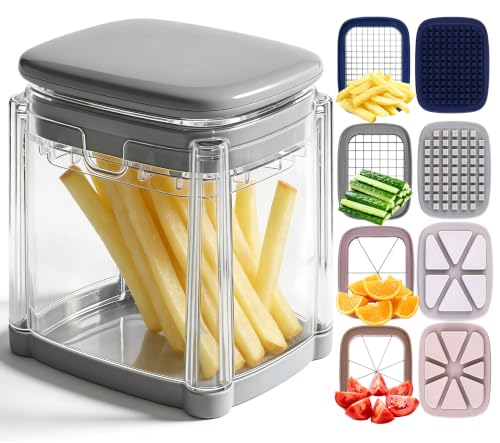
【All-in-One French Fry Cutter with Stainless Steel Blades】 Make consistent fries, cubes, and wedges with one compact 4-in-1 vegetable cutter. The ultra-sharp stainless steel blades easily cut potatoes, sweet potatoes, carrots, apples, cucumbers, onions, tomatoes, and other firm produce with a simple pressing motion. Designed for everyday kitchen use, this versatile cutter works as a practical potato cutter, fruit slicer, and vegetable chopper for home cooking and meal prep.

Large Cutting Surface & Sharp Blade: Extra-wide cutting area improves prep efficiency.Stainless steel blade cuts through firm veggies quickly to get consistent crinkle shapes in seconds.


When to Rescue Vegetables That Are Almost Mushy
How do you salvage dinner when your vegetables are thirty seconds from collapse? You act fast. Pull those softening offenders from the pan immediately. Let the rest of your stir-fry finish, then blast the nearly doomed veggies back in over ripping heat for thirty to sixty seconds while you stir like your reputation depends on it.
This rescue protocol works, but only if you’ve drained every drop of moisture. Pat them bone-dry first; water is the enemy of crunch. A tiny splash of hot broth lifts the browned umami bits, then recook to re-crisp. Skip this step and you’re left with cloying, steamed sadness. Finish with a whisper of sesame oil. You’ll restore sheen, not steam. Dinner lives.
Recommended Products


[Upgrade Modern Non-Stick Technology] After a long time of research and development, we have developed a new non-stick wok technology to bring you a brand new cooking experience. NOTE: The rough and granular effect on the surface of the wok is a natural non-stick layer formed by the state-of-the-art non-stick technology, which prevents food from sticking to the pan, burning, rusting and is easy to clean

[Wok Set & Cookwares] - KAQINU 14 piece wok pan set includes wok pan with lid, wok spatula, wok brush, wok ring, drain oil rack, chopstick, slotted spatula, spaghetti spoon, slotted spoon, rice spoon, soup ladle, carving fork and apron. Owning this all-in-one Chinese wok pan, make cooking easier, faster and more efficient, then your cooking life will be more handy.


Add Aromatics and Sauce at the Exact Right Moment
When exactly should you throw garlic into the fight? You add aromatics like ginger and garlic at the very start, cooking them slowly to build flavor without the bitter burn that ruins everything.
Throw garlic in at the start—slow, patient, no bitter burn.
Nail your sauce timing by pouring it in only when vegetables hit that crisp-tender sweet spot. Too early, and you’re steaming flavor into mush. Too late, and nothing clings. Your high-heat stir-fry demands precision.
Here’s how you win:
- Start aromatics low and slow for maximum depth
- Push veggies aside to create a well for butter or broth
- Mix sauces beforehand, because scrambling mid-cook is amateur hour
- Pour sauce in the final 90 seconds, cook until glossy
- Pull from heat immediately, trust me
That clingy, umami-rich coating without cloying sogginess? That’s your victory.
Recommended Products

MULTI-PURPOSE TONGS: The heavy-duty scissors tongs can be used for home cooking, outdoor barbecue, buffet and all kinds of parties. It is truly a multipurpose tool

⚠️A NOTE ON PRACTICAL USE - Crafted for a natural feel, these tongs are a reliable helper for mixing and serving medium-sized foods. Please note they are not designed for precision tasks like picking up single, flat bacon slices or small, slippery items.

27" OF GRILLING REACH: Flip steaks and pull ribs off the smoker without leaning into the flames. The Donkey Tong gives you 27 inches of leverage and a flat flipping head built to grill your meat without tearing it.


Layer Flavor Without Cooking Vegetables to Death
Why do your vegetables go from vibrant to tragic before you’ve even plated? You’re crowding the pan, that’s why. You need to cook in batches if you want that crisp-tender snap. High-heat singeing builds umami fast; steaming builds regret.
Cut everything uniform, thin, and stagger your entries. Hard vegetables hit first, soft ones follow seconds later. You’re not making cloying baby food.
For stubborn roots, try blanching/shocking: boil two minutes, ice bath, then finish in the wok. This locks in crunch and color without that sulfurous funk nobody wants.
Keep your pan scorching, your oil smoking, and your movements quick. Pull each batch early; they’ll keep cooking off the heat. Layer flavors through sequence and temperature control, not extended suffering on the burner.
Recommended Products
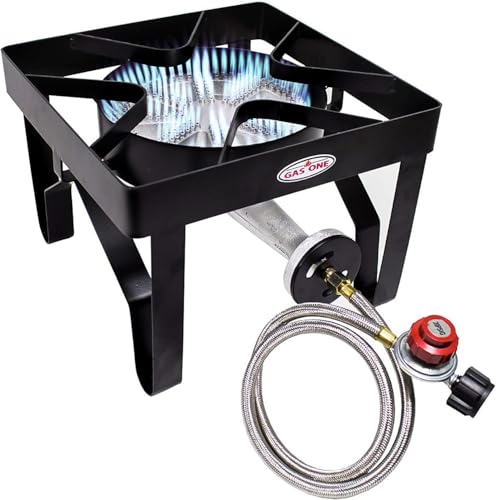
A Professional Choice: If you love outdoor cooking, it’s time to make it even more enjoyable and fun with Gas One! Our single grilling side burner outdoor stove is designed to impress with its high 200,000 BTU heat output, robust construction and reliable construction that elevates any cooking adventure!
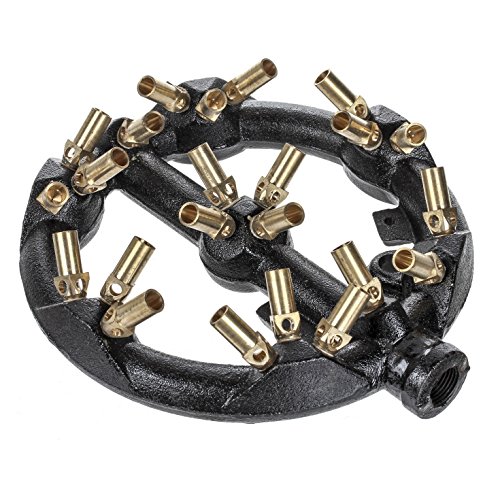
Maximum Heat Output: Experience powerful cooking performance with up to 100,000 BTU from this heavy-duty propane jet burner. Runs well at low pressure. Perfect for Chinese wok cooking, outdoor grilling, and versatile cooking styles
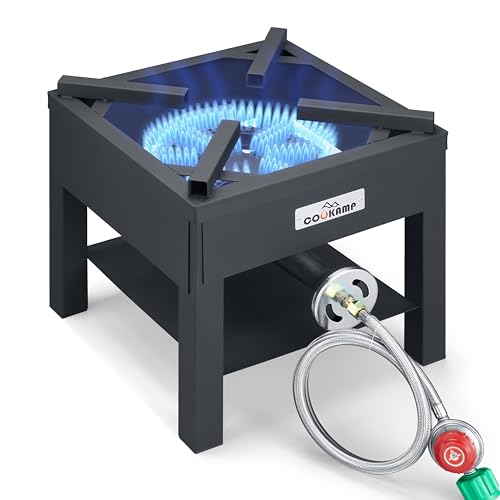
PORTABLE: Easy to set up and transport.They are portable and can be used for camping, RVs, tailgating, and backyard parties.
Finish With Toppings That Keep Crunch Intact
Where do you turn when your vegetables have already nailed the crisp-tender brief, but the dish still needs that final knockout punch? You reach for crunchy toppings. Consider these proven finishers:
When crisp-tender isn’t enough, crunchy toppings deliver the knockout punch your vegetables deserve.
- Water chestnuts, sliced paper-thin, deliver that impossible snap even after contacting hot vegetables
- Toasted nuts, almonds or cashews work equally well, add protein-rich texture you won’t sog with sauce
- Fried shallots or roasted sesame seeds create instant depth without wilting anything green
- Fresh chives or shiso leaves contribute color plus audible crunch, no cooking required
- Aonori and bonito flakes layer umami while keeping the overall mouthfeel crisp
Here’s where technique matters: you’ve got to add your finishing drizzle after the heat’s off. Sesame oil works beautifully here, two teaspoons maximum, drizzled over plated vegetables. Use it as cooking oil and you’ve blown it, softening everything you fought to preserve.
Timing isn’t everything; it’s the only thing.
Recommended Products
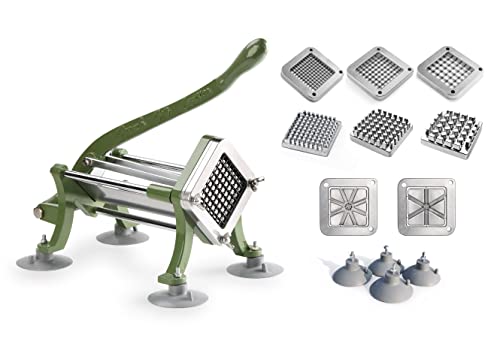
Durable Construction: Made from durable die cast iron and 18/8 stainless steel parts for long-lasting performance

【STURDY AND DURABLE】: Potato cutter is made of stainless steel and ABS. Featuring durable and incisive blades, it will become an indispensable tool for your family.

4 Blades for Distinct Cutting Sizes: The commercial chopper is equipped with four interchangeable blades, sharp and sturdy. 1/2'' / 3/8'' / 1/4'' blades are included for cutting fruits and vegetables into different sizes, and a 6-wedge slicer for coring is also provided. Different cutting sizes satisfy your diverse needs.
Serve Stir-Fry Vegetables Over Perfectly Cooked Rice or Noodles
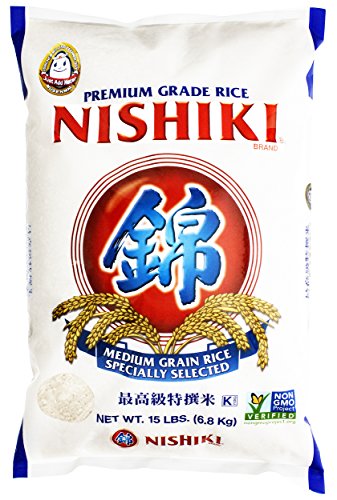
You’ve nailed the crunch in your vegetables, so don’t sabotage it with gummy rice or clumped noodles. Best rice pairings range from fragrant jasmine at $4 per pound to nutty short-grain varieties, while your noodle selection guide should steer clear of overcooked soba that turns cloying and soft.
Timing your assembly matters more than you’d think: toss your starch with exactly one teaspoon of sesame oil, then coordinate the final combination of pan-hot vegetables and bed-of-starch only when you’re ready to serve, not a moment sooner.
Recommended Products

🔥 READY TO USE, ZERO COATING NON-STICK: Skip the complicated seasoning process! Our Sanho wok is pre-seasoned using advanced micro-nano technology, creating a durable, 0-coating physical non-stick surface right out of the box. Unlike traditional woks that rely on PTFE or PFOA-based chemicals, our wok is 100% non-toxic. Just rinse, heat, and cook – it’s that simple. The non-stick performance will only improve with proper care, becoming your most reliable kitchen companion

PRODUCT BASICS: Round Bottom Heavy 14-Inch, 15-gauge (1.8mm) carbon steel wok, commercial grade. Original design by Craft Wok since 2014, with proven quality over the years. Chinese iron wok pan featuring a round bottom for home gas stovetops, professional wok jet turbo fast burners, open fire, BBQ, grills.

GENUINE TASTE: Bring rich, traditional Asian flavors to your kitchen or campsite. The YOSUKATA 14-inch carbon steel authentic wok with round bottom is specially crafted to lock in moisture and flavor. Ideal for Chinese and Japanese cuisine, this xl wok is designed for use as a camping wok, open fire cookware and BBQ wok
Best Rice Pairings
How do you turn a pile of stir-fried vegetables into a meal that actually satisfies? You nail your rice pairings, that’s how. Your high-heat technique deserves a foundation that won’t collapse into cloying mush.
Steam jasmine rice, the floral aroma cuts through soy-based stir-fry sauce without competing. Brown rice adds nutty chew that complements crisp-tender vegetables, not 50 cents more per pound. Cauliflower rice keeps things light, absorbs savory drippings without surrendering its structure.
Day-old cold white rice, reheated, delivers that restaurant-grade separation, never gummy. Black forbidden rice brings dramatic color and earthy umami depth, worth the $4 bag.
You’ll cook your starch separately, no exceptions, keeping grains fluffy rather than sauce-soaked. Layer your vegetables hot over fresh rice, and you’ve got a complete plate that actually fills you up, not just a side dish pretending to be dinner.
Noodle Selection Guide
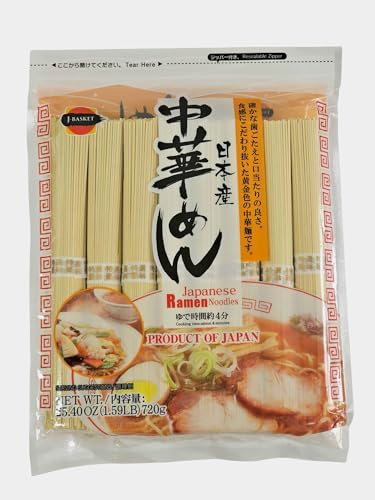
Rice isn’t your only option, and honestly, sometimes you want something with more slither and grab. You should blanch your stir-fry noodles until they surrender to your bite, then shock them cold to stop the cooking. Drain them thoroughly, almost aggressively, because waterlogged noodles turn cloying and sad under crisp vegetables.
Toss your well-drained noodles with a teaspoon of sesame oil, not two. This prevents sticking without creating an oily slick that fights your sauce’s depth.
When you pile vegetables atop these noodles, texture preservation matters. Your noodles provide the yielding base; your vegetables deliver the crunch. Neither should compete, neither should concede.
Skip heavy udon here. Choose soba, rice noodles, or thin wheat strands that won’t overwhelm your careful vegetable work.
Timing Your Assembly
Why does your stir-fry turn limp and mournful five minutes after leaving the wok? Your timing is broken.
You nail high-heat cooking, then derail everything at the finish line. Here’s how you fix it:
Cook in batches to prevent crowding. You’ll maintain that fierce wok hei instead of boiling vegetables in their own steam.
Keep rice or noodles hot and waiting. Cold starch kills your crisp texture instantly.
Add dense vegetables first. Carrots take longer than bok choy, obviously.
Have sauce ready to pour. Two minutes of glazing adds umami without cloying sogginess.
Toss rapidly, serve immediately. Every second of delay is a betrayal.
Stop letting perfect vegetables die on the plate. Your batching discipline and precise timing deserve better than lukewarm mediocrity.


Mix-and-Match Vegetable Guide: From Bok Choy to Zucchini
What separates a forgettable stir-fry from one you’ll actually crave on a Tuesday night? You’ll learn to build your vegetables by density, and that’s where the magic lives.
Start with carrots, broccoli, or bok choy stems. They hit the hot wok first, searing while you sip your wine. Flip them often, then push aside. Now add quicker-cooking players: peppers, zucchini, snap peas. You’ll keep everything crisp-tender through strategic, not chaotic, layering.
Batch cooking isn’t fussy chef behavior; it’s your insurance against cloying, steam-sogged tragedy.
Cut uniformly, about ¼-inch thick, so nothing lags behind. Pair water chestnuts or sugar snaps with moisture-heavy mushrooms to reinforce bite. Optional blanching of dense veggies, iced hard, speeds the process without sacrificing that snap you actually want.