



Easy Breakfast Pizza Recipe Ready in 25 Minutes
1 pound pizza dough
1/2 cup tomato sauce
4 large eggs
1 cup shredded mozzarella
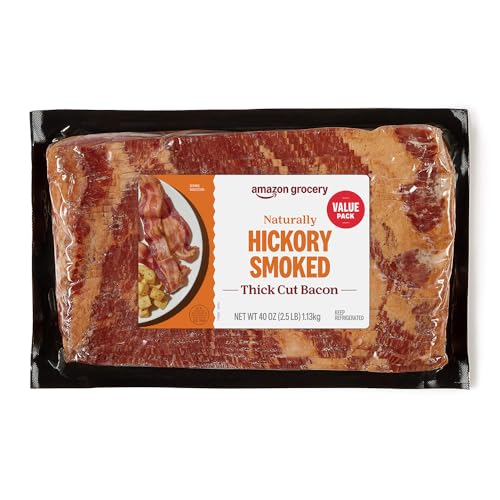
1/2 cup cooked bacon
1 small red onion
1 teaspoon dried oregano
1 teaspoon salt
1/2 teaspoon black pepper
PT25M
4 servings
There’s something incredibly comforting about starting your day with a slice of breakfast pizza.
The combination of crispy crust, savory toppings, and gooey cheese makes it irresistible.
I first discovered breakfast pizza when I was looking for a quick yet hearty breakfast option for my family.
With just a few simple ingredients and a dash of creativity, you can whip up this delicious dish in no time.
Perfect for busy mornings or a lazy weekend brunch, this breakfast pizza is sure to become a family favorite.
The History and Cultural Significance
• Breakfast Pizza Recipe traces its origins to Italy in the mid-20th century, where it was originally created by innovative chefs looking to repurpose leftover pizza dough.
• The dish evolved over decades as breakfast ingredients like eggs and bacon were incorporated, eventually becoming the beloved version we know today.
• In American culture, this dish traditionally appears at casual brunch gatherings, symbolizing a fusion of convenience and indulgence.
• While many variations exist across different regions, the authentic version maintains a thin, crispy crust that sets it apart from imitations.


Recipe Overview
Nutritional Information (per serving)
Essential Equipment Guide
Pizza Stone: A pizza stone is crucial for achieving that perfect crispy crust. Alternatives like a baking sheet can work, but look for a stone that can withstand high temperatures.
Rolling Pin: This tool is essential for spreading the dough evenly. If you don’t have one, a clean glass bottle can serve as a substitute.
Oven Thermometer: Ensures your oven is at the right temperature for even cooking. Look for one that is easy to read and accurate.


Ingredients
For the Base
| Amount | Ingredient | Notes |
|---|---|---|
| 1 pound | pizza dough | pre-made or homemade for ease |
For the Sauce
| Amount | Ingredient | Notes |
|---|---|---|
| 1/2 cup | tomato sauce | rich and flavorful |
For the Toppings
| Amount | Ingredient | Notes |
|---|---|---|
| 4 large | eggs | adds protein and creaminess |
| 1 cup | shredded mozzarella | melts beautifully |
| 1/2 cup | cooked bacon | crispy and savory |
| 1 small | red onion | thinly sliced for sharpness |
Seasonings
| Amount | Ingredient | Notes |
|---|---|---|
| 1 teaspoon | dried oregano | adds earthy flavor |
| 1 teaspoon | salt | enhances all flavors |
| 1/2 teaspoon | black pepper | adds a touch of heat |


Preparation Methods
Rolling the Dough: Rolling dough evenly is crucial for a consistent crust. This technique ensures the dough cooks uniformly and achieves the desired texture.
Precooking Bacon: Cooking bacon before adding it to the pizza prevents it from becoming soggy and enhances its flavor.
Cracking Eggs on Pizza: Cracking eggs directly onto the pizza allows them to cook perfectly in the oven, creating a creamy layer that complements the other toppings.
Step 1: Preheat the Oven
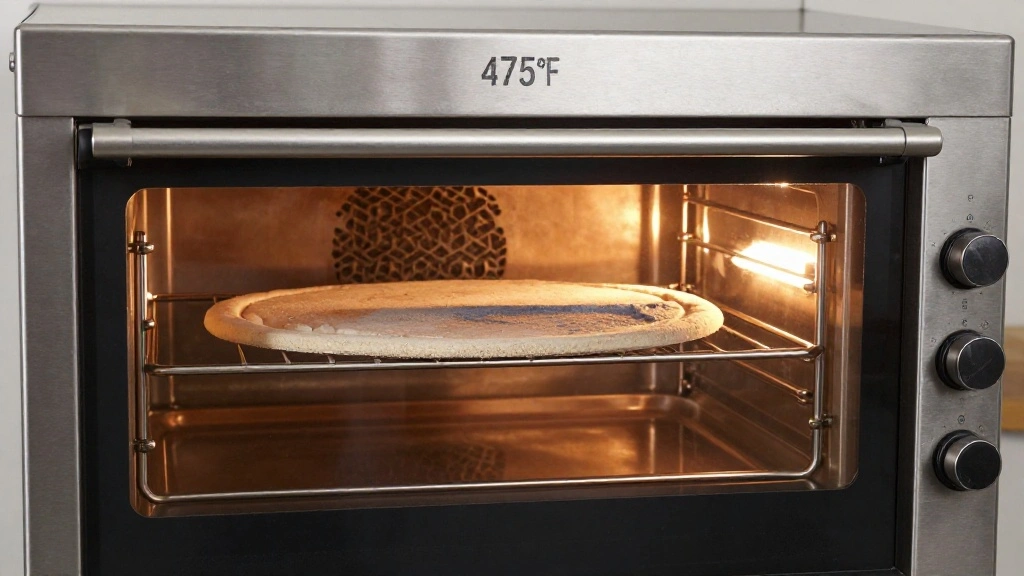
Set your oven to 475°F (245°C) to ensure it reaches the right temperature for baking.
Place the pizza stone in the oven during preheating.
This step allows the stone to heat evenly and ensures a crispy crust.
Proper preheating is key to achieving the perfect bake.
Step 2: Prepare the Dough
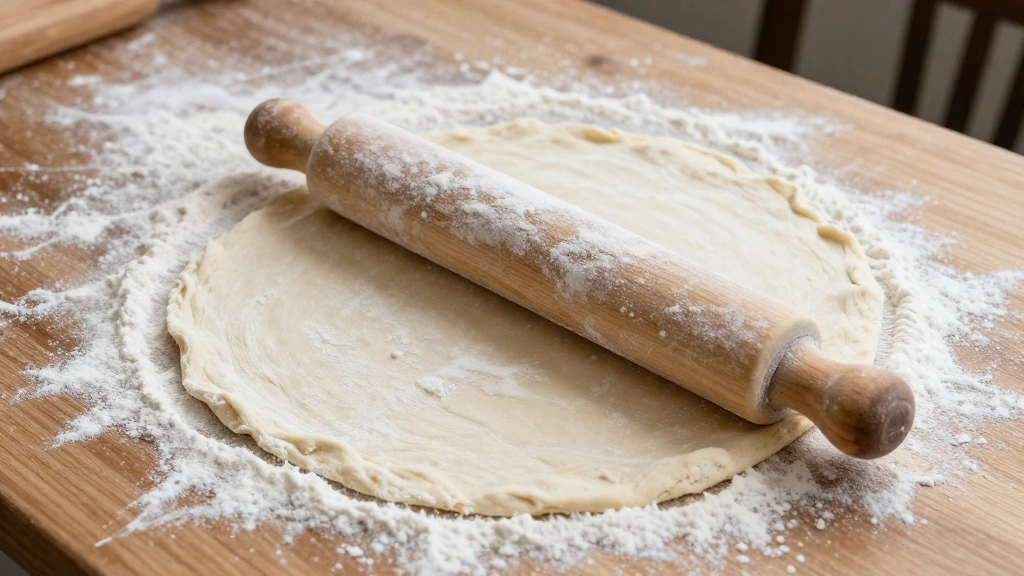
Roll out the pizza dough on a floured surface to your desired thickness.
Aim for an even thickness across the dough for uniform cooking.
Use a rolling pin to achieve this, applying even pressure as you roll.
Check for any tears and patch them with extra dough if necessary.
Step 3: Spread Tomato Sauce
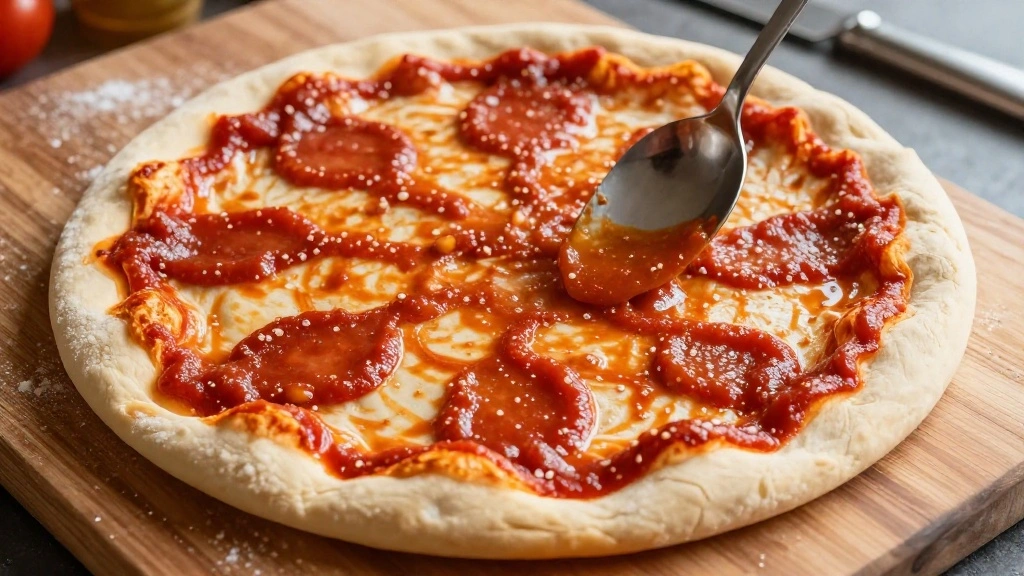
Spoon the tomato sauce onto the rolled-out dough, leaving a small border for the crust.
Use the back of the spoon to spread the sauce evenly.
Ensure the sauce is distributed thinly to avoid a soggy crust.
Check for an even layer without thick spots.


Step 4: Add Cheese and Toppings
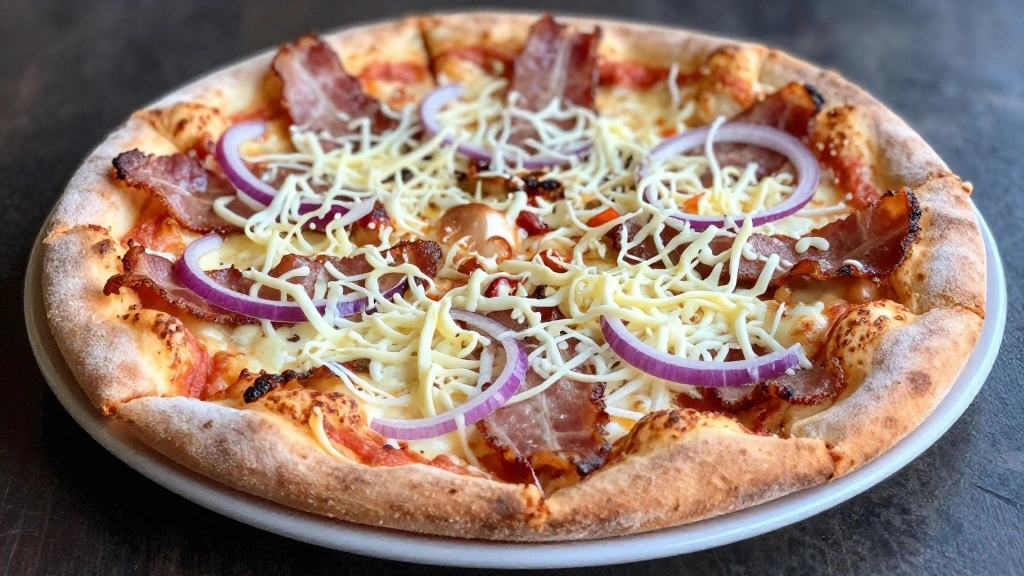
Sprinkle shredded mozzarella evenly over the tomato sauce.
Distribute the cooked bacon and sliced red onion across the pizza.
Keep toppings evenly spaced to ensure even cooking.
Avoid overloading the pizza with toppings for optimal results.
Step 5: Crack Eggs Over Pizza

Carefully crack the eggs over the pizza, spacing them evenly.
Ensure each egg stays intact without the yolk breaking.
Position the eggs so they cook evenly in the oven.
Take care to avoid getting shells on the pizza.


Step 6: Season the Pizza
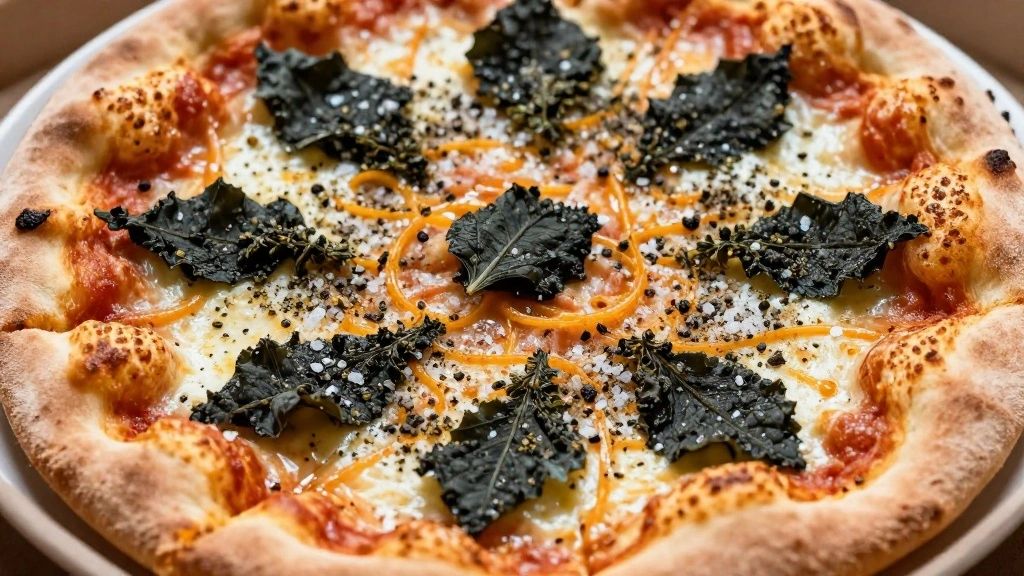
Sprinkle salt, black pepper, and dried oregano over the pizza.
Ensure an even distribution of the seasonings for balanced flavor.
The seasonings enhance the dish’s overall taste profile.
Use a light hand to avoid overpowering the natural flavors.

Step 7: Transfer to Pizza Stone
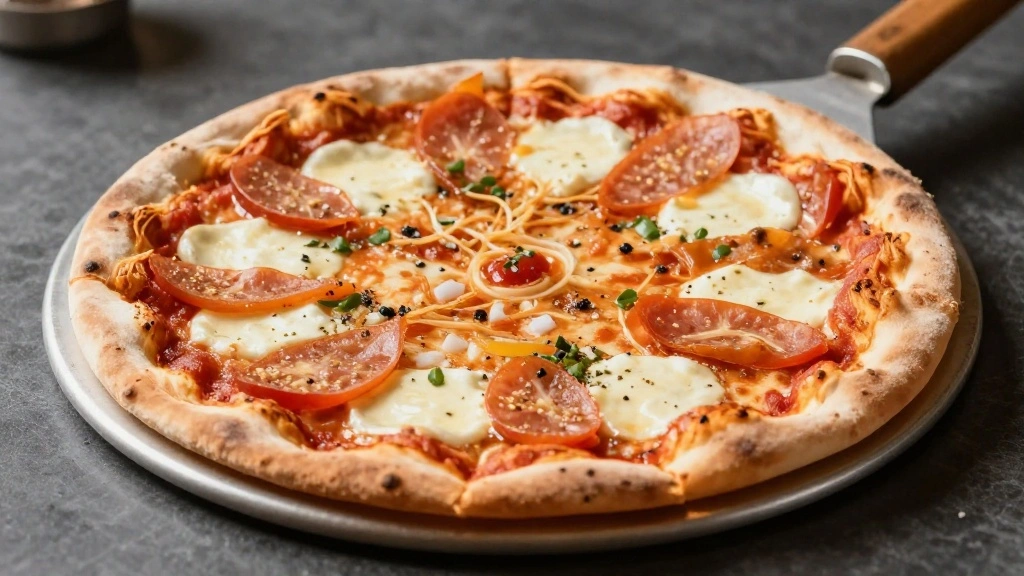
Using a pizza peel, transfer the prepared pizza onto the hot pizza stone.
Quick, smooth motions help prevent the toppings from shifting.
Ensure the pizza is placed flat on the stone for even cooking.
Correct placement is crucial for a perfect bake.
Step 8: Bake the Pizza
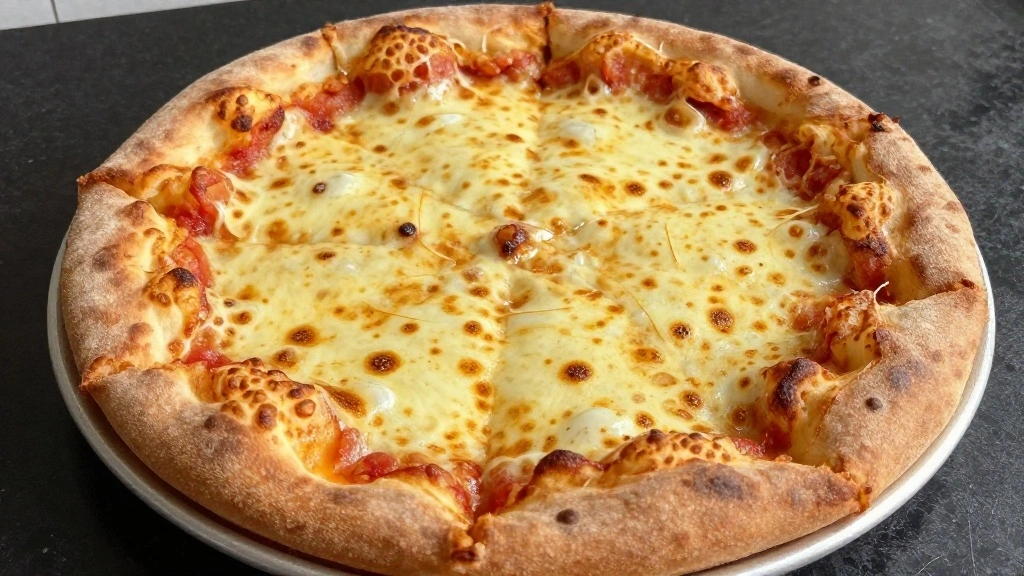
Bake the pizza in the preheated oven for 12-15 minutes.
Look for a bubbly cheese and golden-brown crust.
Check the eggs to ensure they are cooked to preference.
Avoid overbaking to maintain a soft, chewy texture.
Step 9: Slice and Serve
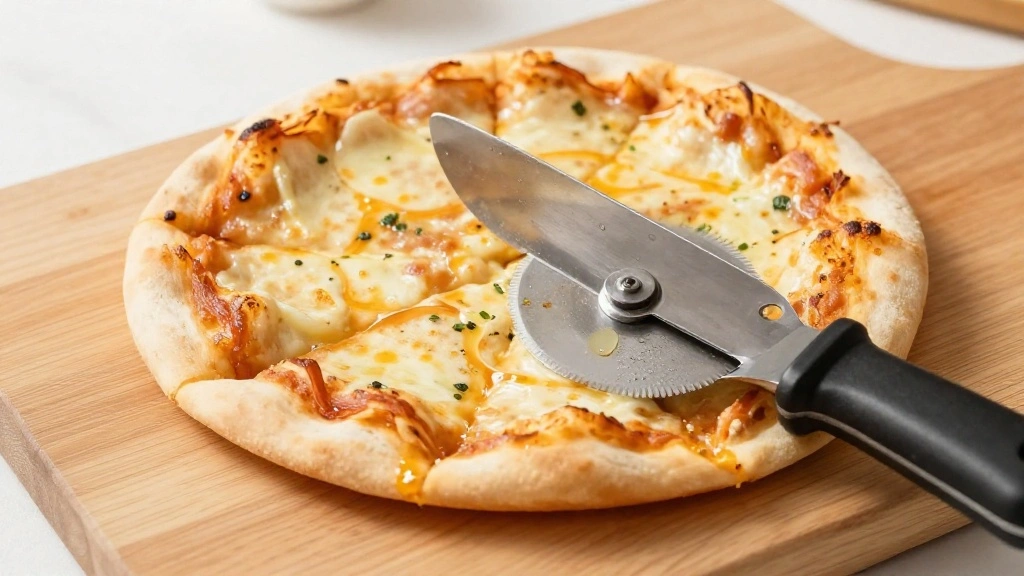
Remove the pizza from the oven using the pizza peel.
Let it cool for a few minutes before slicing.
Use a sharp pizza cutter for clean slices.
Serve hot and enjoy your homemade breakfast pizza.
Critical Timing and Temperature Guide
Preheating: Preheat the oven to 475°F for at least 30 minutes. Ensure the pizza stone is hot for a crispy crust. Avoid under-preheating, which leads to a soggy base.
Baking: Bake for 12-15 minutes at 475°F. Look for bubbling cheese and golden crust. Avoid overbaking to prevent dryness.
Egg Cooking: Ensure eggs are cooked to preference, either runny or firm yolks. Check visually and adjust timing accordingly.
Pro Tips for Breakfast Pizza Recipe
• Ingredient Selection: Choose high-quality mozzarella and fresh eggs for the best flavor and texture.
• Preparation Secret: Precook toppings like bacon to prevent excess moisture on the pizza.
• Temperature Management: Ensure the dough is at room temperature before rolling for easier handling.
• Texture Enhancement: Roll the dough thinly for a crispy base that contrasts with the gooey toppings.
• Flavor Layering: Use a combination of herbs like oregano and basil to add depth to the sauce.
• Make-Ahead Strategies: Prepare dough a day in advance and store in the refrigerator for convenience.
• Restaurant-Quality Finishing Touches: Drizzle with olive oil and sprinkle fresh basil leaves before serving.
• Equipment Optimization: Use a pizza stone for even heat distribution and a perfect crust.


Troubleshooting Common Issues
• Soggy Crust: Caused by under-preheating the oven or excess sauce. Ensure the oven is hot enough and spread a thin layer of sauce.
• Eggs Overcooked: Result from baking too long at high temperatures. Monitor and remove the pizza when eggs are cooked to preference.
• Cheese Not Melting: Can occur if cheese is too cold. Allow cheese to reach room temperature before using.
• Uneven Dough: Often due to uneven rolling. Use a rolling pin and even pressure to achieve a consistent thickness.
• Toppings Sliding Off: Happens if the pizza is transferred too slowly. Use quick, smooth motions with the pizza peel.
Variations and Regional Differences
• Italian Variation: Features a thinner crust and uses prosciutto instead of bacon, with a focus on fresh ingredients like arugula.
• American Style: Thicker crust and incorporates cheddar cheese for added flavor, often includes sausage as a topping.
• Vegetarian Option: Omits meat and includes vegetables like spinach, bell peppers, and mushrooms, with feta cheese for a tangy twist.
• Mexican Influence: Includes toppings like chorizo, jalapeños, and a sprinkle of cilantro, with a spicy tomato sauce base.


Food Science Behind the Recipe
• Maillard Reaction: This chemical reaction between amino acids and reducing sugars gives the crust its golden-brown color and complex flavor.
• Protein Coagulation: Understanding how heat affects egg proteins helps achieve the desired texture, whether runny or firm.
• Gluten Development: Kneading the dough develops gluten, which provides structure and elasticity, crucial for a good crust.
Frequently Asked Questions
What’s the most common mistake people make when preparing breakfast pizza? One common mistake is not preheating the oven and pizza stone long enough, resulting in a soggy crust.
Can I use store-bought dough? Yes, store-bought dough is a convenient option and works well for this recipe.
How can I make the crust crispier? Using a pizza stone and ensuring the oven is properly preheated will crisp up the crust.
What can I substitute for bacon? Consider using turkey bacon or vegetarian bacon for a different flavor profile.
Can this recipe be made gluten-free? Yes, by using gluten-free pizza dough and ensuring all other ingredients are gluten-free.
How do I store leftovers? Store in an airtight container in the refrigerator for up to 3 days. Reheat in the oven for best results.
Can I add more toppings? Yes, but be mindful of not overloading the pizza to avoid uneven cooking.
Serving and Presentation Guide
• Traditional Presentation: Serve on a wooden pizza board with a side of mixed greens for a classic brunch look.
• Casual Gathering: Slice into squares and serve on a platter with small bowls of dipping sauces.
• Elegant Brunch: Garnish with fresh basil leaves and drizzle with olive oil before serving on elegant dinnerware.
• Family Style: Cut into wedges and serve directly from the oven on a large cutting board for a relaxed, communal feel.
Conclusion
Now that you’ve explored this easy breakfast pizza recipe, it’s time to bring it to life in your kitchen.
With its quick preparation and satisfying flavors, this dish is perfect for any morning.
Gather your ingredients, preheat your oven, and enjoy a slice of homemade breakfast delight.