
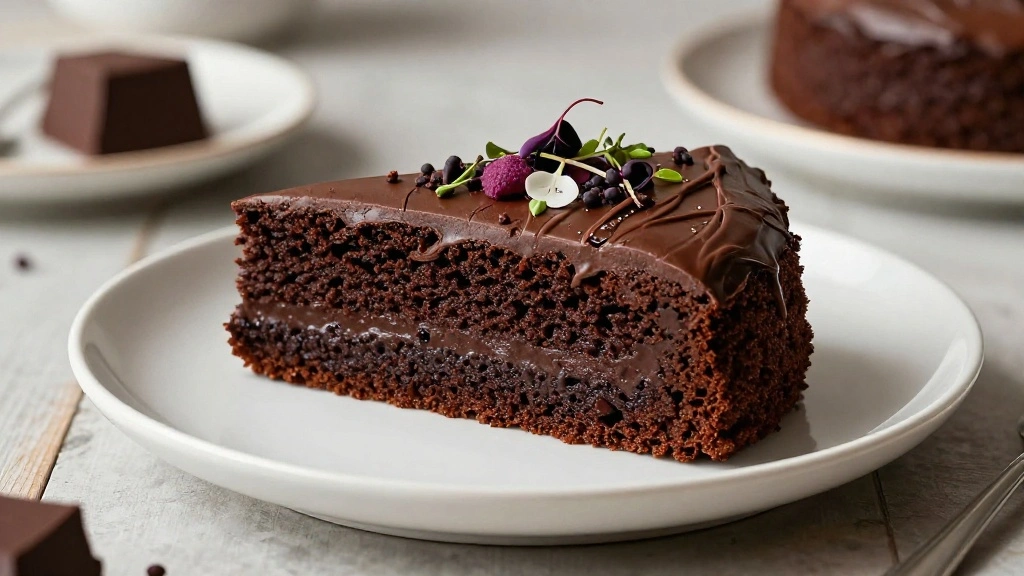


Homemade Chocolate Cake Recipe Moist and Rich
2 cups all-purpose flour
1 cup unsweetened cocoa powder
1 teaspoon baking soda
1 teaspoon baking powder
1/2 teaspoon salt
1 cup butter
2 cups granulated sugar
4 large eggs
1 cup buttermilk
2 teaspoons vanilla extract
1/2 cup butter
2/3 cup unsweetened cocoa powder
3 cups powdered sugar
1/3 cup milk
1 teaspoon vanilla extract
PT55M
12 servings
There’s nothing quite like a homemade chocolate cake to evoke childhood memories of warm kitchens and the irresistible aroma of cocoa.
Rich, moist, and deeply flavorful, this chocolate cake recipe is a testament to the magic of simple ingredients combined with care.
The velvety texture and intense chocolate flavor make it a perfect treat for any occasion, from birthdays to casual family dinners.
Every bite promises a harmonious blend of sweetness and indulgence that will satisfy even the most discerning chocoholics.
Join me on this culinary journey as we explore the steps to create a cake that is both a comfort food classic and a show-stopping dessert.
Whether you are an experienced baker or a novice, this recipe is straightforward and rewarding.
The History and Cultural Significance
• Chocolate Cake Recipe traces its origins to the late 19th century, where it was originally created by American bakers seeking to incorporate chocolate into more desserts.
• The dish evolved over decades as cocoa became more widely available and baking techniques advanced, eventually becoming the beloved version we know today.
• In American culture, this dish traditionally appears at birthday celebrations, symbolizing joy and indulgence.
• While many variations exist across different regions, the authentic version maintains a rich, moist texture that sets it apart from imitations.


Recipe Overview
Nutritional Information (per serving)
Essential Equipment Guide
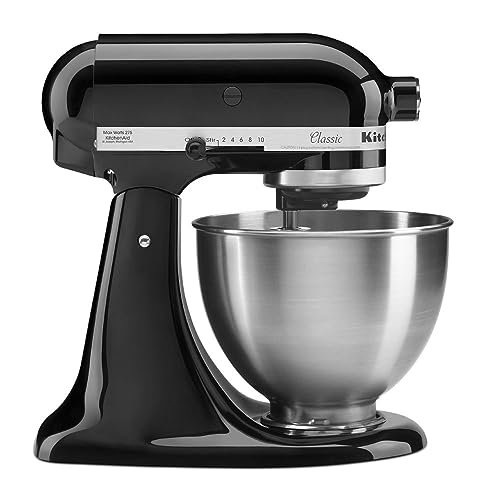
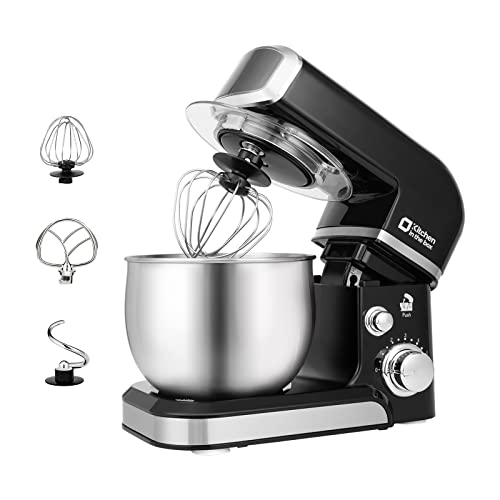
Stand Mixer: A stand mixer is essential for achieving the perfect batter consistency, allowing for even mixing and aeration. Hand mixers can work as an alternative, but may require more effort and time.
Springform Pan: This pan is crucial for easy removal of the cake without damaging its sides. Alternatives include regular cake pans, but ensure they are well-greased and lined with parchment.
Offset Spatula: Important for evenly spreading the frosting, an offset spatula provides precision. A regular spatula can also be used but may not offer the same level of control.


Ingredients
For the Cake
| Amount | Ingredient | Notes |
|---|---|---|
| 2 cups | all-purpose flour | sifted for light texture |
| 1 cup | unsweetened cocoa powder | provides rich chocolate flavor |
| 1 teaspoon | baking soda | helps cake rise |
| 1 teaspoon | baking powder | adds to the fluffiness |
| 1/2 teaspoon | salt | enhances flavor |
| 1 cup | butter | softened, adds richness |
| 2 cups | granulated sugar | sweetens the cake |
| 4 large | eggs | room temperature, binds ingredients |
| 1 cup | buttermilk | adds moisture and tenderness |
| 2 teaspoons | vanilla extract | adds depth of flavor |
For the Frosting
| Amount | Ingredient | Notes |
|---|---|---|
| 1/2 cup | butter | softened, base for the frosting |
| 2/3 cup | unsweetened cocoa powder | intensifies chocolate flavor |
| 3 cups | powdered sugar | provides sweetness and structure |
| 1/3 cup | milk | adjusts consistency |
| 1 teaspoon | vanilla extract | enhances overall flavor |


Preparation Methods
Creaming Method: This technique involves beating butter and sugar together until light and fluffy. It incorporates air into the batter, leading to a light and tender cake texture. Ensure the butter is at room temperature for optimal results.
Sifting Dry Ingredients: Sifting ensures that dry ingredients like flour and cocoa powder are aerated and clump-free, which contributes to a uniformly textured cake. Use a fine-mesh sieve for best results.
Folding: Gently folding in the dry ingredients into the wet mixture prevents overworking the batter, which can lead to a dense cake. Use a spatula to fold, turning the bowl as you go for even mixing.


Step 1: Prepare Ingredients
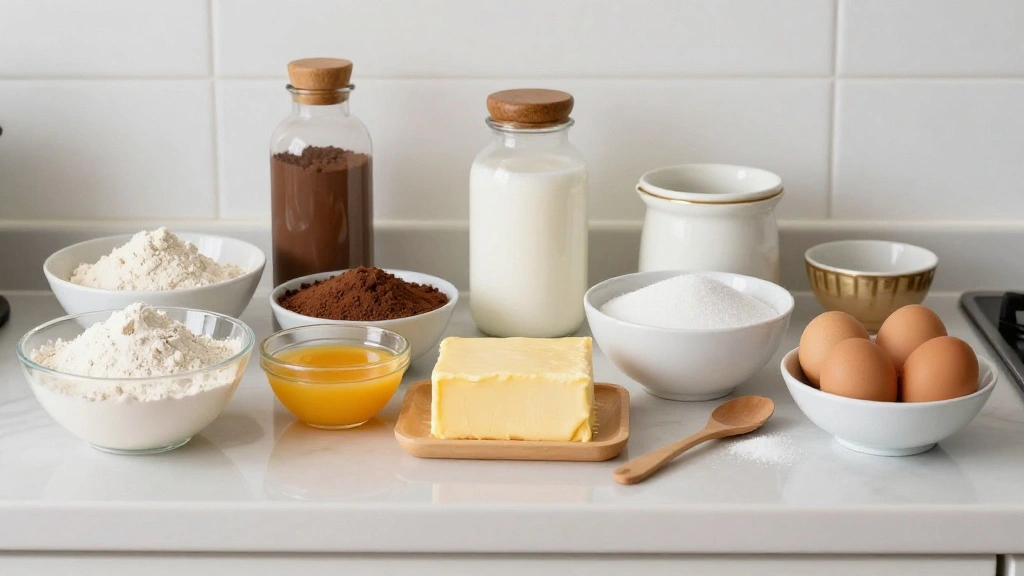
Gather all ingredients.
Ensure butter and eggs are at room temperature.
Pre-measure dry and wet ingredients separately.
This organization helps streamline the baking process.
Step 2: Preheat Oven
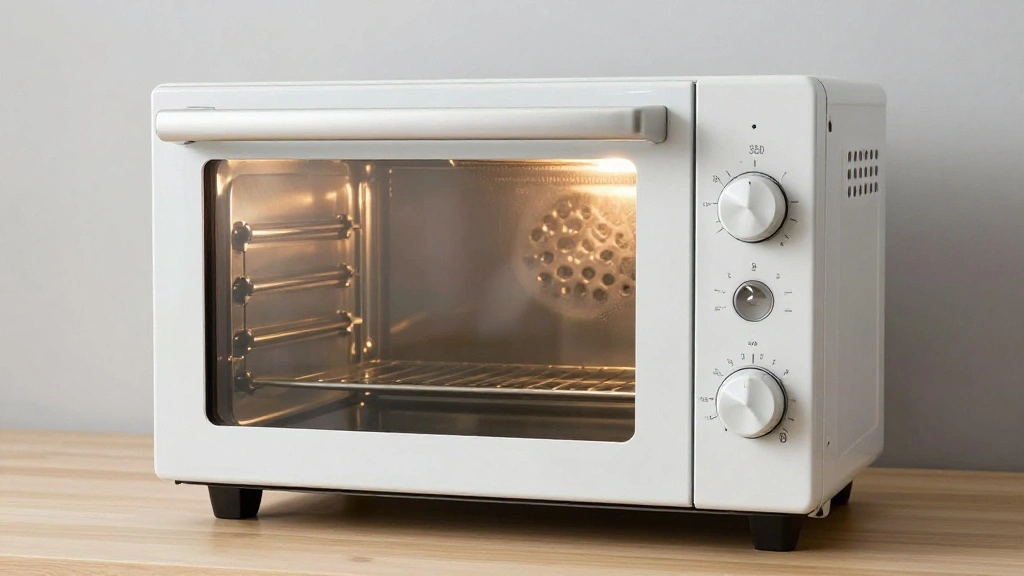
Preheat the oven to 350°F (175°C).
This step ensures the oven is at the right temperature when the cake is ready to bake.
Place the oven rack in the center position for even baking.
Avoid opening the oven door frequently to maintain temperature.


Step 3: Cream Butter and Sugar
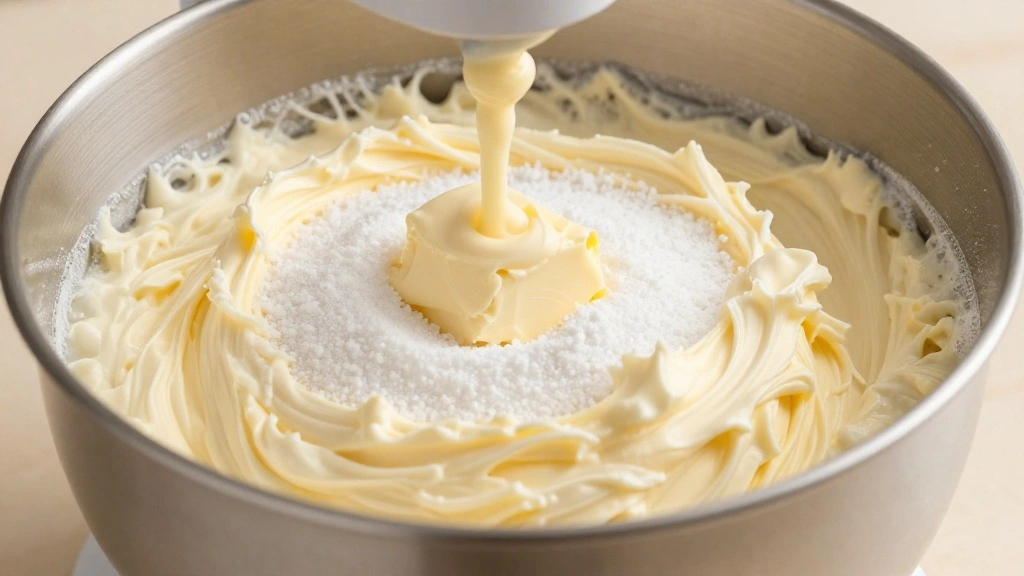
In a large bowl, cream the butter and sugar together using a stand mixer.
Beat on medium speed until the mixture is light and fluffy, about 2-3 minutes.
Look for a pale color and fluffy texture.
Scrape down the sides of the bowl to ensure even mixing.

Step 4: Add Eggs and Vanilla
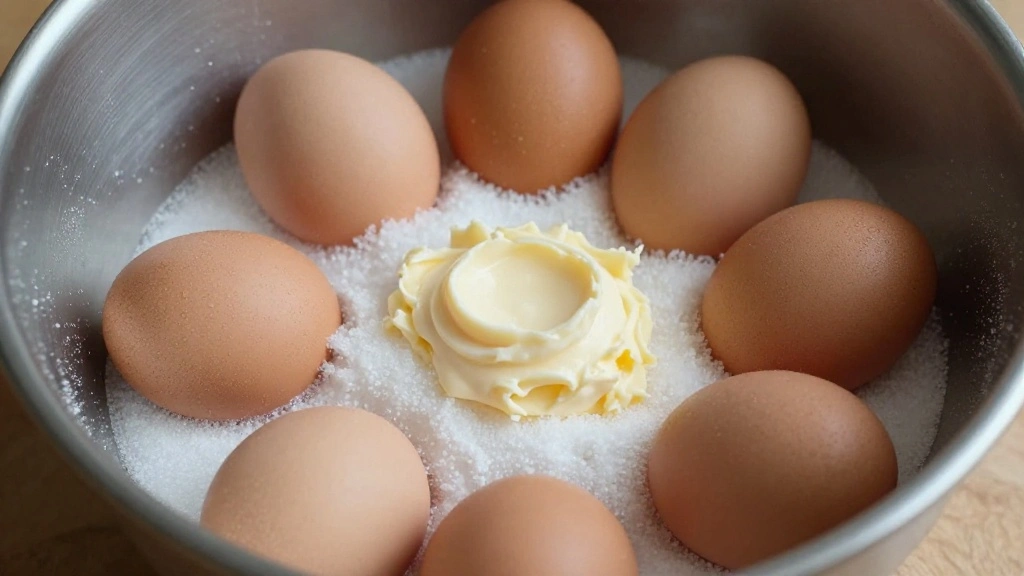
Add the eggs one at a time to the creamed mixture.
Beat well after each addition to fully incorporate.
Add vanilla extract and mix until just combined.
Ensure the mixture is smooth and well-blended.
Step 5: Sift Dry Ingredients
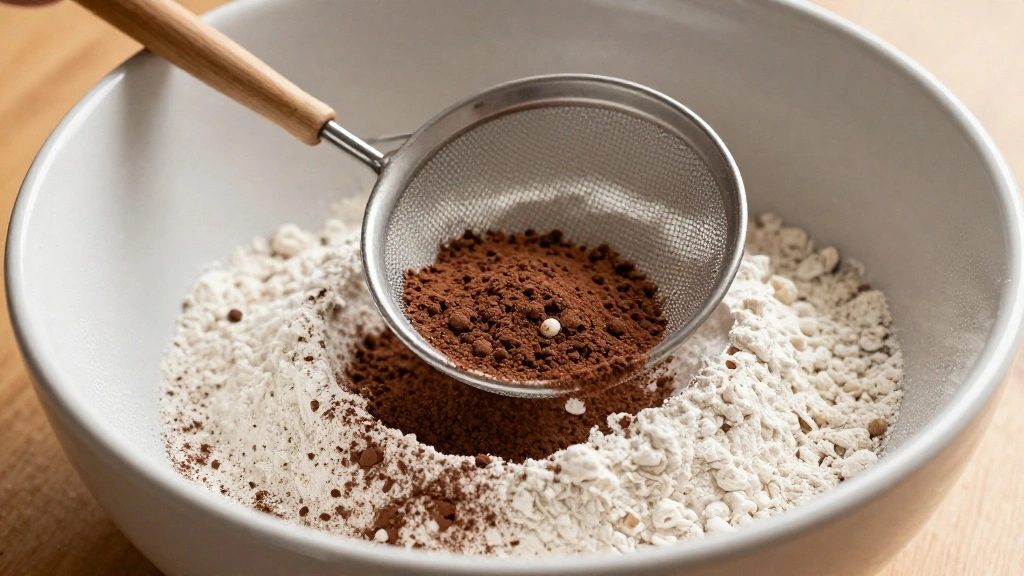
In a separate bowl, sift together flour, cocoa powder, baking soda, baking powder, and salt.
Ensure there are no lumps in the mixture.
This aerates the dry ingredients for a light cake texture.
Set aside for later use.


Step 6: Combine Dry and Wet Ingredients
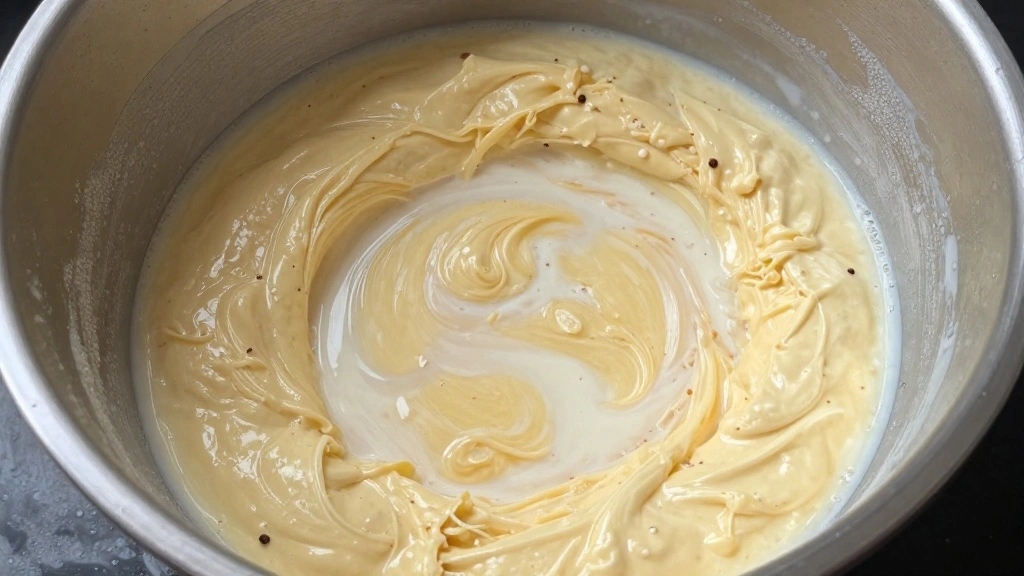
Alternately add the sifted dry ingredients and buttermilk to the wet mixture.
Start and end with the dry ingredients, mixing on low speed after each addition.
Fold gently to maintain batter’s lightness and avoid overmixing.
Scrape down the sides of the bowl to ensure full incorporation.
Step 7: Prepare the Baking Pan
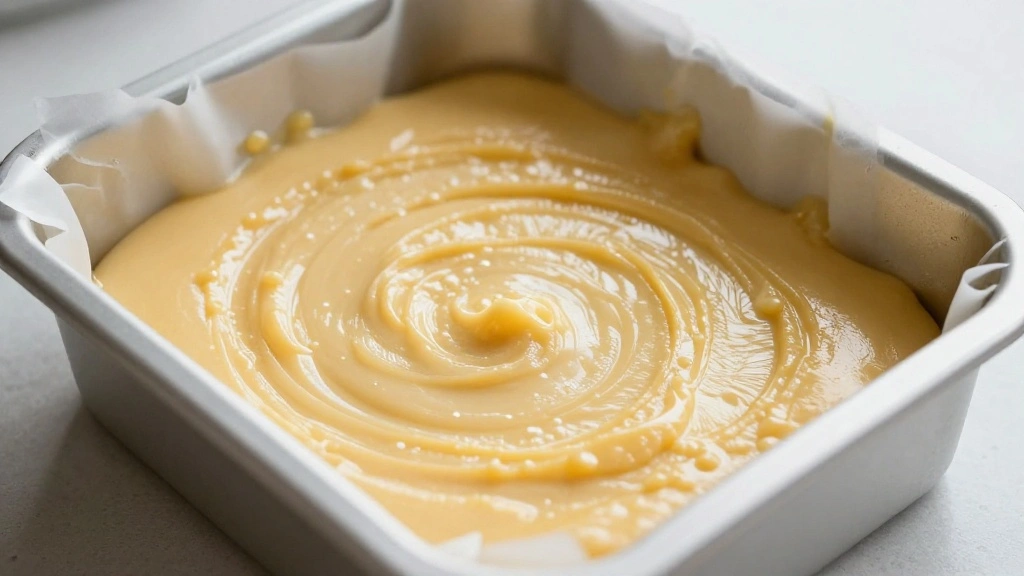
Lightly grease a springform pan with butter or non-stick spray.
Line the bottom with parchment paper for easy removal.
Pour the prepared batter into the pan, smoothing the top with a spatula.
Tap the pan gently to remove air bubbles.


Step 8: Bake the Cake
Place the pan in the preheated oven.
Bake for 30-35 minutes, or until a toothpick inserted in the center comes out clean.
Look for a cake that is firm to the touch and has pulled slightly away from the sides of the pan.
Avoid opening the oven door during baking to prevent temperature fluctuation.
Step 9: Cool and Frost the Cake
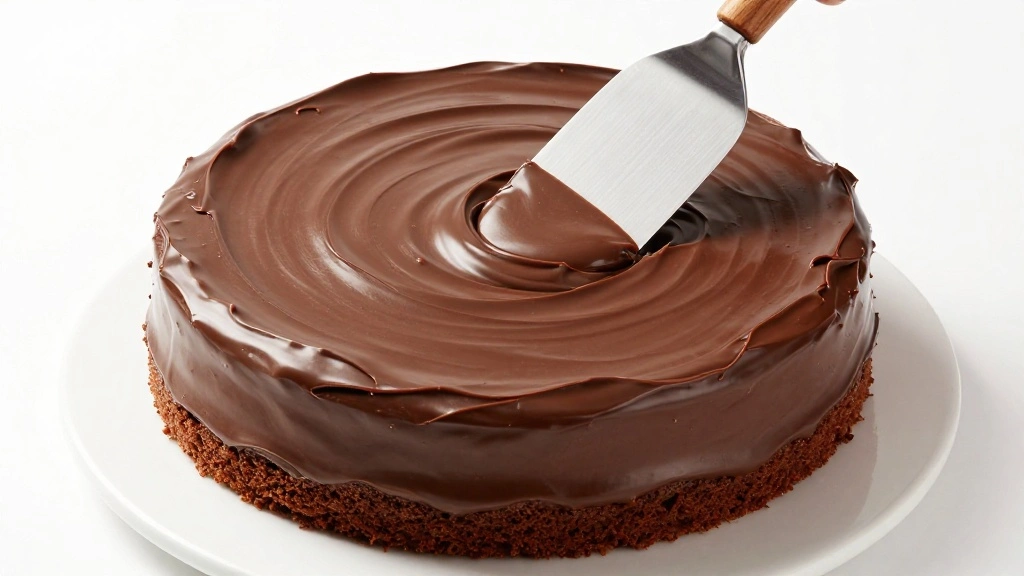
Remove the cake from the oven and allow it to cool in the pan for 10 minutes.
Run a knife around the edges to loosen before releasing the springform.
Transfer the cake to a wire rack to cool completely before frosting.
Use an offset spatula to spread frosting evenly over the top and sides.

Critical Timing and Temperature Guide
Baking: Bake at 350°F for 30-35 minutes. The cake is done when a toothpick inserted comes out clean and the cake has a slight spring back to touch.
Cooling: Allow the cake to cool in the pan for 10 minutes before transferring to a wire rack. This prevents the cake from sticking and maintains its structure.
Frosting: Apply frosting once the cake has completely cooled to prevent melting and sliding. If the frosting is too stiff, adjust with a small amount of milk.
Pro Tips for Chocolate Cake Recipe
• Ingredient Selection: Choose high-quality cocoa powder for a rich chocolate flavor, and ensure your butter is fresh for the best texture.
• Preparation Secret: Use room temperature ingredients to ensure even mixing and a smooth batter.
• Temperature Management: Preheat your oven to stabilize the temperature before baking.
• Texture Enhancement: Sift dry ingredients to prevent lumps and ensure a tender crumb.
• Flavor Layering: Incorporate a pinch of salt to balance the sweetness and enhance the chocolate flavor.
• Make-Ahead Strategies: Prepare the cake a day in advance and store it tightly wrapped at room temperature to enhance flavor development.
• Restaurant-Quality Finishing Touches: Add a sprinkle of sea salt or chocolate shavings as a garnish for a professional look.
• Equipment Optimization: Use a stand mixer for even batter consistency, and avoid overmixing to maintain airiness.
Troubleshooting Common Issues
• Texture Too Dense: This can be caused by overmixing the batter or using cold ingredients. Ensure ingredients are at room temperature and fold carefully.
• Cake Sinking in the Middle: Often a result of underbaking. Check doneness with a toothpick and ensure the oven is fully preheated.
• Crumbly Cake: This might occur if the cake is overbaked or the batter was too dry. Measure ingredients accurately and monitor baking time closely.
• Uneven Baking: This can happen if the oven temperature is uneven. Rotate the pan halfway through baking for even heat distribution.
• Frosting Too Runny: If the frosting is too thin, add more powdered sugar to thicken. Ensure the cake is cooled before applying frosting.
• Dry Cake: Be careful not to overbake, and consider using a simple syrup to add moisture if needed.
Variations and Regional Differences
• German Chocolate Cake: A variation with a distinct coconut-pecan frosting, originally developed in the United States, differing from the traditional mocha frosting.
• Black Forest Cake: Originating from Germany, this version incorporates layers of cherry filling and whipped cream, creating a more complex flavor profile.
• Molten Lava Cake: Known for its gooey center, this French-inspired version is made with a higher butter ratio and less flour for a melting core.
• Mexican Chocolate Cake: Infused with cinnamon and cayenne, this spicy twist adds a unique warmth and depth to the classic chocolate cake.
Food Science Behind the Recipe
• Maillard Reaction: This chemical reaction between amino acids and reducing sugars gives baked goods their complex flavors and browned crust.
• Leavening Agents: Baking soda and baking powder react with acidic ingredients to produce carbon dioxide, causing the cake to rise.
• Emulsification: The process of combining fat and water in the batter to create a smooth and stable mixture, ensuring a tender texture.
Frequently Asked Questions
What’s the most common mistake people make when preparing chocolate cake? Overmixing the batter, which can lead to a dense texture.
Can I use dark chocolate instead of cocoa powder? Yes, but adjust the sugar and fat content accordingly to maintain balance.
How do I store leftover cake? Wrap it tightly in plastic wrap and store at room temperature for up to three days.
Can I freeze the cake? Yes, wrap it in plastic and foil, and freeze for up to three months.
What can I use if I don’t have buttermilk? Substitute with a mixture of milk and vinegar or lemon juice to mimic the acidity.
How do I prevent the cake from sticking to the pan? Grease and line the pan with parchment paper to ensure easy release.
Why did my cake crack on top? This can occur if the oven temperature is too high; ensure proper calibration.
Serving and Presentation Guide
• Traditional Presentation: Serve on a cake stand with a dusting of powdered sugar or a drizzle of chocolate ganache.
• Modern Twist: Pair slices with a dollop of whipped cream or a scoop of vanilla ice cream for a contrast of flavors and textures.
• Casual Serving: Cut into squares and serve on a wooden board for a rustic, family-style dessert.
• Elegant Plating: Garnish with fresh berries or edible flowers for a sophisticated touch.
Conclusion
With its rich flavor and moist texture, this homemade chocolate cake is sure to become a favorite in your baking repertoire.
Whether for a festive occasion or a simple weeknight treat, it offers a perfect balance of indulgence and satisfaction.
I hope you enjoy baking and sharing this delightful cake as much as I do.
Happy baking!