


Easy Homemade Lemonade Recipe Fresh and Refreshing
1 cup fresh lemon juice
1 cup sugar
4 cups cold water
1 cup ice cubes
1 sprig fresh mint
PT15M
8 servings
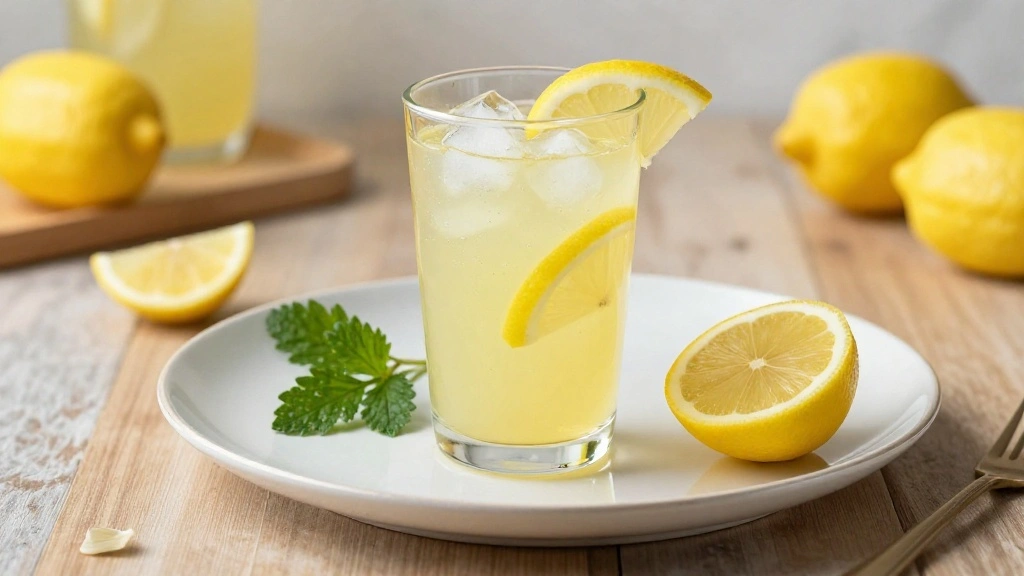
There’s nothing quite as refreshing as a glass of homemade lemonade on a hot summer day.
With its perfect balance of tangy citrus and just the right amount of sweetness, this drink is an all-time favorite.
I remember my first sip of this lemonade at a family picnic, where its fresh taste became an instant hit.
Whether you’re lounging by the pool or hosting a backyard barbecue, this easy homemade lemonade recipe will quench your thirst and impress your guests.
Made with simple ingredients and minimal effort, it’s a go-to beverage for any occasion.
Embrace the classic tastes of summer with this delightful, refreshing drink.
The History and Cultural Significance
• Homemade Lemonade Recipe traces its origins to Egypt, where it was originally created by combining lemon juice, sugar, and water.
• The dish evolved over decades as sweeteners and preparation methods varied, eventually becoming the beloved version we know today.
• In American culture, this dish traditionally appears at summer gatherings and picnics, symbolizing leisure and refreshment.
• While many variations exist across different regions, the authentic version maintains a balance of tartness and sweetness that sets it apart from imitations.
Recipe Overview
Nutritional Information
Essential Equipment Guide
Citrus Juicer: A citrus juicer is essential for extracting the maximum amount of juice from lemons. A manual juicer works well, but an electric one can save time and effort. Look for one with a sturdy build and an easy-to-clean design.
Measuring Cup: Precision is key in achieving the perfect balance of flavors. A clear measuring cup with measurement markings ensures you get the right quantity of each ingredient.
Pitcher: A large pitcher is necessary for mixing and serving the lemonade. Choose one with a lid to keep the drink fresh and prevent spills.
Ingredients
For the Lemonade
| Amount | Ingredient | Notes |
|---|---|---|
| 1 cup | fresh lemon juice | from about 4-6 lemons |
| 1 cup | sugar | dissolved in water for sweetness |
| 4 cups | cold water | to dilute the lemonade |
| 1 cup | ice cubes | for chilling |
| 1 sprig | fresh mint | optional, for garnish |
Preparation Methods
Juicing Lemons: Use a citrus juicer to extract juice from the lemons. Roll lemons on the countertop to soften them, which makes juicing easier. Cut them in half and press each half firmly onto the juicer to maximize juice extraction.
Making Simple Syrup: Combine equal parts sugar and water in a saucepan over medium heat. Stir until the sugar is completely dissolved, then cool completely. This technique ensures the sugar is fully integrated into the lemonade without graininess.
Balancing Flavors: Taste the lemonade after mixing all ingredients. Adjust sweetness by adding more sugar syrup or increase tartness with extra lemon juice. Balancing the flavors is key to achieving the classic lemonade taste.


Step 1: Gather Ingredients
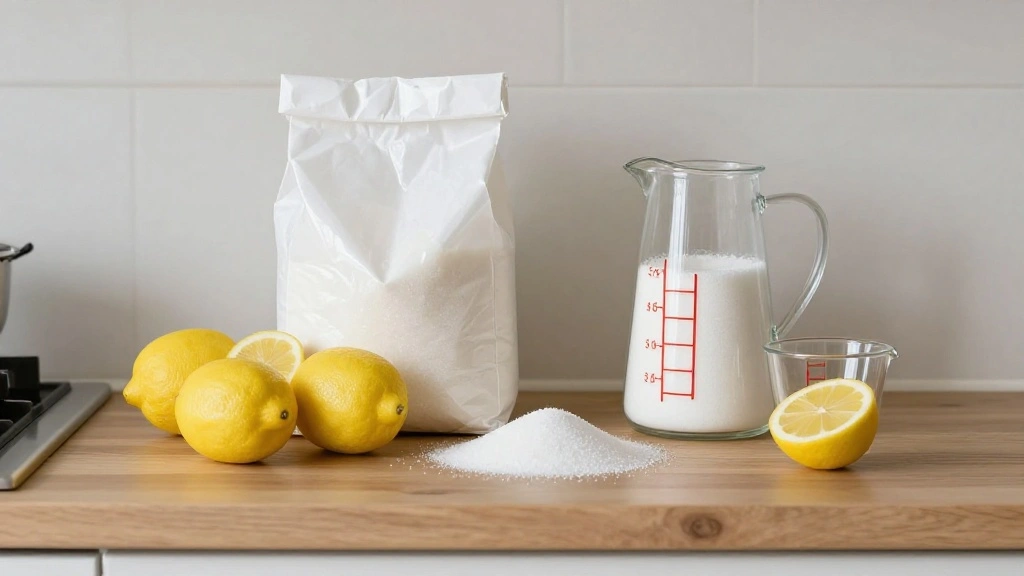
Collect all necessary ingredients: fresh lemons, sugar, cold water, and ice cubes.
Ensure that you have a citrus juicer, measuring cup, and pitcher ready for use.
Check that the lemons are firm and ripe for optimal juicing.
Prepare a clean work area to efficiently organize ingredients and equipment.
Step 2: Juice the Lemons
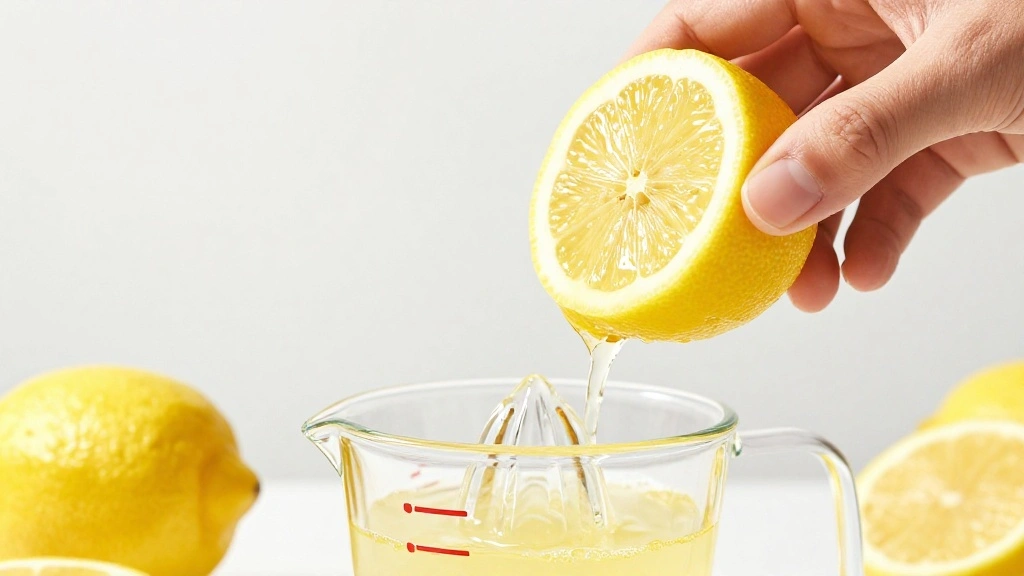
Cut each lemon in half crosswise.
Use a citrus juicer to extract the juice from each lemon half.
Collect 1 cup of fresh lemon juice in a measuring cup.
Strain the juice to remove seeds and pulp for a smoother drink.
Step 3: Prepare Simple Syrup
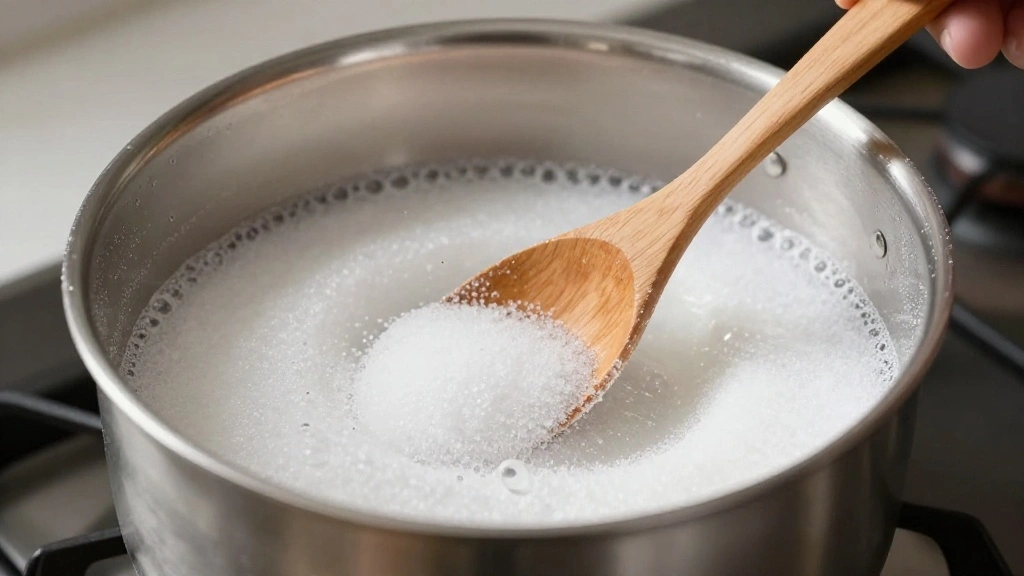
Combine 1 cup of sugar with 1 cup of water in a small saucepan.
Heat the mixture over medium heat, stirring until the sugar fully dissolves.
Allow the simple syrup to cool completely before using.
This step ensures the sugar integrates smoothly into the lemonade.
Step 4: Mix Lemon Juice and Syrup
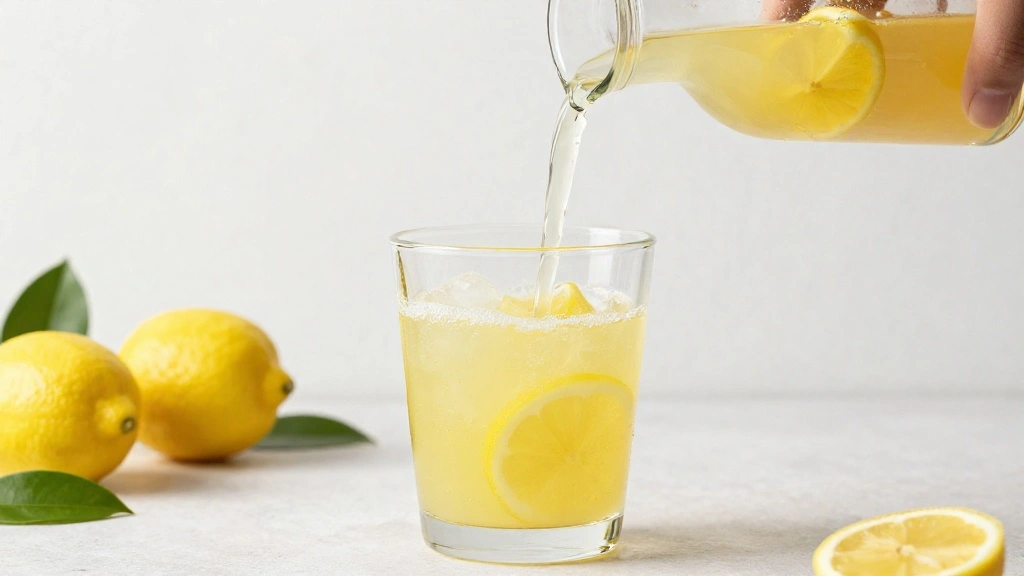
Pour the strained lemon juice into a large pitcher.
Add the cooled simple syrup to the lemon juice.
Stir the mixture thoroughly to combine the flavors evenly.
This forms the concentrated base of the lemonade.
Step 5: Add Cold Water
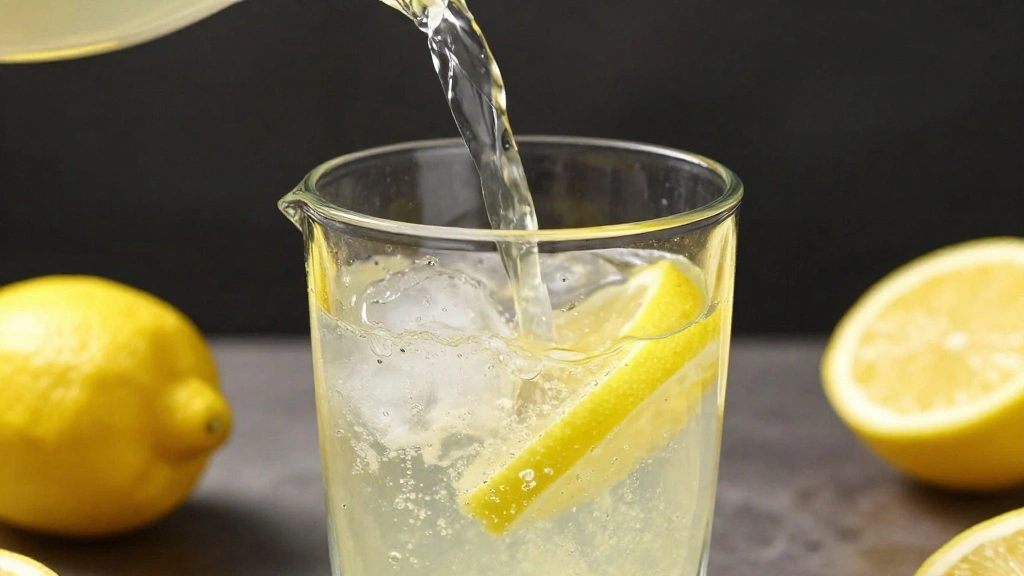
Pour 4 cups of cold water into the pitcher with the lemon mixture.
Stir well to dilute the concentrate and achieve the desired taste.
Taste and adjust by adding more water if necessary.
Ensure the lemonade is well mixed for a consistent flavor.
Step 6: Chill the Lemonade
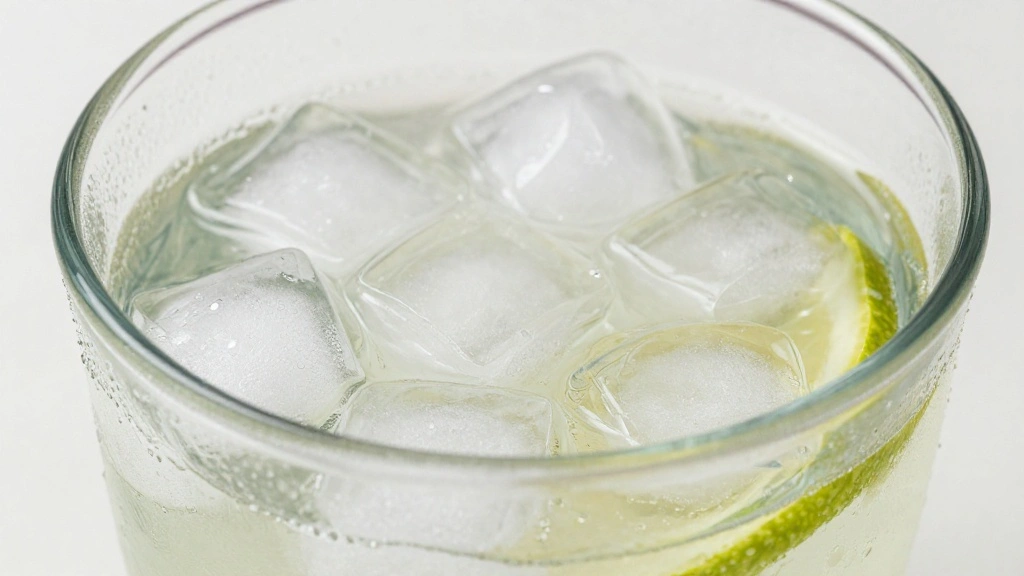
Add 1 cup of ice cubes to the pitcher to cool the lemonade.
Stir gently to evenly distribute the ice throughout the drink.
If possible, refrigerate the lemonade for at least an hour before serving.
This enhances the refreshing quality of the drink.
Step 7: Taste and Adjust Flavors
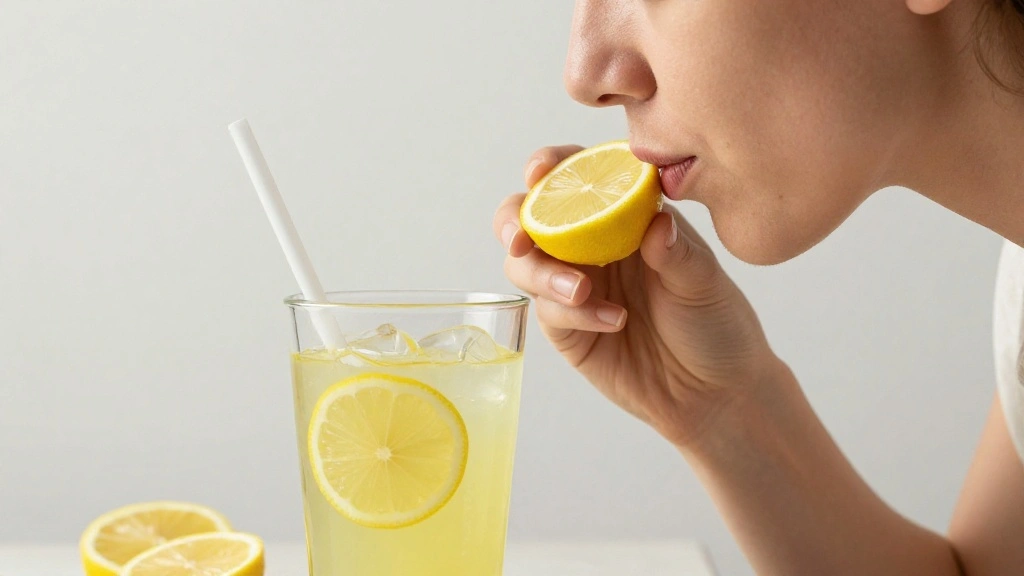
Sample the lemonade to check the balance of sweetness and tartness.
Add more simple syrup if a sweeter taste is desired.
Alternatively, squeeze in more lemon juice for extra tartness.
Balance the flavors to suit personal preference.
Step 8: Serve and Garnish

Pour the chilled lemonade into glasses filled with fresh ice.
Garnish each glass with a slice of lemon and a sprig of mint, if desired.
Serve immediately to ensure optimal freshness and flavor.
This presentation adds a touch of elegance to the drink.
Critical Timing and Temperature Guide
Juicing Lemons: Best done with room-temperature lemons. Roll them before juicing to maximize yield. Avoid leaving juice out for too long to prevent bitterness.
Simple Syrup Preparation: Heat until the sugar dissolves, taking care not to boil, as boiling can lead to caramelization and alter the flavor.
Chilling the Lemonade: Allow lemonade to chill in the refrigerator for at least 1 hour. Serving too soon can result in an unbalanced temperature, impacting the refreshing quality.
Pro Tips for Homemade Lemonade Recipe
• Ingredient Selection: Choose organic lemons for a more vibrant and authentic flavor.
• Preparation Secret: Letting the simple syrup cool completely prevents the lemonade from becoming cloudy.
• Temperature Management: Ensure all components are chilled before mixing to enhance the refreshing quality.
• Texture Enhancement: Strain lemon juice to remove pulp for a smoother drink.
• Flavor Layering: Add a pinch of salt to enhance the sweetness and balance the flavors.
• Make-Ahead Strategies: Prepare simple syrup in advance and store in the refrigerator for up to a week.
• Restaurant-Quality Finishing Touches: Garnish with fresh mint or a twist of lemon peel for an elevated presentation.
• Equipment Optimization: Use a fine mesh strainer to ensure the juice is clear and free of pulp.


Troubleshooting Common Issues
• Lemonade Too Tart: Often caused by an imbalance in lemon juice and syrup. Add more simple syrup and water to adjust.
• Lemonade Too Sweet: Results from excessive syrup. Add more lemon juice and water to correct the flavor.
• Cloudy Lemonade: Occurs when the simple syrup is not fully cooled. Ensure syrup is cool before mixing.
• Bitter Taste: Can happen if lemon seeds are accidentally juiced. Strain juice carefully to remove all seeds.
• Lack of Freshness: Storing lemonade for too long before serving can dull the flavors. Serve immediately after chilling.
Variations and Regional Differences
• Spanish Limonada: Often includes a splash of sparkling water for a fizzy twist, and is served over crushed ice.
• Middle Eastern Limonana: Incorporates fresh mint leaves blended with the lemonade for a refreshing minty flavor.
• Southern U.S. Lemonade: Sometimes sweetened with honey instead of sugar for a deeper, richer sweetness.
• Italian Limonata: Features the addition of a pinch of salt and lemon zest for a more robust citrus flavor.


Food Science Behind the Recipe
• Acid and Sugar Balance: The interplay between lemon’s natural acidity and sugar creates a balanced taste profile, crucial for refreshing beverages.
• Solubility of Sugar: Dissolving sugar in water to make a simple syrup ensures even sweetness and prevents graininess in the drink.
• Temperature’s Effect on Flavor: Chilling the lemonade enhances its refreshing qualities, as cold temperatures heighten the perception of tartness.
Frequently Asked Questions
What’s the most common mistake people make when preparing lemonade? Using warm water can dilute the flavors. Always use cold water for mixing.
Can I substitute sugar with a different sweetener? Yes, honey or agave syrup can be used, but adjust quantities as they have different sweetness levels.
How long can I store homemade lemonade? It can be refrigerated for up to 3 days, but is best consumed fresh.
Why does my lemonade taste bitter? Ensure no seeds are juiced, as they contribute bitterness.
Can I use bottled lemon juice? Fresh lemon juice is recommended for optimal taste, but bottled can be a convenient alternative.
What if my lemonade is too watery? Add more lemon juice or simple syrup to restore balance.
How can I make my lemonade fizzy? Add sparkling water before serving for effervescence.
Serving and Presentation Guide
• Traditional Presentation: Serve in clear glasses with a lemon slice on the rim and a straw.
• Party Style: Use mason jars for a rustic look, with twine tied around the rim.
• Gourmet Touch: Add edible flowers like violets or pansies for an elegant touch.
• Picnic Ready: Pour into a thermos or insulated jug to keep cold during outdoor events.
Conclusion
This easy homemade lemonade recipe is a timeless classic that captures the essence of summer.
With its fresh ingredients and simple preparation, it promises to become a staple at your gatherings.
Don’t hesitate to make this delightful drink and share it with loved ones for an unforgettable refreshment experience.