


Easy Pasta Salad Recipe Perfect for Lunch or Potlucks
3 cups rotini pasta
1 cup cherry tomatoes
1 medium cucumber
1 large bell pepper
1/4 cup olive oil
3 tablespoons red wine vinegar
1 teaspoon dijon mustard
1 teaspoon salt
1/2 teaspoon black pepper
1 tablespoon fresh basil
PT25M
6 servings
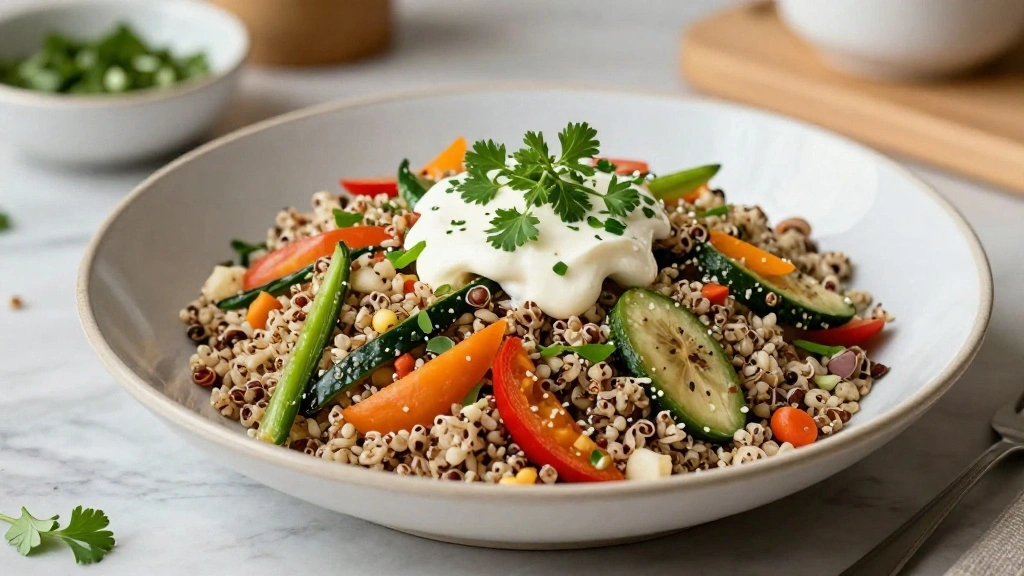
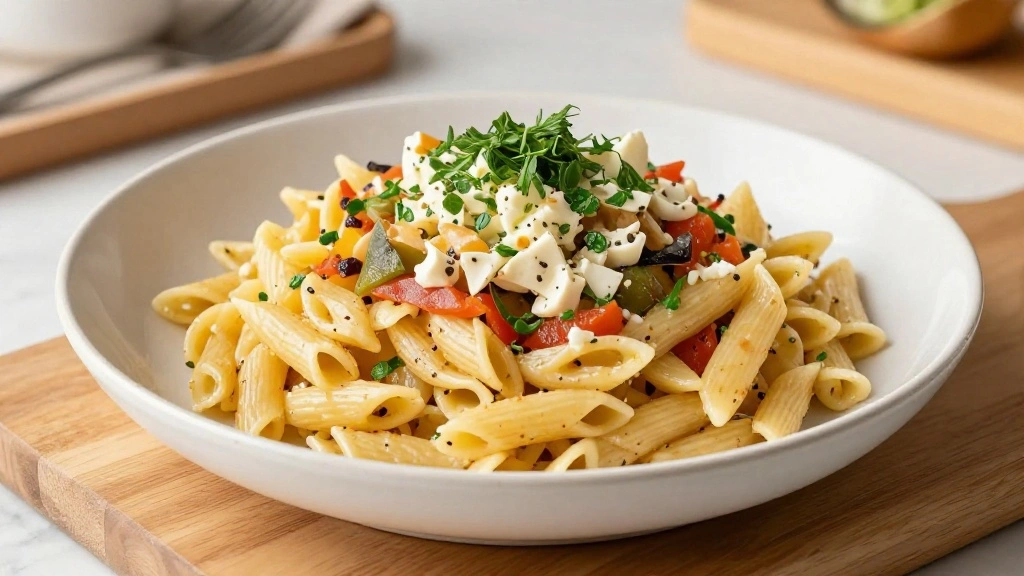
The vibrant colors and fresh flavors of this Easy Pasta Salad make it an irresistible choice for lunch or potlucks.
The combination of al dente pasta, crisp vegetables, and a tangy dressing creates a refreshing taste that’s hard to resist.
I first encountered this recipe at a family gathering, where it was the star of the meal.
Whether you’re aiming for a light lunch or a crowd-pleasing dish, this pasta salad suits any occasion with minimal effort.
With ingredients you likely have on hand, it’s a quick and reliable option for last-minute plans.
The History and Cultural Significance
• Pasta Salad Recipe traces its origins to Italy in the late 19th century, where it was originally created by Italian immigrants.
• The dish evolved over decades as different cultures added their own twists, eventually becoming the beloved version we know today.
• In the United States, this dish traditionally appears at summer picnics and potlucks, symbolizing community and sharing.
• While many variations exist across different regions, the authentic version maintains its Italian roots with fresh ingredients and simple preparation.


Recipe Overview
Nutritional Information (per serving)
Essential Equipment Guide
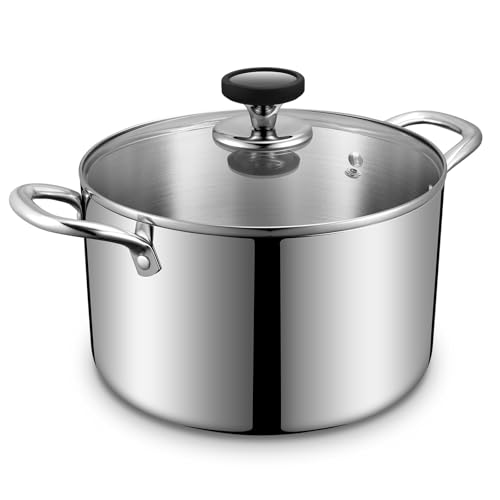
Large Pot: A large pot is crucial for cooking the pasta evenly and preventing it from sticking. Alternatives like a deep saucepan can work, but ensure it’s large enough to accommodate ample water for boiling.
Colander: Essential for draining pasta efficiently and quickly to stop the cooking process. Look for one with small holes to prevent smaller pasta shapes from slipping through.
Mixing Bowl: A spacious mixing bowl allows for thorough mixing of ingredients without spills. Stainless steel or glass options are preferred for durability and ease of cleaning.


Ingredients
For the Base
| Amount | Ingredient | Notes |
|---|---|---|
| 3 cups | rotini pasta | cooked al dente |
Vegetables
| Amount | Ingredient | Notes |
|---|---|---|
| 1 cup | cherry tomatoes | halved for juicy bursts |
| 1 medium | cucumber | diced for crunch |
| 1 large | bell pepper | chopped for sweetness |
For the Dressing
| Amount | Ingredient | Notes |
|---|---|---|
| 1/4 cup | olive oil | for richness |
| 3 tablespoons | red wine vinegar | adds tanginess |
| 1 teaspoon | dijon mustard | for depth |
Seasonings
| Amount | Ingredient | Notes |
|---|---|---|
| 1 teaspoon | salt | enhances flavors |
| 1/2 teaspoon | black pepper | adds heat |
| 1 tablespoon | fresh basil | chopped for aroma |


Preparation Methods
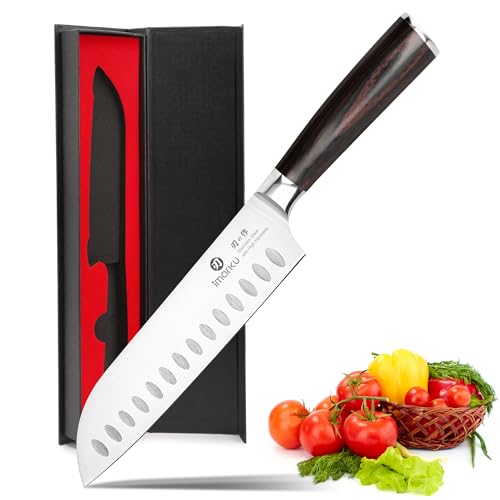
Chopping Vegetables: Properly chopping vegetables ensures even distribution and texture in every bite. Use a sharp knife to maintain the crispness and juice of the vegetables.
Emulsifying Dressing: This technique involves whisking the oil and vinegar until they form a smooth blend. It ensures the ingredients coat the pasta evenly.
Cooking Pasta Al Dente: Cooking pasta until it’s firm to the bite is key. It prevents the pasta from becoming mushy in the salad and helps it hold up well with the dressing.

Step 1: Prepare Ingredients
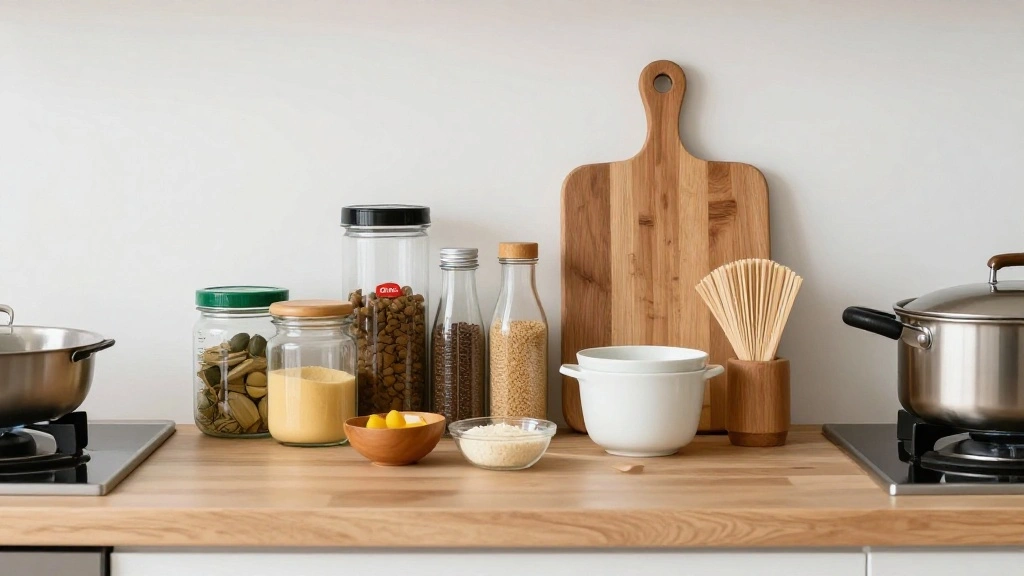
Gather all your ingredients and equipment.
Ensure the vegetables are washed and dried.
Measure out each ingredient to streamline the cooking process.
Set everything within arm’s reach to maintain efficiency.
Step 2: Cook the Pasta
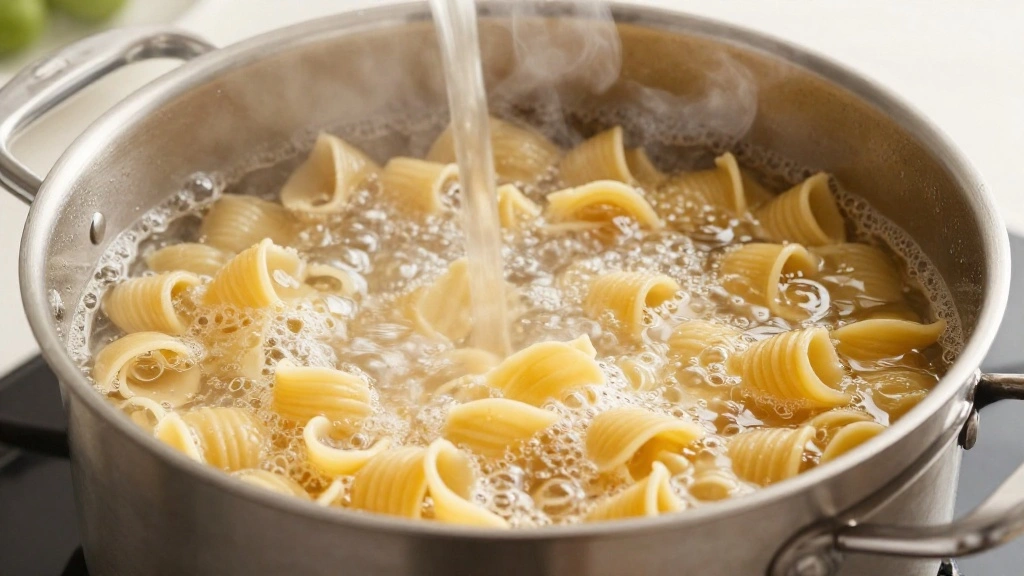
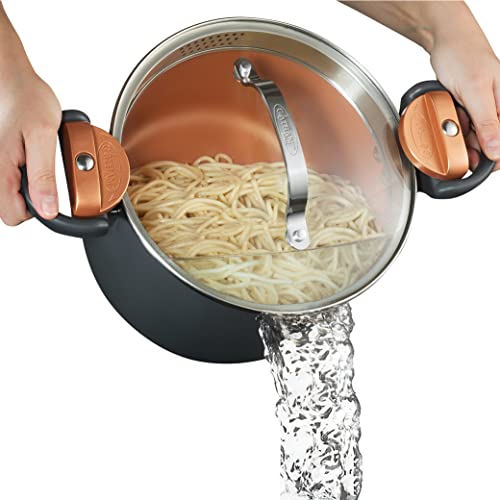
Fill a large pot with water and bring it to a boil.
Add salt to the water for flavor.
Cook the pasta until al dente, following package instructions.
Drain the pasta and rinse with cold water to stop cooking.
Step 3: Chop the Vegetables
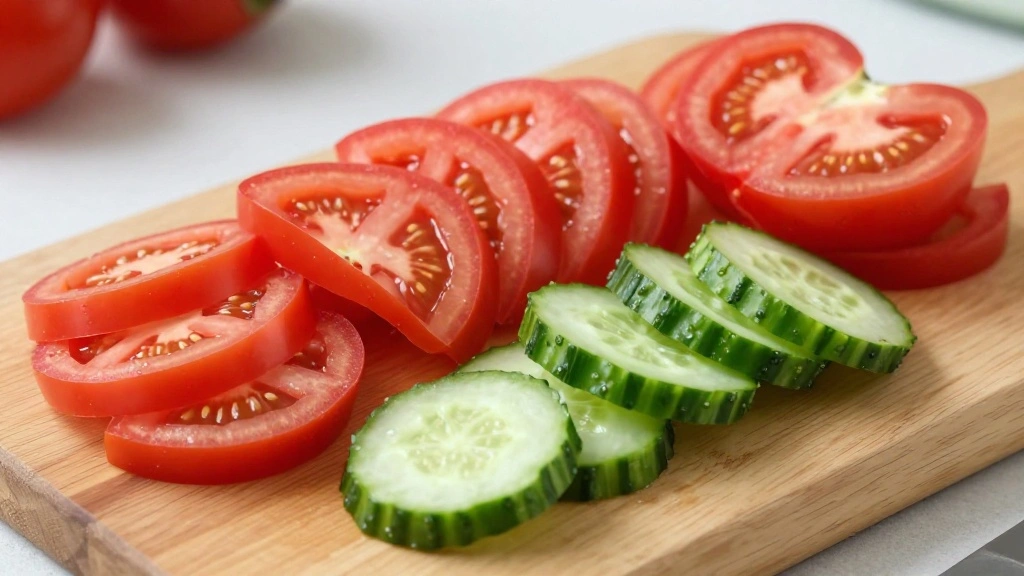
Slice the cherry tomatoes in half and set aside.
Dice the cucumber into small cubes for texture.
Chop the bell pepper into even pieces for uniformity.
Ensure all vegetables are similar in size to blend well.

Step 4: Make the Dressing
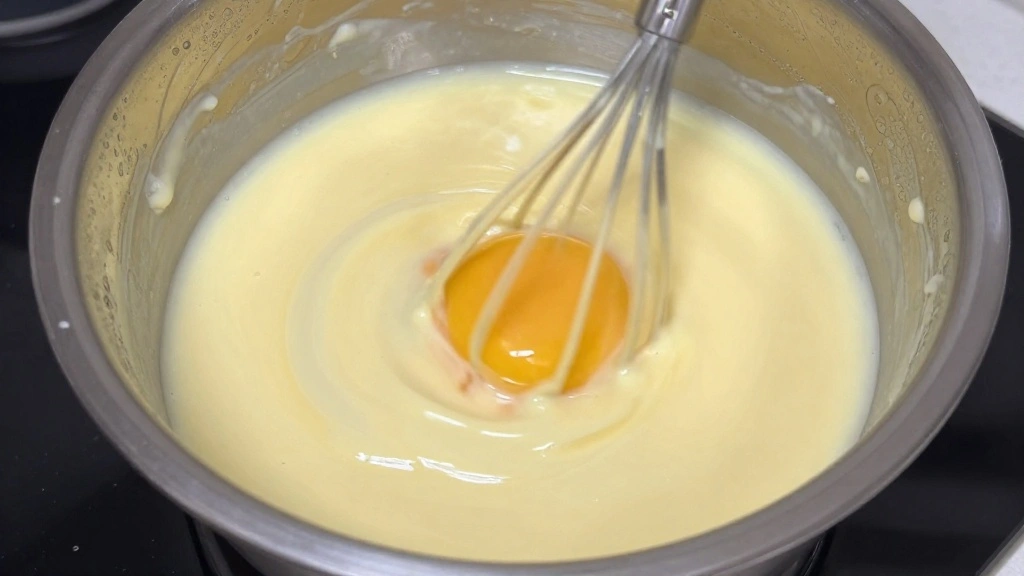
In a small bowl, combine olive oil, red wine vinegar, and dijon mustard.
Whisk vigorously until the mixture emulsifies.
Season with salt and black pepper to taste.
Taste and adjust seasoning if necessary.


Step 5: Combine Pasta and Vegetables
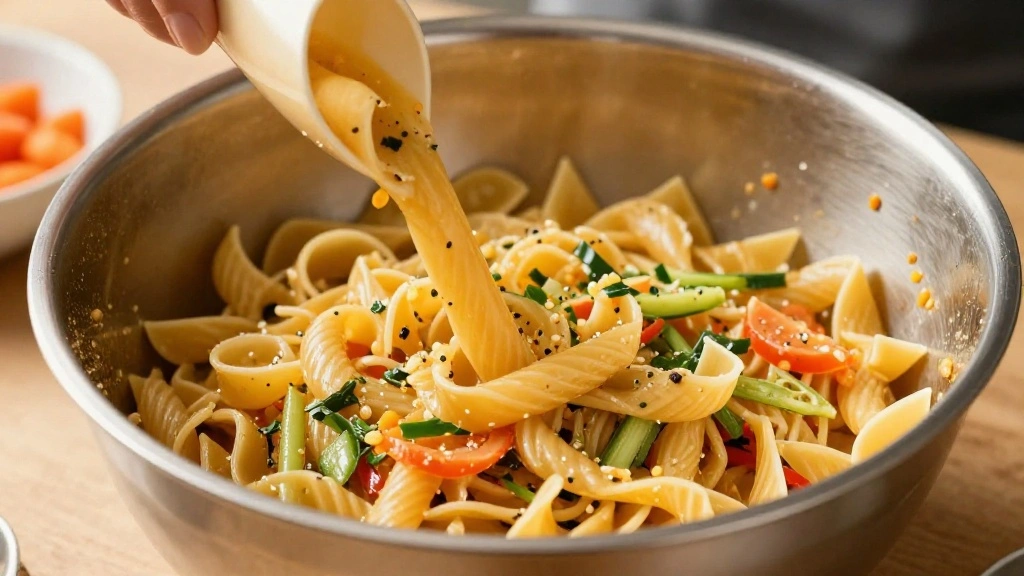
Place the cooked pasta in a large mixing bowl.
Add the chopped vegetables to the bowl.
Stir gently to combine the ingredients.
Ensure the pasta and vegetables are evenly distributed.
Step 6: Add the Dressing
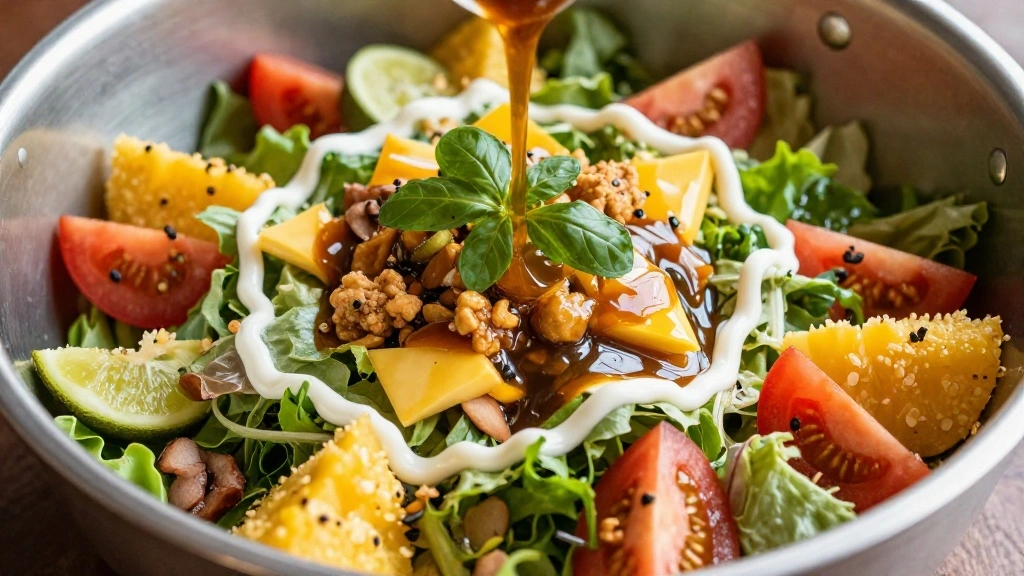
Pour the dressing over the pasta and vegetables.
Toss the salad gently to coat everything in the dressing.
Ensure each piece is well-covered with the dressing.
Avoid over-mixing to keep the vegetables intact.
Step 7: Chill the Salad
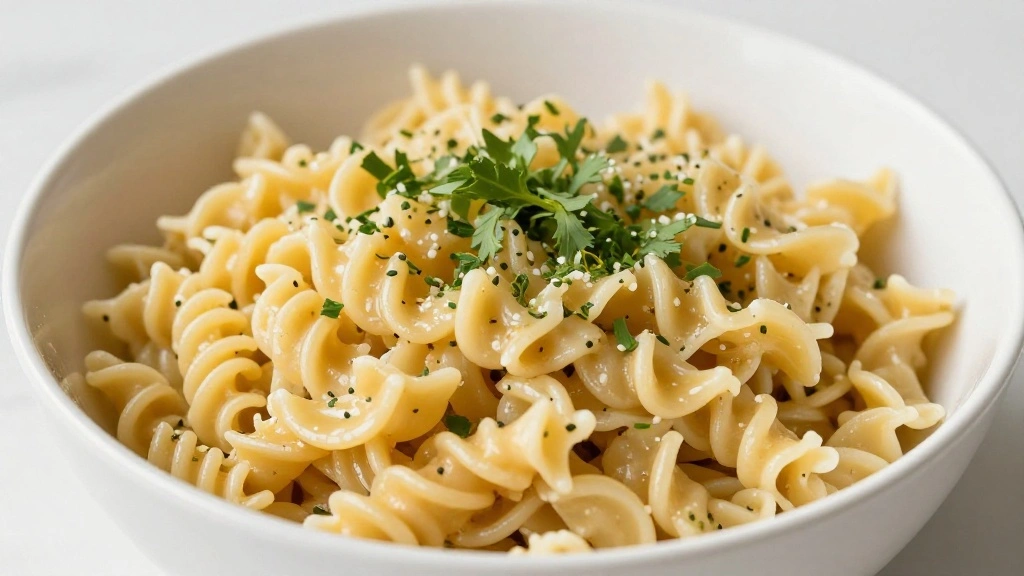
Cover the salad with plastic wrap or a lid.
Place it in the refrigerator to chill for at least 15 minutes.
This allows the flavors to meld together.
Stir before serving to redistribute the dressing.
Step 8: Garnish and Serve
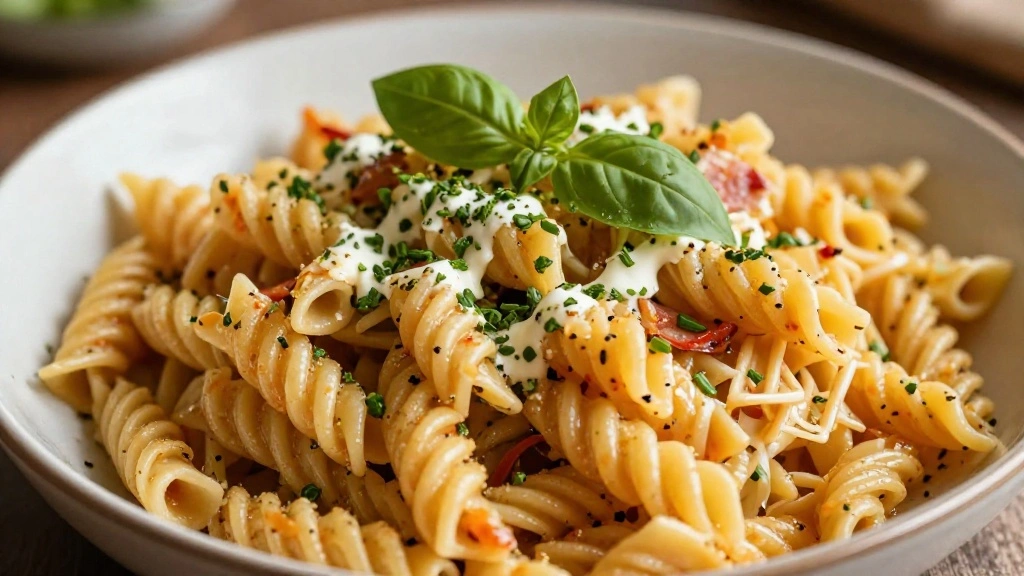
Remove the salad from the refrigerator.
Sprinkle fresh basil over the top for garnish.
Transfer to a serving dish for presentation.
Serve cold or at room temperature for best flavor.


Critical Timing and Temperature Guide
Boiling the Pasta: Boil for exactly 8-10 minutes until al dente. Visual indicator is a slight firmness in the center. Avoid overcooking, which leads to mushiness.
Chilling the Salad: Chill for at least 15 minutes to meld flavors. The salad should be cool to the touch but not overly cold.
Emulsifying the Dressing: Whisk for 1-2 minutes until the mixture is creamy and well-combined. Avoid separation by ensuring ingredients are at room temperature.
Pro Tips for Pasta Salad Recipe
• Ingredient Selection: Use fresh, ripe vegetables for the best flavor and texture. Cherry tomatoes and cucumbers make the biggest difference.
• Preparation Secret: Dressing the salad while pasta is slightly warm helps absorb flavors more effectively.
• Temperature Management: Ensure pasta is cooled under cold water to stop cooking and maintain texture.
• Texture Enhancement: Add crunchy elements like nuts or seeds for a contrasting texture.
• Flavor Layering: Layer flavors by adding a small amount of dressing first, then adjust to taste after chilling.
• Make-Ahead Strategies: Prepare the salad a day in advance and store in an airtight container for flavors to develop.
• Restaurant-Quality Finishing Touches: A sprinkle of parmesan cheese or a few olives can elevate the final presentation.
• Equipment Optimization: Use a wide mixing bowl to prevent overcrowding and ensure even mixing.
Troubleshooting Common Issues
• Texture Too Mushy: Overcooking pasta is the main cause. Always cook al dente and rinse with cold water immediately.
• Flavors Unbalanced: Caused by incorrect seasoning. Adjust salt, vinegar, or mustard in the dressing to balance flavors.
• Vegetables Too Soggy: Ensure vegetables are completely dry before mixing. Use a salad spinner if necessary.
• Dressing Separation: If dressing separates, re-emulsify by whisking again with a bit more mustard.
• Pasta Sticks Together: Insufficient stirring during cooking. Stir pasta occasionally while boiling and rinse with cold water afterward.
Variations and Regional Differences
• Greek Style: Includes feta cheese, olives, and oregano for a Mediterranean twist. Adds a salty and savory depth.
• Asian Inspired: Uses soy sauce, sesame oil, and shredded carrots for a unique flavor profile.
• Mexican Variation: Incorporates black beans, corn, and a lime-cilantro dressing for a zesty kick.
• American Classic: Features diced cheddar and bacon bits, offering a heartier, more indulgent option.


Food Science Behind the Recipe
• Emulsification: The process of combining oil and vinegar with mustard creates a stable dressing that clings to the pasta.
• Pasta Starch: Rinsing pasta removes surface starch, preventing clumping and allowing dressing to adhere better.
• Acidic Balance: The vinegar’s acidity brightens flavors and balances the richness of the olive oil.
Frequently Asked Questions
What’s the most common mistake people make when preparing pasta salad? Overcooking the pasta, which leads to a mushy texture. Always cook al dente.
Can I make this pasta salad gluten-free? Yes, simply substitute standard pasta with gluten-free pasta varieties.
How long can I store pasta salad in the fridge? It can be stored in an airtight container for up to 3 days.
What can I add for more protein? Grilled chicken or chickpeas make excellent protein additions.
How do I prevent my salad from becoming dry? Add more dressing before serving if needed, as pasta absorbs dressing over time.
Is it necessary to chill the salad before serving? Yes, chilling enhances the flavors and allows them to meld.
Can I use a different type of vinegar? Yes, white wine vinegar or apple cider vinegar are good alternatives.
Serving and Presentation Guide
• Traditional Presentation: Serve in a large, shallow bowl with fresh basil garnish on top.
• Individual Portions: Serve in mason jars for a portable option, perfect for picnics.
• Family Style: Present on a large platter with a serving spoon for self-service at gatherings.
• Elegant Touch: Garnish with edible flowers or microgreens for an upscale presentation.
Conclusion
With its vibrant flavors and ease of preparation, this Easy Pasta Salad is a must-try dish for any home cook.
Whether you’re planning a casual lunch or a grand potluck, it promises to delight everyone at the table.
So gather your ingredients, follow the steps, and enjoy a delicious meal that brings people together.