
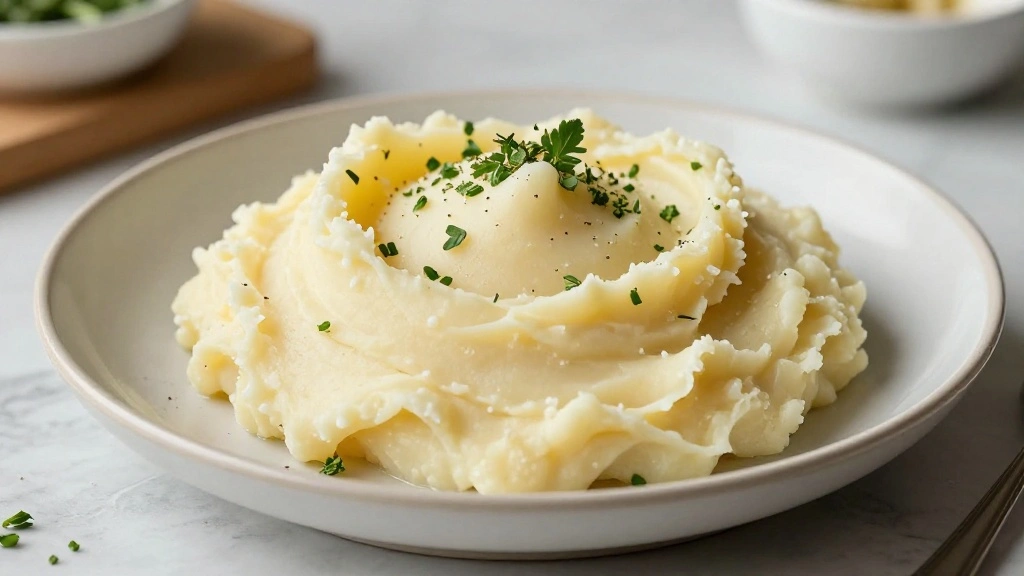


Best Garlic Mashed Potatoes Recipe Creamy and Buttery
2 pounds russet potatoes
1 cup whole milk
1/2 cup butter
4 cloves garlic
1 teaspoon salt
1/2 teaspoon black pepper
1 tablespoon chopped parsley
PT40M
6 servings
There’s something inherently comforting about a bowl of creamy, buttery garlic mashed potatoes.
The rich aroma wafts through the kitchen, promising a decadent experience with every bite.
I first encountered this recipe in a quaint, rustic kitchen while visiting a family friend who swore by its simplicity and flavor.
The blend of garlic and butter creates a harmonious balance that elevates this humble dish to something extraordinary.
Whether you’re serving it alongside a holiday roast or a simple weeknight meal, these garlic mashed potatoes will become a staple in your culinary repertoire.
The History and Cultural Significance
• Garlic Mashed Potatoes traces its origins to Europe, where it was originally created by peasants who relied on potatoes as a staple food.
• The dish evolved over decades as the introduction of butter and cream enhanced its flavor, eventually becoming the beloved version we know today.
• In many Western cultures, this dish traditionally appears at holiday gatherings, symbolizing comfort and abundance.
• While many variations exist across different regions, the authentic version maintains a creamy texture and balanced flavor that sets it apart from imitations.
Recommended Products

Mashing Potatoes Made Easy - Don’t you wish you can create perfectly smooth and fluffy mash potato with less effort? With our PriorityChef ricer masher kitchen tool, you can achieve a creamy, heavenly dish quickly and conveniently. Simply squeeze on the long handle of our potato press for perfect mash

Unique twisting action makes ricing potato easier
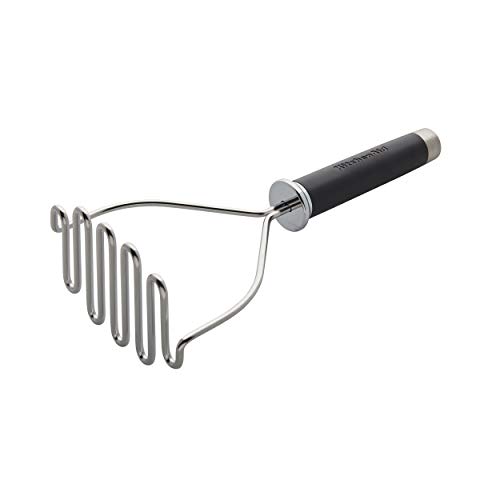
IDEAL FOR MASHING VEGETABLES : Perfect for mashing root vegetables, avocadoes, apples, and nuts


Recipe Overview
Recommended Products

Along with rice and wheat, potatoes are one of most important staple crop

Perfect for making smooth, fluffy mashed potatoes

【Effortless Mashed Potatoes】The heavy-duty potato ricer with 3 replaceable discs helps you make fluffy mashed potatoes effortless and efficiently. And non-slip silicone grips allow for safer and more comfortable squeezing. It'll make you enjoy making mashed potatoes.
Nutritional Information (per serving)
Recommended Products

NO MORE LOST BEATERS: The snap-on storage case that comes with the Hamilton Beach hand mixer neatly holds the 2 beaters and whisk in one easy-to-find place, reducing the chance that the attachments are lost or misplaced.
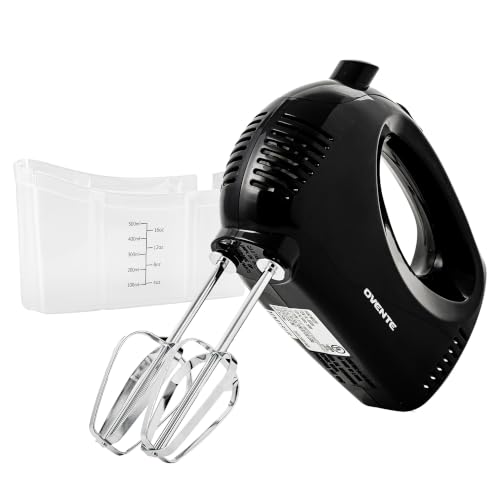
SELF-CONTROL SPEED – Features 5 adjustable speeds, ranging from 1 (Lowest) to 5 (Highest), allowing you to choose the ideal mixing speed for perfectly customizable texture and consistency in any recipe. Perfect for whipping cream, making butter, beating egg whites and batter, or preparing mashed potatoes and other dishes.
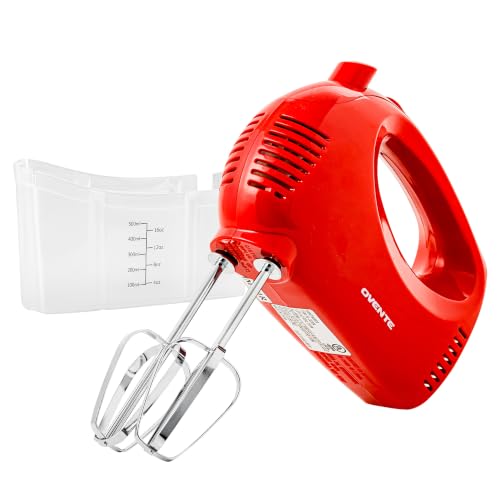
SELF-CONTROL SPEED – Features 5 adjustable speeds, ranging from 1 (Lowest) to 5 (Highest), allowing you to choose the ideal mixing speed for perfectly customizable texture and consistency in any recipe. Perfect for whipping cream, making butter, beating egg whites and batter, or preparing mashed potatoes and other dishes.


Essential Equipment Guide
Potato Masher: A potato masher is crucial for achieving a smooth yet slightly textured finish in mashed potatoes. While a fork or even a ricer can work, a masher provides the best control over texture and consistency.
Large Pot: A large pot is essential to evenly cook the potatoes without overcrowding. Look for one with a heavy bottom to ensure even heat distribution.
Whisk: A whisk helps incorporate air when mixing the mashed potatoes with butter and cream, resulting in a lighter, fluffier texture. Alternatively, an electric mixer can be used, but it may yield a smoother, less textured result.
Recommended Products

LARGE CAPACITY: This large cooking pot offers sixteen quart capacity in stainless steel construction, providing ample space for batch cooking soups, stews, pasta dishes, and family meals during gatherings, events, and weekly meal prepping sessions
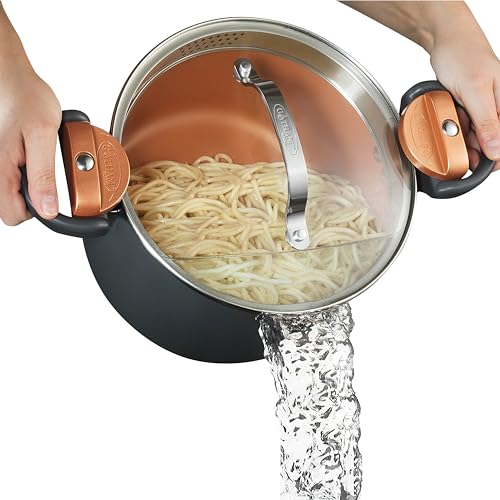
5 QUART PASTA POT WITH STRAINER LID — This nonstick ceramic stock pot cooks and drains spaghetti, penne, soup, rice, and vegetables in one pot, no colander needed. The built-in strainer lid, twist and lock handles, and dishwasher safe design make it the easiest way to cook pasta without the mess.

12-quart covered stock pot for making stocks, soups, stews, chili, and more; designed for residential and commercial use


Ingredients
Recommended Products

Premium Stainless Steel Kitchen Set: This 2-pieces kitchen kit includes a heavy-duty potato masher and stainless steel swivel vegetable peeler. Potato masher: 10.25in*3.9in; peeler: 7.2in*1.5in, which both constructed with food-grade stainless steel for rust resistance, long-lasting durability, and safe daily food preparation.

2-PIECE SET: Potato masher (Set of 2) for mashing root vegetables, fruits, and more

2 Types Potato Mashers - This potato masher set includes two stainless steel mashers with different heads: one zigzag wire design and one flower-shaped with round holes design. Both potato smasher are thoughtfully sized to fit most standard mixing bowls, making them easy to use and suitable for various kitchen tasks. The smooth edges of the flower-shaped masher kitchen tool are safe to touch, and its unique design improves mashing efficiency while helping to reduce splashing and slipping.
For the Base
| Amount | Ingredient | Notes |
|---|---|---|
| 2 pounds | russet potatoes | peeled and cubed for even cooking |
| 1 cup | whole milk | warmed for smoother blending |
| 1/2 cup | butter | unsalted, adds richness |
| 4 cloves | garlic | minced, infuses flavor |
Seasonings
| Amount | Ingredient | Notes |
|---|---|---|
| 1 teaspoon | salt | enhances flavor |
| 1/2 teaspoon | black pepper | freshly ground, adds warmth |
| 1 tablespoon | chopped parsley | for garnish, adds freshness |


Preparation Methods
Boiling Potatoes: Boiling potatoes is a straightforward process, but achieving the perfect tenderness is key. The potatoes should be cooked in salted water until they can be easily pierced with a fork. Overcooking can lead to waterlogged potatoes, while undercooking will make mashing difficult.
Mincing Garlic: Mincing garlic releases its essential oils, which are crucial for flavor. Use a chef’s knife to finely chop the garlic cloves, ensuring it blends seamlessly into the mashed potatoes.
Incorporating Butter and Milk: Adding butter and milk to the potatoes must be done while they are hot to ensure proper absorption. Start with room temperature or slightly warmed ingredients to maintain the potatoes’ warmth and prevent them from seizing up.
Recommended Products

Fresh potatoes, real butter, whole milk, half & half and a touch of garlic.

Nylon tool heads are safe for nonstick cookware

Durable nylon mashing plate folds flat for compact storage


Step 1: Prepare Ingredients
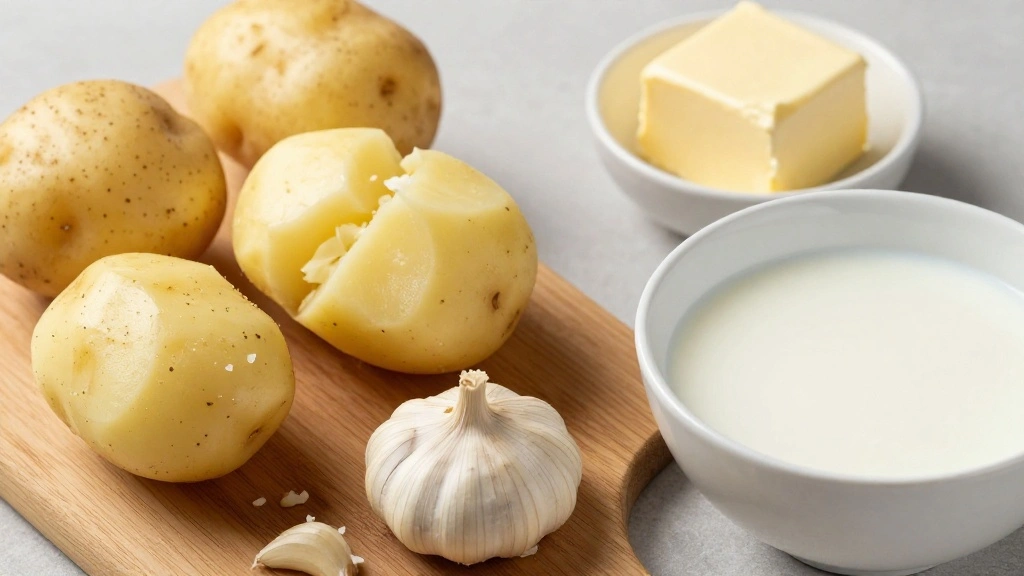
Peel and cube the russet potatoes.
Mince the garlic cloves finely.
Measure out the milk and butter, allowing them to come to room temperature.
Gather all seasonings and have them ready for use.
Recommended Products

Durable Stainless Steel Ricer for Family Meals: Crafted from corrosion-resistant material that withstands rust and stains. Built to last through every gathering—from holiday feasts to cozy dinners—delivering dependable performance for your cherished cooking moments

【Efficiently Potato Masher】We have designed this potato ricer stainless steel with a soft, non-slip long grip that lets you squeeze effortlessly without straining your wrist. Helping you make fluffy mashed potatoes effortless and efficiently.

[Effortless Mashing]-Achieve perfectly smooth and fluffy mashed potatoes with minimal effort using this ricer for mashed potatoes. Its efficient design lets you easily squeeze the long handles to quickly create creamy, lump-free results—ideal for everyday cooking and the perfect mashed potatoes tool for home chefs.
Step 2: Boil Potatoes
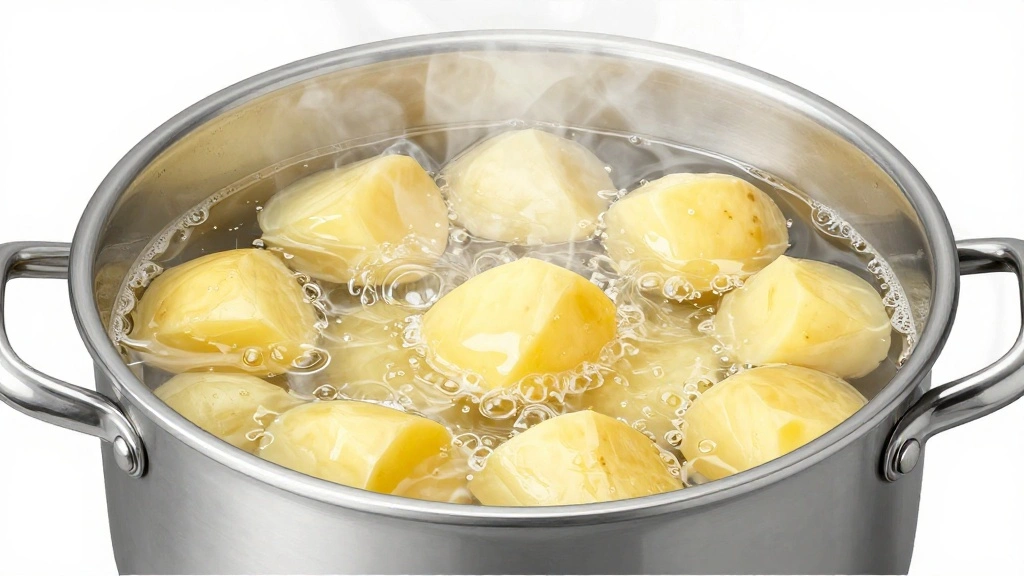
Place the cubed potatoes in a large pot.
Cover with cold, salted water until the potatoes are just submerged.
Bring to a boil over medium-high heat, then reduce to a simmer.
Cook until the potatoes are tender and easily pierced with a fork, about 15 minutes.
Recommended Products

【Reasonable Choice】 Comes with 5 stainless steel accessories, including 2 mixers, 2 dough hooks, 1 traditional whisk, can quick mixing cream, light dough, egg wash, etc., cakes, cookies, pizza can be finished, designed for baking beginners and enthusiasts, support for home and commercial use.

🧇【𝐀𝐋𝐋-𝐈𝐍-𝐎𝐍𝐄 & 𝟑𝟎𝟒 𝐃𝐈𝐒𝐇𝐖𝐀𝐒𝐇𝐄𝐑 𝐒𝐀𝐅𝐄】:1* Whisk, 2* Beaters, 2*Dough Hooks. 2026 Newly upgraded all-pure copper motor. 304 Dishwasher safe attachments. Effectively improves the stirring speed solves many problems for your kitchen, such as mixing eggs, whipping cream, beating dough for chocolate chip cookies, biscuits, cakes, pizzas, etc.

CREAMY VELVETY FROTH IN SECONDS: Making coffee-shop-style recipes at home is as simple as it can be with this milk frother. The 13,000 RPM motor and 25 spiral rings on the frother let you whip up rich foam in no time. Level up your day with this frother for protein powder, warm or cold coffee, latte, cappuccino, hot chocolate, matcha, and powdered drinks.
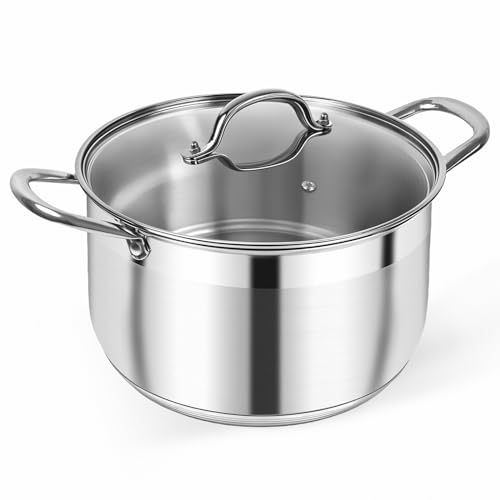

Step 3: Drain and Dry Potatoes
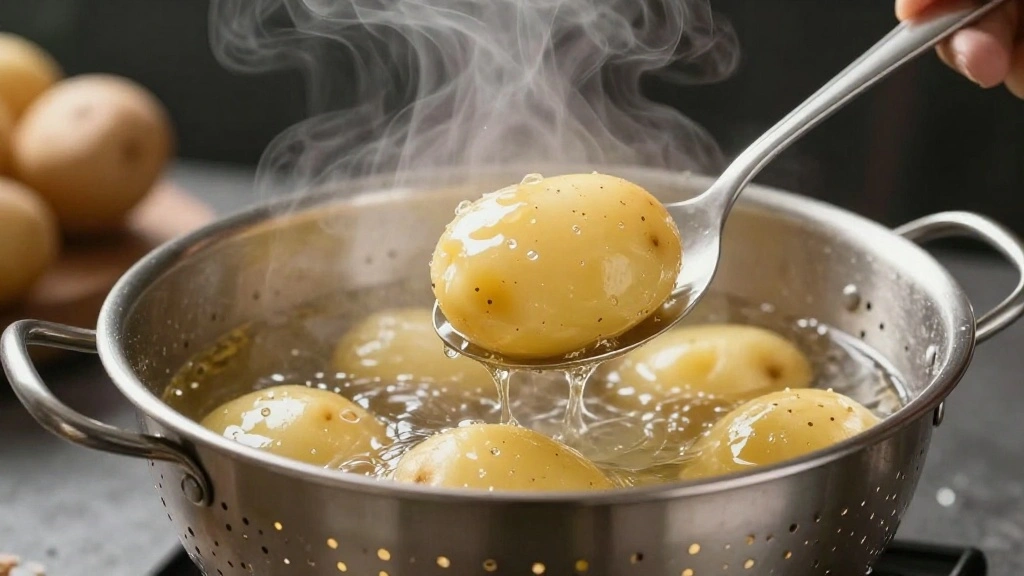
Drain the cooked potatoes in a colander.
Let them sit for a minute to allow excess moisture to evaporate.
Return the potatoes to the pot over low heat to dry them further.
This step helps achieve a fluffier texture.
Recommended Products


WHAT'S IN THE BOX: One 16-quart enamel on steel lobster pot with lid

SUPERIOR PERFORMANCE: With an extra-large pouring rim, condensate-plus metal lid, interior measurement markings, and ergonomic side handles, our tall stock pot ensures precise pouring, tastier results, and comfortable handling. Oven safe up to 450°F and dishwasher safe for effortless maintenance.

Step 4: Heat Milk and Butter
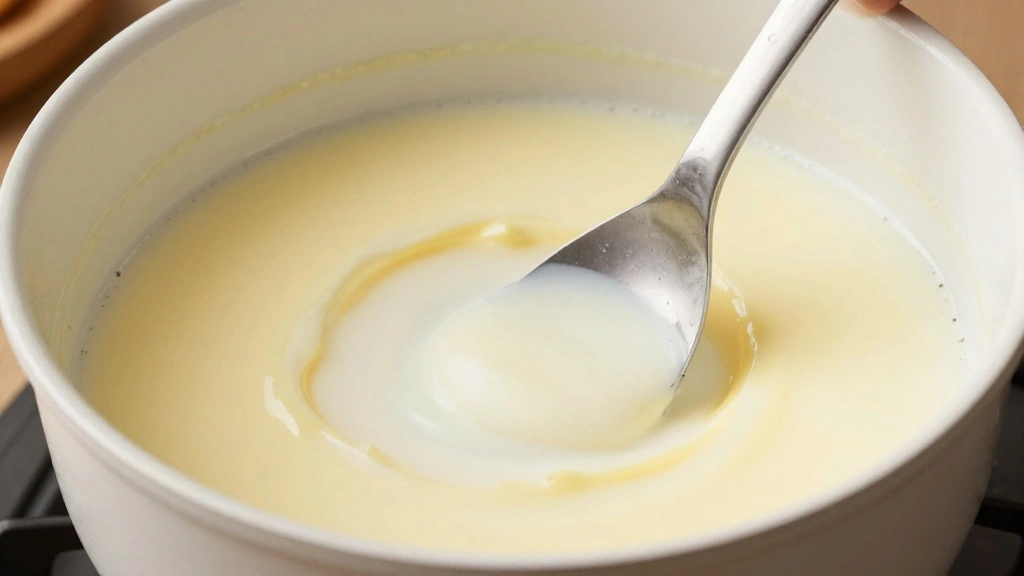
In a small saucepan, combine the milk and butter.
Heat over low heat until the butter melts completely.
Stir occasionally to prevent the milk from scorching.
The mixture should be warm but not boiling.
Recommended Products

★ IDEAL COMBINATION CHOICE: Masher fast and easy to use, suitable for both mixed and standalone use, perfect for crushing root vegetables, avocados, apples, and nuts, with different heads available according to needs.

PREMIUM 304 STAINLESS STEEL – Crafted from quality 304 stainless steel with a solid one-piece design for a sturdy, substantial feel in your hand. The smooth polished finish and durable metal construction make these multifunctional cooking spoons a dependable choice for everyday food prep, cooking and serving.

Gold Potato Masher: Classic and Simple Design of the utensils, Would match all your kitchenware and silverware, especial the golden ones.


Step 5: Mash the Potatoes
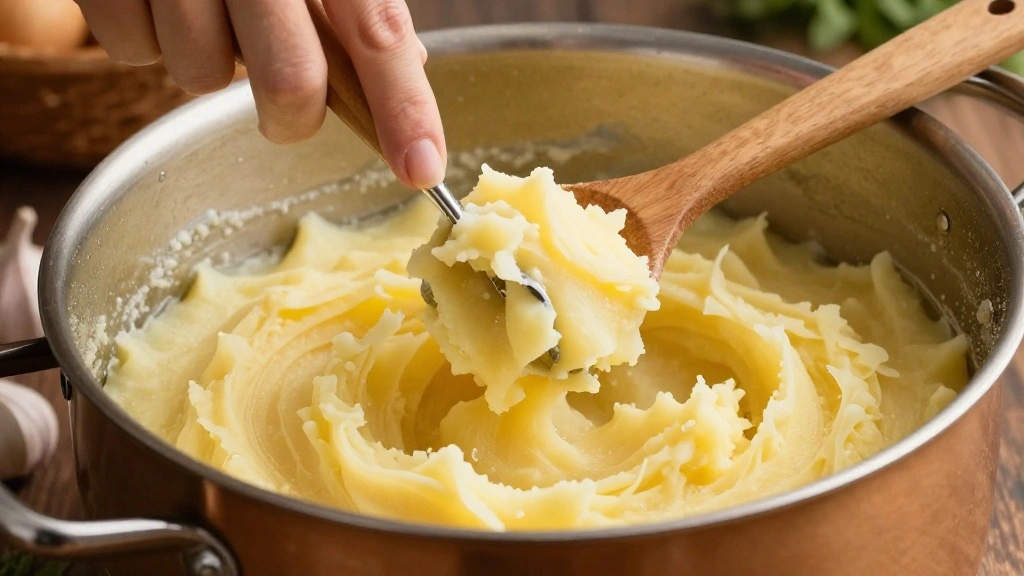
Use a potato masher to break down the potatoes in the pot.
Add the minced garlic to the potatoes.
Mash until the potatoes are mostly smooth with a few lumps for texture.
Ensure the garlic is evenly distributed.
Step 6: Incorporate Milk and Butter
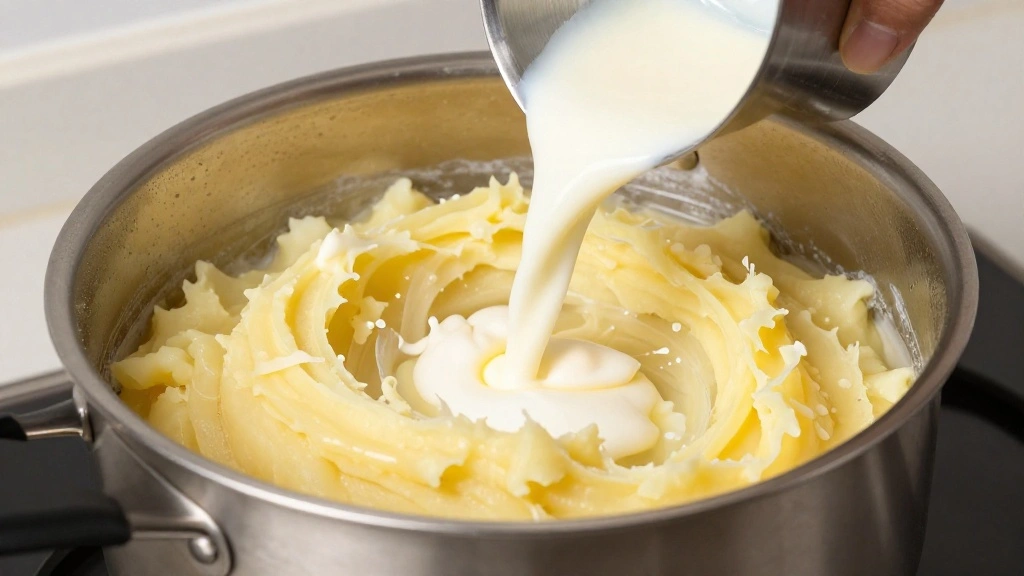
Pour the warm milk and butter mixture into the mashed potatoes.
Stir with a whisk until well combined.
Continue stirring until the potatoes are creamy and smooth.
Ensure the mixture is evenly incorporated.


Step 7: Season the Potatoes
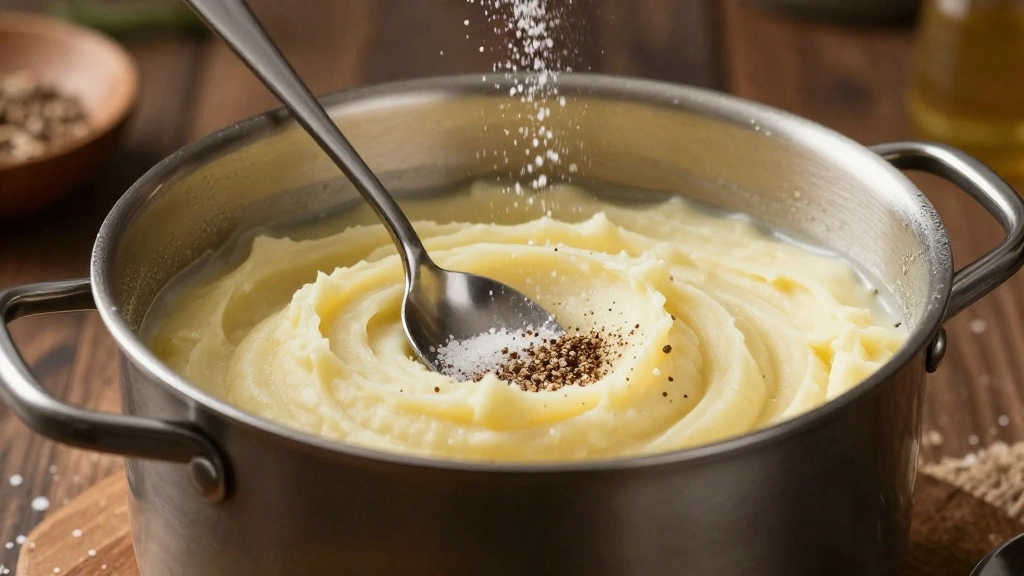
Add salt and black pepper to taste.
Stir to distribute the seasonings evenly throughout the potatoes.
Taste and adjust seasoning if necessary.
For a personal touch, add more garlic or pepper.


Step 8: Garnish and Serve
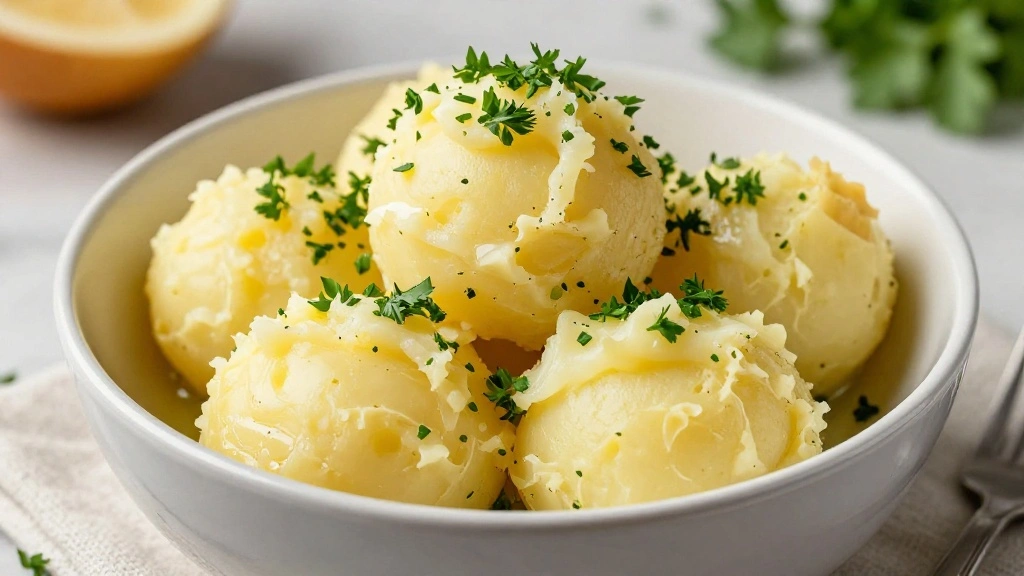
Transfer the mashed potatoes to a serving bowl.
Sprinkle chopped parsley over the top for color and freshness.
Serve immediately while hot.
Enjoy as a side dish with your favorite main course.
Critical Timing and Temperature Guide
Boiling Potatoes: Boil for 12-15 minutes until tender. Avoid overcooking to prevent waterlogging.
Heating Milk and Butter: Warm over low heat until butter is melted, ensuring milk does not boil.
Mashing and Mixing: Mash and mix while potatoes are hot to ensure smooth integration of ingredients.
Pro Tips for Garlic Mashed Potatoes
• Ingredient Selection: Choose fresh, firm russet potatoes for the best texture and flavor, and opt for unsalted butter to control the seasoning.
• Preparation Secret: Allow the potatoes to sit in the colander for a minute post-draining to steam off excess moisture for fluffier results.
• Temperature Management: Always add warm milk and butter to the potatoes to maintain heat and ensure a creamy consistency.
• Texture Enhancement: Use a combination of mashing and whisking to achieve the perfect balance of smoothness and texture.
• Flavor Layering: Infuse the milk with garlic by simmering them together before adding to the potatoes for deeper flavor.
• Make-Ahead Strategies: Prepare the potatoes up to a day in advance, refrigerate, and reheat gently on the stove with additional milk to restore creaminess.
• Restaurant-Quality Finishing Touches: Finish with a drizzle of truffle oil or a sprinkle of grated Parmesan for a gourmet touch.
• Equipment Optimization: Ensure your potato masher is sturdy and comfortable to handle for efficient mashing.
Troubleshooting Common Issues
• Texture Too Dense: This can occur if the potatoes are undercooked or not enough liquid is added. Ensure potatoes are fully tender before mashing and gradually incorporate enough milk.
• Flavors Unbalanced: If the garlic flavor is too strong, balance it with additional butter or cream. If it’s too weak, consider roasting the garlic before adding.
• Potatoes Too Sticky: Over-mixing can lead to a gluey texture. Mash gently and avoid using an electric mixer for too long.
• Potatoes Too Watery: This happens if potatoes are overcooked. Use a ricer to help remove excess moisture if this occurs.
• Dry Mashed Potatoes: Add more warmed milk or a dollop of sour cream to restore creaminess.
• Bland Taste: Always taste and adjust seasonings as needed. Consider adding a pinch of nutmeg for warmth.
Variations and Regional Differences
• Irish Colcannon: Incorporates kale or cabbage into the mashed potatoes for a hearty, traditional Irish dish.
• French Aligot: A cheese-laden version from the L’Aubrac region, blending mashed potatoes with melted cheese for a stretchy, rich texture.
• Italian Style: Uses olive oil instead of butter and adds parmesan cheese, offering a Mediterranean twist.
• Indian Masala Potatoes: Features spices like cumin and turmeric for a spicy, aromatic variation popular in Indian cuisine.


Food Science Behind the Recipe
• Starch Gelatinization: Understanding how heat affects the starch in potatoes helps achieve a creamy texture without becoming gluey.
• Maillard Reaction: This reaction enhances flavor when garlic is sautéed or roasted before being added to the potatoes.
• Emulsification: Proper mixing techniques ensure that fat in butter and milk is evenly distributed, contributing to the dish’s creamy consistency.
Frequently Asked Questions
What’s the most common mistake people make when preparing Garlic Mashed Potatoes? Over-mixing potatoes can lead to a gluey texture. Mash gently and avoid overworking the potatoes.
Can I use a different type of potato? Yes, Yukon Golds can be used for a naturally buttery flavor, though they may yield a slightly denser texture.
How can I make this recipe vegan? Substitute butter with vegan margarine and use plant-based milk like almond or soy.
Can I freeze the mashed potatoes? Freezing is possible, though texture may change. Reheat gently with added liquid to restore creaminess.
How do I store leftovers? Store in an airtight container in the refrigerator for up to 3 days. Reheat on the stove or microwave with extra milk.
What can I do if my mashed potatoes are too salty? Add unsalted butter or cream to dilute the saltiness.
Can I add other ingredients? Absolutely. Consider chives, bacon bits, or cheese for additional flavor profiles.
Serving and Presentation Guide
• Traditional Presentation: Serve in a wide, shallow dish with a pat of butter melting in the center and a sprinkle of fresh parsley.
• Family Style: Present in a large bowl with a ladle, allowing guests to serve themselves.
• Elegant Plating: Use a ring mold to shape individual servings for a refined look, topped with a light drizzle of olive oil.
• Rustic Appeal: Serve directly from the pot in which they were prepared, placed on a wooden board for a homey feel.
Conclusion
Garlic Mashed Potatoes are a timeless classic that brings warmth and comfort to any meal.
With just the right balance of flavors and a creamy, buttery texture, they’re sure to impress your family and friends.
I encourage you to try this recipe and make it your own, exploring variations and personal touches.
Happy cooking, and enjoy the delicious journey!