
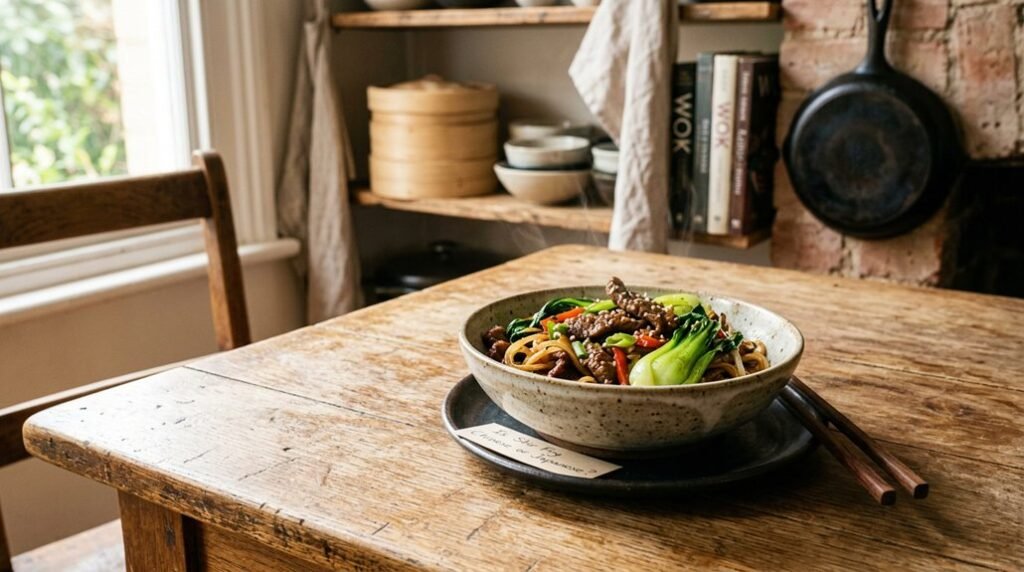


Like the Silk Road itself, stir-fry traveled and transformed. You’ll wrestle with this question every time you fire up your burner: are you chasing the fierce, smoky breath of wok hei, or the controlled, layered umami of a Japanese home kitchen? The answer isn’t clean, and that’s where it gets delicious.
One technique demands a $60 carbon steel wok and jet-engine heat you’ll never achieve on a standard electric coil; the other welcomes your $25 nonstick skillet and a patient, two-stage rhythm.
Chinese stir-fry at its best hits 120,000 BTU, proteins searing in 45 seconds, vegetables blistered at the edges, sauce cloying just enough to coat without pooling. Japanese *itame* rarely exceeds medium heat, building flavor through staggered additions: garlic at 30 seconds, then ginger at 60, protein still pale when vegetables join the party. The finish is subtle, a splash of sake and 2 tablespoons of soy, never the glossy cornstarch armor of Cantonese takeout.
You’ve probably blended them already without naming it: that last-minute drizzle of sesame oil, the compromise between blister and tenderness. The real question isn’t which country owns stir-fry, it’s which version your stove, your patience, and your Tuesday night can actually deliver, and why one tradition might rescue you when the other fails.
Pick Your Pan: What Works on Your Actual Stove
Why does your stir-fry keep turning out steamed instead of seared? You’re fighting your stove, not the recipe. On many modern stoves, round-bottom woks wobble like a bad table at a diner. You’ll want a flat-bottom modern wok or a Western-style skillet that actually contacts your heat source.
Here’s the truth about wok hei: you can’t fake it with lukewarm metal. Crank your stove until the pan smokes, then work fast. Overcrowding kills the dream; cook in batches, or you’ll get cloying, limp vegetables swimming in their own juices.
If you’re stuck with electric or induction, drop the heat slightly and use shorter bursts to avoid scorching. Keep ingredients in a single layer, toss quickly, and you’ll mimic that high-heat stir-fry magic without the professional equipment.
Recommended Products
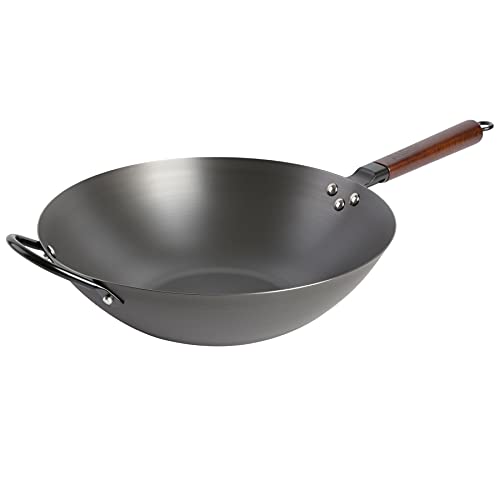
Consumer Reports Top Rated Wok 26': Babish 14 Inch Carbon Steel Wok (6" Flat Bottom)

PRE SEASONED & NONSTICK: Tired of rusty woks? SUMEIGUAN carbon steel wok is pre-cured and engineered with advanced Nitriding technology. This treatment fundamentally transforms the steel, creating a dense, molecular-level shield against rust. The result is a wok with exceptional resistance to rust, scratches, and corrosion—ready to cook right out of the box. Built to last up to 3 times longer than ordinary wok pans, this is the only wok you’ll need in your kitchen.

TRUE FLAVOR & VERSATILITY: The YOSUKATA 13.5” carbon steel wok with a flat bottom is specially designed to retain juices and enhance taste. Whether you're looking for a grill wok, BBQ wok, extra large wok, fried rice pan, or a professional authentic wok for home, outdoor, or restaurant use, it’s ideal for stir-frying, pan-frying, braising, deep-frying, searing, steaming, and even smoking. Discover the rich, true flavours of Chinese and Asian cuisine.


Why Wok Hei Fails at Home: and What Japanese Stir-Fry Does Instead
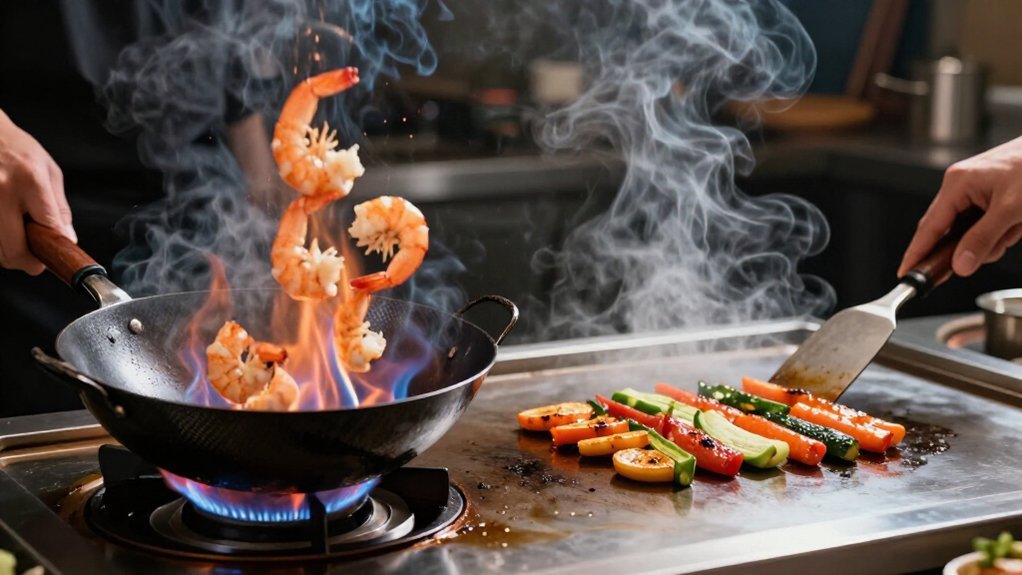
So you’ve chased wok hei through three cookbooks and a $200 carbon steel pan, and your kitchen still smells like hope and slightly burned garlic. You’re not alone. Home ranges can’t generate the 150,000 BTU inferno of restaurant woks, and your flat-bottom substitute kills the heat gradients that create that signature smoky breath. You overcrowd, you wait, you steam your vegetables into submission.
Japanese stir-fry doesn’t fight this losing battle. Instead, you work with controlled heat, building umami through finishing oils and precise timing. You add bonito flakes, toasted sesame, or a whisper of mirin, creating depth without demanding impossible char.
The result isn’t cloying or apologetic; it’s intentional. You trade blistered spectacle for nuanced satisfaction, and honestly, your smoke detector thanks you.
Recommended Products
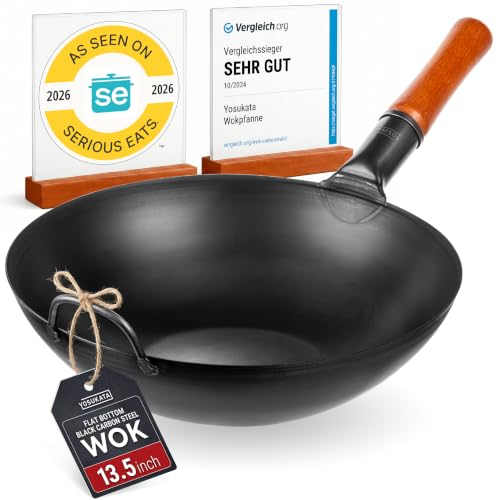
GENUINE TASTE: Bring authentic wok flavor to your kitchen or outdoor cooking with the YOSUKATA 13.5” flat-bottom carbon steel wok. Designed to lock in juices and flavors, this deep wok pan is ideal for preparing Chinese, Japanese, Thai, and other Asian dishes — the perfect fried rice pan for home or professional use

PRE-SEASONED FOR IMMEDIATE USE - Sizzling stir frys, crispy deep frys, pan-searing to perfection.... while also able to make soups and stews!

[Upgrade Modern Non-Stick Technology] After a long time of research and development, we have developed a new non-stick wok technology to bring you a brand new cooking experience. NOTE: The rough and granular effect on the surface of the wok is a natural non-stick layer formed by the state-of-the-art non-stick technology, which prevents food from sticking to the pan, burning, rusting and is easy to clean


Speed Choice: Chinese Flash-Fry or Japanese Layered Stir-Fry?
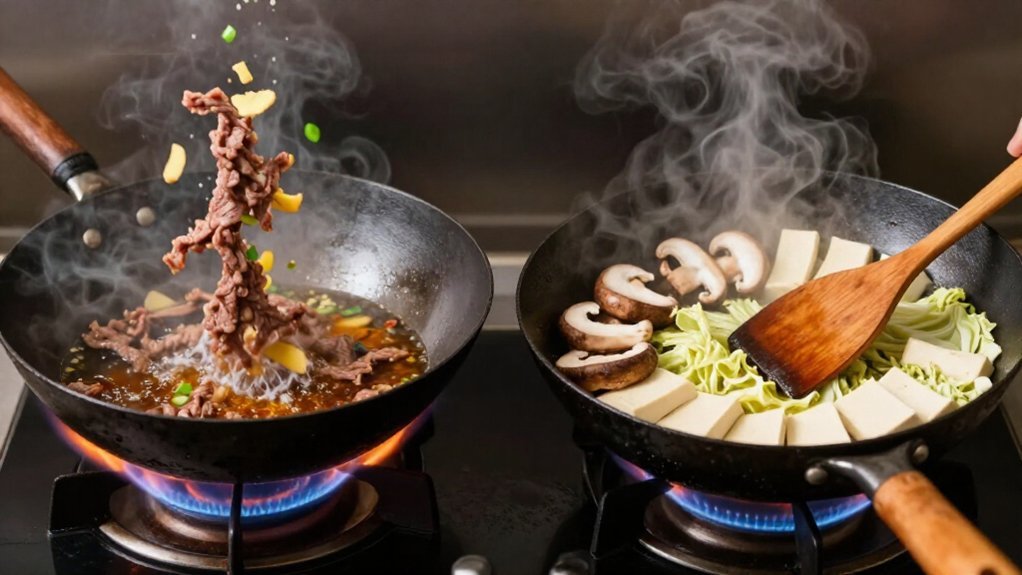
When you’re staring down six hungry people and twenty minutes on the clock, your technique isn’t just preference; it’s survival.
You need a stir-fry technique that delivers. Chinese flash-fry cranks your wok to 600°F, tosses ingredients in smoking oil for 90 seconds, and hits them with sauce at the last possible moment. You’ll get blistered edges, actual crunch, and zero cloying sogginess. It’s brutal, beautiful speed.
Brutal heat, ninety seconds, blistered edges—this is stir-fry stripped to its essence.
Japanese layered stir-fry asks more patience. You’d marinate your pork for twenty minutes minimum, build umami from the aromatics up, and stagger your vegetables, hard stems before tender leaves. The result fascinates, but it doesn’t feed six in twenty.
Choose honestly. Flash-fry when the clock wins. Layer when dinner can wait.
Recommended Products

Durable aluminum construction and corrosion resistant

Innovated Etching Technology:Manufactured in high-quality stainless steel with coating 10 time the durability which offer resistance to scratch and stainless steel tools. Its raised structure makes the non-stick stays intact for longer.
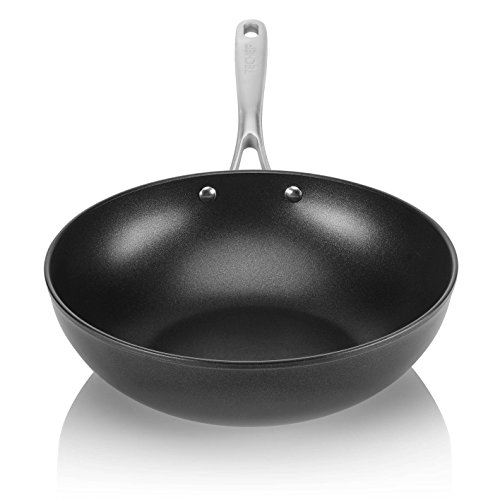
Built for Performance - Extra-heavy gauge and forged aluminum construction distributes heat evenly and prevents hot spots

Ingredient Swaps That Distinguish Chinese From Japanese Stir-Fry
You’ll swap light soy for dark Chinese varieties when chasing that caramelized wok-hei, but Japanese iterations demand usukuchi, a paler, salt-forward sauce that won’t turn cloying under gentler heat. Your oil choice matters too: peanut or lard at smoking temperatures for Chinese flash-fries, versus a restrained pour of neutral oil or sesame for Japanese pan-searing that lets vegetables speak.
When you finish, resist piling on bonito flakes or togarashi unless you’re committed to the Japanese camp, because once that umami bomb hits, there’s no pretending you’re cooking Sichuan.
Recommended Products
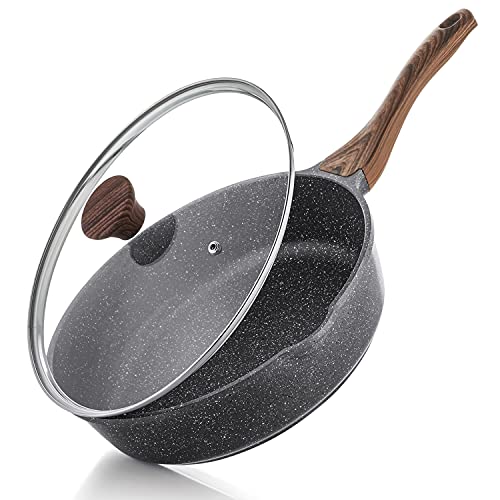
Swiss Non-Stick Coating - Switzerland ILAG nonstick granite coating, free of intentionally added PFOA. Smokeless, safe, and healthy—cook with 80% less oil for a healthier diet.
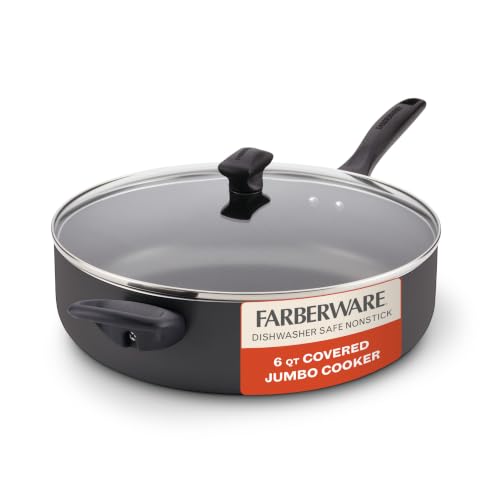
DURABLE, DISHWASHER SAFE COOKING PAN: This dishwasher safe nonstick jumbo cooker features heavy-duty construction that heats fast and evenly

SUPERIOR NONSTICK PERFORMANCE: Anolon Advanced ultimate pan features long-lasting, incredibly smooth, premium nonstick so culinary creations glide with ease from the pan to plate
Soy Sauce Varieties
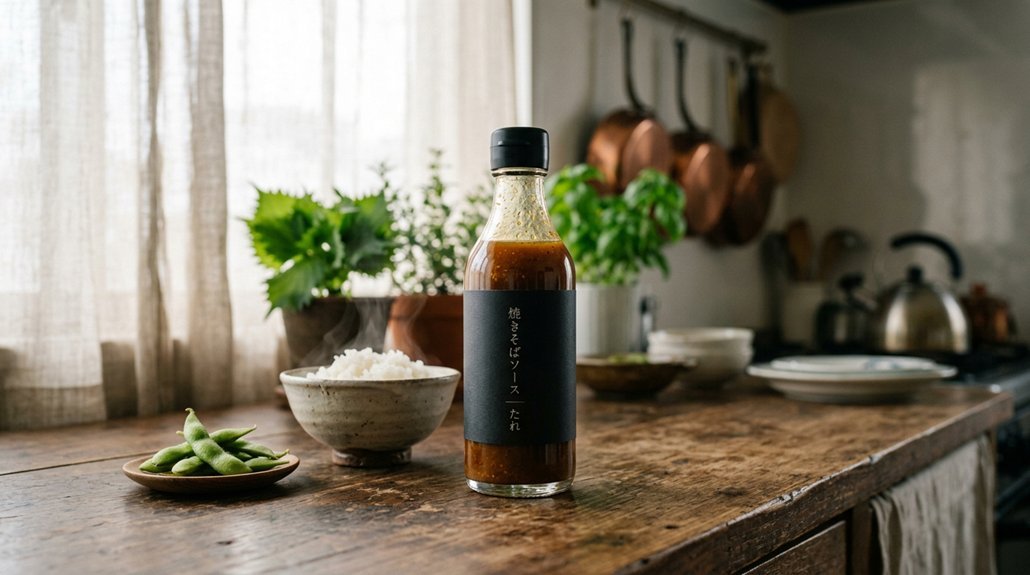
How exactly does a single fermented bean sauce split two culinary worlds? You’re choosing between depth and restraint every time you reach for soy sauce. Chinese stir-fries demand light and dark soy varieties, building bold, salty foundations with pronounced umami. You’ll notice cheaper bottles, saltier punches, and glossier finishes that cling to your vegetables with almost cloying intensity.
Japanese approaches pull back. You’d select tamari or shoyu instead, appreciating their smoother, richer profiles without that aggressive edge. Tamari’s gluten-free credentials matter less than its rounded, almost velvety contribution to the wok.
You’re finishing dishes differently too; Chinese versions hit you with sesame and pronounced soy, while Japanese iterations whisper with nori, bonito, or restrained aromatics. The same fermented bean changes entirely based on your hand’s selection.
Oil Selection Differences
Soy sauce settles the seasoning debate, but oil controls your heat destiny. You’ll wreck a stir-fry by reaching for olive oil; its low smoke point turns bitter before your aromatics even wake up. Instead, grab rice bran oil or avocado oil, both screaming past 400°F without breaking a sweat.
Here’s where Chinese and Japanese methods split. You deep-fry your proteins first, maybe 350°F for two minutes, then finish in a screaming hot wok. That’s your move, not theirs.
Now, sesame oil: you’re drizzling it at the end, never the start. Dark sesame oil, maybe a teaspoon, lands right before serving. It’s pure umami depth, not cooking fuel. Use it wrong, and you’ve got a cloying, burnt mess. Use it right, and you’ve claimed your stir-fry’s soul.
Topping Preferences Contrast
Where do you land when the pan goes quiet and it’s time to crown your stir-fry? You’ll drizzle that darker, toasted sesame oil for bold Chinese finishes, or you’ll hold back with gentler oils in Japanese styles.
You’re building layers: Chinese versions demand mixed sesame seeds, fried onions, and sometimes bonito flakes for deep umami. Japanese choices lean into shiso leaves and fresh chives, cleaner aromatics that won’t overwhelm. You’ve got Sichuan peppercorns and two-phase cooking in one tradition, subtle herbs in the other.
That nutty sesame oil depth signals Chinese authority, while restraint defines Japanese approach. Your finishing move reveals which culinary lineage you actually respect. Choose wisely, nobody likes a cloying, confused bowl.


Technique Rules Japanese Stir-Fry Ignores on Purpose
Why does Japanese stir-fry feel so different on your palate? You’re tasting deliberate rebellion against Chinese convention. Where Chinese wok cooking chases ferocious heat and wok hei, you’ve got Japanese techniques ignoring those rules entirely.
You take your time with aromatics, letting them bloom slowly instead of that aggressive Chinese scorch-and-toss. The two-phase approach means you’re building layers, not racing against smoke. Your vegetables and proteins share exact sizing, saucing happens at precise moments, and finishing toppings replace that heavy gloss you might expect.
You’re working with dashi whispers, soy variants, and sesame so restrained it barely announces itself. No cloying sweetness, no oil-slicked sheen demanding attention. The umami stays clean, almost shy. It’s not failed Chinese stir-fry; it’s confident refusal. You’ve chosen subtlety, and honestly, your tongue thanks you.
Recommended Products

[Wok Set & Cookwares] - KAQINU 14 piece wok pan set includes wok pan with lid, wok spatula, wok brush, wok ring, drain oil rack, chopstick, slotted spatula, spaghetti spoon, slotted spoon, rice spoon, soup ladle, carving fork and apron. Owning this all-in-one Chinese wok pan, make cooking easier, faster and more efficient, then your cooking life will be more handy.

Carbon steel construction - Provides even heat distribution for cooking

Your go-to wok utensils for easy and epic stir fry dishes and more


From Chinese Wok to Japanese Home Kitchen: The Full Technique Evolution
You start by respecting the Chinese wok heritage, that ferocious breath of “wok hei” you can’t truly replicate on a 12,000 BTU home burner. Then you adapt: you grab a $45 flat-bottom carbon steel wok, or honestly just a 12-inch Lodge skillet, because your Japanese kitchen runs on precision, not fireworks.
The technique evolution timeline isn’t betrayal, it’s survival, swapping cloying cornstarch globs for clean umami finishes that let sesame and yuzu speak.
Recommended Products

PRODUCT BASICS: Round Bottom Heavy 14-Inch, 15-gauge (1.8mm) carbon steel wok, commercial grade. Original design by Craft Wok since 2014, with proven quality over the years. Chinese iron wok pan featuring a round bottom for home gas stovetops, professional wok jet turbo fast burners, open fire, BBQ, grills.
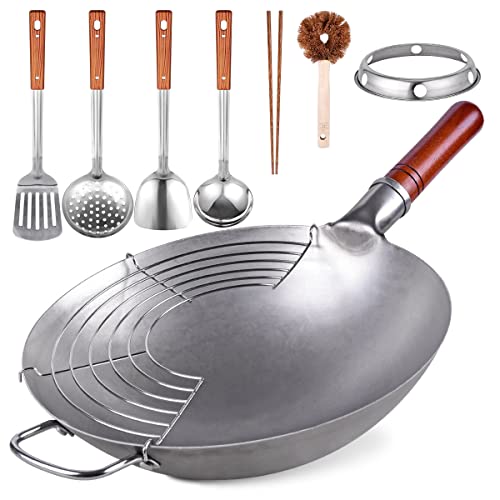
TRADITIONAL HAND HAMMERED WOK: 15 gauge Carbon steel wok made of premium carbon steel, heavy and strong, transfers heat more efficiently, non-chemical coating, health and safety. Each Chinese wok pan is carefully hammered by a professional, is the perfect choice of professional Chinese chefs

Total Diameter: 13.5” | Cooking Surface Diameter: 5.5” | Height (with handle): 6.22” | Depth: 3.82” | Length (with handle): 22”
Chinese Wok Heritage
How exactly did a dome-shaped pan from Canton become the heartbeat of weeknight dinners from Osaka to Okinawa? You trace it back to wok hei, that breath of the wok. You’re searing proteins first, then tossing in vegetables, coating everything in just enough oil. No cloying sauces, no mushy edges.
The technique demands uniformly cut ingredients, aromatics hitting early, and sauces poured off-heat so nothing burns. It’s lightning-fast, umami-forward, and unapologetically precise. You taste that char, that controlled chaos. The rhythm feels almost athletic.
You’ll notice these foundations still matter:
- Proteins cook first, vegetables follow fast
- Generous oil creates that slick, searing surface
- Light, savory sauces avoid heaviness
- Uniform cuts ensure even, rapid cooking
You’re not just copying tradition. You’re inheriting a method built for speed and intensity.
Japanese Home Adaptation
Where exactly does the wok end and the Japanese home kitchen begin? You notice the shift immediately when you stir fry at home in Japan. You’re working with flat-bottom pans now, not screaming carbon steel, so you leave wok hei behind and work with controlled heat instead. It’s not worse, just different: crisp, deliberate, never cloying.
You cook hard vegetables first, then softer greens in two distinct phases. You’d never dump everything together; that’s amateur hour. Your mise en place is military-grade: tofu, chicken, pork sliced into uniform pieces before the flame touches metal.
You build umami with bonito flakes and finish with sesame oil, never during cooking. Shiso, chives, sesame seeds crown your work. The stir fry isn’t Chinese anymore, isn’t fully Japanese. It’s yours: technique borrowed, soul adapted.
Technique Evolution Timeline
The shift from borrowed technique to something unmistakably Japanese didn’t happen overnight. You trace this evolution across generations of home cooks adapting to different tools and tastes. The Chinese wok demanded ferocious heat, generous oil, and that elusive wok hei, the breath of fire that sears proteins in seconds. You’d find Japanese kitchens swapping round bottoms for flat pans, trading scorch for control.
High flames become moderated burners. Wok hei yields to aroma layering. Integrated sauces give way to finishing touches. Speed becomes timed precision.
You notice how Japanese versions deliberately avoid cloying heaviness, building umami through shorter cooking bursts and delicate toppings like sesame and fresh herbs. It’s not inferior, just different. The evolution reflects practical constraints: domestic stoves, available cookware, and a palate that prizes subtlety over theatrical smoke.