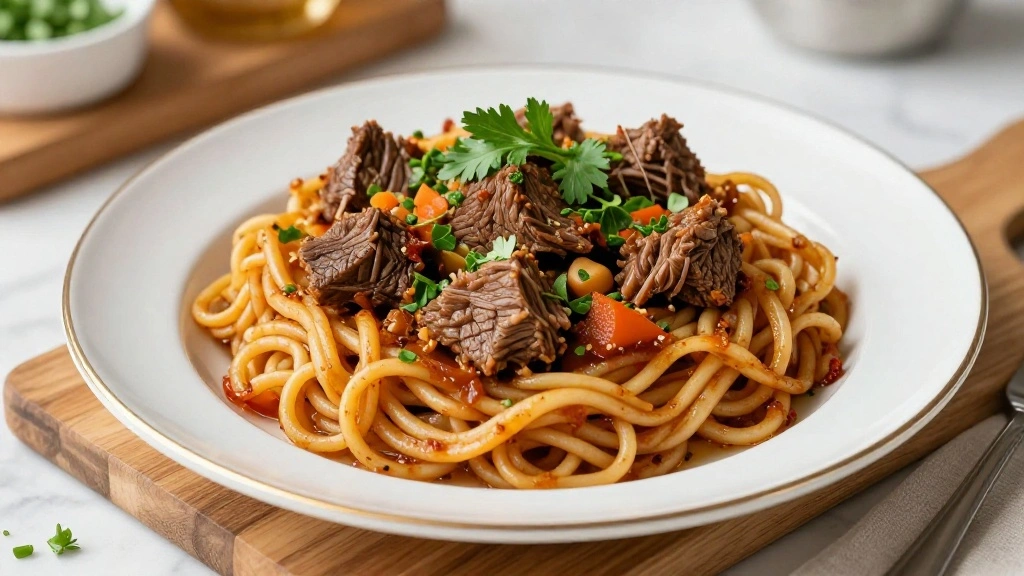

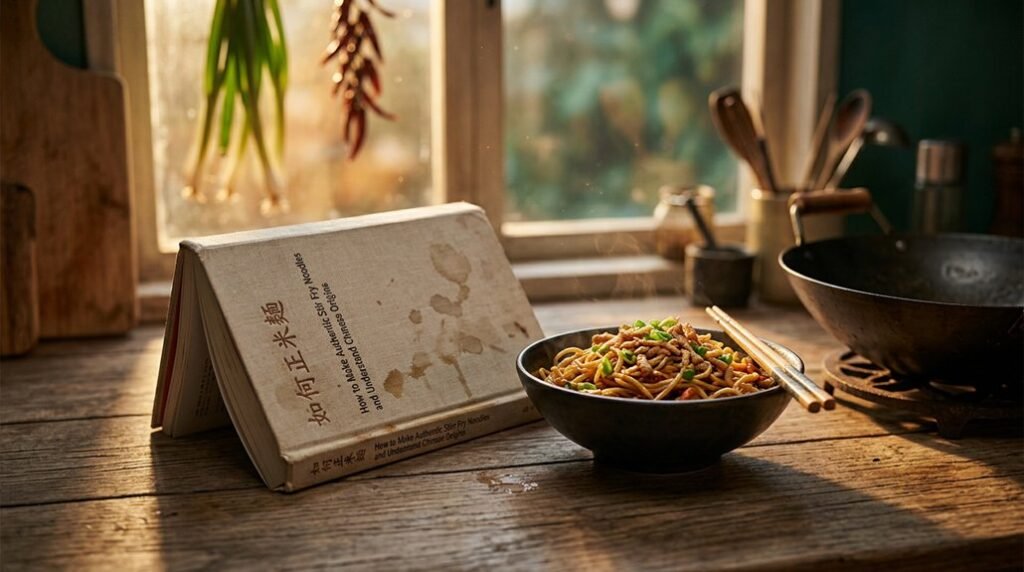


You have never actually tasted real wok hei, and that tragedy ends today. Grab 12 ounces of fresh alkaline noodles for $4 at your local Asian market, boil them 30 seconds shy of done, shock in ice water, drain until painfully dry, then toss with one teaspoon of peanut oil so they don’t clump into a sad, cloying mass.
Your carbon steel wok needs twenty minutes of screaming-high heat, no compromises, because tepid metal kills umami before it begins. You’ll toss ginger and scallion whites in two tablespoons of oil until the edges char, then noodles hit the pan with a sauce built from one tablespoon light soy, one teaspoon dark soy for color, half a teaspoon oyster sauce, and a cornstarch slurry that’ll give you that restaurant gloss you’re chasing.
The whole dance takes ninety seconds, maybe less, and here’s the part nobody tells you: your stove probably isn’t hot enough, your noodles are likely too wet, and you’re overcrowding the pan. Fix one, or quit pretending.
Start With Fresh or Dried Noodles for Stir-Fry
Why settle for soggy takeout when you can nail the foundation yourself? You’re choosing between fresh noodles and dried noodles, and both bring serious game to your wok.
Fresh noodles cook in two minutes flat and soak up sauce like a dream, but you’ll want to pull them thirty seconds early. Carryover heat finishes the job while you toss, keeping that perfect bite without cloying mush. For lo mein-style dishes, this timing is everything.
Pull fresh noodles thirty seconds early—carryover heat finishes while you toss, keeping that perfect bite without cloying mush.
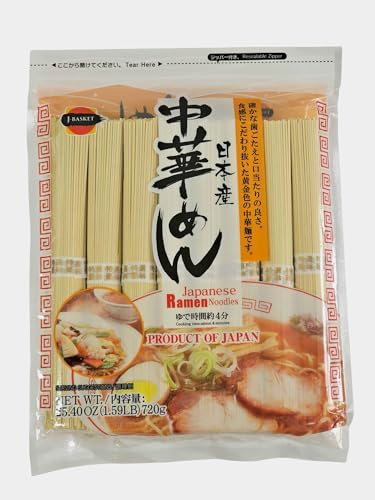
Dried noodles demand patience, around six to eight minutes, but they hold up to heavy sauces. Soak them briefly first to kill brittleness, then boil until just shy of done. Rinse cold, and you’ve got strands that won’t clump or surrender in high heat.
Alkaline noodles, the Sichuan workhorses, stay firm when you’re tossing fast. They’re your insurance against disaster.
Recommended Products

Add a touch of Asian-inspired flavor to your favorite recipes with La Choy Chow Mein Noodles

Includes broccoli florets, Brussels sprouts, broccoli stalk, red cabbage, kale, carrots, snow or snap peas, Teriyaki sauce

GREAT TASTING SINCE 1970s: More than 50 years of heritage to deliver delicious foods and sauces.

Boil and Prep Noodles to Stop Sticking
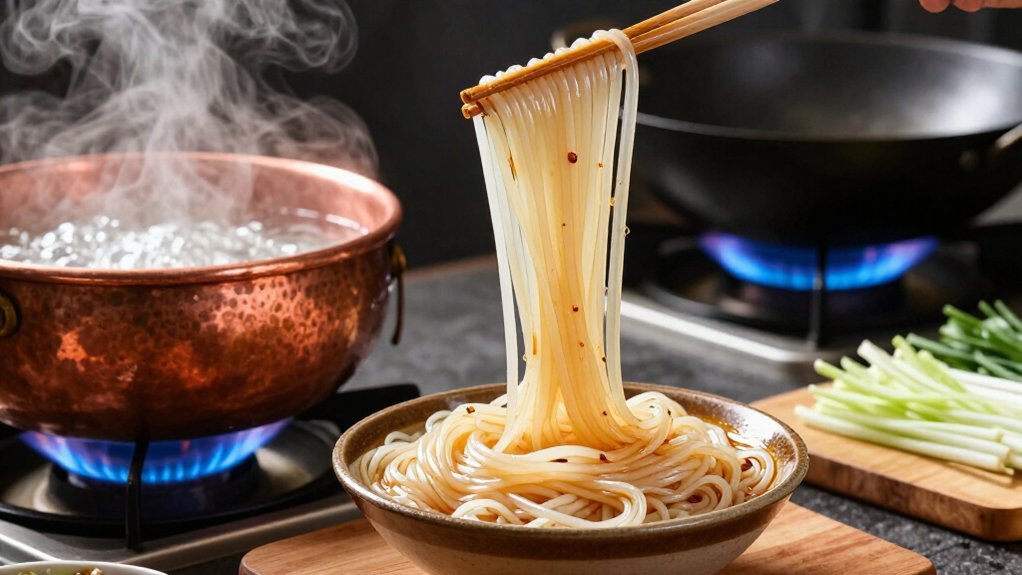
Once you’ve chosen your noodles, you’ll need to nail the boil if you want any shot at wok glory. Bring your pot to a rolling boil, then drop in alkaline noodles and cook them just shy of al dente. You’re chasing chewiness, not cloying mush.
Strain thoroughly and hit them with cold water immediately. This stops carryover cooking and strips away surface starch, that sneaky culprit behind gummy, clumped disasters. If you’re using dried alkaline noodles from Mala Market, trust the package timing; it’s calibrated for that perfect bite.
Toss with a light drizzle of oil, just enough to coat without drowning the umami potential. Now they’re primed for the wok. Skip this prep, and you’ll fight clumping chaos instead of achieving silky, separate strands.
Recommended Products
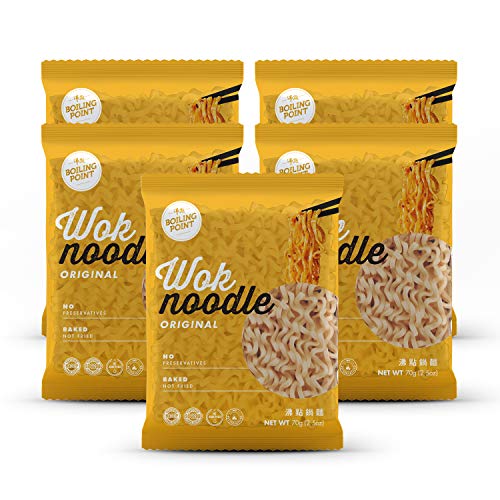
【BP ORIGINAL WOK NOODLE】: An Asian classic comfort food, these noodles are healthy, delicious, and have great texture! Flavorful and colorful. Nutritious meets delicious!
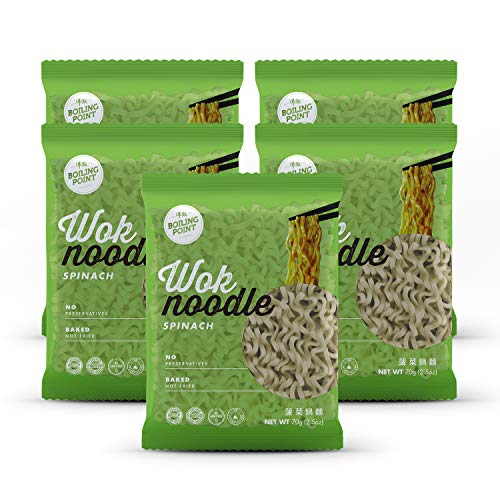
【BP SPINACH WOK NOODLE】: An Asian classic comfort food, these noodles are healthy, delicious, and have great texture! Flavorful and colorful. Nutritious meets delicious!

Notice:Date on the product package is production date.Shelf life: 12 months.Ingredients list:Wheat flour, water, table salt (not iodized), sodium carbonate(≤0.6%) ,crocin


Heat Your Wok and Layer the Aromatics
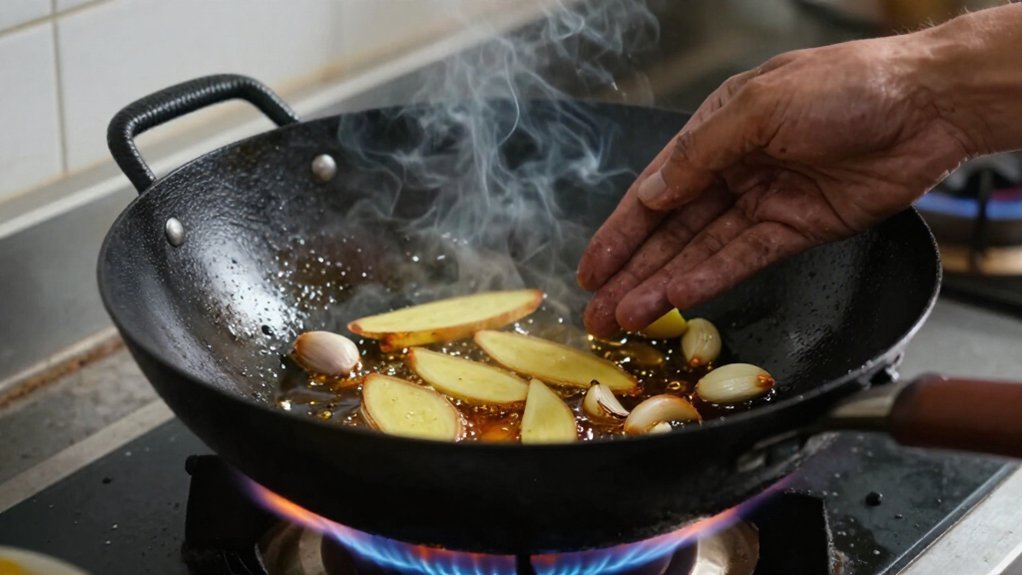
How do you coax real wok hei from your stove without burning your kitchen down? You’ll crank your burner to high heat, then wait. Patience isn’t cloying virtue here: it’s survival. Watch your wok shimmer like a mirage, around 500°F, before you swirl in one tablespoon of neutral oil.
Toss in your aromatics immediately: garlic slivers, ginger matchsticks, four dry chilies. They’ll sizzle violently, blooming their oils in fifteen seconds flat. Don’t dawdle. Add eight huajiao now, crushing their numbing citrus notes into every droplet.
Your kitchen smells like Sichuan heaven. That rapid evaporation you’re hearing, that’s wok hei forming. Layer vegetables and protein next, each grabbing that seasoned oil before the noodles unite everything. Move fast, stay focused.
Recommended Products
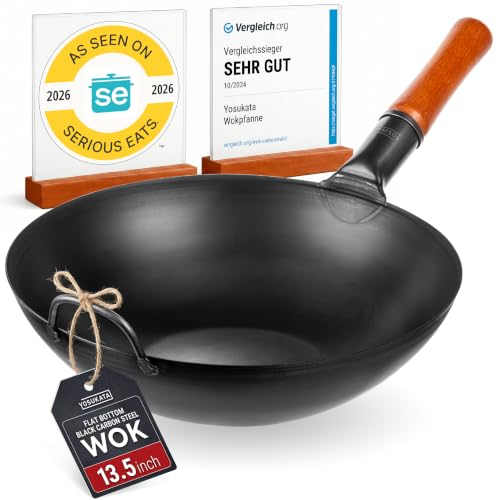
GENUINE TASTE: Bring authentic wok flavor to your kitchen or outdoor cooking with the YOSUKATA 13.5” flat-bottom carbon steel wok. Designed to lock in juices and flavors, this deep wok pan is ideal for preparing Chinese, Japanese, Thai, and other Asian dishes — the perfect fried rice pan for home or professional use

PRE SEASONED & NONSTICK: Tired of rusty woks? SUMEIGUAN carbon steel wok is pre-cured and engineered with advanced Nitriding technology. This treatment fundamentally transforms the steel, creating a dense, molecular-level shield against rust. The result is a wok with exceptional resistance to rust, scratches, and corrosion—ready to cook right out of the box. Built to last up to 3 times longer than ordinary wok pans, this is the only wok you’ll need in your kitchen.

GENUINE TASTE: Bring rich, traditional Asian flavors to your kitchen or campsite. The YOSUKATA 14-inch carbon steel authentic wok with round bottom is specially crafted to lock in moisture and flavor. Ideal for Chinese and Japanese cuisine, this xl wok is designed for use as a camping wok, open fire cookware and BBQ wok


Build a Balanced Soy Sauce Base
You need to nail the ratio, or your sauce will flop hard. Start with two parts light soy sauce to one part dark; the light brings salt and clean umami, while the dark adds that mahogany color and subtle sweetness without turning cloying.
Skip the cheap supermarket bottles. Grab something like Pearl River Bridge Superior Light and Dark, and you’re building a foundation that actually tastes like something.
Recommended Products

Best Of Thailand Noodles

ORGANIC LO MEIN NOODLES - This flat Chinese-style pasta, resembles fettucine. Popular as the traditional staple food of North China and familiar to generations of Americans as the noodles used in Chinese restaurants.

The information below is per-pack only
Choosing the Right Sauce Ratio
Why does your stir fry taste flat when the recipe looks right on paper? You’ve probably botched the soy sauce ratio.
Here’s the fix: combine 2 parts light soy sauce with 1 part dark soy sauce, then add 1 part oyster sauce or Shaoxing wine. Light soy delivers that clean salinity and brightness. Dark soy brings molasses depth and that gorgeous amber glaze. Start with 1–2 tablespoons total, taste, and scale. You can always add more, but oversalting kills a dish dead.
Now, here’s where magic happens. Whisk a cornstarch slurry into your base. This binds everything, creating that glossy, clingy coating you crave. Without it, your sauce pools sadly at the bottom of the wok. Nobody wants that tragedy.
Balancing Light and Dark Soy
Rarely does a single ingredient wield such quiet power over your stir fry’s soul. You’ll build your foundation on light soy sauce, which delivers salt and umami while staying thin enough to coat every noodle.
Don’t skip the dark soy sauce. It brings caramel depth, that gorgeous mahogany color, and a whisper of molasses sweetness to balance the fire.
Your ratio matters. Heavy proteins need more light soy to cut through richness. Delicate vegetables want less dark soy to avoid cloying heaviness. Start with two parts light to one part dark, then taste and adjust.
A splash of oyster sauce or pinch of sugar rounds things out, adding gloss without masking the soy’s integrity. Trust your palate. It’s smarter than any recipe.


Stir-Fry Noodles Step-by-Step: Timing That Matters
Because timing separates restaurant-quality stir-fry from sad, clumpy takeout, you’ll want to treat your noodles like a racehorse, not a slow cooker. Mastering stir-fry noodles demands precision at every stage.
You’ll boil alkaline noodles until just shy of al dente, maybe 30 seconds early, then shock, drain, and toss with neutral oil so they don’t glue together. Get your pan ripping hot, then cook ground pork until the fat renders and the edges turn crisp. Pull it immediately; it goes from perfect to dry in seconds.
Fry your aromatics, ginger and huajiao and chilies, until fragrant but not scorched. Add vegetables, then everything returns to the pan. Toss constantly with soy sauces, zhacai, and scallions. Finish with ground huajiao, adjusting oil so it’s saucy, never cloying.
Recommended Products

No hydrogenated fats or high fructose corn syrup allowed in any food


Naturally Brewed – Made from Non-GM soybeans, this premium dark soy sauce offers a rich, mellow taste with subtle sweetness and less saltiness than light soy sauce. Its umami depth, making it ideal for recipes that require a rounder, more developed flavor profile without overwhelming the dish.


Fix Soggy or Sticky Noodle Problems
You’ve boiled your noodles to that perfect, slightly resistant bite, rinsed them cold, and tossed them with a thin sheen of oil, yet somehow they’re still clumping into a cloying, glutinous mess by the time you add sauce. The culprit is almost always moisture, heat management, or both: crowded pans steam instead of sear, turning your prospective umami bomb into a sad, waterlogged tangle.
Get your wok screaming hot, work in small batches, and add those noodles only when your aromatics and sauce stand ready to coat, not soak.
Recommended Products

Add a touch of Asian-inspired flavor to your favorite recipes with La Choy Chow Mein Noodles

Stir fry-style noodles in delicious Asian takeout-inspired sauce

The next time you crave Chinese food, simply reach in your cupboard for Nissin Teriyaki Vegatable Chow Mein
Noodle Texture Control
Why do your noodles turn into a gummy, clinging mess when you’re chasing that perfect wok hei? You’re sabotaging yourself before the stir fry even begins.
Pull your noodles from boiling water a full minute early, when they still resist your bite with quiet defiance. Shock them immediately under cold running water, that surface starch swirling down the drain where it belongs, and watch the cloying threat of clumping dissolve.
Drain them viciously. Blot with a towel if you’re serious about texture, because excess moisture kills chewiness faster than bad soy sauce kills umami. Toss now with a light oil, creating your armor against the wok’s heat.
Cook small batches, move fast, keep that flame high. Your noodles stay alive, springy, ready. That’s control. That’s victory.
Common Sticking Causes
You mastered texture control, yet your noodles still betray you in the wok, clumping like desperate strangers at a party nobody wanted to attend. You’ve done everything right, yet something cloying and wrong lurks in every bite. The umami fades beneath starch-heavy, gummy strands that refuse to separate.
Here is what’s sabotaging your stir fry:
- You’re crowding your pan, trapping steam that sog-fies your noodles instead of searing them crisp.
- You skipped draining and cooling, leaving surface starch that makes noodles stick to everything, including your vegetables.
- You skimped on oil or tossed naked noodles into a screaming hot wok, creating friction that binds.
- You doused hot noodles with cold sauce too early, killing evaporation and inviting clumps.
Fix these, and your noodles finally cooperate.


Try Cantonese Lo Mein or Sichuan Chaomian Styles
Once you’ve mastered the basics, it’s time to pick a lane: the refined elegance of Cantonese lo mein or the fiery swagger of Sichuan chaomian. With lo mein, you’ll grab alkaline or egg noodles and toss them at screaming heat with soy, oyster, and sesame oil. Stop before the sauce turns cloying; you’re after a glossy sheen, not a puddle.
Chaomian demands more attitude. You’ll crush huajiao and dried chilies into hot oil until your kitchen smells like adventure. Add zhacai, ground pork, and a splash of dark soy cut with sugar. The noodles stay firm, coated in that numbing, savory punch.
Both styles live or die by wok hei. Nail the timing, or you’re just eating lunch, not art.
Recommended Products

Country Of Origin: United States


28.2 ounce Bag