
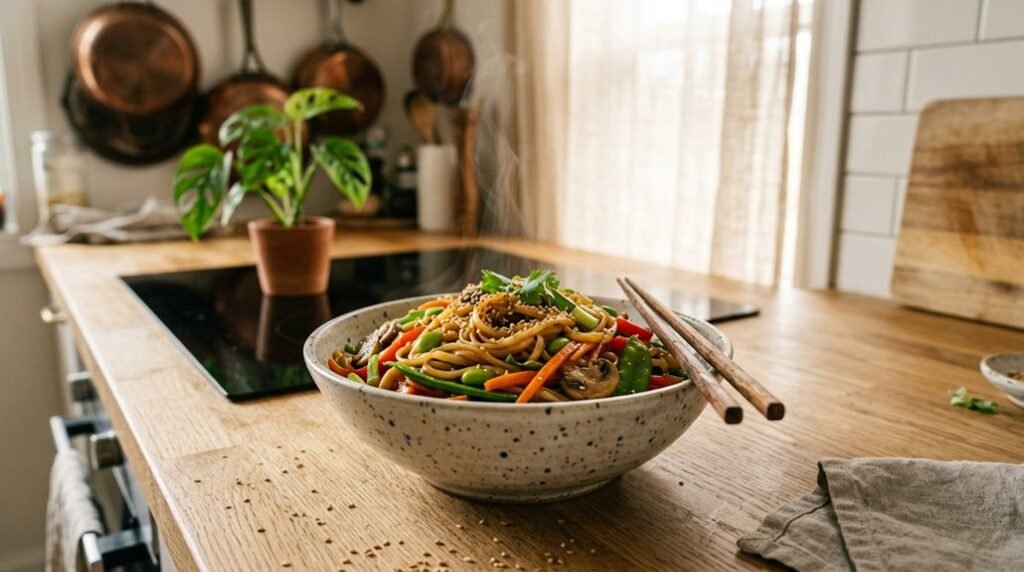


When Marcus swapped his greasy takeout habit for homemade stir-fry, he dropped fifteen pounds without counting a single calorie. You’ll want to start with whole grain soba, about eight ounces for four bucks, or rice noodles if gluten’s your enemy.
Skip the cloying bottled sauces; they taste like candy and lie about their sodium. Instead, you’ll build real umami from scratch. The secret isn’t fancy technique. It’s timing, heat, and refusing to let your vegetables turn to mush. Ready to actually enjoy eating your vegetables?
Choose the Best Noodles for Healthy Stir Fry
What’s the secret to a stir fry that actually satisfies? It starts with picking the right noodles. You’re looking for texture that fights back, strands that won’t turn cloying and limp when you toss them in blazing heat.
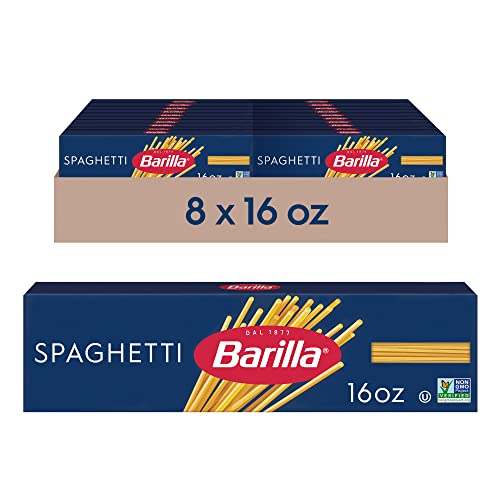
Thicker, longer noodles win here: lo mein, udon, or even spaghetti when you’re desperate. Whole grain soba brings earthy umami with that buckwheat backbone, though some brands cut it with wheat so check labels if you’re gluten-free.
Reach for noodles with backbone—lo mein, udon, or even desperate spaghetti. Soba carries earthy umami, but check labels for hidden wheat.
Rice noodles work beautifully for gluten-free stir fry, absorbing sauce without getting gummy. Skip thin vermicelli; they’ll overcook before your vegetables blister.
Finish your noodles in the skillet, not the pot. Let them drink up seasoning while staying chewy. That’s where flavor lives.
Recommended Products

Authentic Japanese buckwheat noodles

Rich, nourishing soba noodles made from 100 percent buckwheat flour, an ancient health food; despite the name, buckwheat is not wheat and not related to wheat
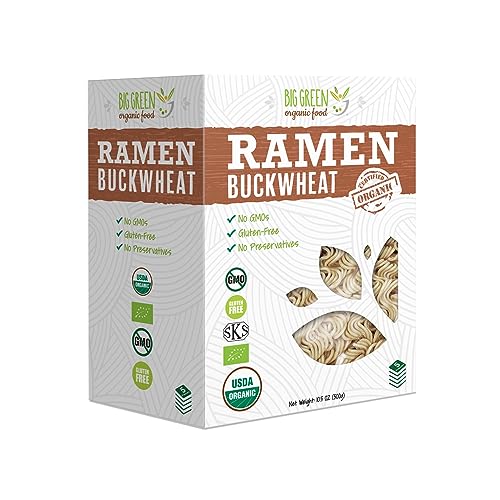
[SINGLE INGREDIENT & GLUTEN FREE]: Big Green Organic Food brings to you organic buckwheat ramen, where we use only 100% organic buckwheat flour, nothing else. You can finally enjoy eating the most pure organic soba. Take care of your guts starting with Big Green Organic Food.


Prep Noodles, Sauce, and Vegetables First
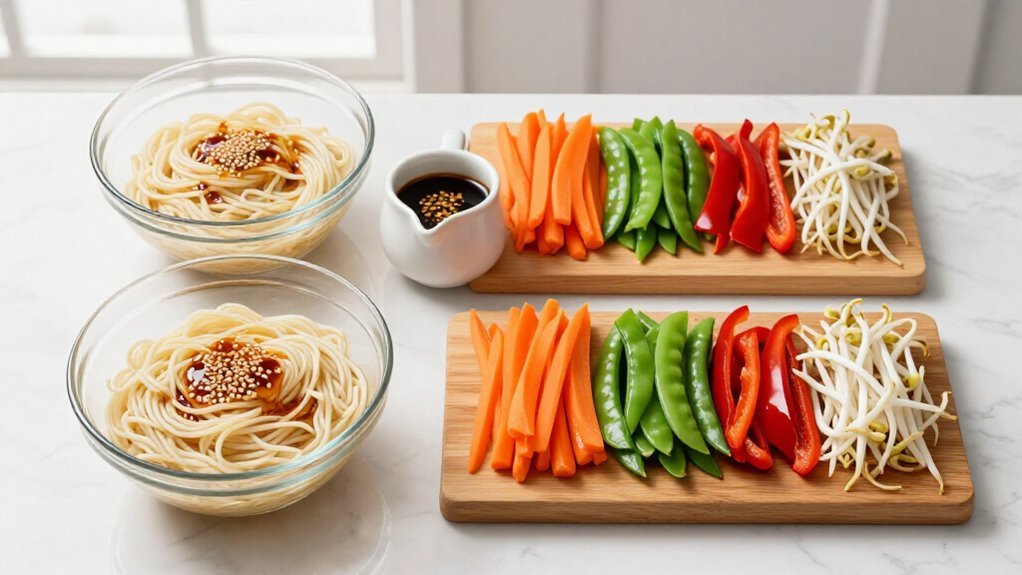
You’ll want to knock out your mise en place before that wok ever hits the flame. Cook your noodles to package specs, drain them, then toss them back in the pot with exactly one teaspoon of sesame oil so they don’t clump into a sad, gluey mass.
Whisk your sauce ingredients in a measuring cup or jar until that umami balance hits just right, not too sharp, not cloying.
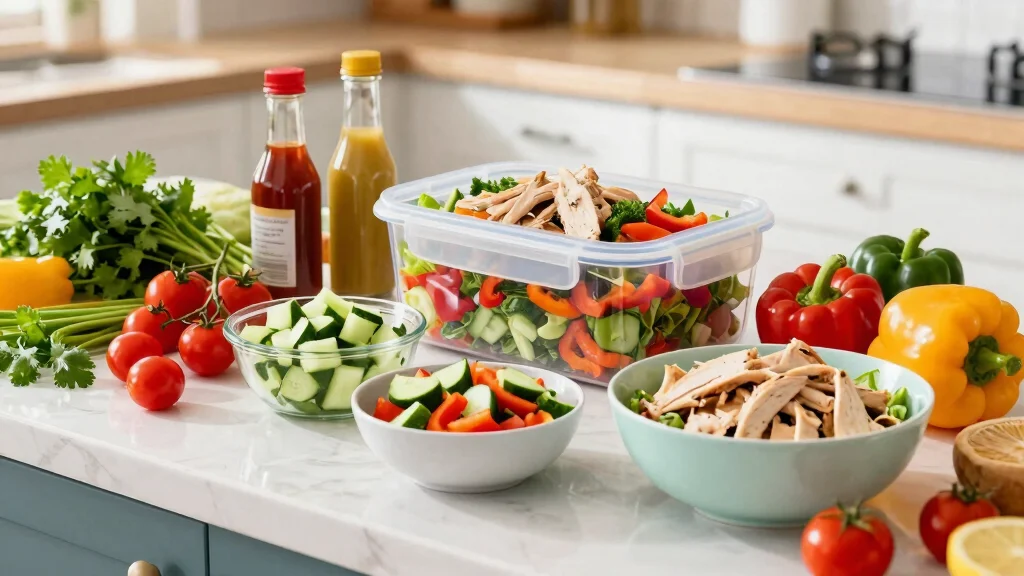
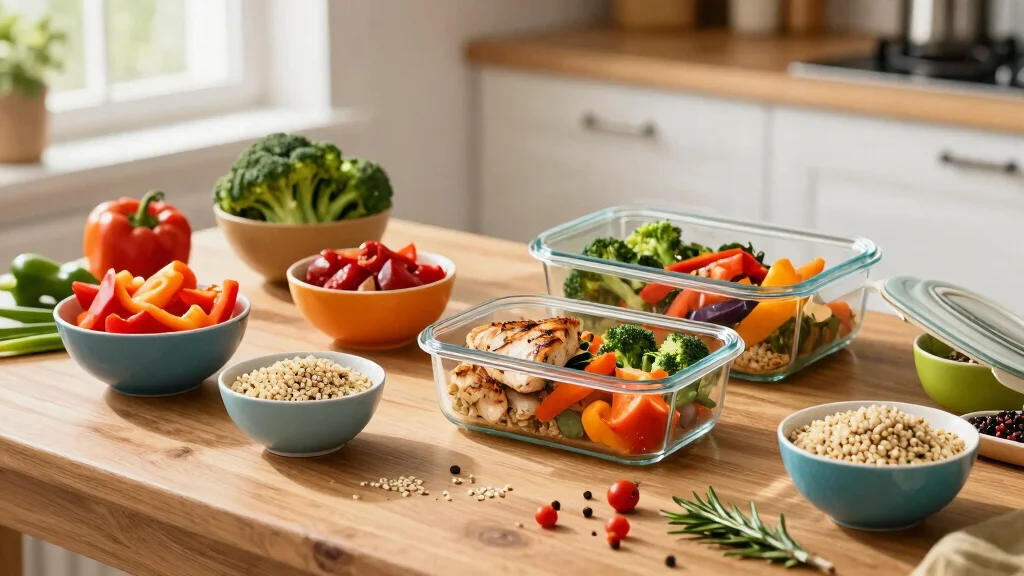
Prep your vegetables into distinct piles, those hardy carrots and broccoli first, then the quick-wilting greens. Trust me, scrambling for a missing ingredient mid-stir-fry is a rookie mistake you don’t need to make twice.
Recommended Products

STEAMED NOT FRIED: Every batch of rice noodles is steam cooked and slowly dried

Steamed rice noodles, not fried

Noodle Selection Tips
Why settle for mushy, clinging noodles when you can nail the texture every single time? Start by selecting noodles that’ll hold up to high heat.
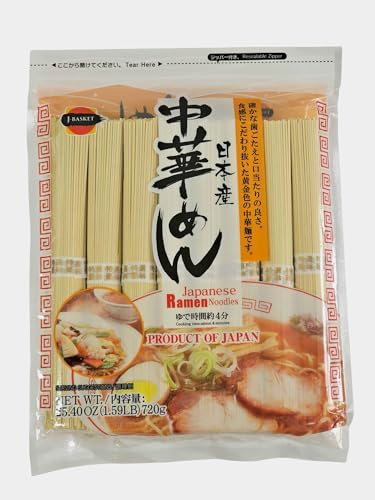
Classic wheat egg noodles deliver that chewy, umami-rich base for lo mein or chow mein styles. Soba brings earthy depth without cloying heaviness. Rice noodles work beautifully if you’re gluten-free; they absorb sauce without turning gummy. Udon satisfies with substantial, almost bouncy bites. Even budget-friendly ramen, seasoning packet discarded, becomes something respectable.
Cook your noodles al dente according to package directions, drain thoroughly, return them to the pot, and toss with one teaspoon sesame oil. This prevents sticking while you complete your mis en place.
Slice vegetables and mix your sauce now. You’re building rhythm; everything moves fast once the wok fires up.
Sauce Preparation Steps
With your noodles dressed and waiting, turn your attention to the real flavor engine: the sauce. You can’t wing this; cloying, unbalanced sauces ruin otherwise perfect stir-fries.
Grab your 1-cup measuring cup. Whisk together soy sauce, rice vinegar, sesame oil, garlic, ginger, and a touch of honey or brown sugar. You’re building layers: salty, tangy, sweet, umami. A teaspoon of cornstarch ensures thickening sauce later, not soupy disappointment. Whisk until smooth; lumps are the enemy.
Now combine ingredients thoroughly. Taste it. Adjust. This stir-fry sauce waits patiently while you work.
When the moment comes, you’ll pour into pan after your noodles hit the heat. The sauce simmers, reduces, clings. That’s the magic: glossy, coating, done right.
Vegetable Prep Guidelines
Three things need to hit your cutting board before the flame ever ignites: noodles, sauce, and vegetables. Mis en place isn’t fancy chef talk; it’s your insurance against disaster.
Cook those noodles per package directions, drain, return to pot, and toss with 1 teaspoon sesame oil to prevent sad, clumpy strands. Whisk your stir fry sauce in a measuring cup or jar; the umami balance matters, and nobody wants a cloying mess.
Now, vegetables. Slice them into noodle-friendly sizes, think matchsticks or thin coins, so everything tangles together beautifully. Prep completely before your wok or skillet ever heats. Stir frying waits for no one.
When you’re ready, combine noodles, vegetables, and sauce, then simmer about 3 minutes until the sauce thickens and vegetables turn tender-crisp. Victory smells like sesame and soy.


Cook Noodles to Al Dente and Drain
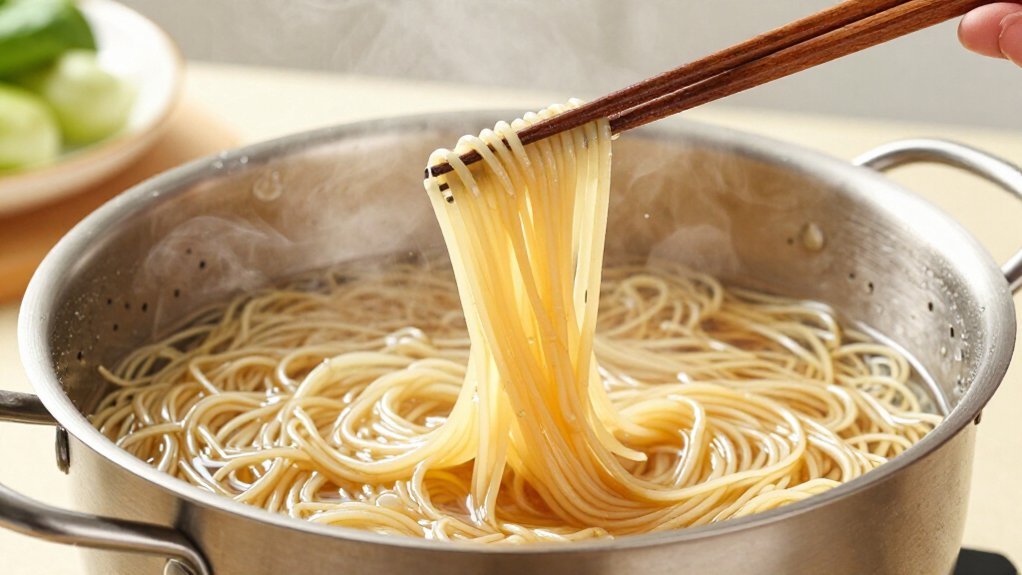
You’ll want to nail the cooking time, because mushy noodles turn cloying fast, and nobody’s here for that tragedy. Drain them confidently in a colander, no hesitation, then hit them immediately with that teaspoon of sesame oil, it’s your insurance policy against the dreaded sticky clump.
Trust the package directions as a baseline, but start testing a minute early; al dente means a slight resistance when you bite, not a crunch, and that texture is what lets the umami from your sauce cling instead of slide off.
Recommended Products

AUTHENTIC JAPANESE NOODLES - Udon Noodles are thick, Japanese noodles that can be eaten cold or hot. KA-ME’s Udon Stir Fry Noodles are perfect for traditional Japanese dishes or in an easy stir fry with vegetables and sauce.

Asian style chow mein stir-fry noodles

Add a touch of Asian-inspired flavor to your favorite recipes with La Choy Chow Mein Noodles
Cooking Time Guidelines
How do you nail that perfect bite without ending up with a gummy mess? You cook your noodles strictly according to package directions until they hit that sweet al dente point, then drain them immediately and return them to the pot. Toss them with one teaspoon of sesame oil to prevent sticking.
You’ll prepare your stir fry sauce separately in a measuring cup or jar, whisking until combined. Sauté mushrooms and vegetables in a hot skillet first then cook quickly once you add noodles and sauce. The whole dish finishes in about 15 minutes total.
Simmer everything together for three additional minutes until the sauce thickens and vegetables soften without turning cloying. That timing builds proper umami without overcooking anything into mush.
Draining Technique Tips
Once your noodles hit that perfect al dente bite, you can’t just dump them in a colander and call it a day. You need to drain noodles with intention, or you’ll sabotage your stir-fry before it even hits the pan.
Drain thoroughly, shaking that colander like you mean it, because excess water creates a cloying, diluted sauce that refuses to cling. Return drained noodles to the hot pot immediately; you’re not done yet. Toss noodles with 1 teaspoon sesame oil. This isn’t optional; it’s your insurance policy against the dreaded clump.
If you’re using gluten-free noodles, especially rice varieties, give them extra attention. They hold water like a grudge and will turn mushy on you.
Get this right, and your umami-rich sauce will coat every strand. Skip it, and you’ll wonder why dinner fell flat.


Sear Protein in a Hot Skillet
A screaming-hot skillet is your best friend here, and if your pan isn’t hot enough to make you flinch back slightly when you add the oil, you’re already losing the battle.
You’ll want to marinate your protein first, maybe a quick toss with soy sauce, because that umami depth doesn’t happen by accident. Lay it flat, don’t crowd, and let it sear hard. Two minutes per side builds that crust you crave.
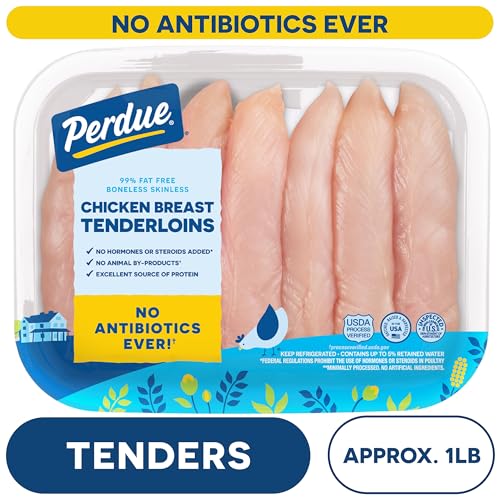
You’re cooking this fast, hot pan working its magic. Pull the protein at nearly done, around 145°F for chicken, because it’ll finish later. Overcooking now means rubbery regret when you toss everything back together with the vegetables and noodles.
Cook fast, pull chicken at 145°F—overcooking now means rubbery regret later.
That savory sear adds texture without cloying heaviness. You’re building layers, not mush.
Recommended Products
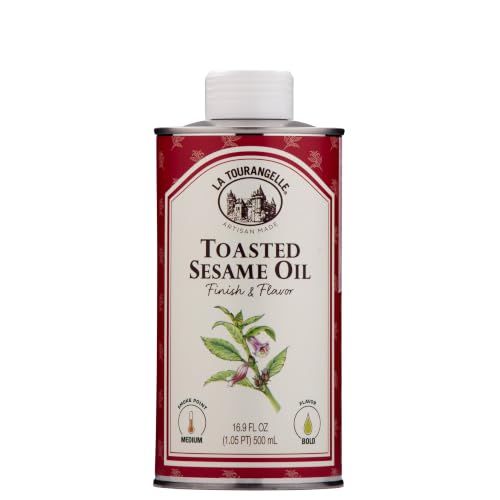
A Traditional Touch: Sesame oil has long been giving its characteristic flavor to traditional Asian food. Discover the complex and award winning flavor of our Toasted Sesame Oil for a distinct flavor in stir-fry, fried rice, noodles or marinades.

A Traditional Touch: Sesame oil has long been giving its characteristic flavor to traditional Asian food. Discover the complex and award winning flavor of our Toasted Sesame Oil for a distinct flavor in stir-fry, fried rice, noodles or marinades

AUTHENTIC JAPANESE‑STYLE SESAME DRESSING: KEWPIE Deep‑Roasted Sesame Dressing & Marinade delivers a rich, bold sesame flavor with a nutty aroma that enhances salads, cold pasta, grilled veggies, and more.


Sauté Vegetables Until Crisp-Tender
Why settle for soggy vegetables when texture’s half the battle? You’ll want your sautéed vegetables to deliver that perfect crisp-tender bite that keeps each forkful interesting, not cloying.
Start by heating olive oil in a 12-inch skillet over high heat. Add mushrooms first; they’ll need 5 to 6 minutes to release their water and develop golden, umami-rich edges.
Then toss in heartier players like carrots and peppers before finishing with quick-cooking snow peas and cabbage. Here’s how you nail it:
- Slice everything noodle-sized so it cooks evenly, no awkward chunks
- Maintain high heat throughout; low heat steams vegetables into submission
- Cook mushrooms until edges crisp, not just wilted
- Pull vegetables while vibrant, since carryover cooking continues
Stop before full tenderness. You’re building layers, not mush.
Recommended Products

A blend of Kikkoman soy sauce, sesame oil, garlic, oyster sauce, and Asian seasonings

The information below is per-pack only


Toss Noodles, Protein, and Veggies With Sauce
Your vegetables are holding their crisp-tender edge, and now it’s showtime.
Add your cooked protein and those vibrant vegetables back to the pan first. Pour in your prepared sauce and the near-al dente noodles, then toss everything together with purpose. You’re not stirring grandma’s soup; you’re executing a proper stir fry. Keep that heat high and work fast. The residual warmth finishes your noodles while they drink up that savory sauce, no cloying sweetness needed.
You’ll toss for just 30 to 60 seconds. That’s it. Longer means soggy vegetables and gummy noodles, the mark of an amateur. This isn’t a simmering stew; it’s controlled chaos where umami meets texture.
When everything glistens and clings, you’re done. No eggs yet, no garnishes. Those wait their turn.
Recommended Products
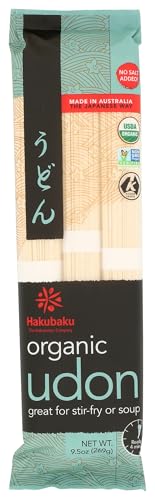
Authentic Japanese udon noodles

Made from premium buckwheat

[SINGLE INGREDIENT & GLUTEN FREE]: Big Green Organic Food brings to you organic buckwheat capellini, where we use only 100% organic buckwheat flour, nothing else. You can finally enjoy eating the most pure organic soba. Take care of your guts starting with Big Green Organic Food.


Simmer Until Sauce Thickens and Coats
How do you know when you’ve crossed from good stir fry into great? You’ll watch your sauce change from thin and forgettable to a glossy glaze that clings to every strand.
Keep your pan hot and don’t stop tossing. You’re aiming for vegetables that surrender just enough, crisp-tender, not cloying mush. This isn’t passive cooking; you’re actively building umami with every movement.
Simmer your noodles and vegetables together for exactly 3 minutes. Watch the sauce reduce until it coats the back of your spoon. Maintain that crisp-tender bite in your vegetables through constant tossing. Stop when you see that signature glaze, not a second later.
You’ve got 15 minutes total, so this finishing phase demands your full attention. The difference between decent and unforgettable happens right here, in these final simmering moments.
Recommended Products

GLUTEN FREE RAMEN NOODLES: Try our whole grain ramen noodles with brown rice and millet flour. They're certified gluten-free, made with ethically sourced ingredients, and taste simply incredible

TRUE TO THAILAND - Our Pad Thai Rice Noodles are made using traditional methods from heirloom brown rice to create nutritious noodles rich in flavor

Thai Kitchen Thin Rice Noodles are made from rice using a traditional steam-cooked method


Top With Sesame Seeds and Serve
That glossy sheen on your noodles means you’re not done yet. Grab a generous tablespoon of sesame seeds and sprinkle them over your stir fry; this garnish isn’t mere decoration. It’s the finishing touch that adds nutty depth without cloying sweetness.
Scatter those crisp green onion tops too, just before you serve. You’ll preserve that ideal crisp-tender bite, the bright sauce still singing, not soggy. This moment matters. Serve immediately, or you’re wasting your work.
You’ve built something genuinely better than takeout. This healthier-than-takeout stir fry proves quick cooking doesn’t mean flat flavor. That final sprinkle turns a weekday meal into something you’d actually photograph. It’s not pretentious; it’s earned. Dig in while it’s hot.
Recommended Products

ORGANIC LO MEIN NOODLES - This flat Chinese-style pasta, resembles fettucine. Popular as the traditional staple food of North China and familiar to generations of Americans as the noodles used in Chinese restaurants.

Best Of Thailand Noodles

Add a touch of Asian-inspired flavor to your favorite recipes with La Choy Chow Mein Noodles


Store and Reheat Leftovers Safely
Why let good noodles go to waste? You’ll store those leftovers right, and they’ll sing again tomorrow. Transfer them to an airtight container within two hours, then refrigerate for two to three days max. Freezing’s a gamble, texture changes turn those springy strands mushy, so skip it unless you’re desperate.
Leftover noodles deserve a second chance—store them airtight, refrigerate within two hours, and skip the freezer unless desperate.
Your reheating strategy matters. Here’s how you revive the magic:
- Reheat on the stovetop with a splash of broth, medium-high heat, two minutes
- Microwave in thirty-second bursts, stirring between, add extra sauce to prevent drying
- Adjust sweetness if it’s gone cloying, bump salt or soy for umami balance
- Swap in sesame or chili oil to wake up tired flavors
Cold works too, straight from the fridge, when you’re lazy. Don’t judge, we’ve all been there.
Recommended Products
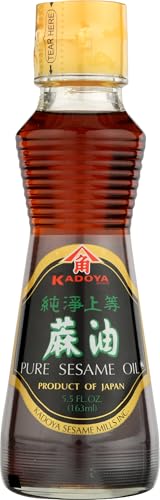
Kadoya Pure Sesame Oil.

Use it as seasoning or dressing

What You Get: One 13.5 oz. bottle of P.F. Chang’s Home Menu Sesame Sauce