


Crispy Breakfast Potatoes Recipe with Garlic and Herbs
4 medium russet potatoes
3 tablespoons olive oil
1 teaspoon salt
1 teaspoon black pepper
1 teaspoon paprika
3 cloves garlic
2 tablespoons fresh rosemary
2 tablespoons fresh parsley
PT35M
4 servings
There’s something magical about the aroma of crispy breakfast potatoes wafting through the kitchen on a sunny morning.
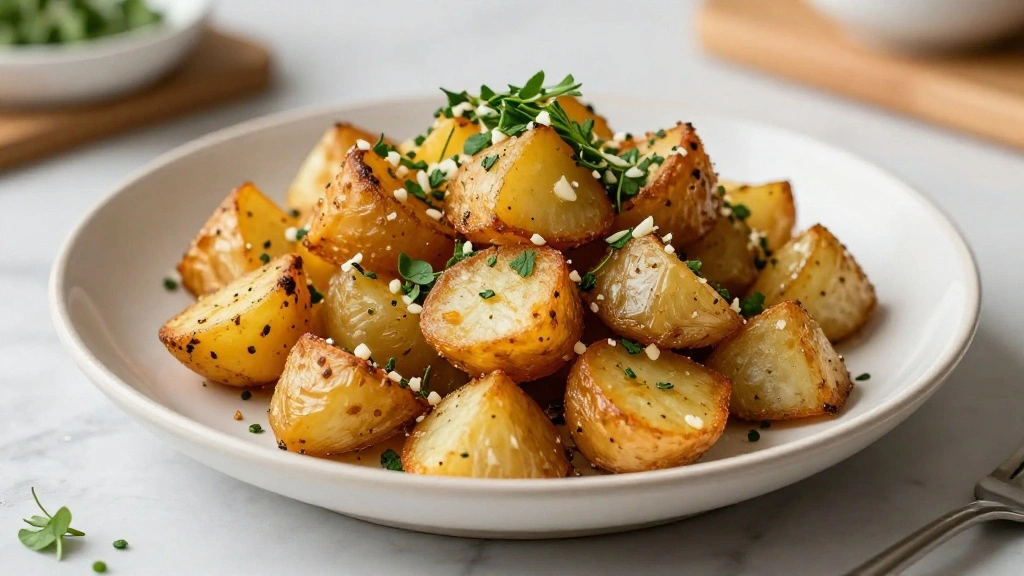
These golden, crunchy bites are the epitome of comfort food, offering a perfect blend of savory flavors that awaken your senses.
With a simple yet delightful combination of garlic and herbs, they’re sure to bring everyone to the table with smiles.
Whether paired with eggs or served as a standalone dish, these potatoes are versatile enough for any breakfast spread.
Having perfected this recipe through years of trial and error, I’m excited to share it with you to elevate your breakfast game.
So, gather your ingredients and prepare to indulge in a breakfast classic that promises crispy perfection with every bite.
The History and Cultural Significance
• Crispy Breakfast Potatoes traces its origins to 19th-century America, where it was originally created by home cooks utilizing leftover potatoes.
• The dish evolved over decades as the inclusion of various herbs and spices became popular, eventually becoming the beloved version we know today.
• In American culture, this dish traditionally appears at weekend brunches, symbolizing warmth and togetherness.
• While many variations exist across different regions, the authentic version maintains a crispy exterior and tender interior that sets it apart from imitations.
Recipe Overview
Nutritional Information (per serving)
Essential Equipment Guide
Cast Iron Skillet: A cast iron skillet is crucial for achieving the perfect crispy texture. Its ability to retain heat ensures even cooking and a delightful crust. Alternatives like non-stick pans can work, but won’t provide the same searing capabilities. When selecting, look for a well-seasoned skillet for best results.
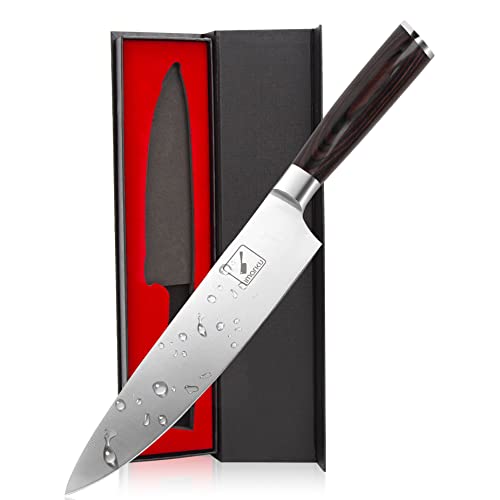
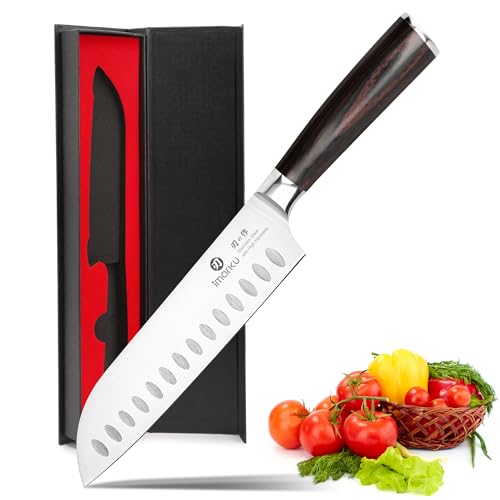
Sharp Chef’s Knife: A sharp chef’s knife is important for dicing potatoes into uniform pieces, ensuring even cooking. Alternatives include a mandoline or a food processor with a dicing attachment, but precise hand-cutting offers better control. Choose a knife with a comfortable grip and a well-balanced blade.
Large Mixing Bowl: A large mixing bowl is essential for evenly coating the potatoes with oil and seasonings. While any large bowl can work, stainless steel options are recommended for durability. Look for a bowl with high sides to prevent spills during mixing.

Ingredients
For the Potatoes
| Amount | Ingredient | Notes |
|---|---|---|
| 4 medium | russet potatoes | peeled and diced into 1/2-inch cubes |
| 3 tablespoons | olive oil | for crispiness |
Seasonings
| Amount | Ingredient | Notes |
|---|---|---|
| 1 teaspoon | salt | enhances flavor |
| 1 teaspoon | black pepper | adds heat |
| 1 teaspoon | paprika | adds color and smoky flavor |
For the Aromatics
| Amount | Ingredient | Notes |
|---|---|---|
| 3 cloves | garlic | minced, for depth of flavor |
| 2 tablespoons | fresh rosemary | chopped, for aromatic herbiness |
| 2 tablespoons | fresh parsley | chopped, for garnish |


Preparation Methods
Parboiling: Parboiling is a technique used to partially cook potatoes before frying. This step ensures the interior becomes tender while the exterior crisps up beautifully. Boil the diced potatoes in salted water for about 5 minutes, then drain and cool before frying.
Pan-Frying: Pan-frying involves cooking the potatoes in hot oil to achieve a crispy exterior. It’s important to maintain medium-high heat to avoid sogginess. Stir occasionally to ensure even browning, but avoid constant stirring to allow a crust to form.
Herb Infusion: Herb infusion involves adding fresh herbs to the hot oil during the final minutes of cooking. This technique imparts a fragrant aroma and enhances the overall flavor profile. To master this, add herbs once potatoes are nearly done, and toss gently to coat.


Step 1: Prepare Ingredients
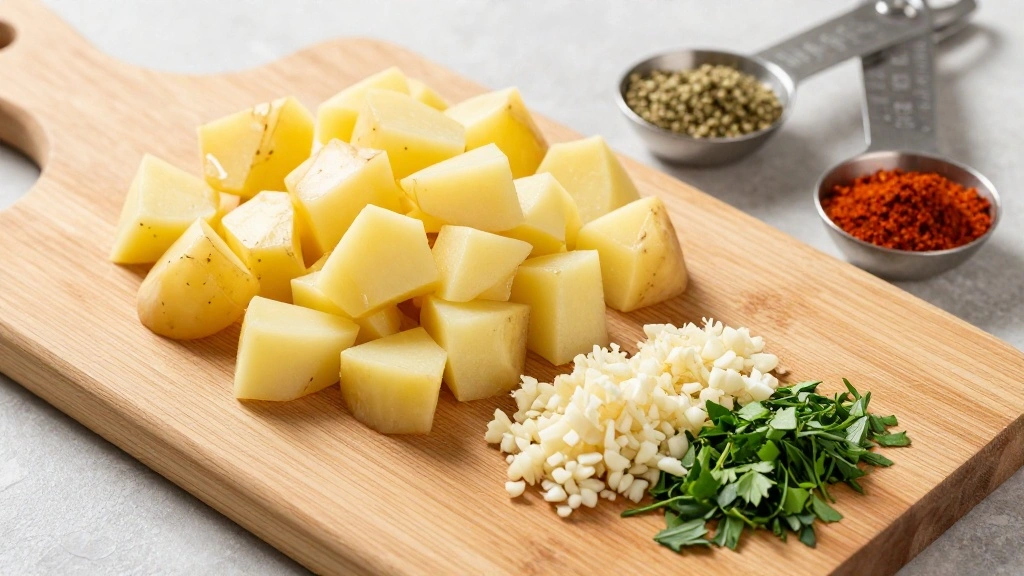
Peel and dice the russet potatoes into 1/2-inch cubes.
Gather and measure all remaining ingredients to ensure you have everything on hand.
Make sure the garlic is minced and the herbs are chopped before starting.
Organize your workspace to streamline the cooking process.


Step 2: Parboil the Potatoes
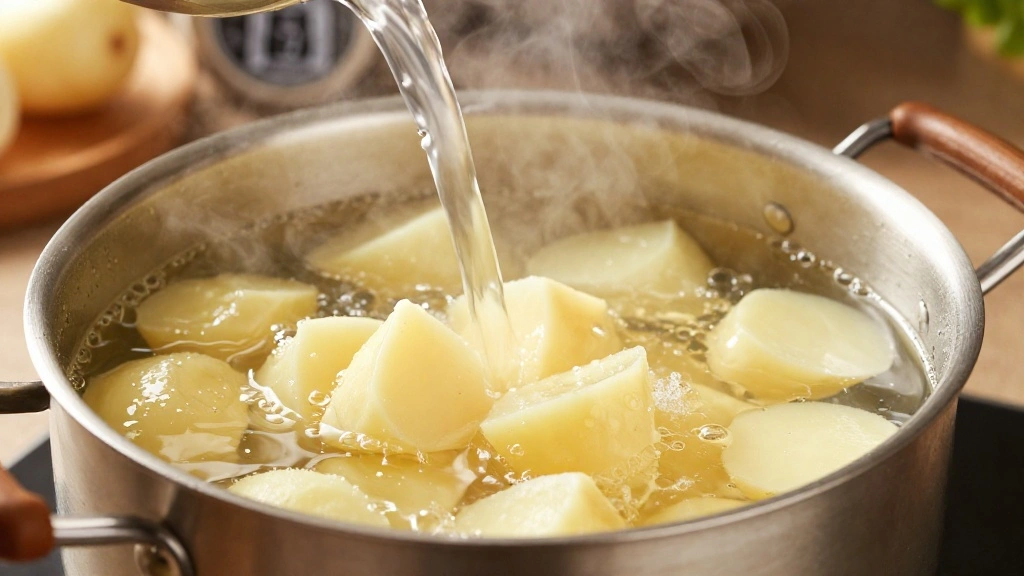
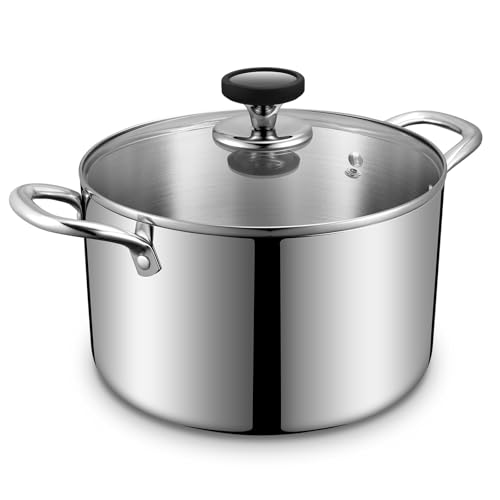
Fill a large pot with water and add a pinch of salt.
Bring the water to a boil over high heat.
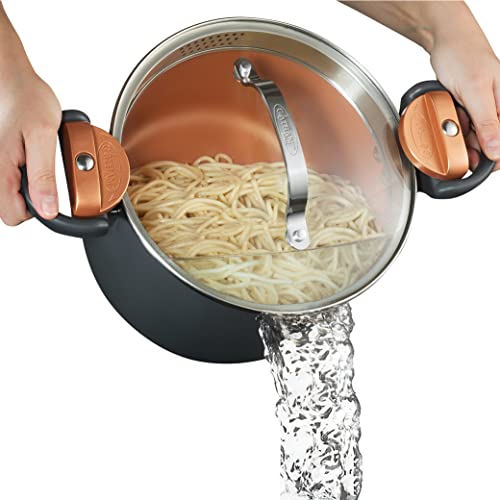
Add the diced potatoes and parboil for about 5 minutes until slightly tender.
Drain the potatoes and let them cool for a few minutes.

Step 3: Heat the Skillet
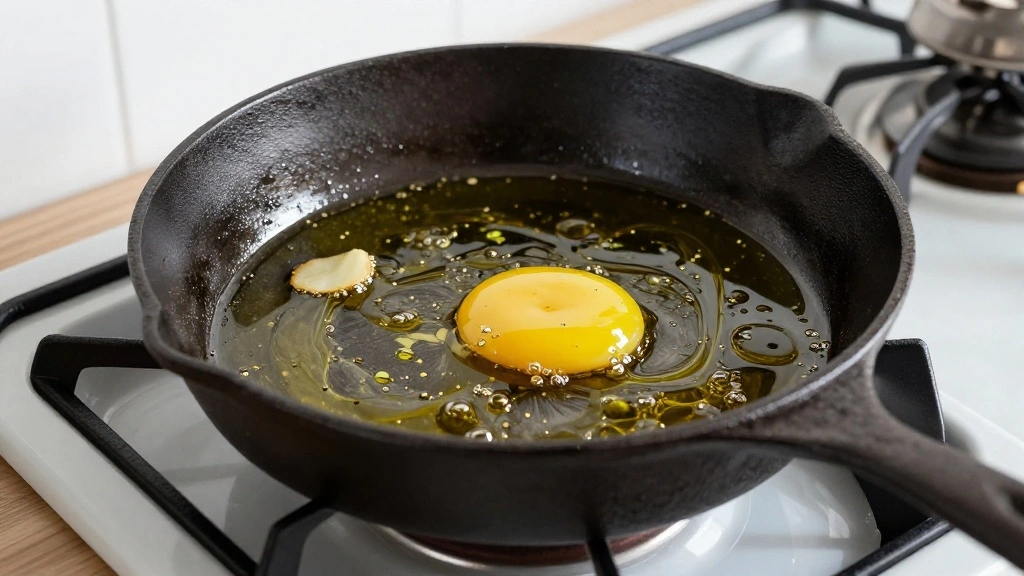
Place a cast iron skillet on the stove over medium-high heat.
Add olive oil to the skillet and allow it to heat until shimmering.
Ensure the oil covers the bottom of the skillet evenly.
Test the oil’s readiness by adding a small piece of potato; it should sizzle immediately.
Step 4: Fry the Potatoes
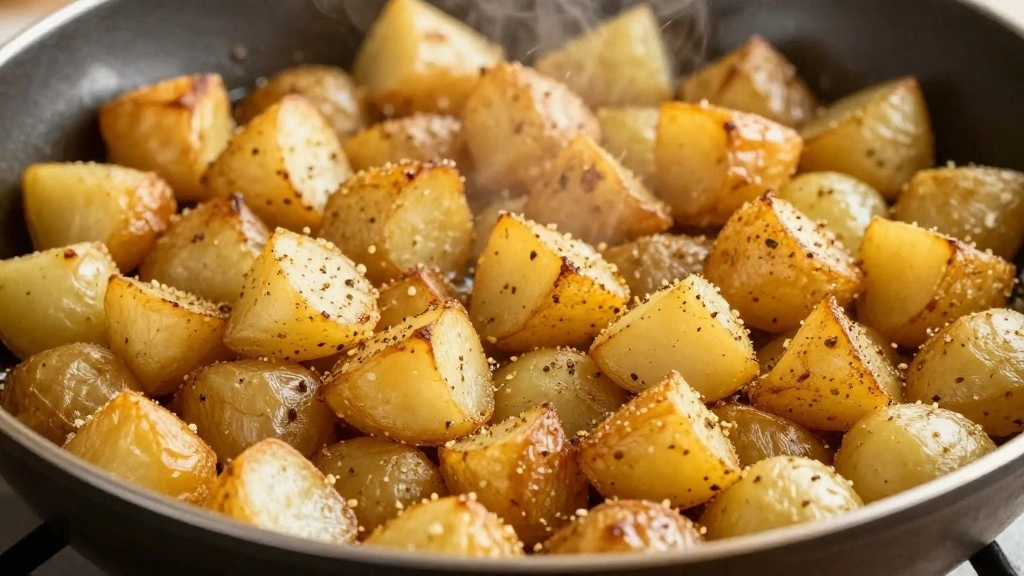
Carefully add the parboiled potatoes to the hot skillet in a single layer.
Season with salt, black pepper, and paprika to taste.
Allow the potatoes to fry undisturbed for about 5 minutes to develop a crust.
Stir gently to turn the potatoes and ensure even browning.

Step 5: Infuse with Garlic and Herbs
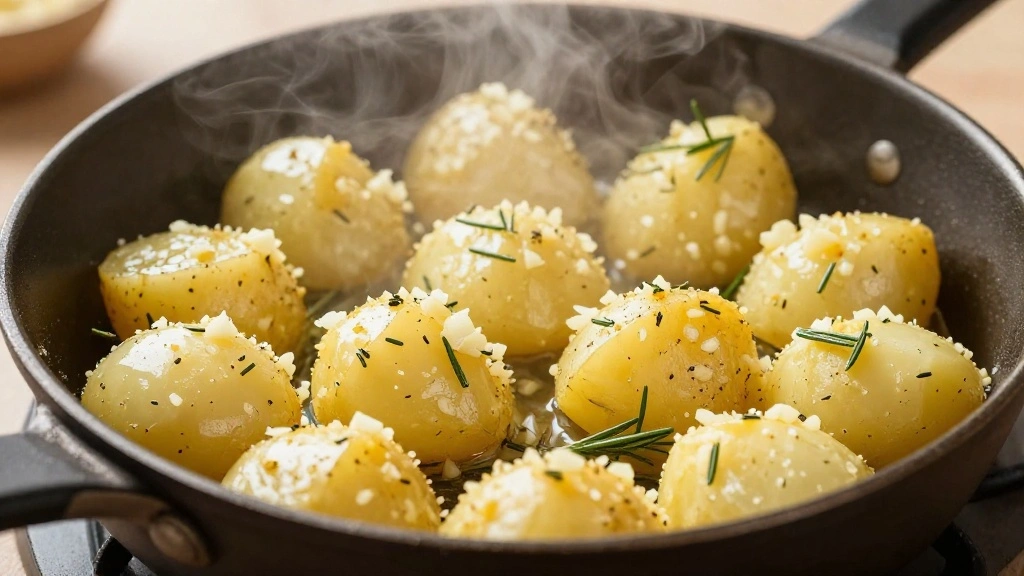
Add the minced garlic to the skillet and stir to combine with the potatoes.
Sprinkle the fresh rosemary over the potatoes to infuse flavor.
Continue cooking for another 5 minutes, stirring occasionally.
Ensure the garlic becomes fragrant without burning.
Step 6: Check for Doneness
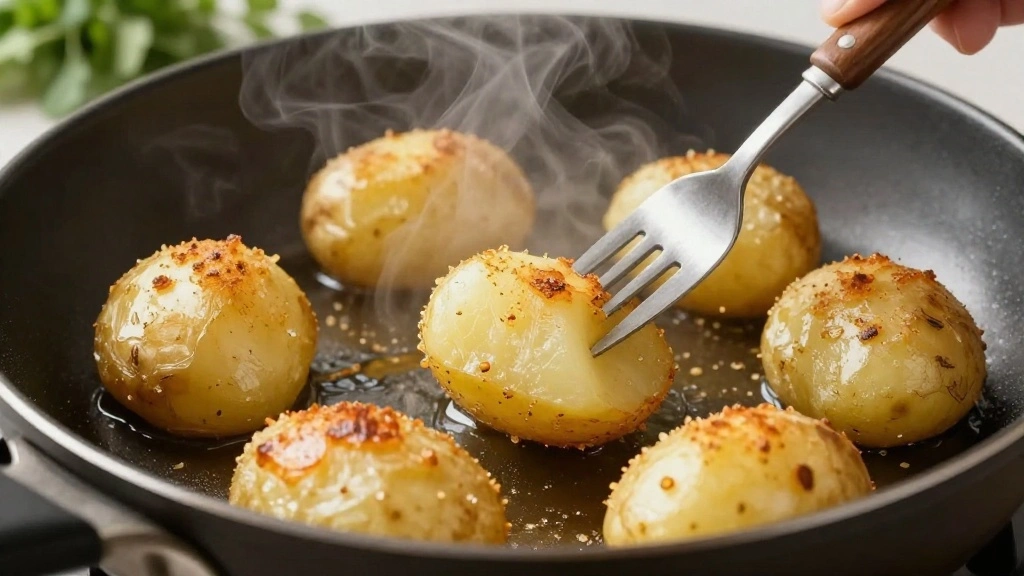
Test the potatoes for doneness by piercing with a fork; they should be tender inside.
The exterior should be golden brown and crispy.
Taste and adjust seasoning as necessary.
Remove from heat once the desired texture is achieved.
Step 7: Garnish and Serve
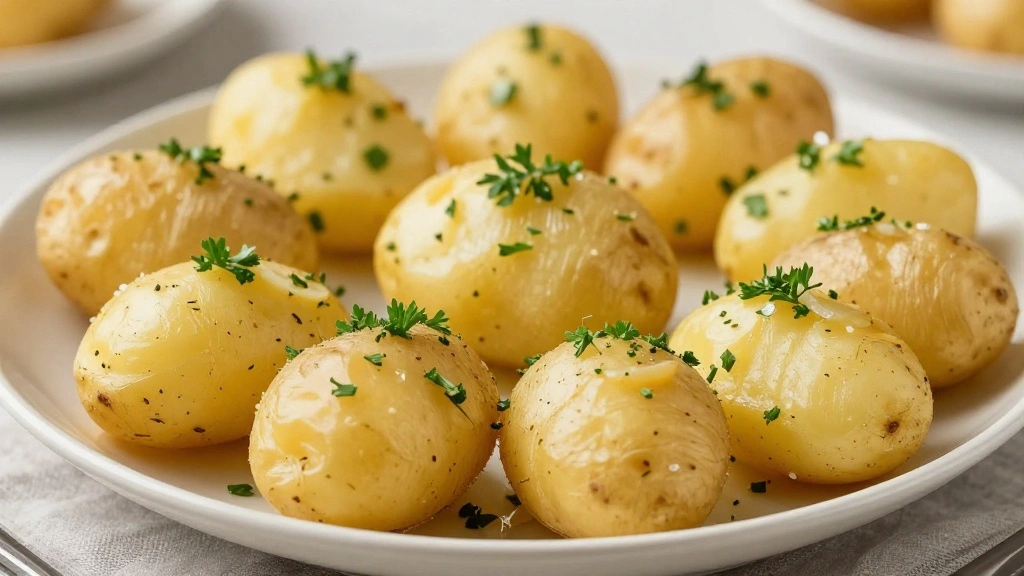
Transfer the crispy potatoes to a serving platter.
Sprinkle fresh parsley over the top for a burst of color.
Serve immediately while hot and crispy.
Consider pairing with eggs or other breakfast favorites.
Step 8: Clean Up
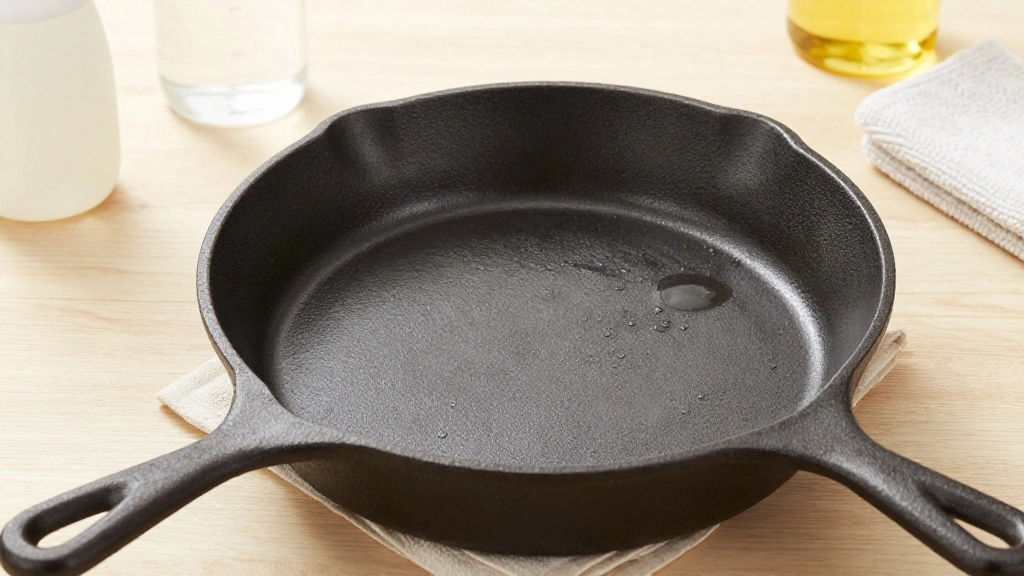
Allow the skillet to cool slightly before cleaning.
Use a soft sponge to clean the skillet, avoiding abrasive pads.
Dry the skillet thoroughly to prevent rust.
Re-season if necessary to maintain the skillet’s non-stick surface.
Critical Timing and Temperature Guide
Parboiling: Parboil potatoes for exactly 5 minutes in boiling water. Look for a slightly tender texture. Avoid overcooking to prevent mushiness.
Frying: Maintain a medium-high heat (around 375°F) for frying. Potatoes should sizzle upon contact. Avoid crowding the pan to ensure even cooking.
Herb Infusion: Add herbs during the last 5 minutes of frying. Ensure they become fragrant without burning. Monitor closely to prevent bitter flavors.
Pro Tips for Crispy Breakfast Potatoes
• Ingredient Selection: Choose russet potatoes for their high starch content, which ensures a crisp exterior and fluffy interior.
• Preparation Secret: Allow parboiled potatoes to cool completely before frying to enhance crispiness.
• Temperature Management: Keep the skillet consistently hot to achieve a perfect sear on the potatoes.
• Texture Enhancement: Avoid stirring too frequently during frying to allow a crust to form.
• Flavor Layering: Use fresh herbs instead of dried for a more vibrant and aromatic flavor profile.
• Make-Ahead Strategies: Parboil potatoes a day in advance and store in the fridge to streamline morning prep.
• Restaurant-Quality Finishing Touches: Finish with a drizzle of truffle oil for an elevated flavor experience.
• Equipment Optimization: Preheat the skillet thoroughly before adding oil to ensure even heat distribution.
Troubleshooting Common Issues
• Potatoes Too Soggy: Soggy results often stem from overcrowding the skillet or low frying temperature. Fry in batches and ensure the oil is hot enough.
• Flavors Too Bland: Under-seasoning is a common issue. Taste and adjust salt and spices as needed during cooking.
• Burnt Garlic: Garlic burns easily if added too early. Add during the last few minutes of frying to prevent bitterness.
• Uneven Cooking: Unevenly diced potatoes can cause inconsistent cooking. Aim for uniform pieces for even results.
• Sticking to the Pan: Potatoes may stick if the skillet isn’t hot enough or lacks oil. Preheat the pan and add sufficient oil before frying.
Variations and Regional Differences
• Spanish Patatas Bravas: This version includes a spicy tomato sauce drizzled over the potatoes, offering a fiery kick and a tangy contrast.
• German Bratkartoffeln: Incorporates bacon and onions for a smoky, savory twist, traditionally served with schnitzel.
• Indian Aloo Fry: Features turmeric and cumin seeds for a warm, earthy flavor, often served with naan or roti.
• Mexican Papas con Chorizo: Combines potatoes with spicy chorizo sausage, yielding a hearty and flavorful breakfast dish.


Food Science Behind the Recipe
• Maillard Reaction: This chemical reaction occurs between amino acids and reducing sugars, creating the golden brown crust and enhancing flavor.
• Starch Gelatinization: Parboiling initiates this process, breaking down starches and allowing for a fluffy interior.
• Heat Conduction: Cast iron skillets excel at conducting heat evenly, crucial for achieving uniformly crispy potatoes.
Frequently Asked Questions
What’s the most common mistake people make when preparing Crispy Breakfast Potatoes? Overcrowding the skillet, which leads to steaming rather than frying, is a frequent mistake. Fry in batches for best results.
Can I use other types of potatoes? While russet potatoes are ideal for crispiness, Yukon Golds can also work if you prefer a creamier texture.
How do I prevent my garlic from burning? Add garlic during the last few minutes of cooking and monitor closely to avoid burning.
Can I make this recipe ahead of time? Yes, you can parboil the potatoes a day in advance and store them in the fridge until ready to fry.
Why are my potatoes sticking to the pan? Ensure the skillet is properly preheated and well-oiled to prevent sticking.
How can I add more flavor? Experiment with different herbs and spices like thyme, smoked paprika, or cayenne pepper for added depth.
Can I bake instead of fry? Yes, baking at 425°F for 20-25 minutes can yield crispy results, though frying provides a superior texture.
Serving and Presentation Guide
• Traditional Presentation: Serve in a rustic bowl garnished with fresh parsley and a side of ketchup or aioli.
• Family Style: Present on a large platter with serving spoons, encouraging guests to help themselves.
• Elegant Brunch: Pair with a poached egg and a sprig of rosemary for a sophisticated touch.
• Casual Buffet: Set alongside other breakfast favorites like bacon and scrambled eggs for a complete spread.


Conclusion
Crispy breakfast potatoes are a timeless classic that brings warmth and satisfaction to any breakfast table.
By following this recipe, you’ll master the art of achieving perfectly crispy, flavorful potatoes every time.
Whether enjoyed with family or shared with friends, these potatoes are sure to become a beloved staple in your home.
So gather your ingredients, heat up your skillet, and savor the deliciousness of homemade crispy breakfast potatoes.