
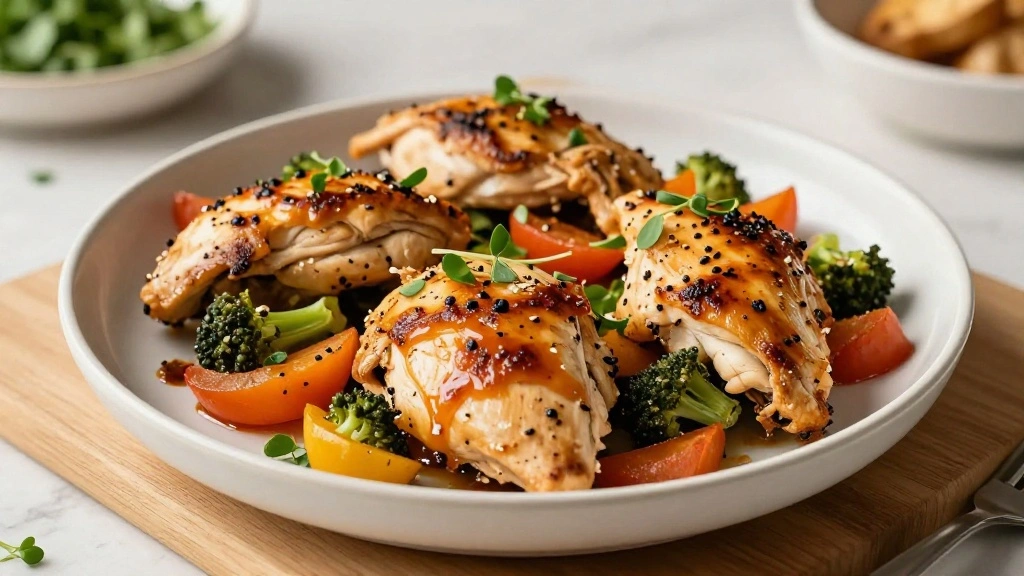


Easy Sheet Pan Chicken and Vegetables for a Quick Dinner
4 pieces chicken thighs
2 medium carrots
1 large red bell pepper
2 cups broccoli florets
2 tablespoons olive oil
1 teaspoon salt
1/2 teaspoon black pepper
1 teaspoon garlic powder
1 teaspoon dried oregano
PT45M
4 servings
As the crisp autumn air settles in, there’s nothing quite like a warm, hearty meal to bring comfort to the dinner table.
This Easy Sheet Pan Chicken and Vegetables recipe combines simplicity with deliciousness, making it a perfect choice for busy weeknights.
The savory blend of roasted chicken and seasonal vegetables creates a symphony of flavors that’s hard to resist.
Inspired by my grandmother’s home-cooked meals, this dish embodies the essence of family gatherings and cozy evenings.
Expect a fulfilling meal that’s both nutritious and easy to prepare, with minimal cleanup required.
Whether you’re a seasoned cook or a beginner, this recipe promises a delightful dining experience.
The History and Cultural Significance
• Sheet Pan Chicken traces its origins to the Mediterranean region, where it was originally created by resourceful home cooks using fresh, local produce.
• The dish evolved over decades as cooking techniques improved and access to diverse vegetables increased, eventually becoming the beloved version we know today.
• In many Mediterranean cultures, this dish traditionally appears at family gatherings, symbolizing togetherness and the bounty of the harvest season.
• While many variations exist across different regions, the authentic version maintains a focus on fresh herbs and simple, wholesome ingredients that set it apart from imitations.


Recipe Overview
Nutritional Information (per serving)
Essential Equipment Guide
Sheet Pan: A sturdy sheet pan is essential for even cooking and easy cleanup. Look for one with a non-stick surface and raised edges to contain juices. Alternatives include a roasting pan or a large baking dish.
Sharp Knife: A sharp knife ensures clean, precise cuts, which are crucial for even cooking. A chef’s knife is ideal, but a well-maintained paring knife can suffice for smaller tasks.
Mixing Bowl: A large mixing bowl helps in thoroughly coating ingredients with seasoning. Glass or stainless steel bowls are preferable for their durability and ease of cleaning.


Ingredients
For the Chicken
| Amount | Ingredient | Notes |
|---|---|---|
| 4 pieces | chicken thighs | skin-on, bone-in for flavor and moisture |
Vegetables
| Amount | Ingredient | Notes |
|---|---|---|
| 2 medium | carrots | sliced into rounds |
| 1 large | red bell pepper | cut into strips |
| 2 cups | broccoli florets | cut into bite-sized pieces |
Seasonings
| Amount | Ingredient | Notes |
|---|---|---|
| 2 tablespoons | olive oil | for roasting |
| 1 teaspoon | salt | to taste |
| 1/2 teaspoon | black pepper | freshly ground |
| 1 teaspoon | garlic powder | adds depth |
| 1 teaspoon | dried oregano | for herbal notes |


Preparation Methods
Marinating: Marinating the chicken enhances flavor and tenderness. It’s important to allow enough time for the marinade to penetrate the meat. Use a sealed bag or covered bowl and refrigerate for at least 30 minutes.
Chopping Vegetables: Ensure uniform size for even cooking. This technique involves cutting vegetables into similar-sized pieces, which helps them roast evenly and prevents burning.
Tossing Ingredients: Properly mixing the vegetables with oil and seasonings ensures all pieces are coated. Use your hands or a large spoon for thorough coverage, which leads to a balanced flavor.
Step 1: Prepare Ingredients
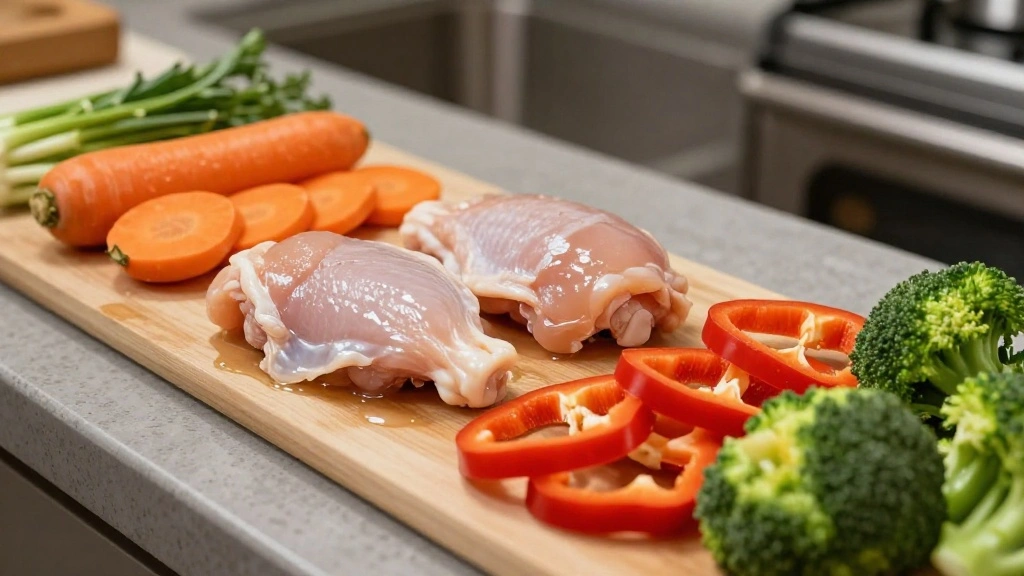
Gather all ingredients and equipment.
Wash and pat dry the chicken thighs.
Peel and slice the carrots into rounds.
Cut the red bell pepper into strips and separate the broccoli into florets.

Step 2: Marinate the Chicken
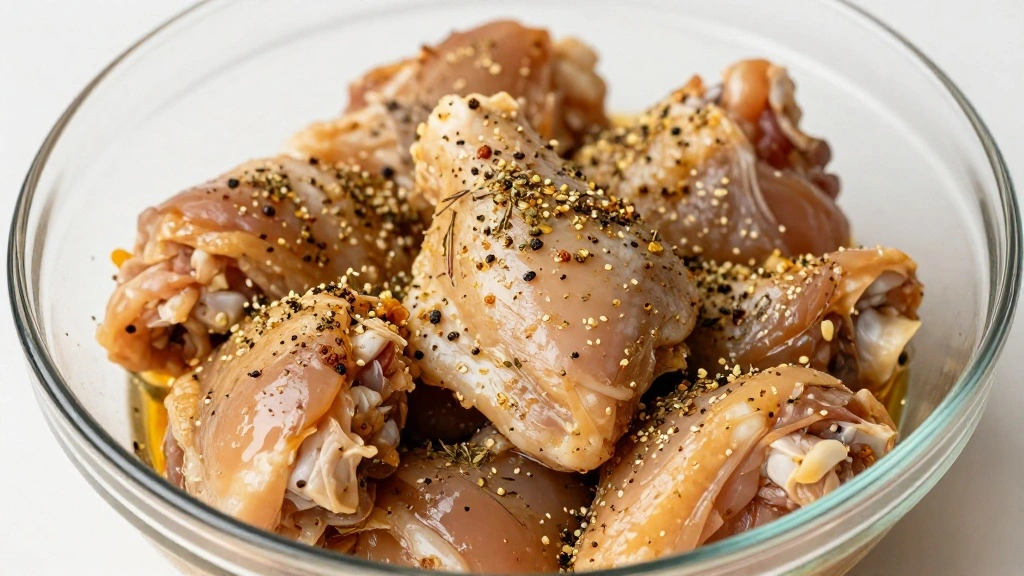
In a large mixing bowl, place chicken thighs.
Add olive oil, salt, black pepper, garlic powder, and oregano.
Mix well to coat the chicken evenly.
Cover and let it marinate in the refrigerator for 30 minutes.


Step 3: Preheat the Oven
Preheat your oven to 400°F (200°C).
Ensure the oven rack is in the center position.
This temperature ensures a golden-brown exterior and juicy interior.
Avoid opening the oven door frequently as it reduces heat.


Step 4: Prepare the Vegetables
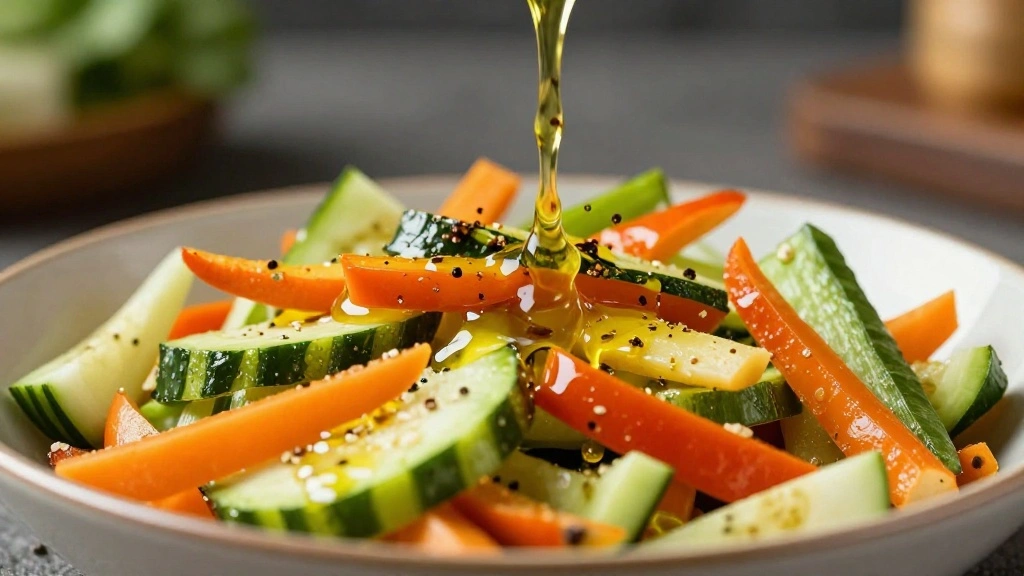
Place sliced carrots, red bell pepper strips, and broccoli florets in a separate mixing bowl.
Drizzle with olive oil and sprinkle with salt and pepper.
Toss to coat the vegetables evenly.
Ensure all pieces are well-seasoned for the best flavor.
Step 5: Arrange on Sheet Pan
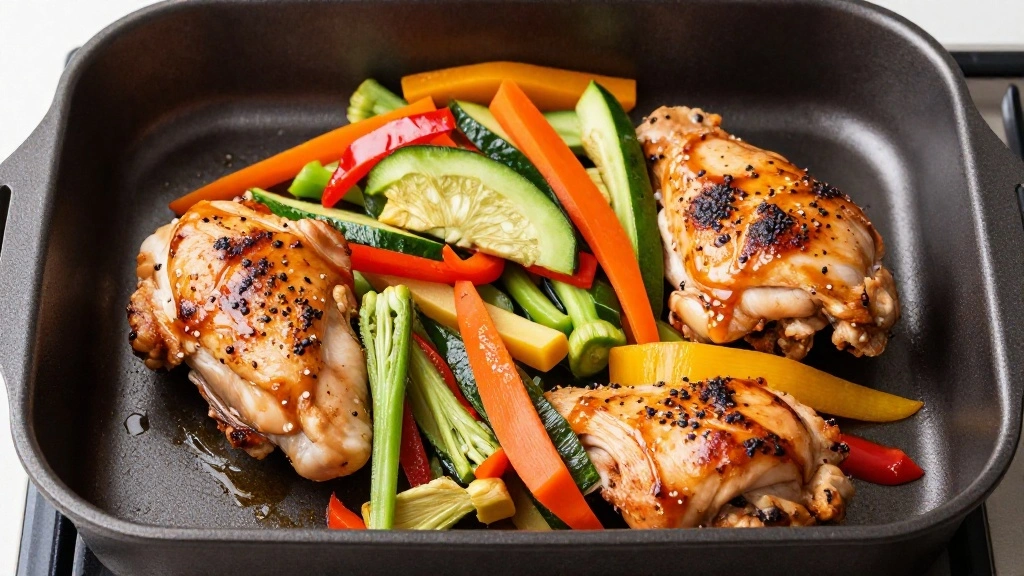
Place marinated chicken thighs on one side of the sheet pan.
Arrange the seasoned vegetables on the other side, ensuring they are in a single layer.
Leave space between the chicken and vegetables for even cooking.
Avoid overcrowding to allow proper roasting.
Step 6: Roast in the Oven
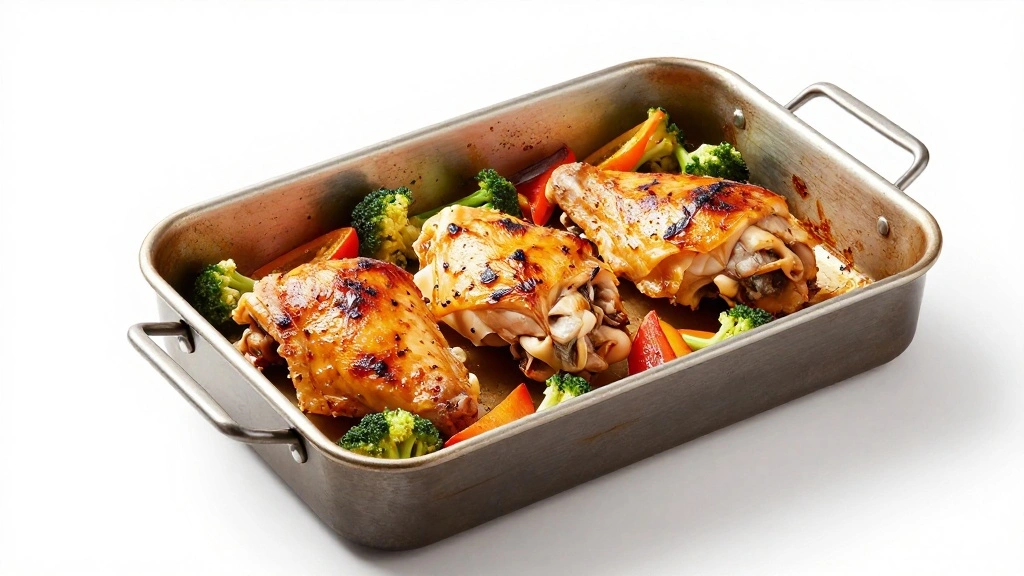
Place the sheet pan in the preheated oven.
Roast for 30 minutes or until the chicken is cooked through and vegetables are tender.
Check for doneness by inserting a meat thermometer into the thickest part of the chicken (165°F or 74°C).
The vegetables should be slightly caramelized and soft.
Step 7: Rest and Serve
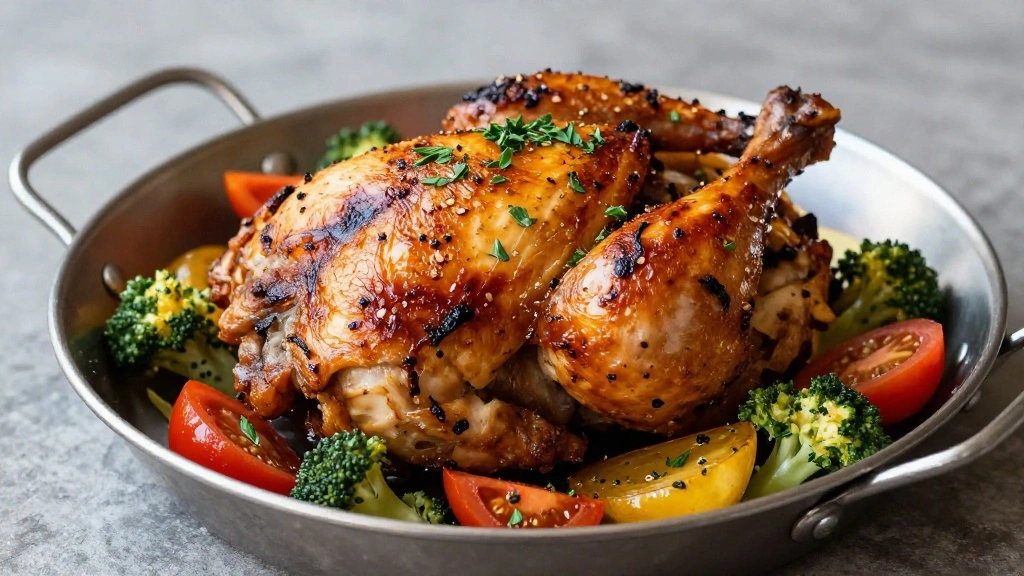
Remove the sheet pan from the oven.
Let the chicken rest for 5 minutes to retain juices.
Arrange chicken and vegetables on a serving platter.
Garnish with fresh herbs if desired for an added touch.
Step 8: Clean Up
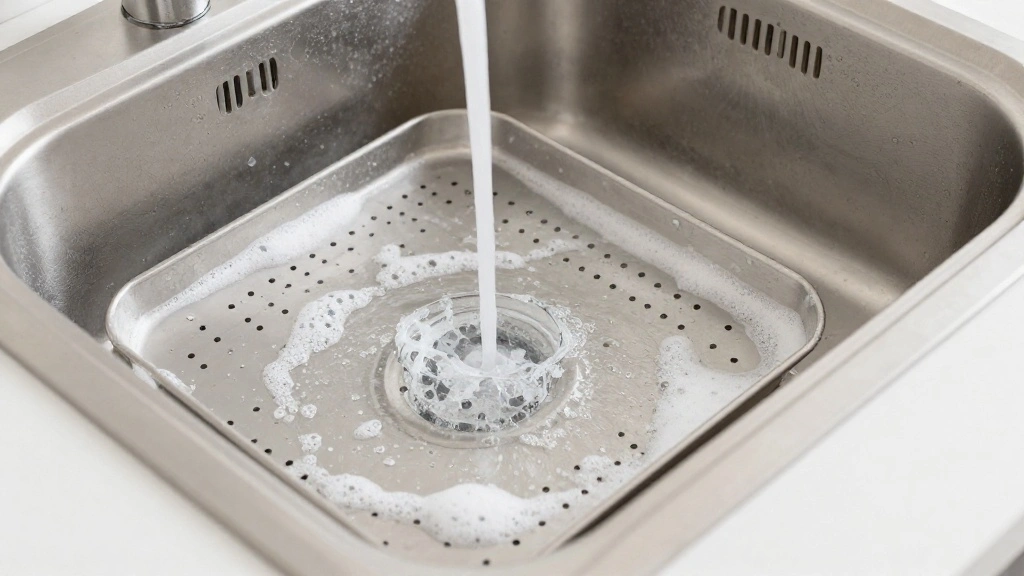
Allow the sheet pan to cool before washing.
Use mild detergent and a soft sponge to clean non-stick surfaces.
For stubborn stains, soak in warm soapy water.
Dry thoroughly before storing to prevent rust.
Critical Timing and Temperature Guide
Roasting: Maintain oven temperature at 400°F (200°C), check chicken doneness at 165°F (74°C), avoid opening oven frequently to preserve heat.
Marinating: Minimum 30 minutes in the refrigerator for flavor absorption, maximum 24 hours to prevent over-marination.
Resting: Allow chicken to rest for 5 minutes after cooking to redistribute juices, enhancing moisture and flavor.
Pro Tips for Sheet Pan Chicken
• Ingredient Selection: Opt for organic chicken thighs and seasonal vegetables for superior flavor and quality.
• Preparation Secret: Score the chicken skin lightly to help the marinade penetrate deeper, enhancing taste.
• Temperature Management: Ensure all ingredients are at room temperature before roasting for uniform cooking.
• Texture Enhancement: Toss vegetables halfway through roasting to achieve even caramelization.
• Flavor Layering: Add a squeeze of lemon juice after roasting for a bright, fresh finish.
• Make-Ahead Strategies: Marinate chicken and chop vegetables the night before, store separately in airtight containers.
• Restaurant-Quality Finishing Touches: Sprinkle with freshly chopped parsley or cilantro before serving.
• Equipment Optimization: Use parchment paper on the sheet pan for easy cleanup and to prevent sticking.
Troubleshooting Common Issues
• Chicken Undercooked: Ensure oven is fully preheated, check internal temperature with a thermometer, cook longer if necessary.
• Vegetables Too Soft: Cut into larger pieces, reduce cooking time by a few minutes, spread them out to avoid steaming.
• Uneven Browning: Rotate the pan halfway through cooking, make sure ingredients are in a single layer.
• Flavors Unbalanced: Adjust seasoning by tasting before roasting, add more salt or herbs if needed.
• Dry Chicken: Avoid overcooking, rest chicken after roasting, use bone-in, skin-on thighs for moisture retention.
• Burned Edges: Use a lower oven rack position, check for even heat distribution in the oven.
Variations and Regional Differences
• Italian Style: Use Italian seasoning, swap broccoli for zucchini, add cherry tomatoes for a Mediterranean flair.
• Asian-Inspired: Marinate with soy sauce, ginger, garlic, and sesame oil, include bok choy and snap peas.
• Mexican Twist: Incorporate cumin, chili powder, and lime juice, add corn and black beans for a vibrant taste.
• French Provencal: Employ herbes de Provence, olives, and bell peppers, finish with a drizzle of olive oil.


Food Science Behind the Recipe
• Maillard Reaction: The browning of chicken and vegetables is a result of the Maillard reaction, which enhances flavor and aroma.
• Heat Transfer: Convection cooking in the oven ensures even heat distribution, essential for consistent roasting.
• Moisture Retention: Resting meat post-cooking allows muscle fibers to relax and reabsorb juices, preventing dryness.
Frequently Asked Questions
What’s the most common mistake people make when preparing Sheet Pan Chicken and Vegetables? Overcrowding the pan, which leads to steaming instead of roasting. Ensure ingredients are spread in a single layer.
Can I use chicken breasts instead of thighs? Yes, but adjust the cooking time as breasts cook faster and can dry out more easily.
How can I make this dish spicier? Add crushed red pepper flakes or a dash of cayenne pepper to the seasoning mix.
Is it necessary to use fresh vegetables? Fresh is preferable for texture, but frozen vegetables can work if properly thawed and drained.
What should I do if I don’t have parchment paper? Use aluminum foil or a well-oiled sheet pan to prevent sticking.
Can this dish be made in advance? Yes, you can prepare the components ahead and roast when ready to serve.
How do I store leftovers? Store in an airtight container in the refrigerator for up to 3 days, reheat in the oven for best results.
What’s the best way to reheat this dish? Reheat in a 350°F oven until warmed through to retain texture and flavor.
Serving and Presentation Guide
• Traditional Presentation: Serve directly from the sheet pan for a rustic, family-style meal.
• Plated Elegance: Arrange chicken and vegetables neatly on individual plates, garnish with fresh herbs.
• Buffet Style: Use a large platter to display the chicken and vegetables, providing serving utensils for guests.
• Casual Gathering: Keep it simple by placing the sheet pan in the center of the table, allowing everyone to help themselves.
Conclusion
This Easy Sheet Pan Chicken and Vegetables recipe is a testament to the beauty of simplicity in cooking.
With minimal effort, you can create a wholesome meal that pleases the palate and nourishes the soul.
I encourage you to try this recipe, embrace its versatility, and make it a staple in your culinary repertoire.
Enjoy the delightful combination of flavors and the satisfaction of a homemade dinner shared with loved ones.