
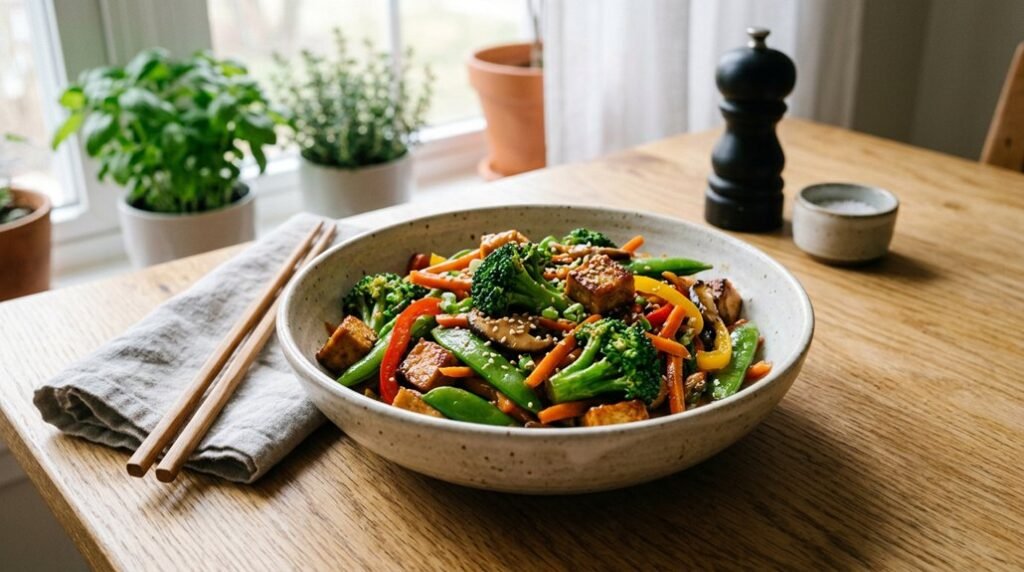


You’ve probably wondered if real stir-fry demands noodles or if that’s just takeout talking. The truth sits somewhere between tradition and improvisation, noodles bring that satisfying spring and sauce-clinging power rice simply can’t match, yet plenty of authentic dishes skip them entirely.
Lo mein offers chew at roughly $3 per pound, udon brings heft for about $4, and rice noodles absorb umami without turning cloying. The catch? Most home cooks murder the texture, boiling them to mush before they even hit the wok. There’s a specific technique that fixes this, and it starts with par-cooking.
Choose Noodles or Rice for Your Stir-Fry
Why limit yourself to rice when noodles can change your stir-fry into something truly memorable? You’re standing at a crossroads every time you fire up your wok, and stir-fry noodles offer a textural playground that rice simply can’t match.
You’ll find lo mein brings that satisfying chew, while udon delivers slurp-worthy thickness. Rice noodles keep things light, gluten-free, and they soak up sauce without turning cloying. The key? Cook them al dente, about 6 to 8 minutes depending on type, then cut into manageable 6-inch lengths for easier toss sequences.
Pre-cooked noodles shave precious minutes off weeknight dinners, though you’ll want to refresh them in hot water first. Hit your smoking wok with a tablespoon of sesame oil, add your noodles, and toss aggressively so every strand carries that smoky, umami depth.
Recommended Products

Add a touch of Asian-inspired flavor to your favorite recipes with La Choy Chow Mein Noodles

Asian style chow mein stir-fry noodles

GREAT TASTING SINCE 1970s: More than 50 years of heritage to deliver delicious foods and sauces.


Best Noodle Types for Stir-Fry
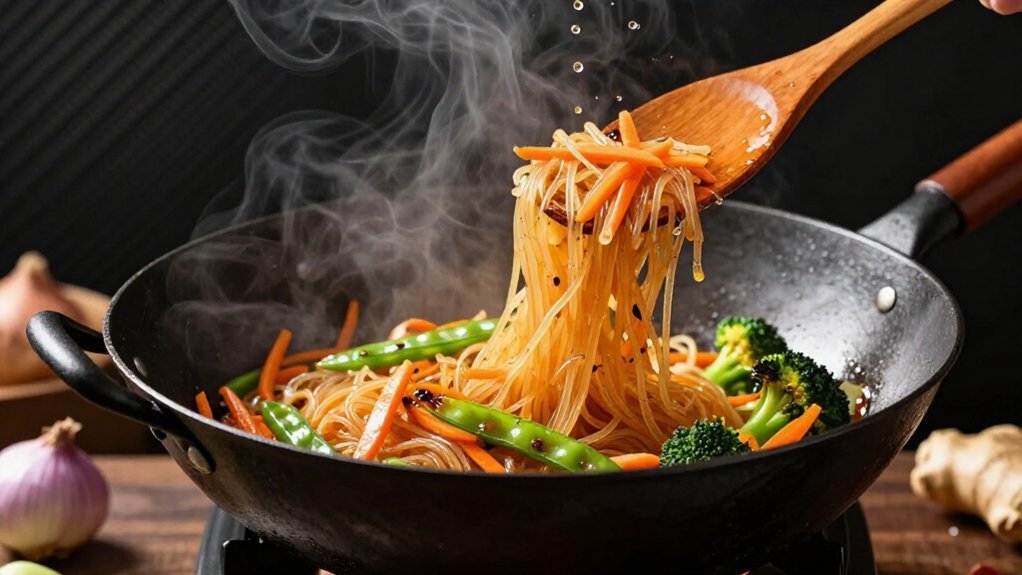
What separates a forgettable stir-fry from one you’ll crave at 2 AM? It’s the noodles to use, and choosing wisely matters.
You’ll want lo mein noodles for their springy, sauce-clinging texture that never turns cloying. Udon delivers that satisfying chew, while wide rice noodles bring silky umami without gluten. Fresh or pre-cooked options streamline your wok skillet workflow, skipping tedious boiling.
Lo mein clings, udon chews, rice noodles glide—fresh or pre-cooked, your wok never waits.
You’ll par-boil dried varieties until al dente, then toss with garlic ginger sesame oil before they hit the pan. Cut them into 6–8 inch pieces for even coating with stir-fry sauce.
Add the vegetables after searing proteins, then fold in your noodles for that perfect finish. Skip spaghetti; it’s a sad substitute that lacks soul.
Recommended Products

AUTHENTIC JAPANESE NOODLES - Udon Noodles are thick, Japanese noodles that can be eaten cold or hot. KA-ME’s Udon Stir Fry Noodles are perfect for traditional Japanese dishes or in an easy stir fry with vegetables and sauce.

THICK AND CHEWY SANUKI-STYLE UDON - Japanese-style wheat noodles with a substantial, springy bite that works beautifully in comforting broth bowls, stir-fries and chilled noodle dishes.

Fresh Sanuki-style udon noodles have a thick, chewy texture for warm bowls and stir-fry dishes; Use them with broth, sauce, vegetables, meat, tofu, or seafood; The noodles are easy to prepare for lunch or dinner
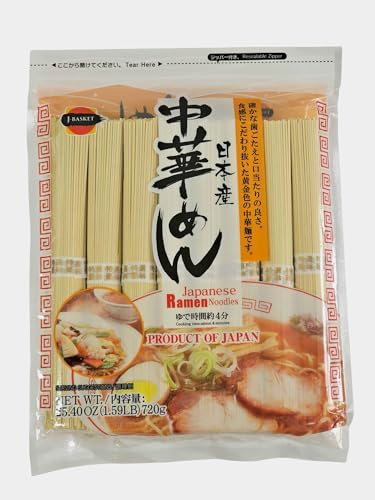


Prep Noodles So They Don’t Turn Mushy
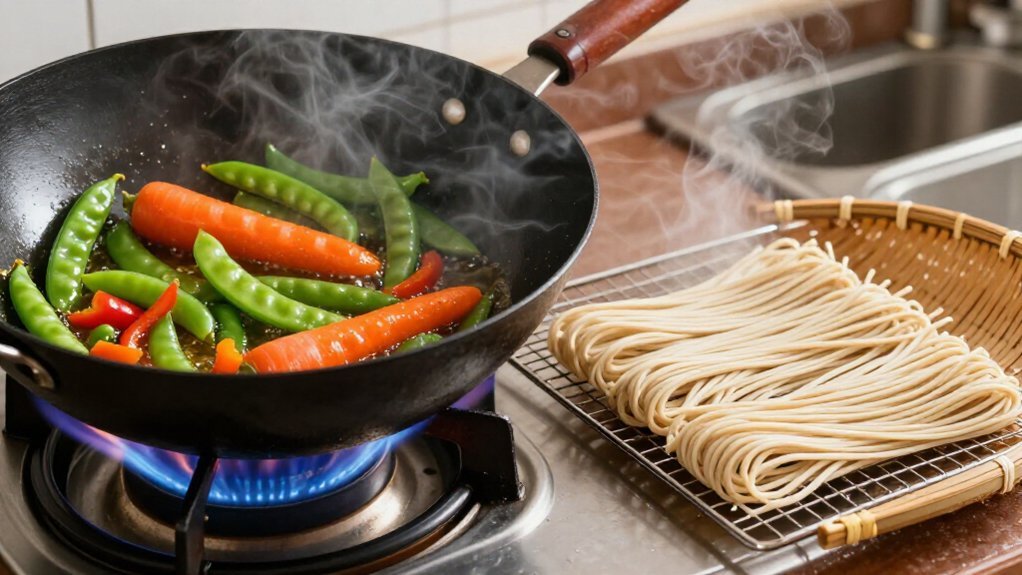
Par-boil your noodles until they’re almost there, then drain and hit them with cold water to slam the brakes on cooking. You want them near al dente, not clinging to hope. Rinse thoroughly, toss with sesame oil so nothing sticks together in that sad, gummy way.
Cut noodles down to 6 to 8 inches now, trust me: you’ll thank yourself when you’re not wrestling with twelve-foot strands mid-stir fry. Return them to the pot, coat sauce evenly, let every strand get friendly with the umami.
This isn’t the time for lazy stirring; patches of naked noodle are culinary misdemeanor. You’re not finished cooking yet. The skillet finishes the job, and you’re setting yourself up for texture that actually satisfies. No mush, no shame, just dinner that delivers.
Recommended Products
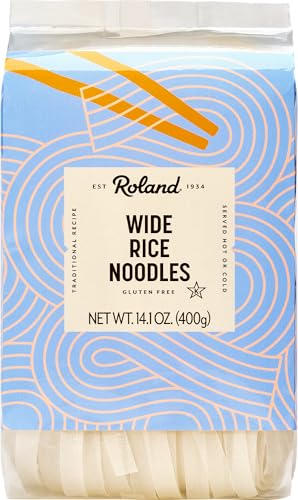
Made from 100% rice flour, Roland Wide Rice Noodles are naturally gluten-free.
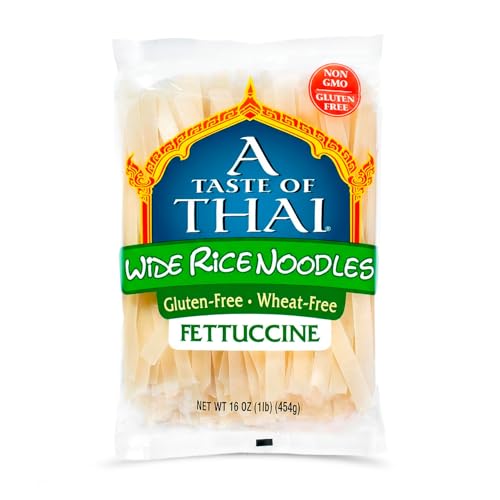
SUBSTANTIAL WIDE RIBBONS - Savor the satisfying width of our fettuccine-style rice noodles that provide a luxurious, hearty eating experience with their broad ribbons that perfectly showcase rich curries, creamy sauces, and bold stir-fry preparations.

COMMITMENT TO AUTHENTIC ASIAN NOODLES: Four Elephants Rice Sticks for those who want authentic Asian flavors and understands the difference between (3MM, 5MM, 10MM) for delicate noodles commonly used in a variety of standout Asian dishes like Pad Thai (choose 3MM or 5MM), Pho (choose 3MM or 5MM), and Stir Fry (choose 10MM) and for those who have dietary restrictions and can’t eat wheat noodles.


Cook in the Right Order: Noodles, Protein, Vegetables
How do you keep everything from turning into a steamy, gray mush? You master the order. Start by searing your protein in a ripping-hot wok to build that caramelized umami crust, then pull it before it turns rubbery.
Next, attack your vegetables by density: carrots and cabbage first for three to four minutes, then softer additions.
Cook dense vegetables first, then softer ones—texture depends on timing, not chance.
Your noodles need a quick par-cook so they emerge al dente, not cloying and soft. Return the protein, fold in those crisp-tender vegetables, then add your noodles and sauce together. This ensures every strand gets coated without drowning.
Give it one final toss and finish immediately. The result isn’t mush, it’s a stir fry with actual texture, where each component keeps its integrity.
Recommended Products

Stir fry-style noodles in delicious Asian takeout-inspired sauce

MICROWAVEABLE ASIAN CUISINE: From Nissin, the creators of iconic Top Ramen and Cup Noodles, dive into a takeout-inspired Korean BBQ Stir Fry experience in mere minutes

First soup-less cup noodles, offering a unique and convenient meal experience


Fix Common Noodle Stir-Fry Problems Fast
Why does your noodle stir-fry keep fighting back? You’re probably crowding your wok, and that’s a rookie mistake. Your noodles deserve better.
Master your cook technique: par-boil your noodles for 60 seconds, drain, rinse cold, and toss with sesame oil to avoid sticking. This changes your noodles texture from gummy to glorious. Your cook time matters intensely; celery and dense vegetables need 90 seconds before softer ones join.
Your sauce shouldn’t be cloying. Blend soy sauce, rice wine, and oyster sauce for proper umami depth. Too much liquid, and you’ve got soup; too little, and flavors fall flat.
Crank your wok to screaming high heat. If you’re using a skillet, cook components separately. Crowding kills caramelization, and soggy stir fry is a tragedy you can prevent.
Recommended Products

Lo Mein chinese noodle style
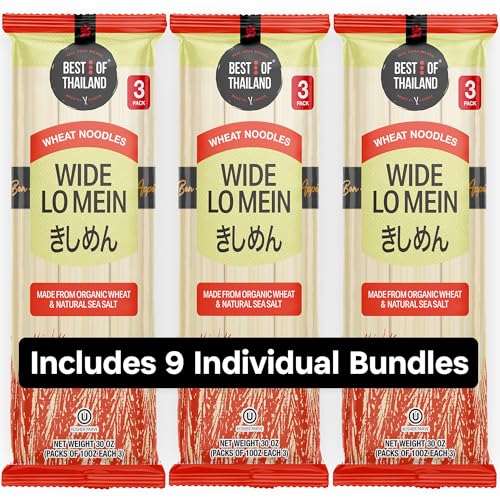
Best Of Thailand Noodles

Best Of Thailand Noodles