


You’ve stood in the noodle aisle, frozen between two packages that look nearly identical, and wondered why one costs $3.49 while the other demands $6.99 for half the weight. The truth is, you’re not just choosing dinner; you’re picking sides in a battle of chemistry, technique, and texture that will make or break your meal.
Ramen noodles carry kansui, that alkaline mineral water that gives them their signature yellow curl and springy bite, while stir-fry noodles rely on wheat, water, and salt, built to sear hard and fast without turning gummy. One needs a broth bath to reach its full potential; the other begs for a screaming hot wok, oil smoking at 450°F, where sauce clings instead of pools.
Get it wrong, and you’ll face either a cloying, soggy mess or a bowl of umami-rich soup with noodles that fight your chopsticks. The differences run deeper than you think, and your next grocery trip depends on knowing them.
Stir Fry or Ramen: Which One Belongs in Your Pan?
How do you decide between two noodle classics when your pan’s already heating? You’re choosing between stir-fry noodles and ramen, and the difference isn’t subtle.
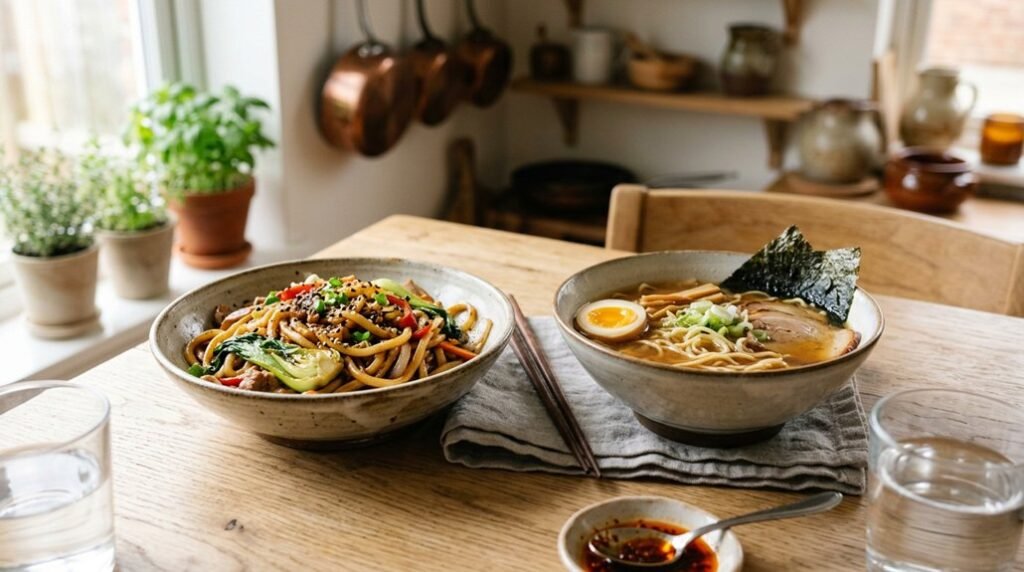
Stir-fry noodles want your hottest wok, a quick 1–2 minute cooking time, and a glossy sauce coating that clings without cloying. Ramen demands patience: it’s built for broth-based bowls, not your searing pan. That yellow tint in ramen? That’s kansui talking, an alkaline mineral water that gives firm, springy bite.
Stir-fry noodles demand your hottest wok and a quick toss; ramen needs patience and a bowl of broth.
It’s non-negotiable for authentic ramen, yet stir-fry noodles skip it entirely.
Here’s where you win or lose. Toss ramen into a stir-fry without adjusting, and you’ll fight gummy, uneven results. The sauce coating won’t adhere properly; the texture turns weirdly dense. You’re better off grabbing proper stir-fry noodles, or accepting that ramen belongs in soup.
Recommended Products

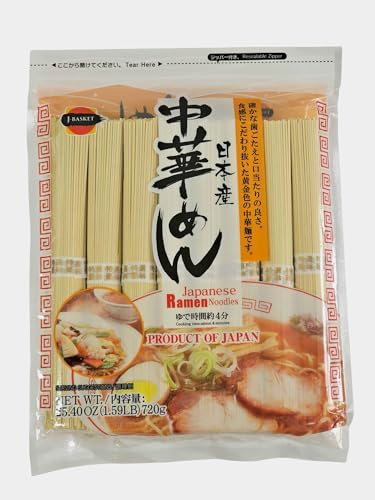
J-Basket ramen noodle
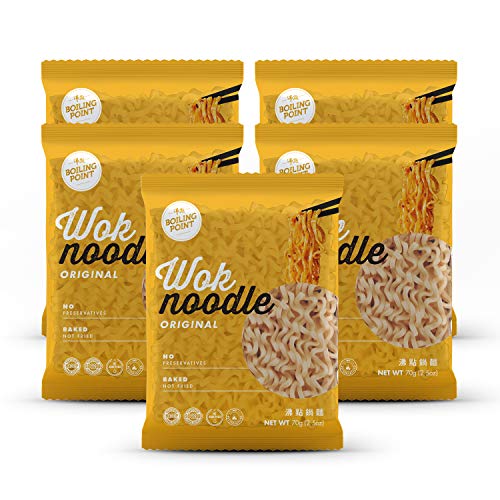
【BP ORIGINAL WOK NOODLE】: An Asian classic comfort food, these noodles are healthy, delicious, and have great texture! Flavorful and colorful. Nutritious meets delicious!
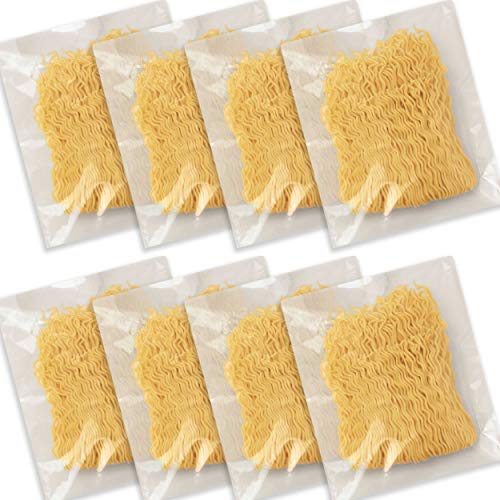
Authentic Japanese Ramen-Bar Quality. Made in Japan by noodle experts. Non-fried and made without artificial chemical preservatives. Enjoy ramen-restaurant taste at home. Real ramen noodles from Japan.


Shape and Thickness: Why Ramen Noodles Curl and Stir Fry Noodles Don’t
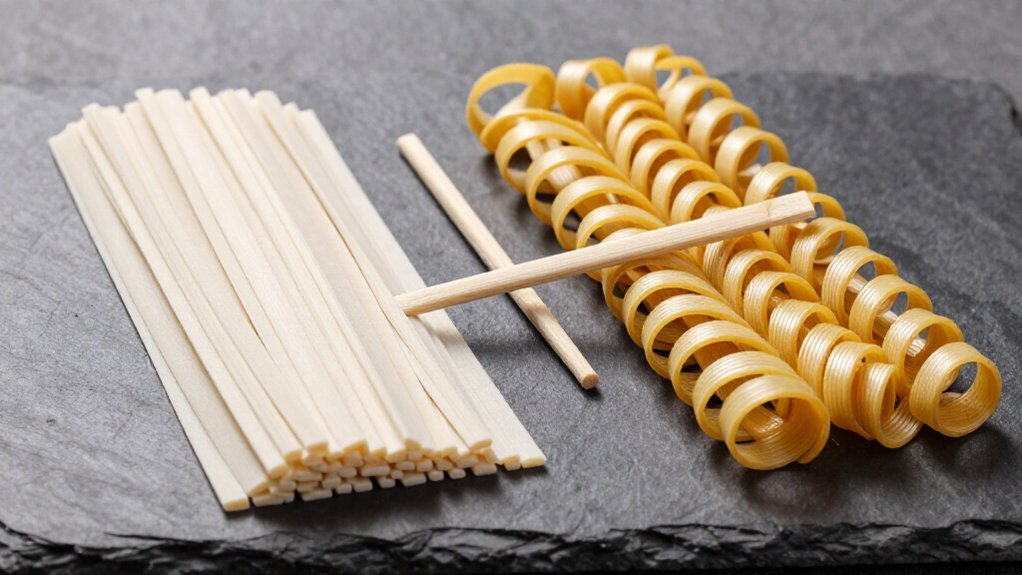
Why do ramen noodles twist and curl like they’re trying to escape your chopsticks, while stir-fry noodles lie flat and obedient? You can blame kansui, that alkaline mineral water that gives ramen its signature yellow hue and springy bite. When manufacturers cut ramen dough, the kansui reacts with heat to create that curling texture, perfect for cradling rich broth without turning cloying or mushy.
Stir-fry noodles play a different game entirely. You’ll find them parboiled or quickly refreshed, then immediately tossed over blistering heat with aromatics and sauce. They’re made for maximum surface area, those flat, broad strands grabbing every drop of seasoning through better sauce absorption. No curling means even coating, no sneaky pockets of unseasoned starch hiding from your wok’s umami assault.
Recommended Products

MAKE ALKALINE WATER IN SECONDS: Add just 34 drops to an 8 oz glass of drinking water to quickly raise its pH. The concentrated mineral formula makes it easy to prepare alkaline water at home, at work, or while traveling

Alkaline 9.5+pH ionized water with antioxidant from selenium

PH BOOSTER DROPS: Alkalife pH Booster Drops transform ordinary drinking water into pH 10 alkaline water. Add 3 drops to an 8 oz glass, stir, and use as directed


Ingredient Battle: Why Ramen Uses Alkaline Water (and Stir Fry Noodles Don’t)
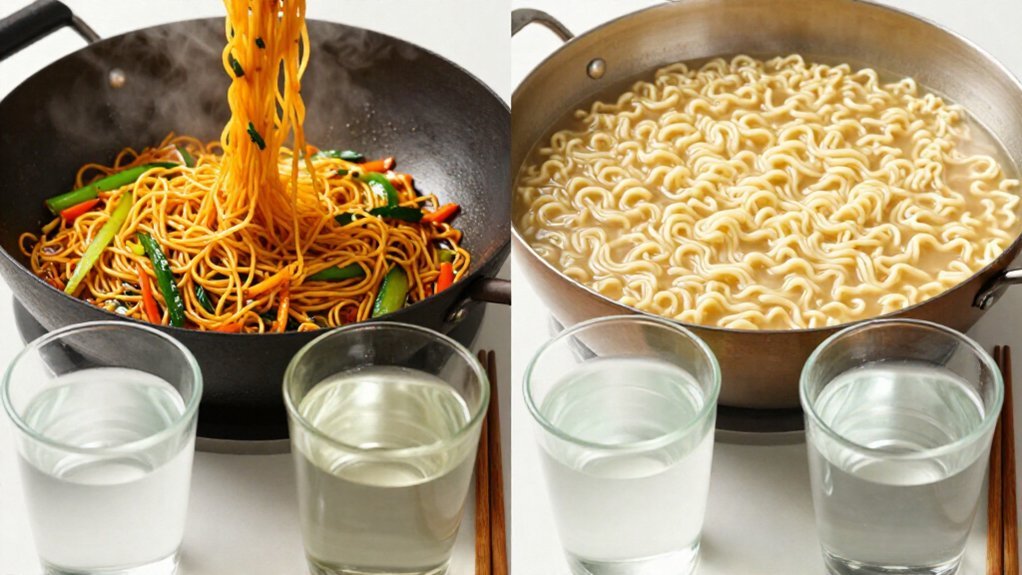
You’ll notice ramen noodles carry that unmistakable yellow hue and snappy, almost rubber-like chew, while stir-fry noodles look pale and limp by comparison. That’s entirely because ramen makers add kansui, an alkaline mineral water with sodium carbonate and potassium carbonate, to their dough. This alkaline water chemistry changes the wheat proteins, pushing the pH above 9 and creating those stretchy, resilient strands that refuse to turn cloying and mushy even after twenty minutes bobbing in steaming, umami-rich pork broth.
Stir-fry noodles skip this step entirely, relying instead on screaming-hot woks and aggressive sauce penetration to build their texture. That honestly works fine for a six-minute dinner but leaves you with noodles that surrender completely to liquid rather than conquering it.
Recommended Products

ORGANIC LO MEIN NOODLES - This flat Chinese-style pasta, resembles fettucine. Popular as the traditional staple food of North China and familiar to generations of Americans as the noodles used in Chinese restaurants.

STEAMED NOT FRIED: Every batch of rice noodles is steam cooked and slowly dried

TRUE TO THAILAND - Our Pad Thai Rice Noodles are made using traditional methods from heirloom brown rice to create nutritious noodles rich in flavor
Alkaline Water Chemistry
The chemistry lurking in your ramen bowl isn’t magic, it’s kansui, and it’s the reason your noodles refuse to turn cloying and mushy after five minutes in hot broth.
You spot that signature yellow hue in ramen noodles? That’s alkaline water at work. Kansui, a mineral blend of sodium carbonate and potassium carbonate, cranks up the pH effect on your dough. This isn’t subtle chemistry, it’s change. The higher pH strengthens gluten strands, giving ramen that signature chew and firmness.
Meanwhile, you’re working with stir-fry noodles that skip the kansui entirely. Regular wheat flour keeps them softer, less elastic, more yielding to aggressive sauce tosses. You sacrifice some backbone, sure, but you gain pliability that alkaline-heavy ramen noodles can’t match. It’s a trade-off between resilience and suppleness, between broth endurance and wok harmony.
Texture Transformation Science
How exactly does a simple bowl of noodles turn into something that fights back when you bite?
You’re witnessing chemistry in motion. Ramen uses kansui, that alkaline water blend, and it fundamentally alters the gluten structure in your dough. The result? Alkaline noodles with a texture that stays springy, never cloying, even after swimming in hot broth for twenty minutes.
You get that characteristic yellow hue and a chewier bite that commands attention.
Stir-fry noodles skip the kansui entirely. Without that alkaline boost, you’re working with a different beast: softer, quicker-cooking, and frankly less resilient. They absorb sauces rapidly, which sounds great until you’re staring at a gummy, sticky pile because you didn’t rinse them properly.
The absorption happens too fast, too unevenly. Alkaline water isn’t just tradition, it’s insurance.
Flavor Development Contrast
When you bite into a proper ramen noodle, you’re tasting chemistry as much as craftsmanship. That yellow tint and springy chewiness? You can thank kansui, the alkaline water blend of sodium and potassium carbonates that changes wheat into something extraordinary. It strengthens gluten, speeds starch gelatinization, and keeps your noodles firm in steaming broth-based ramen for a full 15-minute slurp session.
Stir-fry noodles skip this entirely. They’re built for speed, not endurance: softer, quicker-cooking, and made for immediate sauce absorption in a hot wok.
Here’s what you’re really choosing between:
- The satisfying, almost rubber-band snap of alkaline perfection
- The cloying, gummy disappointment of noodles gone soggy
- The pure umami rush when broth and kansui unite
Stir-fry noodles have their place, but they’re playing a different game entirely.


Texture Showdown: Chewy Bounce vs. Slippery Bite
You’ll notice ramen resilience immediately when you bite down, that springy resistance from kansui alkaline water creating a chew that fights back just enough without turning rubbery. Rice noodle silkiness offers no such resistance, sliding across your tongue with a cloying smoothness that absorbs sauce beautifully yet lacks the umami backbone of a proper wheat noodle.
Choose your texture wisely: one demands respect through structure, the other seduces through submission.
Recommended Products

Stir fry-style noodles in delicious Asian takeout-inspired sauce

First soup-less cup noodles, offering a unique and convenient meal experience

MICROWAVEABLE ASIAN CUISINE: From Nissin, the creators of iconic Top Ramen and Cup Noodles, dive into a takeout-inspired Korean BBQ Stir Fry experience in mere minutes
Ramen Resilience
Now, toss those same noodles into a screaming-hot wok and something almost magical happens. The kansui in your ramen changes; you get that unmistakable chewiness that refuses to quit. Pull them at two minutes, sling them into oil, and you’ll preserve noodle resilience that lesser starches simply can’t match.
Here’s why this matters:
- You feel the difference immediately: that al dente snap between your teeth isn’t subtle, it’s the whole point.
- You watch sauce absorption happen without tragedy; the strands stay distinct, never cloying or gummy.
- You recover from overcooking errors faster than you’d expect, though go too far and you’ve got rubber bands, not dinner.
Master this, and you’ll understand why ramen commands respect in any stir-fry.
Rice Noodle Silkiness
The rice noodle enters the wok like a completely different beast, and you’re either ready for it or you’re not. You’re working with a starch base that demands respect: rice noodles bring silkiness, not bounce, and that texture changes everything about your stir-fry approach.
Fresh varieties hit the heat fast, two minutes tops, while dried rice sticks need soaking first. Miss the window and you’ve got cloying mush; nail it and the absorption is unreal. They drink up sauce like nothing else, turning every strand into umami delivery. That slipperiness works against you if you’re timid, but ride with it. You’re not chasing chew here; you’re riding the glide. Rice noodles reward confidence, not caution.


Cooking Method Showdown: Boiling vs. High-Heat Tossing
How exactly do you coax flavor from a bowl of noodles? You boil ramen for 1–2 minutes, sure, but that’s just the start. With stir-fry noodles, you’re playing with fire, literally.
You toss pre-cooked noodles into a screaming hot wok, where intense heat changes everything. First, you sizzle garlic and scallions in oil until your kitchen smells like heaven. Then you keep those noodles dancing, constant motion preventing any sad, cloying stickiness. The sauce hits last, a quick pour that coats every strand without turning mushy.
That chewy texture? You earn it by pulling noodles early from boiling water, finishing them in the wok’s inferno.
Here’s what separates legends from leftovers:
- Char marks mean flavor, not failure
- Speed beats precision when the pan’s this hot
- Mushy noodles betray you every single time
Recommended Products

One (1) 32 oz carton of Swanson Ramen Chicken Broth

Bold Veggie Power: Forget bland broths! These vegan ramens are packed with a deep, bold vegetable broth that delivers a serious punch of savory flavor.

ELEVATED RAMEN DELIGHT: Chicken ramen seasoning brings the beloved taste of ramen to your table. Enjoy the comforting, authentic flavors that are ready to use.



Speed Test: Which Noodle Gets You Fed Faster?
You’ve mastered the wok’s inferno, but let’s talk about what really matters when your stomach’s growling at 7:47 p.m. and you’ve got twenty minutes before that show starts. Ramen wins this speed contest, hands down. Your boil time clocks in at 1–2 minutes, then you toss those pre-cooked noodles with chopped garlic, scallions, and whatever greens you’ve got wilting in the crisper.
Stir fry noodles made from rice or glass demand soaking or longer boiling, stretching your timeline thin. Ramen’s alkaline structure holds firm under blistering heat, so you glaze it with 3–4 tablespoons of soy-based sauce, a splash of broth, and you’re plating before the opening credits roll.
Prep your sauce and veggies ahead, and you’ve beaten the clock without sacrificing umami depth.
Recommended Products

AUTHENTIC JAPANESE EXPERIENCE: In the proud lineage of Nissin, makers of Top Ramen and Cup Noodles, RAOH Tonkotsu offers a culinary journey reminiscent of Japan's celebrated ramen shops

Koon Chun Lye Water – 16.9 fl oz (500 ml)

NOODLES ONLY — NO SOUP, NO SEASONING, FULL CREATIVE CONTROL: These are pure ramen noodles with no soup base, no flavor packets, and no seasoning included — by design. You choose the broth, you choose the sauce, you build the bowl exactly the way you want it. The right product for home ramen builders, stir-fry cooks, and anyone who wants chewy noodle texture without being locked into one flavor.


Sauce Absorption: Which Noodle Actually Holds the Good Stuff?
You’ll notice ramen noodles, with their kansui-treated bounce, grab onto savory sauces like a determined sponge, while glass noodles practically drink up umami yet stay frustratingly slick against your chopsticks. Rice noodles hit that sweet middle ground, absorbing flavorful liquids until they turn almost silky, though they lack the satisfying chew that makes wheat noodles so addictive.
Don’t underestimate your cooking technique here: tossing everything over low heat with a splash of broth changes cloying, uneven coating into that glossy, restaurant-quality finish you’re actually after.
Recommended Products

Live Healthy - Our Hawaiian Volcanic Water is naturally alkaline with a pH range of 7.6 - 8.2 and contains naturally occurring electrolytes and minerals, including Silica, Calcium, Potassium, Magnesium, and Sodium. Taste the difference of water in its purest form.

ALKALINE BOOSTER: Easily mix pH balance drops with water to boost the alkalinity of your beverage!

Formulated with essential minerals & Potassium
Sauce Retention Comparison
The sauce retention battle isn’t just about taste, it’s about texture engineering on your plate. Ramen dominates sauce retention thanks to kansui alkaline water, which creates that springy, al dente chew you crave. You’ll notice stir-fry noodles made with wheat or rice can turn cloying when over-sauced, but ramen stays resilient.
Here’s what separates the champions from the also-rans:
- Ramen grabs and holds: that alkaline structure locks in soy sauce and broth without going mushy
- Glass noodles betray you: slippery, sauce-phobic, leaving flavor pooling sadly below
- Rice noodles overdose fast: porous starch soaks up everything, then collapses into sadness
For peak performance, whisk 3–4 tablespoons soy sauce with 2 tablespoons broth, finish on low heat, and you’ll never serve naked noodles again.
Texture Impact Analysis
How does sauce absorption actually break down when we’re talking real bites, not theory? You’re dealing with real physics here. Ramen noodles bring alkaline resilience to the table; their kansui-treated structure fights sogginess and keeps sauce adhesion tight even after minutes in broth. That noodle texture matters more than you’d think.
Glass noodles? They’ll betray you, turning slick and cloying if you blink. Udon’s chew helps, but push too soft and sauces slide right off. Soba’s buckwheat dryness catches less than you’d hope, leaving you chasing umami that never quite lands.
Here’s where you take control: broth quantity and toasted sesame oil are your levers. More liquid prevents that separated, pasty coating; a drizzle of toasted sesame oil creates emulsion magic. You’re not just cooking; you’re engineering sauce absorption that actually sticks.
Cooking Method Effects
Why does your sauce pool at the bottom of the bowl while some restaurants nail that glossy, clinging coat every single time? You’re battling sauce absorption, and your noodle choice decides who wins.
Here’s what trips you up:
- Ramen noodles with kansui resist cloying sogginess, giving you that coveted bounce under high-heat cooking.
- Fresh vs dried noodles betray you at different speeds; fresh soaks slowly while dried demands extra liquid or you get sticky disappointment.
That glossy finish dies when you blast heat without finesse.
You want stir-fry sauce that clings, not weeps. Toss over low heat, whisk your base separately (soy, broth, sesame, chili), then finish with 2 tsp toasted sesame oil plus 2–4 tbsp broth. The kansui structure holds umami where mushy alternatives surrender it to the plate.


Why Ramen Requires Broth (and Stir Fry Noodles Don’t)
Ever wonder why ramen demands a bowl of liquid gold while stir-fry noodles thrive in near-dry conditions? You’re looking at two entirely different engineering problems.
Ramen needs broth because those par-cooked noodles finish cooking in liquid, absorbing umami from pork bones, miso, or soy while maintaining that chewy texture you crave. Without broth, you’d have bland, clumpy strands going nowhere.
Stir-fry takes the opposite approach. You toss noodles in screaming-hot woks with concentrated sauce, soy and dark soy reducing to a glossy cling rather than a soup. That direct heat caramelizes edges, keeps vegetables crisp-tender, and prevents the cloying sogginess broth would create. You’re building flavor through reduction and char, not dilution. Two methods, two victories, zero confusion about which bowl needs a spoon.
Recommended Products

Best Of Thailand Noodles
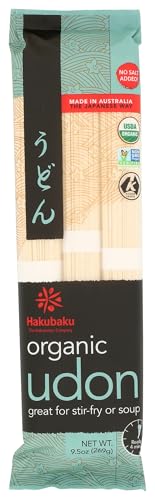
Authentic Japanese udon noodles

Asian style chow mein stir-fry noodles
Nutrition Face-Off: Calories, Sodium, and What You’re Actually Eating
Swapping broth for soy doesn’t flip the nutrition script as cleanly as you’d hope. You might think ditching the soup slashes sodium, but ramen noodles in stir-fry form still pack a punch, especially when soy sauces and concentrated broths join the party.
Consider what you’re actually swallowing:
- Sodium shock: A single cup of soy-laced sauce can deliver 1,000mg+ sodium, nearly half your daily limit, leaving your palate cloying for water.
- Calorie creep: Those glossy stir-fry noodles absorb oil like sponges; you’re looking at 400-600 calories before adding proteins or vegetables.
- The gluten-free gamble: Brown rice ramen and glass noodles alter your macros, sometimes boosting fiber but occasionally skimping on the satisfying chew wheat provides.
Your sauce ingredients matter immensely. Low-sodium tamari helps, yet sesame oil and mirin still add energy density. Gluten-free variants aren’t automatic wins, either; they shift protein and fiber profiles unpredictably.
Ultimately, you control the bowl: load up on vegetables, measure your oils, and you’ll change potential pitfalls into genuinely nourishing meals without sacrificing that craveable umami depth.
Recommended Products

GREAT TASTING SINCE 1970s: More than 50 years of heritage to deliver delicious foods and sauces.

Add a touch of Asian-inspired flavor to your favorite recipes with La Choy Chow Mein Noodles

Add a touch of Asian-inspired flavor to your favorite recipes with La Choy Chow Mein Noodles


How to Choose: Match Your Noodle to Your Craving
How do you actually pick a winner when you’re standing in the aisle, hungry and slightly overwhelmed? Start with your cooking method. If you want a 10-minute weeknight fix, grab rice or glass noodles; they soak fast and pair beautifully with soy-dominant sauces. Ramen demands patience, a rich broth, and that signature springy bite.
Start with your cooking method: rice noodles for speed, ramen for patience and that signature springy bite.
Craving something saucier? Wider rice sticks or egg noodles offer superior sauce absorption, coating every strand without turning cloying. Thin ramen noodles collapse under heavy sauces, becoming mushy disappointments.
Texture matters enormously. Ramen delivers firm, umami-packed satisfaction in soup. Stir-fry noodles should emerge chewy, glossy, clinging to crisp vegetables.
Need gluten-free options? Verify rice or glass noodle packaging carefully. Traditional ramen rarely qualifies, though some brands now offer alternatives around $4.50 per package.
Match your craving, not your habit.
Recommended Products


Deep, Bold, and Extra Rich: Shin Ramyun Black brings an elevated twist to the classic favorite, featuring a deep beef bone broth layered with signature Korean spice. For those who crave more depth and richness with every spicy bite.
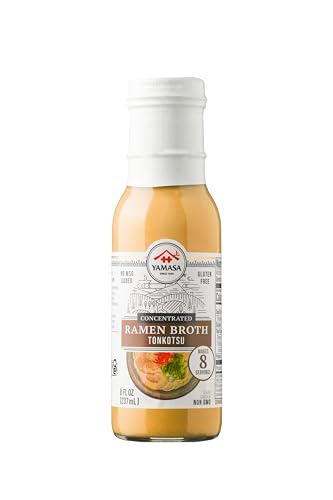
Serves 8 bowls.