
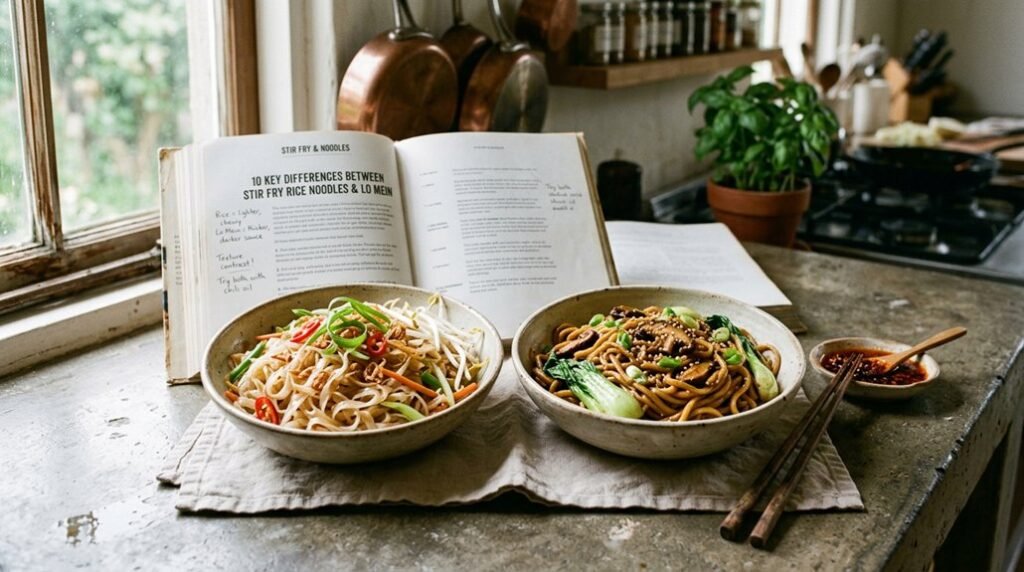


You’ve probably stared at two nearly identical menus, wondering why one dish costs $14 and the other $11. The answer starts with starch: rice noodles run delicate and gluten-free, while lo mein leans on wheat and egg for that signature chew. Your wok technique, sauce ratio, and final texture hinge entirely on this choice. One wrong swap, and dinner turns gummy or cloying.
The real differences run deeper than you’d expect.
Rice vs. Wheat: The Core Noodle Difference
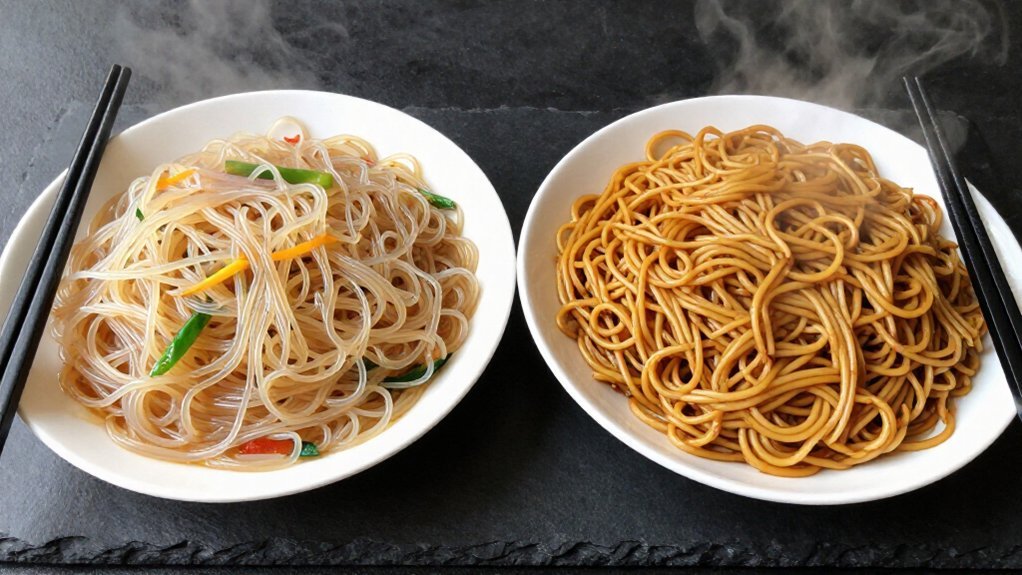
The foundation of any noodle dish starts with what’s actually in the noodle itself, and this is where stir-fry rice noodles and lo mein immediately part ways. You’re looking at rice noodles versus wheat noodles, and the difference isn’t subtle. Rice noodles give you a delicate, chewy texture and happen to be gluten-free, which matters if wheat sends your stomach into rebellion. Wheat noodles, meanwhile, deliver that firm, elastic bite you can actually cook al dente.
Your cooking method changes everything. You’ll soak rice noodles in warm water; boiling them aggressively turns them to mush. Wheat noodles demand a proper boil before they hit the wok.
Here’s where it gets interesting: rice noodles soak up sauces like a sponge, neutral and ready for whatever you throw at them. Wheat noodles bring their own savory, eggy personality. That’s why chow mein tastes nothing like your average stir-fry.
Recommended Products

STEAMED NOT FRIED: Every batch of rice noodles is steam cooked and slowly dried
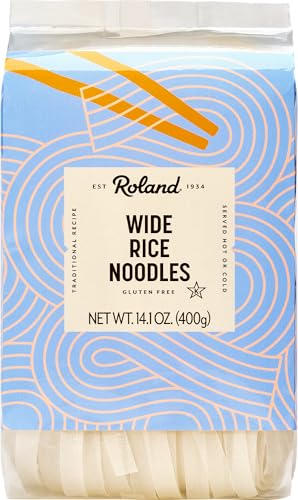
Made from 100% rice flour, Roland Wide Rice Noodles are naturally gluten-free.

Brown rice noodles, steamed not fried


Why Your Noodle’s Base Ingredient Changes Everything
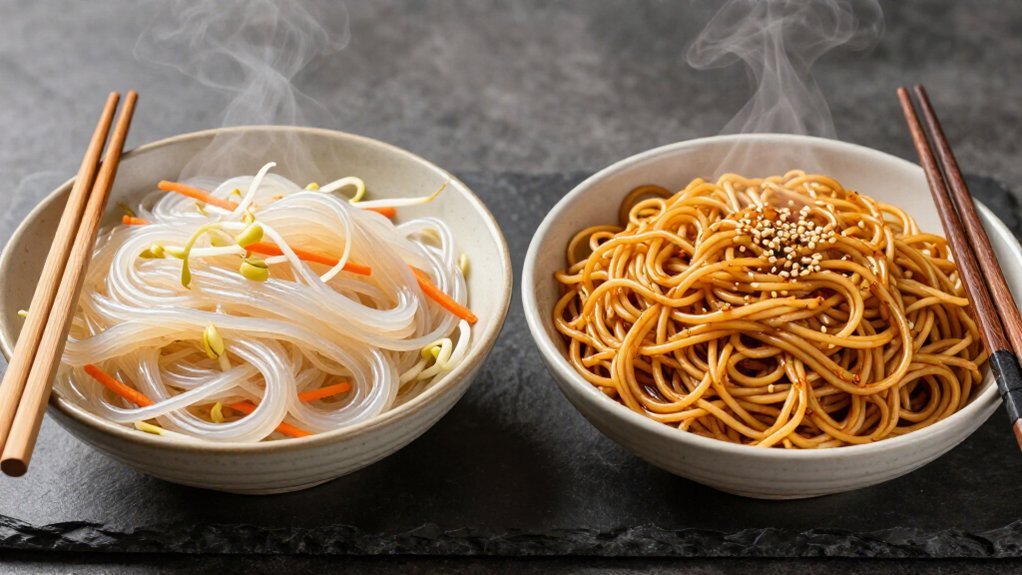
Because you’re staring at two completely different animals in the pan, the base ingredient isn’t just a box to check on a nutrition label, it’s the entire playbook for how your dish will behave.
When you choose rice noodles, you’re committing to a gluten-free, vegan canvas that stays shy and neutral, letting your sauces sing without competition. That rice flour and water combination creates a delicate, chewy sponge that drinks up broths instantly, but watch the clock: overcook by thirty seconds and you’ve got mush, not dinner.
Grab lo mein and you’ve locked in wheat and egg, bringing built-in savory depth and structural arrogance. Your stir-fry technique shifts too. Rice noodles demand fierce heat and oil acrobatics to prevent clumping, while lo mein lounges in its sauce, already cooked, already confident.
Recommended Products

Best Of Thailand Noodles

Wel Pac Lo Mein Noodles is the smoothest, quickest cooking Asian-style noodle

Dried egg noodles made from egg white only


Texture Showdown: Soft Rice Noodles vs. Chewy Lo Mein
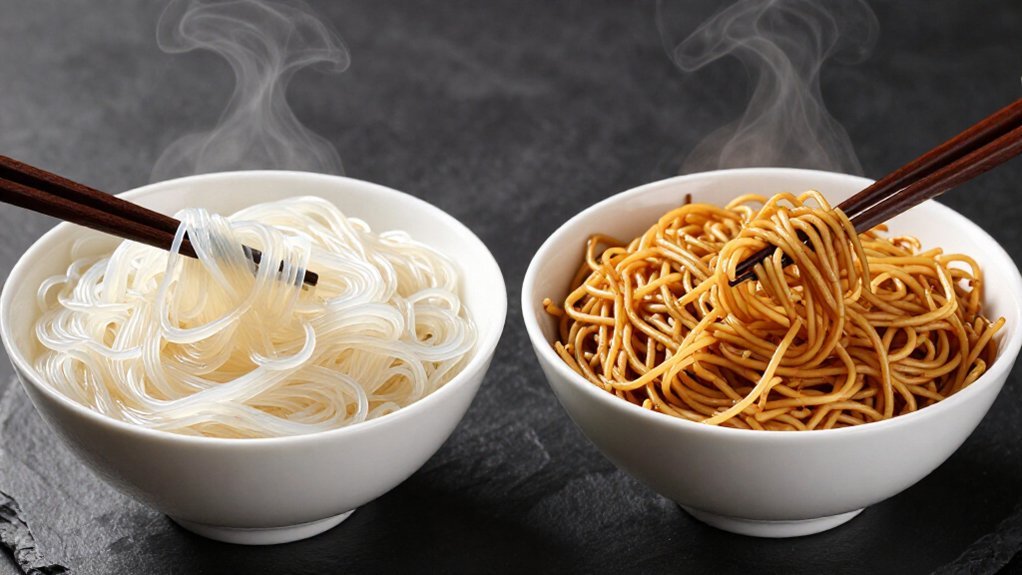
How exactly do you want your mouth to work for its supper? You’re choosing between two radically different experiences when you pick rice noodles or lo mein, and texture makes or breaks your stir-fry satisfaction.
Rice noodles deliver silkiness that practically dissolves on your tongue. They absorb sauce greedily, becoming slippery vehicles for umami without fighting back. Your teeth barely register resistance; the mouthfeel stays tender, almost cloying in its delicacy.
You’ll find them in lighter, drier preparations where broth does the heavy lifting.
Lo mein demands more from you. That chewy bite springs against your molars with genuine personality. The sauce coating here isn’t absorbed, it’s displayed: a velvety glaze that clings visibly to each strand. This chewiness rewards patience; you work for your flavor, and honestly, you earn it.
Recommended Products

Add a touch of Asian-inspired flavor to your favorite recipes with La Choy Chow Mein Noodles

Stir fry-style noodles in delicious Asian takeout-inspired sauce

The next time you crave Chinese food, simply reach in your cupboard for Nissin Teriyaki Vegatable Chow Mein


Cooking Techniques: Quick Toss for Rice, Simmer for Lo Mein
While you might think all noodles hit the wok the same way, rice noodles demand a completely different rhythm than their wheat-based cousins.
You begin rice noodles with par-cooling, soaking them briefly in warm water until they bend without snapping. Then comes the quick toss: you fire up your wok screaming hot, add a tablespoon of oil, and keep everything moving for ninety seconds max. The texture stays chewy, almost springy, never cloying or soggy.
With lo mein, you’re working with soft noodles already boiled to doneness. You drain them thoroughly, then tumble them into a wok with pre-cooked proteins and vegetables. There’s no rush here. You simmer and fold, letting the sauce coating creep into every groove. The result plumps and glistens, each strand wrapped in savory umami.
Recommended Products

These noodles make a great addition to soups and salads and any other recipes you like
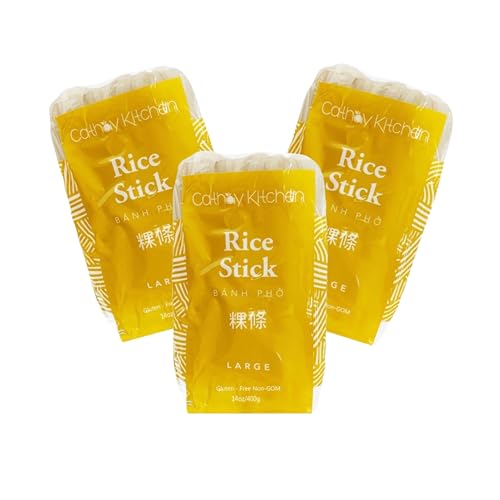
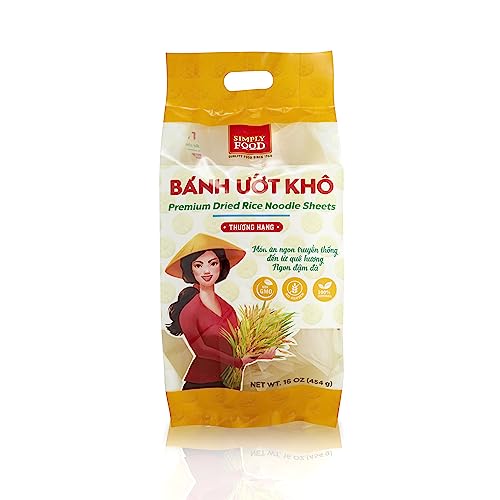
𝐏𝐄𝐑𝐅𝐄𝐂𝐓 𝐌𝐄𝐃𝐈𝐔𝐌 𝟑𝐌𝐌 𝐒𝐈𝐙𝐄: These 3mm rice stick noodles are the ideal thickness for Pad Thai, Banh Pho, stir-fries, soups, and noodle bowls. They hold sauces well and provide the perfect bite without breaking or becoming mushy.


Sauce Absorption: Light vs. Rich, Glossy Coatings
You’ll notice lo mein saturation hits different when that glossy, starch-thickened sauce clings to every strand like a proper umami hug, usually about 3 to 4 tablespoons coating a full pound of noodles.
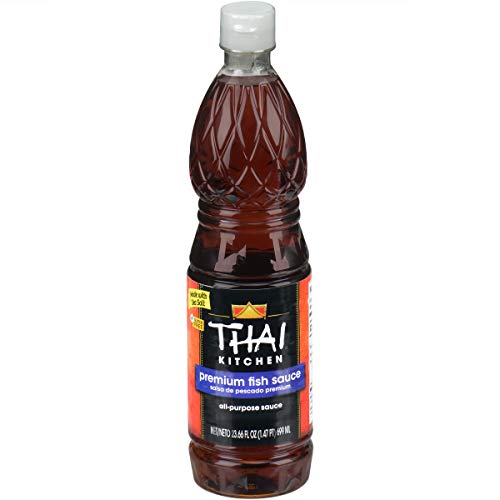
Rice noodle absorption behaves more cautiously, you want maybe 2 tablespoons of that fish sauce-lime tamarind blend so things stay springy, not cloying or gummy on your plate. The texture contrast effects seal the deal: lo mein’s soft silkiness needs that saucy armor, while rice noodles risk turning into a sad, over-sauced tangle that nobody asked for.
Recommended Products

Add a touch of Asian-inspired flavor to your favorite recipes with La Choy Chow Mein Noodles

The information below is per-pack only

Asian style chow mein stir-fry noodles
Lo Mein Saturation
Why does lo mein feel like a warm hug for your taste buds while stir-fry rice noodles keep things breezy and light? You’re experiencing noodle saturation at work.
Lo mein demands generous sauce coating, where sesame oil, soy sauce, and oyster sauce create that glossy glaze you crave. This clingy coating makes each strand into a vehicle for deep umami; it’s satisfying without becoming cloying.
You toss fully cooked wheat noodles into this glossy pool, and they drink it in. The result? A soft, plump bite with stir-fry texture that prioritizes comfort over crunch. Sauce absorption here isn’t timid, it’s deliberate. You’re building layers, not skimming surfaces. That glossy glaze doesn’t pool at the bottom; it adheres, it clings, it delivers. This is lo mein’s superpower, and frankly, rice noodles can’t compete.
Rice Noodle Absorption
Because rice noodles lack the gluten structure that traps sauce like a sponge, you’re working with a canvas that behaves more like a window than a wall, letting flavor pass through rather than building up heavy layers. This delicate sauce absorption demands precision: light coatings create that coveted glossy coating without overwhelming the noodles texture, while heavy-handed pours turn your stir-fry into a soggy disappointment.
You’ll want starch-based sauce for richer results, building hydration gradually so coating cling develops properly. Fresh rice noodles absorb faster than dried ones, so watch your timing closely. Lo mein can handle thicker sauces without breaking down, but rice noodles punish cloying thickness with mushy clumps. Get this balance right, and you’ve achieved that restaurant-quality sheen that makes every strand glisten with purpose.
Texture Contrast Effects
Rice noodles favor restraint with sauce, and that limitation shapes everything about their finished personality. You’re working against a ticking clock as wok high-heat strips moisture fast, leaving rice noodles with patchy sauce coating rather than lush coverage. Their fragile structure can’t handle aggressive sauce absorption without turning mushy.
Meanwhile, you’ll notice lo mein builds superior glaze uniformity through sheer structural confidence. Those firm-tender wheat strands maintain chewy texture that supports a glossy finish without surrendering integrity. The coating consistency on lo mein creates that satin sheen you actually want to show off.
You’re forced to splash extra liquid at the last second with rice noodles, hoping for cling. With lo mein, you toss once, and the sauce stays put. One delivers reliable elegance, the other demands babysitting.


Gluten-Free Needs? What Each Noodle Delivers
Gluten-free? Rice noodles keep your gut safe; lo mein’s wheat-based danger demands swaps you can’t skip.
If you’re steering celiac disease or just dodging gluten bloat, your noodle choice matters more than you might think. Rice noodles deliver a safe, gluten-free foundation crafted from rice flour and water. Lo mein typically relies on wheat-based egg noodles that’ll trigger your symptoms fast.
You’ll notice stir-fry texture differences immediately. Rice vermicelli offers delicate chew that turns slippery if you overdo the boil, but that’s your trade-off for safety. Lo mein requires gluten-free alternatives or rice noodle swaps, with labeling verification mandatory.
Check your vegan status too. Rice noodles stay plant-based and gluten-free. Egg noodles bring both gluten and animal products to the table.
Finally, scrutinize your gluten-free sauces. Standard soy sauce and oyster sauce hide wheat, so grab tamari or certified gluten-free bottles. Your gut will thank you, without the cloying compromise of flavorless substitutions.
Recommended Products

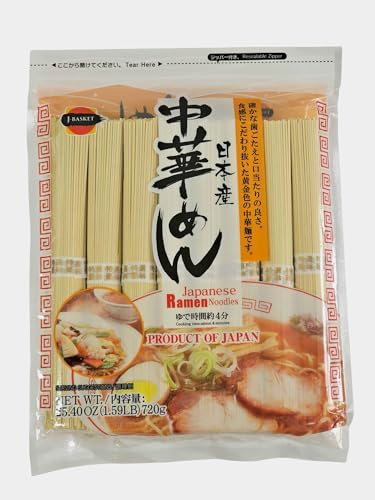
GLUTEN FREE RAMEN NOODLES: Try our whole grain ramen noodles with brown rice and millet flour. They're certified gluten-free, made with ethically sourced ingredients, and taste simply incredible

Steamed rice noodles, not fried

No hydrogenated fats or high fructose corn syrup allowed in any food


Substitution Mistakes That Ruin Your Stir-Fry
You’ll wreck your stir-fry if you swap these noodles without adjusting your technique, because rice noodles demand a quick soak or thirty-second boil while lo mein arrives fully cooked and ready for saucing. Pour a cloying, cake-y sauce over rice noodles and you’ll end up with a gluey mess that lacks wok hei, since those fragile strands need just a light coating, two to three tablespoons maximum, to soak up umami without collapsing.
Getting this wrong isn’t just disappointing, it’s a $15 takeout lesson you’ll never forget.
Recommended Products

Dried egg noodles made from egg white only.

Simple & Versatile Meal Base: Blue Dragon Cantonese Egg Noodles offer a smooth and balanced foundation for your favorite Asian-inspired meals; Made with wheat flour and egg, these Chinese noodles cook quickly and pair effortlessly with sauces, vegetables, and proteins to create a delicious meal at any time of day
Wrong Noodle Texture
The texture of your noodles can make or break a stir-fry, and swapping rice noodles for lo mein without adjusting your technique is a fast track to disappointment. You can’t treat stir-fry rice noodles like their wheat-based cousins; their delicate starch structure demands precision.
- Master your drying/soaking time: Dry noodles need longer soaking, fresh ones cook in minutes, misjudge either and you’ve got mush.
- Respect the al dente finish: Pull them early, they finish in the pan; overcooked noodles turn gummy and sad.
- Control your high-heat wok: Soft rice noodles tear under aggressive tossing, but fragile noodles with proper bite create that perfect clingy sauce marriage.
Skip these steps, and your stir-fry becomes a cloying, broken mess instead of umami heaven.
Sauce Ratio Errors
Nailing the noodle texture means nothing if you’re drowning it in sauce, and rice noodles are notorious sponges that’ll betray you fast. You’re aiming for a light coating that clings, not pools, because over-saucing turns your wok masterpiece into a soggy, cloying mess.
Stick to a 2:1 sauce ratio, two parts soy sauce and stock to one part cornstarch thickener. Mix your cornstarch slurry with cold liquid first, or you’ll get globs instead of gloss.
Too much dark soy or sugar overwhelms the neutral umami of rice noodles, masking their delicate chew. You want savory depth, not a sticky, midnight-brown tangle. Master the slurry, respect the ratio, and your stir-fry stays vibrant, not swampy.


Which Noodle Handles High Heat Better?
How do you know when your wok’s screaming hot enough? You’ll see wisps of smoke dancing above the surface, and that’s your signal to move fast with rice noodles. These delicate strands demand high heat and quick stir-fry action; their starch base turns gummy and clumps mercilessly if you hesitate. You must toss constantly, using ample oil to prevent that dreaded gumminess from ruining your texture.
Smoke signals your moment: toss fast, oil generously, keep rice noodles moving or surrender to gummy clumps.
Lo mein takes a different path. You’ll boil these chewy noodles first, then finish in the wok at gentler temperatures. The egg in their dough gives them resilience you won’t find in rice noodles.
Consider these heat-handling truths:
- Rice noodles reward aggressive wok work with crisp edges and slip.
- Lo mein’s pre-cooked nature prefers saucy coating over searing.
- Your technique matters more than the thermometer reading.
Recommended Products

MICROWAVEABLE ASIAN CUISINE: From Nissin, the creators of iconic Top Ramen and Cup Noodles, dive into a takeout-inspired Korean BBQ Stir Fry experience in mere minutes

AUTHENTIC CARIBBEAN CHINESE FLAVOR Inspired by bold Caribbean Chinese cooking, this savory sauce helps recreate restaurant-style lo mein, chow mein, stir fry and fried rice dishes at home with rich flavor, satisfying depth and a distinctive takeout-style taste the whole family can enjoy.


Classic Pairings: Dishes That Define Each Noodle
Your wok’s temperature obsession only matters if you’ve got the right stage to show it off. That’s where stir-fry rice noodles enter, demanding your respect and blistering heat. You’ll chase wok hei in beef chow fun, those wide ribbons charring at 600°F, absorbing smoke without drowning in sauce. Pad see ew offers the same thrill, sweet soy clinging to springy texture without becoming cloying.
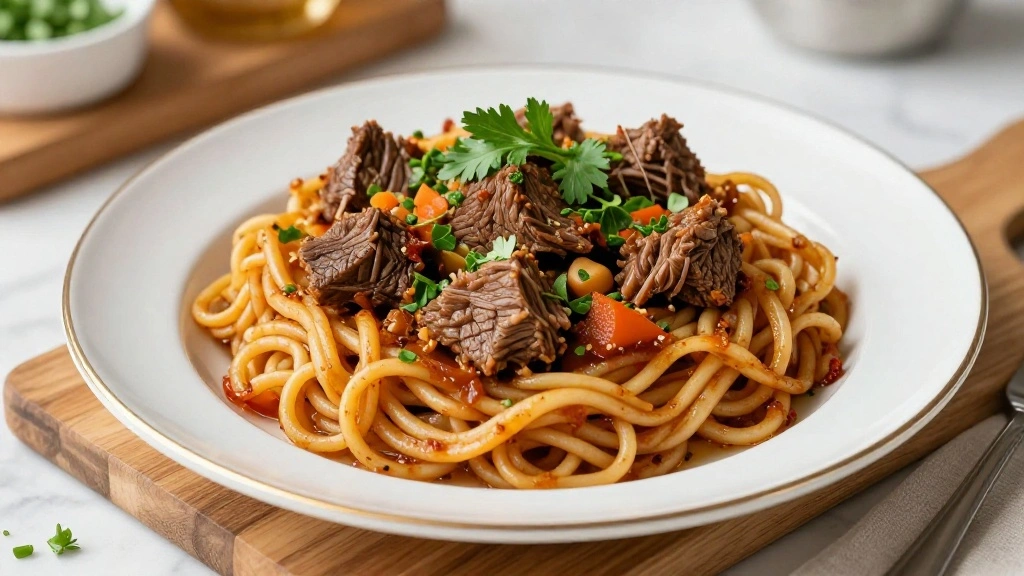
Lo mein plays a different game entirely. You’re tossing chewy noodles in a glossy sauce coating that unifies every element. Chicken lo mein illustrates this best, the egg noodles plump and yielding, carrying savory umami in every strand. There’s no wok hei chase here; you’ve surrendered to saucy comfort. Both approaches win, but they demand different loyalties from your technique.
Recommended Products


Premium Rice Noodles: Made from high-quality rice flour, these authentic Asian-style rice stick noodles deliver a smooth, delicate texture and mild flavor that perfectly absorbs sauces and seasonings in your favorite dishes

AUTHENTIC VERMICELLI TASTE & TEXTURE: Best of Thailand Rice Sticks Vermicelli have the same great taste as our Rice Noodle Sticks, but slightly thinner (1mm) making them a perfect substitute in any any Asian dish calling for pasta, from pad thai, pho, beef noodle soup to chow mein.


Rice Noodles or Lo Mein: Matching Noodle to Dish
When you’re staring down a recipe, the choice between these noodles isn’t academic; it’s the difference between dinner that sings and dinner that sighs. You need to match your noodle to your mission.
- Rice noodles demand high-heat stir-fry with minimal sauce, 2 tablespoons maximum, or you’ll face clumping disaster. They’re gluten-free, springy, and slip through your chopsticks like silk.
- Lo mein requires boiled, wheat-based noodles finished with generous sauce coating, creating that soft, plump texture you crave when comfort calls.
- Your cooking technique seals the deal: push rice noodles fast and hot, toss lo mein slow and saucy.
That egg-enhanced richness in lo mein carries umami depth, while rice noodles stay neutral, letting lime and fish sauce shine. Choose wrong, and dinner turns cloying, gummy, sad.
Recommended Products

All natural

The information below is per-pack only

CRISP & DELICIOUS - Crispy and Delicious Wide & Airy Chow Mein Noodles