


You open your fridge and grab that bottle of soy sauce without thinking, but here’s the truth: your stir fry is fine without it. A quality coconut aminos runs about $6 for 8 ounces and delivers 73% less sodium with a subtle sweetness that won’t turn cloying when reduced.
Miso paste, just 2 tablespoons whisked into ¼ cup warm vegetable stock, builds a funkier, deeper umami. Rice vinegar brightens; Shaoxing wine adds edge. You’ll miss the gloss at first, then you won’t. The real question isn’t whether you can skip soy sauce; it’s why you ever thought you had to.
7 Pantry Staples That Replace Soy Sauce’s Umami
When you’re staring down a stir-fry and realize the soy sauce bottle’s empty, panic isn’t your only option. You’ve got seven genuine umami boosters waiting in your pantry, and some of them outshine the original.
Grab tamari, the gluten-free soy sauce alternative that delivers identical depth without the wheat. Coconut aminos brings subtle sweetness for your gluten-free stir fry sauce needs, though it runs $6-8 per bottle and tastes lighter. Liquid aminos packs comparable savory punch at roughly half that price.
Fish sauce changes everything, two teaspoons maximum, or you’ll taste anchovy, not excellence. Miso paste melts into complex richness, mushroom stock reduces into concentrated earthiness, and vegetable stock simmers down for adequate, if unremarkable, backup. Each rescues dinner.
Recommended Products

BRAGG COCONUT LIQUID AMINOS: A soy-free teriyaki sauce alternative made with organic coconut blossom nectar, Bragg apple cider vinegar, and Balinese sea salt for a slightly sweet, savory umami flavor
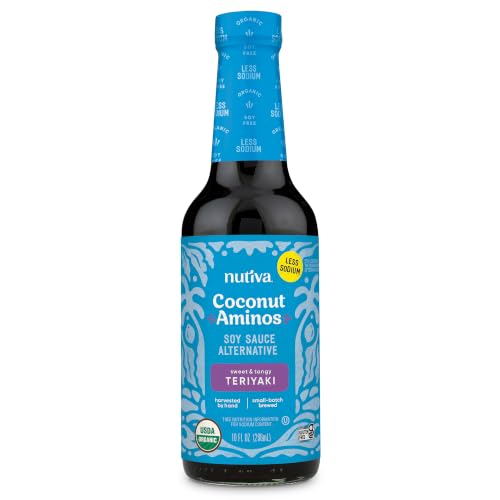
GREAT TASTING SOY FREE ALTERNATIVE - Coconut Secret Coconut Aminos Teriyaki Sauce is a new innovation in healthy Asian cuisine. Its created by blending our Original Coconut Aminos sauce with aromatic spices to create an exceptional seasoning and stir-fry sauce. It is great brushed over fish, chicken, meat and veggies, or in sautés and marinades
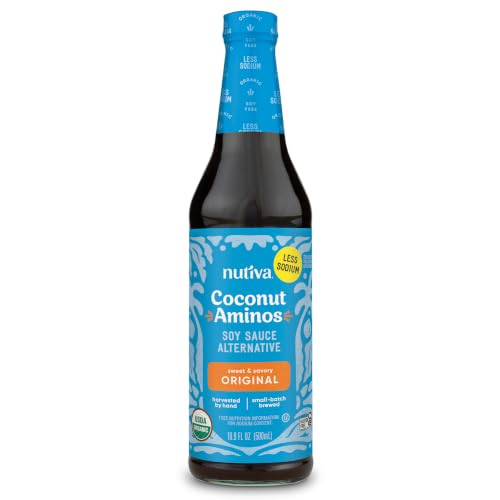
GREAT TASTING SOY SAUCE ALTERNATIVE - Coconut Secret Coconut Aminos is a delicious seasoning alternative that you can use exactly like soy sauce in salad dressing, marinades, sautés or to sprinkle on sushi. It is made with coconut tree sap and not coconuts, so it does not have a coconutty flavor



How to Balance Sweet, Sour, and Savory Without Soy
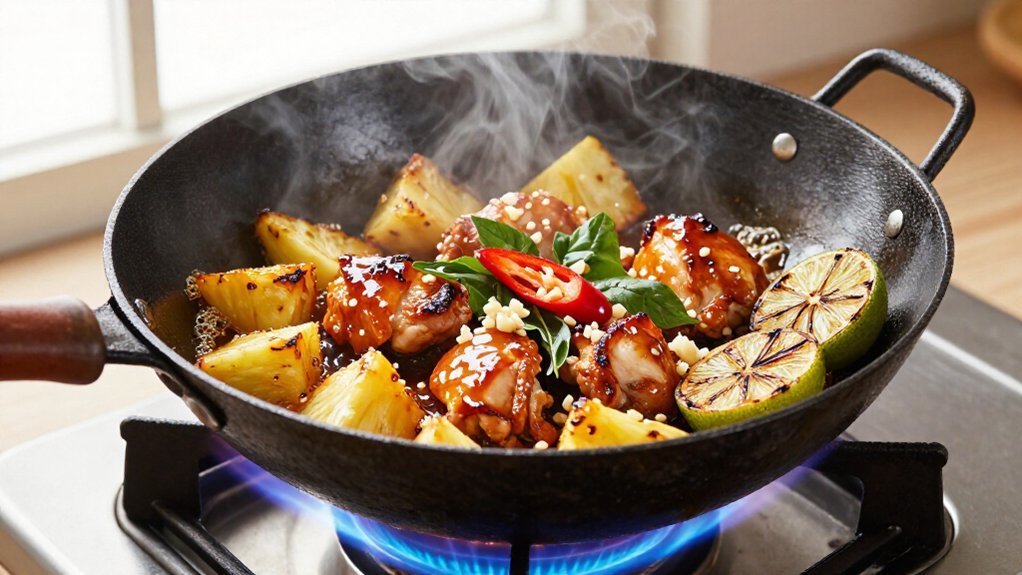
You’ll build a rock-solid umami base using vegetable stock glugged with a tablespoon of white miso or a splash of that funky Worcestershire you forgot was in your pantry door. From there, you’re layering acids that actually sing: rice vinegar brings clean brightness, lemon juice offers zippy punch, and both keep your sauce from going cloying when you add the honey.
Aromatics aren’t negotiable here. You’ll mince five fat cloves of garlic and thumb-sized ginger, frying them in a teaspoon of sesame oil until your kitchen smells like somewhere you’d actually pay money to eat.
The real trick, and you’ll learn this the hard way if you ignore me, is tasting as you go: start with two tablespoons acid to one tablespoon sweetener, then adjust because nobody’s palate is wired exactly like yours.
Recommended Products

Brewed in the USA and made with non-GMO soybeans.
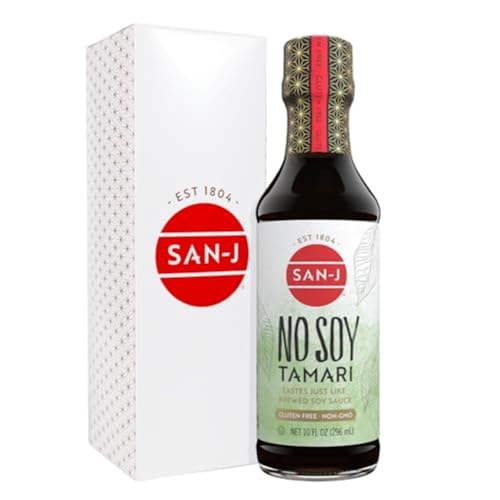
SOY FREE SAUCE - San-J No Soy Tamari is brewed using our special fermentation methods. Made with peas and simple ingredients, our Soy-Free Tamari tastes like real brewed soy sauce & has complex, umami-rich flavor

Building Umami Bases
Why does soy sauce get all the glory when you’ve got a whole toolbox of umami builders waiting in your pantry? You’re building soy-free stir fry sauces that sing, not whimper.
Start with mushroom stock or miso paste for that savory backbone. Nutritional yeast adds cheesy depth without dairy. Tomato paste concentrates sweetness and umami; Worcestershire or Shaoxing wine bring fermented complexity. These aren’t substitutes, they’re upgrades.
Layer mushroom stock with garlic and ginger for aromatic depth. Whisk miso paste with warm water to avoid cloying grit. Bloom nutritional yeast in oil before adding liquid. Reduce tomato paste until it turns brick-red and sweet.
Thicken with cornstarch slurry, never arrowroot alone; it turns gluey. Finish with tamari-free umami powder or a splash of fish sauce. You’ve built something better than soy sauce could ever deliver.
Citrus and Vinegar Options
How do you keep a stir fry from falling flat when soy sauce isn’t doing the heavy lifting? You build brightness and balance with acid.
Reach for rice vinegar when you want mild sourness that tames sweetness without stealing the show, or grab citrus juice, lime squeezes hard, orange plays softer. They’re your gluten-free salvation when tamari feels too heavy, a gluten-free soy alternative that still whispers “Asian fusion” without the bean.
Skip soy entirely? You’re not doomed. Stir vegetable stock with a teaspoon of rice vinegar and half that in honey. You’ve rebuilt the bridge between sweet and savory. Add ginger, a pinch of sugar, and you’ve got citrus-forward flavors that pop.
That cloying, one-note sauce? Dead. This has backbone.


3 Soy-Free Stir Fry Sauces You Can Make Tonight
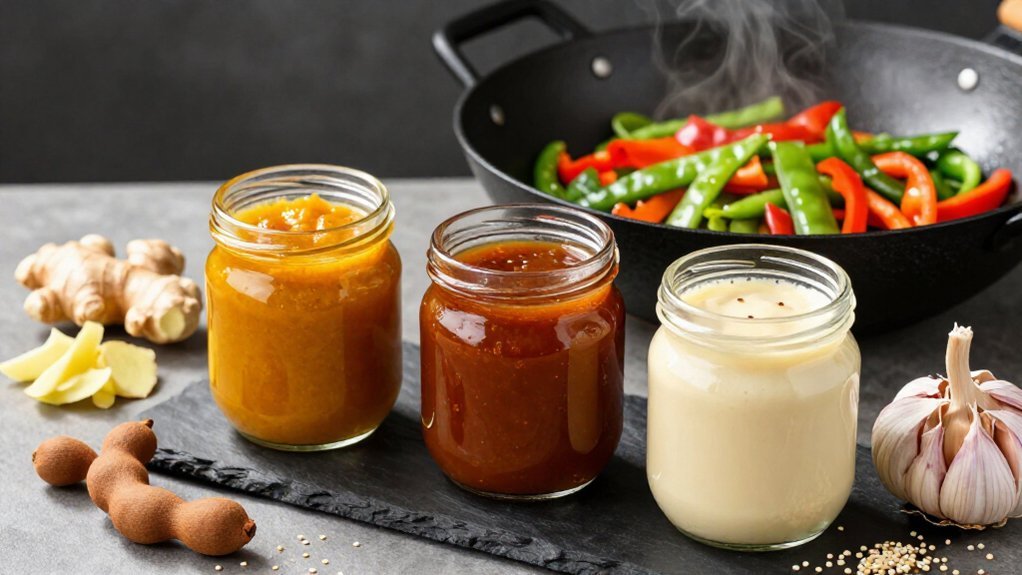
You’re ready to branch out, and tonight’s the night. You’ll start with a coconut amino base, swapping the usual soy for that subtle sweetness. Then you’ll move to a tahini ginger blend that brings nutty depth without getting cloying. Finally, you’ll finish with a miso citrus glaze that hits every note: salty, bright, and rich with umami. These three won’t disappoint; they’re weeknight winners that prove soy was never the star, just a familiar backup dancer.
Recommended Products
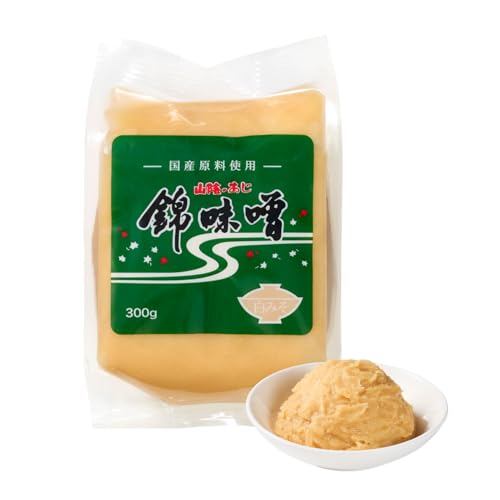
RICH UMAMI & ELEGANT SWEETNESS: Crafted from premium Japanese soybeans (about 25% peeled) and a high ratio of rice koji. This uniquely seasoned blend includes a touch of sweetness and umami enhancers to bring out an exceptionally mellow, well-rounded flavor.

MISO FLAVOR: Bold, savory-sweet Miso Japanese Barbecue Sauce made with both white and red miso for deep, umami-rich flavor.

What You Get: One 13.5 oz. bottle of P.F. Chang’s Home Menu Sesame Sauce
Coconut Amino Base
So you’re staring at a wok full of crisp vegetables and wondering where the depth will come from without soy sauce? Grab coconut aminos. This soy sauce substitute delivers that salty-sweet punch you’re craving, naturally gluten-free and low-sodium without tasting like compromise.
You’ll whisk together three tablespoons coconut aminos with a teaspoon of rice vinegar. The acidity balance prevents cloying sweetness. It’s vegan, it plays nice with cornstarch slurries, and you won’t miss the umami void.
- Coconut aminos contain 90mg sodium per teaspoon versus soy sauce’s 575mg
- The fermented sap adds subtle caramel notes regular soy lacks
- Your gluten-free friends stop interrogating ingredient labels
- That sweetness demands vinegar; don’t skip it
- Leftover sauce keeps seven days, same as traditional versions
Tahini Ginger Blend
Coconut aminos nail the salty-sweet profile, but sometimes you want richness without any fermented tang at all. Enter the tahini ginger blend, a soy-free stir-fry sauce that trades sharp saltiness for creamy depth.
You whisk together three tablespoons of tahini, minced garlic, grated fresh ginger, rice vinegar, and a touch of maple syrup. Thin it with vegetable stock until pourable. This gluten-free, dairy-free, vegan base coats broccoli, bell peppers, and mushrooms with nutty umami that never turns cloying.
Skip gluten-free tamari alternative entirely; tahini carries the savoriness alone. For that signature glaze, you’ll add a cornstarch slurry during the final minute of cooking. The sauce thickens glossy and perfect, clinging to every piece without overwhelming your palate. Weeknight cooking, solved.
Miso Citrus Glaze
Why settle for flat flavor when miso and citrus can build something genuinely exciting? You’re creating a miso citrus glaze that turns your soy-free stir fry into something you’d actually crave. Grab gluten-free miso, your choice of citrus, and build from there.
Most home cooks underestimate how powerful miso umami becomes when you cut it with bright acidity. You’re whisking two tablespoons white miso with fresh orange juice, a teaspoon zest, and a touch of honey. A cornstarch thickener gives you that glossy cling without going cloying. It’s dairy-free, it uses pantry staples, and it costs maybe three dollars per batch.
This isn’t a compromise, it’s a genuinely superior stir fry sauce alternative for gluten-free stir fry nights when you’re bored of the same five dinners.


Soy-Free Stir Fry Mistakes (And How to Fix Them)
How do you rescue a stir-fry when soy sauce is off the table? You start by dodging the classic blunders that turn soy-free attempts into sad, saltless disasters.
First, you’re not building umami, and your stir fry suffers. Relying solely on soy sauce alternatives like Tamari tackles the gluten-free crowd, but misses depth. Fix it: layer vegan miso boosters or mushroom powder. Two teaspoons turn a stock-based sauce from flat to fierce.
Second, your sauce won’t cling. You’re skipping cornstarch, and that’s culinary self-sabotage. One tablespoon per cup of vegetable stock creates glossy coating power.
Third, you’re drowning ingredients. A quarter-cup of liquid, maximum, for four servings; anything more boils vegetables into submission rather than searing them.
Finally, taste as you go. Soy-free demands attention, not abandonment.
Recommended Products

Genuine Brewed Rice Vinegar: With depth and richness, this vinegar heightens the flavor of any recipe. Its delicate acidity is versatile and excellent as an addition to Japanese, Chinese, European and American dishes

No hydrogenated fats or high fructose corn syrup allowed in any food

Crafted to perfection, this seasoning mix brings together soy sauce, ginger, garlic, and spices in a delightful symphony of flavors that enhance any stir-fry dish.


What to Cook With Your Soy-Free Stir Fry Sauce
Now that you’ve sidestepped those soy-free pitfalls, it’s time to put your sauce to work. Your soy-free stir fry sauce does not sit idle; it demands the right canvas to shine.
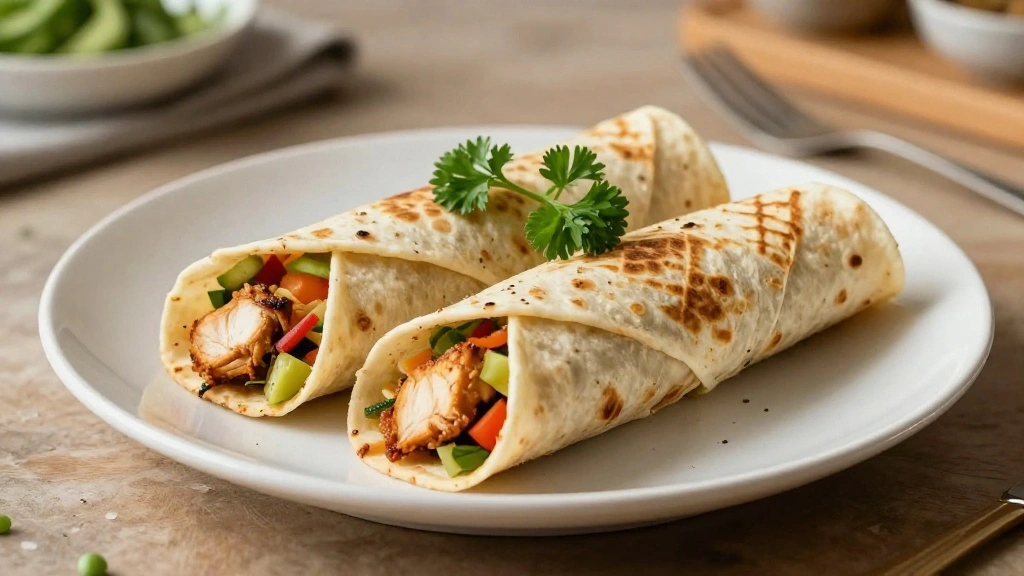
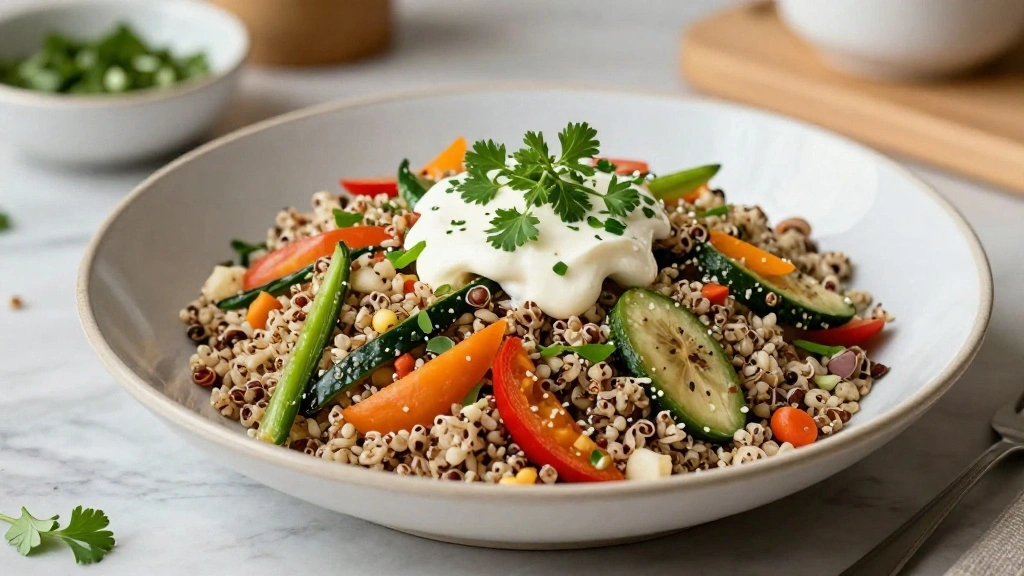
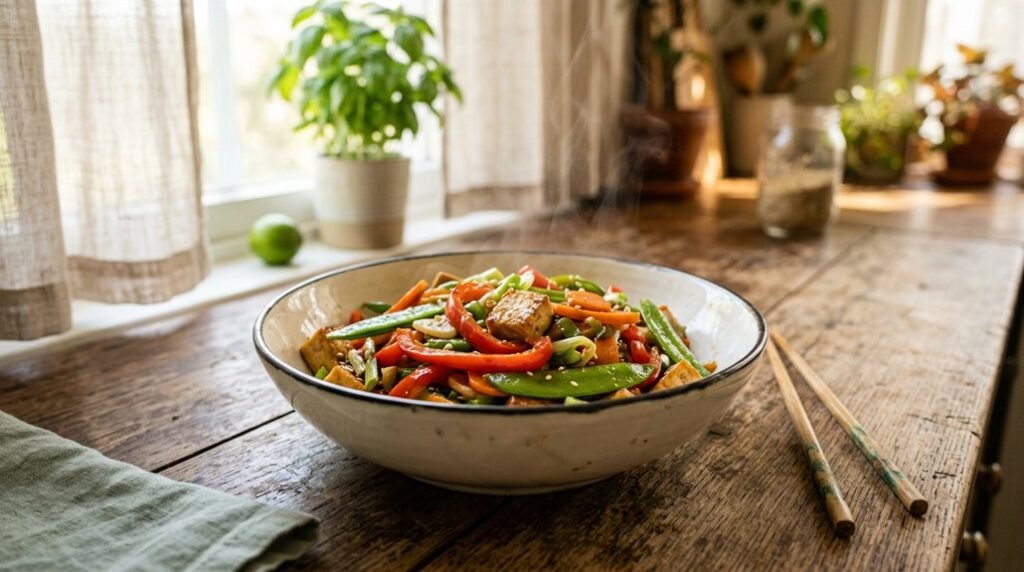
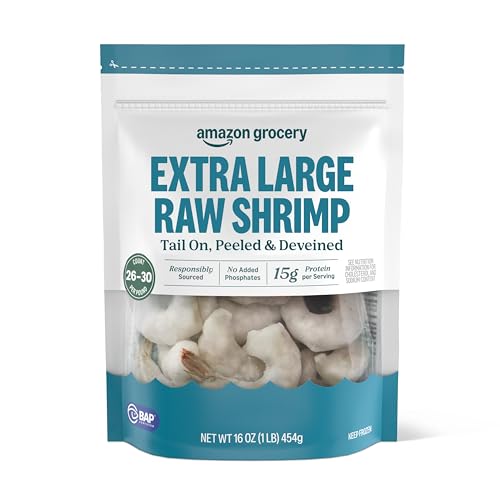
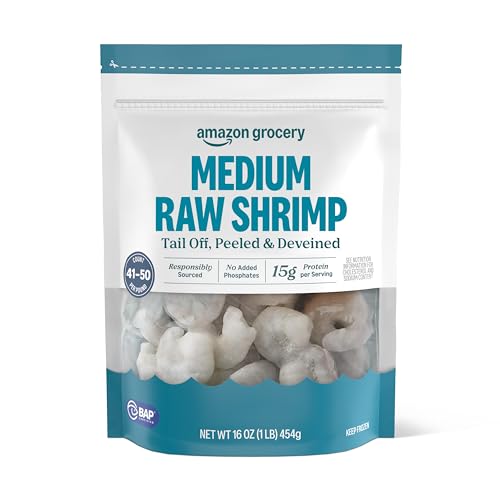
Load your wok with broccoli florets, bell peppers, snap peas, and mushrooms. These vegetables drink up every drop. Add shrimp, chicken, or pressed tofu, proteins that soak up flavor without drowning in cloying sweetness. Your coconut aminos or vegetable stock base delivers that essential umami punch without the soy, while cornstarch handles sauce thickening at one tablespoon per cup of liquid.
Master these pairings, and you’ll forget soy sauce alternatives ever mattered.
Map your vegetable cuts to uniform sizes; uneven pieces cook poorly and taste worse. Prep your cornstarch slurry before firing the wok; clumping ruins the texture you want. Taste your sauce before it hits the pan; coconut aminos run sweeter than tamari.
Choose gluten-free tamari when you need depth without wheat; your gluten-free guests will notice. Finish with a splash of rice vinegar; it brightens vegan builds that lean too savory
Recommended Products

No hydrogenated fats or high fructose corn syrup allowed in any food

Lee Kum Kee Vegan Oyster Flavored Sauce aka Vegetarian Stir-fry Sauce.

vegan, plant-based

Why Some “Soy Sauce Substitutes” Still Don’t Work
Where exactly does your coconut aminos stir fry fall flat? You’ve swapped soy sauce for coconut aminos, expecting magic, but you’re tasting something cloying and thin. Most soy sauce substitutes promise salvation for gluten-free or low-sodium needs, yet they stumble delivering true umami depth. Tamari gets close, but even it can miss that precise salty balance you crave.
You’ve swapped soy sauce for coconut aminos, expecting magic, but you’re tasting something cloying and thin.
The real culprit? A skewed flavor profile. Coconut aminos brings excessive sweetness, acidity that fights your vegetables rather than uniting them. Meanwhile, you’ve lost that elusive savory-sour-sweet harmony defining great stir fry.
Worse, emulsion and thickening suffer. Soy sauce integrates well into your sauce; substitutes pool or separate, refusing to coat your protein evenly. Without proper emulsion and thickening, you’re eating components, not a cohesive dish. Your glaze lacks sheen, your marinade penetrates poorly.
Substitutes aren’t failures by design, but you’ve got to acknowledge their compromises, not pretend they’re identical.
Recommended Products

GREAT TASTING SOY SAUCE ALTERNATIVE - Coconut Secret Coconut Aminos is a delicious seasoning alternative that you can use exactly like soy sauce in salad dressing, marinades, sautés or to sprinkle on sushi. It is made with coconut tree sap and not coconuts, so it does not have a coconutty flavor
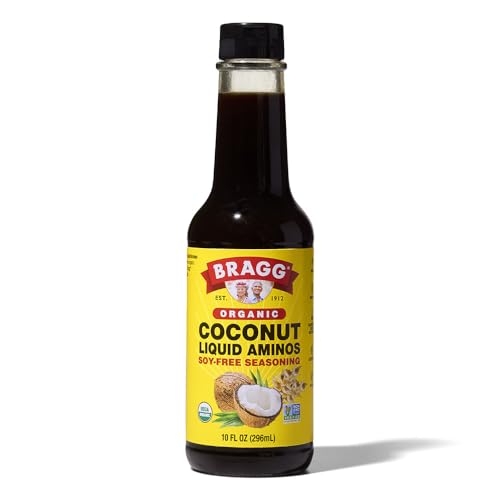
BRAGG COCONUT LIQUID AMINOS: A sweet, soy-free teriyaki sauce replacement made with Bragg Apple Cider Vinegar, organic coconut blossom nectar, and Balinese sea salt

No hydrogenated fats or high fructose corn syrup allowed in any food


Meal Prep Tips for Soy-Free Stir Fry Success
You’ve accepted that coconut aminos isn’t a perfect clone, so let’s build something that actually works. Master your soy-free stir fry with intelligent meal prep. You need a strategy that doesn’t fumble at 6 PM when you’re hungry and tempted to reach for that bottle of tamari.
Here’s your battle plan:
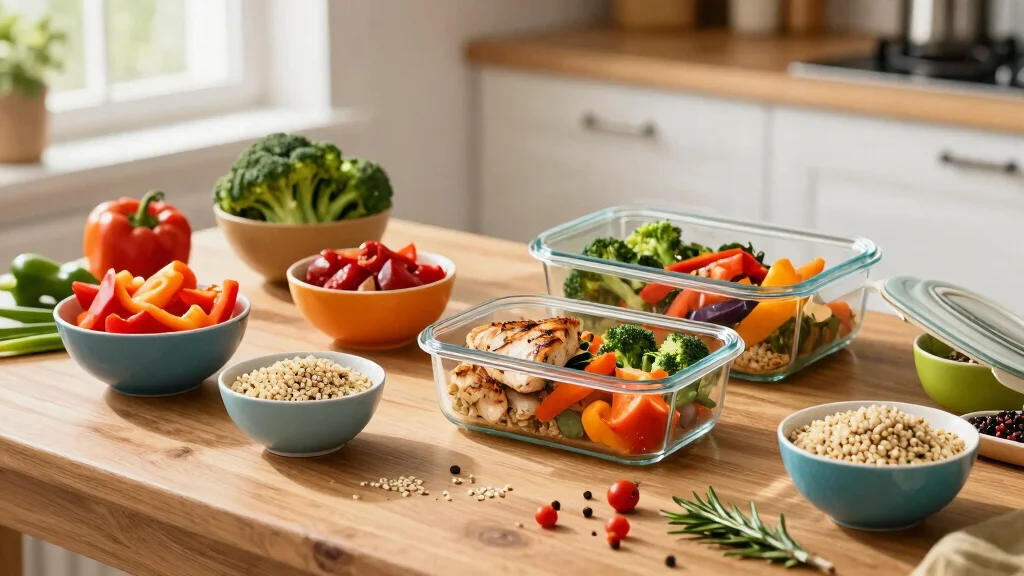
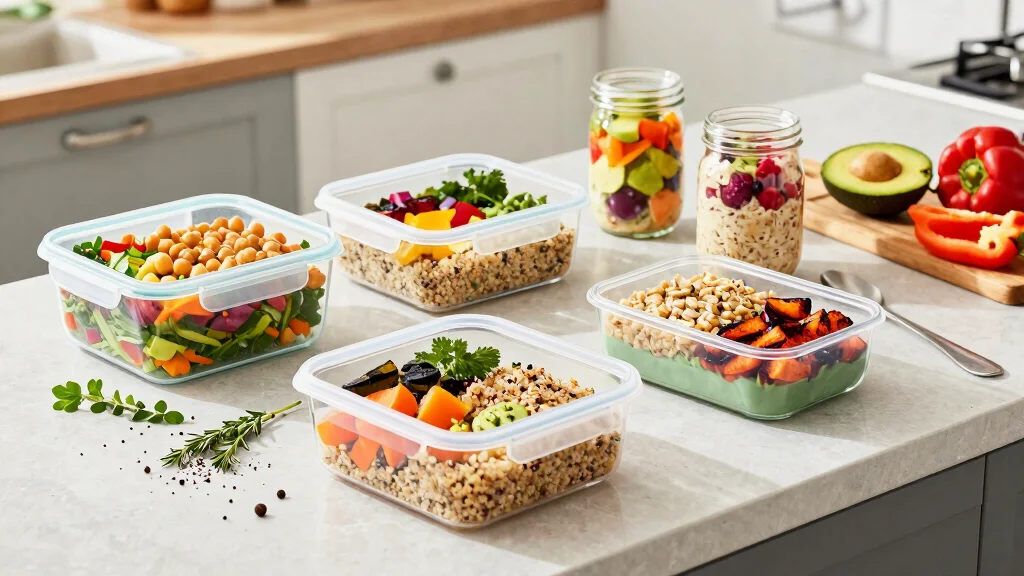
Batch-cook vegetable stock with cornstarch slurry, keeping 8-ounces ready for instant umami without soy. Mince garlic and ginger weekly; store in neutral oil so they don’t dry out or turn cloying. Mix coconut aminos with rice vinegar and 1 teaspoon sugar in 4-ounce jars, shake before use.
Label everything gluten-free even if you’re not celiac, guests appreciate the clarity. Freeze pre-portioned proteins in marinade; they’ll soak up flavor while thawing.
Refrigerate sauces three days maximum. Taste before adding salt; coconut aminos runs sweeter than expected.
Recommended Products

Kikkoman Preservative-Free Gluten-Free Tamari Soy Sauce has all the rich, savory taste and umami of our regular Kikkoman Tamari Soy Sauce without the gluten

Savory flavor and umami richness without gluten

DELICIOUS SOY SAUCE FOR ALL - Our Tamari Gluten Free Soy Sauce accommodates different lifestyles. Whether your diet is gluten-free, vegan, or Kosher, it is a soy sauce for all without sacrificing flavor!